
Most visitors to northern Tanzania pass through Arusha, and many know very little about it beyond the fact that their safari starts there. We have an office in the Arusha area and have lived and worked here for years, so we can tell you what the city is really like, what is worth doing with a spare day and how to make the most of your time before or after a safari. This guide answers the questions people most often ask: where Arusha is, whether it is the capital, what it is known for and where to stay, with practical advice for visitors.
Where is Arusha?
Arusha is in north-eastern Tanzania, on the mainland, at the foot of Mount Meru, about 3.4 degrees south of the equator, roughly 380 kilometres from it. The city sits at an altitude of around 1,400 metres, which gives it a mild climate, and it is the starting point for most northern circuit safaris to Tarangire, Lake Manyara, Ngorongoro Crater and the Serengeti. Kilimanjaro International Airport lies between Arusha and Moshi, about an hour's drive from the city, and the Kenyan border is a few hours north at Namanga.
Arusha is the capital of the Arusha Region and the main town of the district around it, and it is a busy commercial and administrative centre. Tanzania uses East Africa Time, which is three hours ahead of Coordinated Universal Time. Swahili is the main language, and English is widely spoken in tourism and business. The currency is the Tanzanian shilling, though US dollars are widely accepted for tourism services, and you will find banks, ATMs and money changers in the city.
Is Arusha the capital of Tanzania?
No. The official capital of Tanzania is Dodoma, in the centre of the country, where the government has been based since the 1970s, with Dar es Salaam on the coast remaining the largest city and the main commercial centre. Arusha is neither, but it holds an important place as a regional hub and as an international city. The headquarters of the East African Community is in Arusha, and the city hosts the African Court on Human and Peoples' Rights and the facilities that were used by the international tribunal for Rwanda, which is why it has long been known as a centre for diplomacy and conferences.
What is Arusha known for?
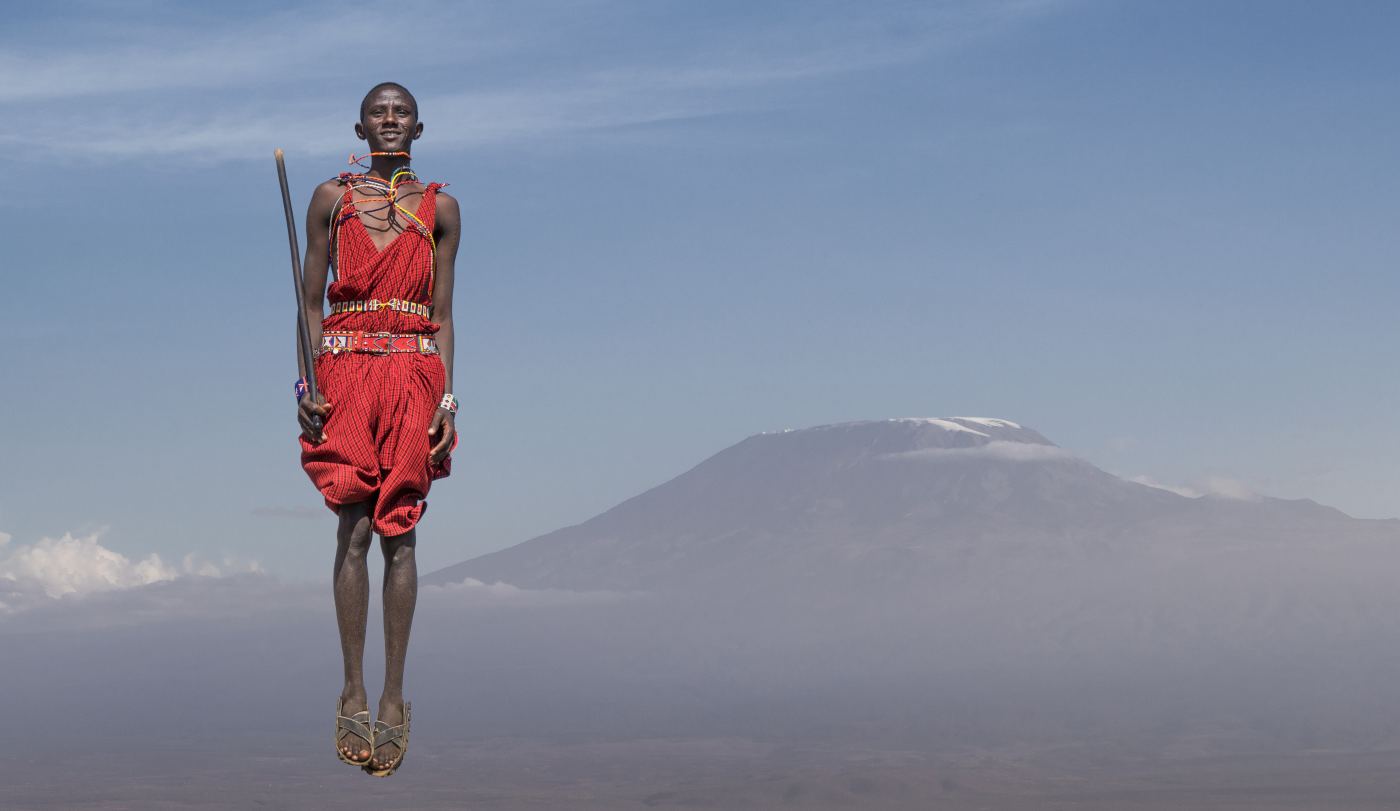
Above all, Arusha is known as the safari capital of Tanzania, the gateway to the northern parks, and the home of many tour operators, lodges and guides. It is also known for Mount Meru, a dramatic volcanic peak of about 4,560 metres, the second highest mountain in Tanzania after Kilimanjaro, which rises directly behind the city and is a popular trek in its own right. The Arusha area has coffee estates, markets, craft centres and a mixed population that includes Maasai, Meru and many other communities, as well as a sizeable expatriate community.
People also know Arusha for the Arusha Declaration of 1967, a key document in Tanzania's post-independence history, which is commemorated in a museum and monument in the city. Conferences and international meetings are a large part of the local economy, bringing delegates from around Africa and the world. All of this gives Arusha a lively, outward-looking character, and a little more sophistication than you might expect from a regional town.
Plan around Arusha with our guides to is Arusha safe, safari from Arusha, Arusha safari guide, how to choose an operator in Arusha and what to do after a safari. See our private Tanzania safari options.
What is the climate like?
Arusha's altitude gives it a pleasant, moderate climate that is warmer than the highlands and cooler than the coast. Days are usually warm and nights cool, and between June and August evenings can feel properly chilly, so bring a light jacket. The main rains typically fall from around March to May, with shorter rains around November and December, and the driest months are generally June to October and January to February. Mount Meru and Kilimanjaro are often visible in the mornings and evenings, particularly in the dry season, when the air is clear.
This climate is part of why so many visitors choose to spend a night or two here. It is a comfortable place to recover from jet lag, adjust to the altitude and prepare for a safari. If you are heading to higher places such as the Ngorongoro rim, a night at Arusha's elevation helps you adjust gradually. Check the forecast before you go, but remember that conditions can change quickly, and layers are the best answer.
What to do in Arusha
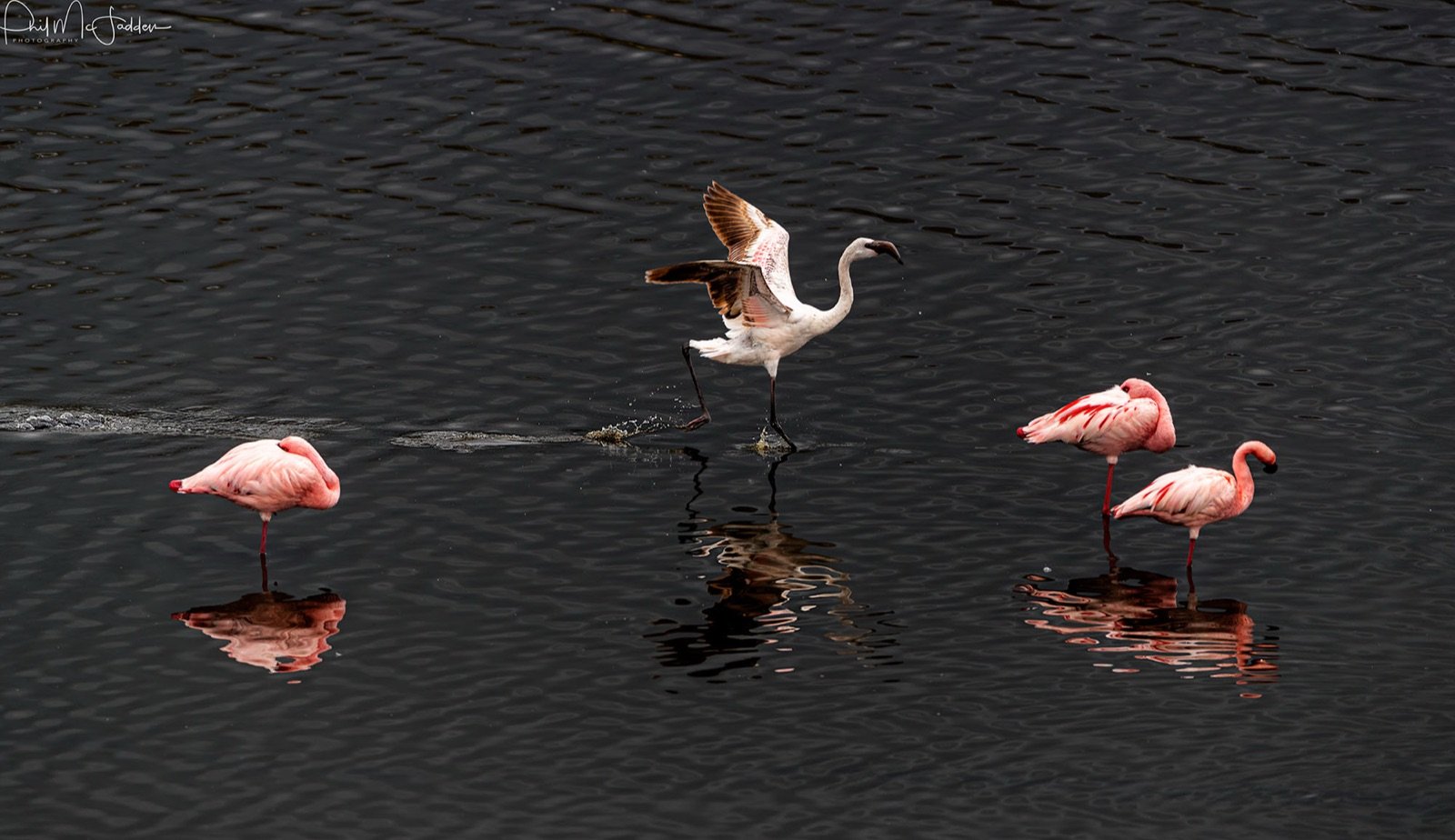
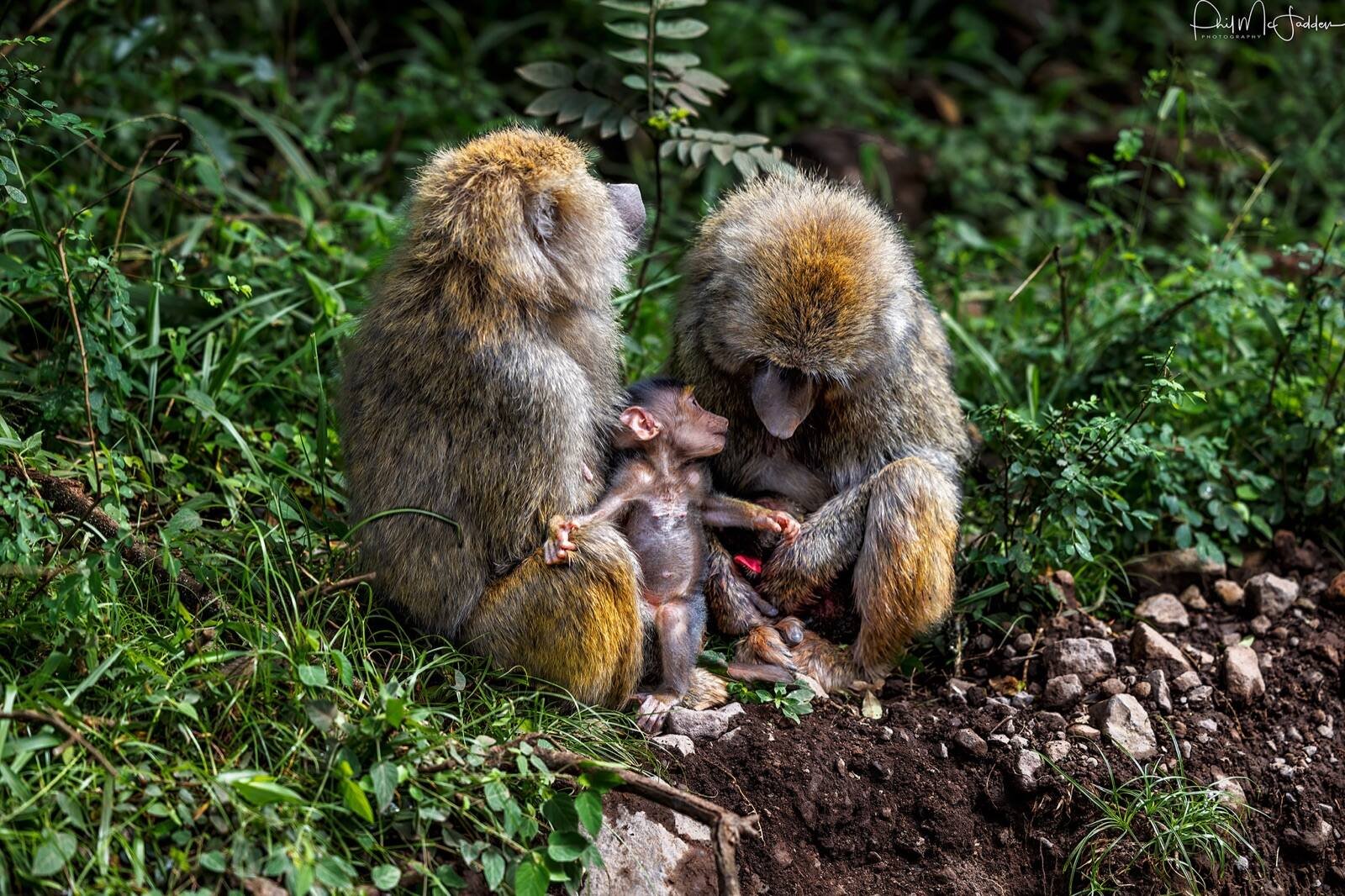
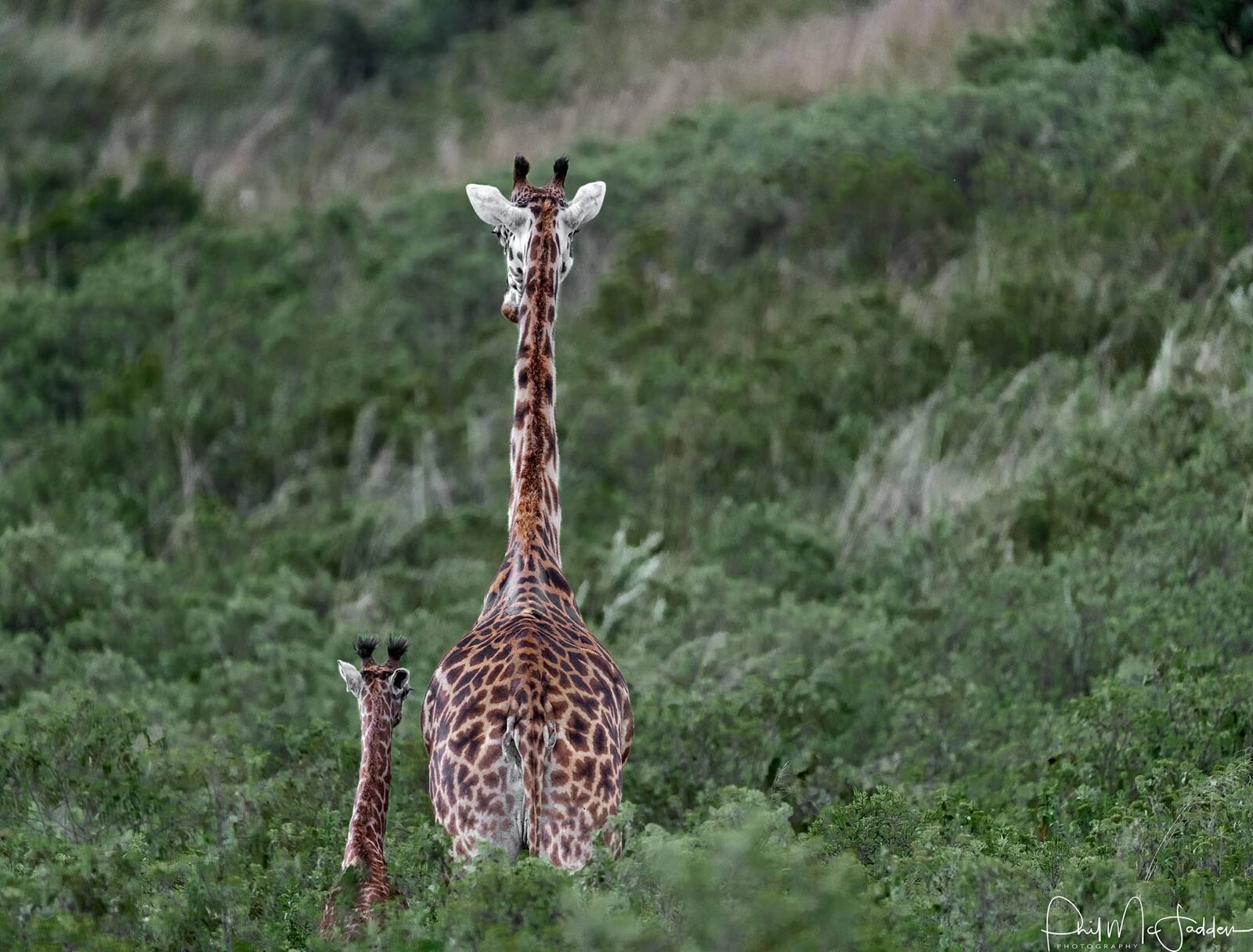
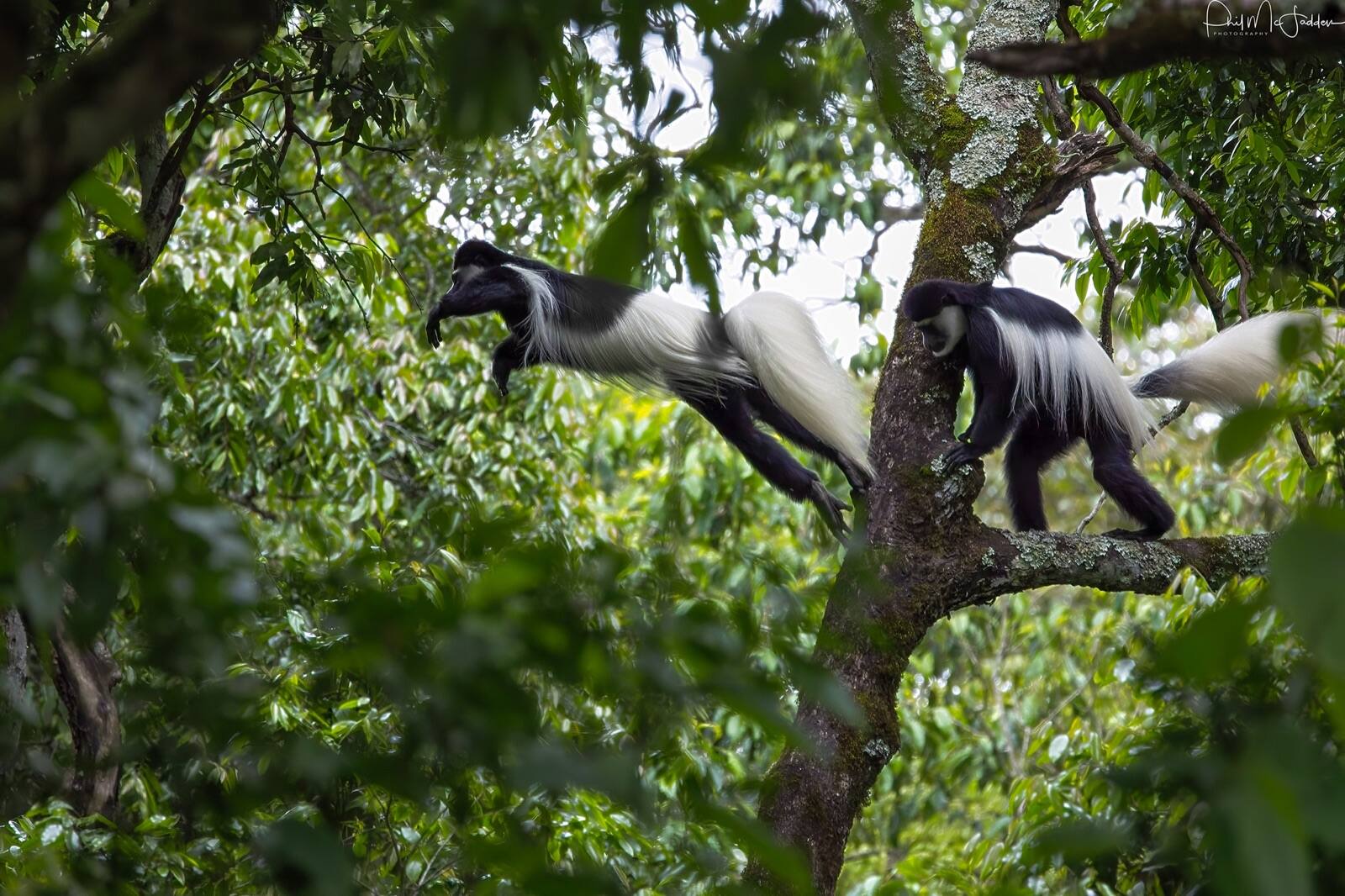
There is more to do than many visitors expect. Arusha National Park, a short drive away, offers giraffes, colobus monkeys, flamingos and views of Mount Meru, and is a good half or full day. Lake Duluti, a small crater lake on the edge of the city, has a forest path and canoe trips. Coffee estates around Arusha offer tours and tastings, and craft markets and cultural centres sell carvings, beadwork and paintings. In town, the Arusha Declaration Museum and the Natural History Museum in the old German fort give a sense of the history.
For a cultural experience, look for community visits arranged through reputable operators that benefit the people involved, and ask how the money is shared. Markets are lively, and a short guided visit can be a good way to see everyday life. If you want a longer excursion, Tarangire and Lake Manyara are within a couple of hours' drive and make good day trips, as we explain in our guide to one-day safaris. And if you are interested in mountains, Mount Meru is a rewarding trek over several days, with views of Kilimanjaro on clear mornings.
Where to stay
Accommodation in the Arusha area ranges from simple guesthouses and mid-range hotels in the city to lodges and boutique properties set in gardens and coffee estates on the outskirts, particularly to the east towards Usa River and Kilimanjaro, and on the lower slopes of Mount Meru. Many safari guests prefer the outskirts, which are quieter and greener, with secure grounds and views of the mountain, and a shorter transfer to the airport. Staying in town puts you close to restaurants and shops but means more noise and traffic.
Think about what you want from the stay. If it is a single night before an early safari departure, a comfortable lodge near the airport road or on the outskirts is usually ideal. If you have a spare day, a place with a garden, a pool and good food lets you rest properly. If you are travelling for a conference, a hotel near the venue saves time. Book ahead in peak season and around major events, because Arusha can fill up quickly, and check recent reviews.
Getting there and getting around
Most international visitors fly into Kilimanjaro International Airport, about an hour from Arusha by road, and are met by their operator. Domestic flights to the Serengeti and other parks leave from Arusha Airport, on the edge of the city. From Nairobi in Kenya, there are shuttle buses and road transfers to Arusha through the border at Namanga, and some flights connect the two countries. Our guide on which airport to use for the Serengeti explains the options in detail.
Within the city, taxis are the easiest way to get around, and your lodge can arrange a trusted driver. Ride-hailing apps such as Bolt operate in the area, though availability changes, so check before relying on them. Local minibuses called dala dalas are cheap and busy, and best left to those who know the system. Walking is fine in busy central areas by day, but we advise taking a taxi after dark. For anything beyond town, such as a day trip, use your operator's vehicle.
Eating and drinking
Arusha has a good range of places to eat, from simple local restaurants serving grilled meat, rice, beans and vegetables to garden restaurants and cafés popular with expatriates and visitors. Typical local dishes include nyama choma, grilled meat usually eaten with ugali, a stiff maize porridge, along with pilau, chapati, samosas and fresh fruit. Local coffee is excellent. Choose busy places with freshly cooked food, drink only bottled or filtered water and ask your lodge for recommendations. If you have dietary needs, tell the staff in advance.
Money, phones and practicalities
Banks and ATMs are available in the city centre, and it is best to use machines inside banks or in well-lit, guarded places during the day. Carry some small notes for tips and local purchases, and keep a copy of your passport separate from the original. A local SIM card or an eSIM is easy to arrange and helpful for taxis and maps, and your lodge can point you to a reliable shop. Most lodges have Wi-Fi, though speeds vary. Tanzania uses the British-style three-pin plug, so bring an adaptor.
Learn a few words of Swahili, since they are warmly received. Jambo and hujambo are greetings, asante is thank you, karibu is welcome, pole pole means slowly, and hakuna matata is the famous phrase meaning no problem. Respect local customs, dress modestly in town, ask before photographing people and bargain politely in markets. A little courtesy goes a long way, and Arusha rewards visitors who take the time to say hello.
Altitude is worth a brief mention. At around 1,400 metres Arusha is high enough that some visitors feel a little breathless on their first day, particularly if they have just flown in, though most adjust quickly. Drink plenty of water, go easy on alcohol and rest on the first evening. If you are planning to trek Mount Meru or to go to the Ngorongoro rim, which is above 2,000 metres, a night or two in Arusha beforehand helps your body adapt gently.
Making the most of your time in Arusha
If you have a single night, the best advice is to rest. If you have a free day, choose one activity, such as Arusha National Park or a coffee estate, and leave room for a long lunch. If you have two or three, add a cultural visit or a short trek on Mount Meru. Build in a buffer before any international flight, and make sure your operator has your arrival details. And if you want to meet us, you are welcome to visit our office and talk through your plans over a cup of coffee.
Visiting Arusha? Talk to Sokwe Africa Safaris. We are based here, we will meet you at the airport and we are glad to help you plan your time in the city.
Frequently asked questions
Where is Arusha, Tanzania?
Arusha is in north-eastern Tanzania, on the mainland, at the foot of Mount Meru and at about 1,400 metres altitude. It is the gateway to the northern safari circuit and about an hour from Kilimanjaro International Airport.
Is Arusha the capital of Tanzania?
No. The official capital is Dodoma, and Dar es Salaam is the largest city and main commercial centre. Arusha is the regional capital of the Arusha Region and an important hub for tourism and diplomacy.
What is Arusha known for?
It is known as the safari capital of Tanzania, as the home of Mount Meru, and for hosting the East African Community headquarters, international conferences and the Arusha Declaration of 1967.
What is the weather like in Arusha?
Mild and pleasant, with warm days and cool nights, especially from June to August. The main rains are typically March to May, with shorter rains around November and December.
What is there to do in Arusha?
Visit Arusha National Park, Lake Duluti, a coffee estate, craft markets and the museums, or take a day trip to Tarangire or Lake Manyara. Mount Meru offers a multi-day trek.
Where should I stay in Arusha?
Many safari guests choose a lodge on the outskirts, east towards Usa River or on the slopes of Mount Meru, for quiet, gardens and an easy airport transfer. Town hotels suit those who want restaurants and shops nearby.