

Arusha is where most northern Tanzania safaris begin and end, and it is where our company is based, so we know it well. Visitors tend to spend a night or two here, usually at the start or end of a safari, and they often arrive nervous after reading about crime in African cities. The honest summary is that Arusha is a busy, friendly, working city where most visitors have no trouble, provided they use ordinary city sense, avoid a few well-known traps and book their safari through a company they have checked. This guide sets out what that means in practice.
The short answer
By day, in the central areas and the lodges and hotels where visitors stay, Arusha is generally fine with normal care. After dark, take a taxi, not a walk. Bag snatching and opportunistic theft happen, as they do in any East African city, and the most common problem for tourists is not violence but being approached by touts offering safaris and climbs. None of this should deter you from visiting. It should simply shape how you move around, and how you choose who to trust with your money.
Before we go further, a note on the wider picture. Governments currently give different advice about Tanzania, and you should read the UK and US pages before you travel. We cover them in our guide on whether Tanzania is safe for tourists, and the advice applies to Arusha as to everywhere else. What follows is practical, local detail that official pages cannot give.
What Arusha is like
Arusha sits at about 1,400 metres on the slopes of Mount Meru, so the climate is mild and often pleasantly cool, especially in the evenings. It is a lively regional hub with markets, banks, supermarkets, restaurants, a busy bus station and a large expatriate and safari community. Most visitors arrive via Kilimanjaro International Airport, which is roughly an hour's drive away, and many go straight to a lodge on the outskirts. The city centre is crowded, noisy and chaotic at midday, and much calmer in the early morning and the evening.
There are two Arushas for a visitor. One is the quiet, green outskirts with lodges, coffee estates and gardens, where our own office is, which feels very relaxed. The other is the dense centre, with its traffic, markets and street sellers, where you need to be more alert. Most people who stay in the first, and visit the second briefly by day, have a good experience. You do not need to avoid the centre; you need to know how to handle it.
Getting around safely
Your safari operator will normally collect you from the airport and take you to your lodge, which is the simplest and safest option. For trips into town, your lodge can call a trusted taxi, and in the city you may also find ride-hailing apps such as Bolt. Availability of apps changes over time, so check that they work for you before relying on them. Use licensed taxis from a rank or arranged by your hotel, agree the fare before you set off if there is no meter, and avoid getting into an unmarked car with someone who approaches you.
Daytime walking in the central areas is usually fine in busy streets, but avoid walking in quiet streets or on your own after dark, and avoid carrying valuables openly. At night, take a taxi even for short distances. If you want to see the markets, the Maasai market or the clock tower, go in the morning, take only what you need and keep your phone and camera discreet. A guide from your operator or lodge is a good companion for a first visit.
Related reading: Is Tanzania safe for tourists?, how to choose a tour operator in Arusha, safari from Arusha and Arusha safari guide. See also our private Tanzania safari options or Tanzania safari from the USA.
If you are planning this route, read Arusha, Tanzania: where it is, what it is known for, what to do and where to stay.
See also our guide: Tanzania safari scams: how to spot them, how to check an operator and how to pay safely.
Touts, "flycatchers" and how not to be scammed
This is the biggest everyday problem for visitors, and it is worth reading carefully. Arusha has a long-standing tradition of street touts, sometimes called flycatchers, who approach tourists offering safaris, Kilimanjaro climbs, hotels or "a friend's company" that is supposedly cheaper and better. Some are working on commission for genuine operators, others for unlicensed outfits, and some are simply trying to get a deposit from you. A friendly conversation on the street can end with a payment to a company that has no licence, no vehicles, or no intention of delivering what it promised.
The rules are simple. Never book or pay on the street, however convincing the person is. Never hand over cash to someone you have just met. Do your research before you arrive, choose a company you have checked, and meet them at their office or at your hotel. If someone says they have an urgent offer, that is a reason to walk away. Genuine operators do not need to chase you down the road, and they are happy for you to take a day to decide.
If you do end up out of pocket, report it to the tourist police and to your embassy, and tell your hotel. But prevention is far better, because recovering money from an unlicensed company is difficult. This is also why we encourage travellers to book before they arrive, so that the whole question is settled from home, with a licensed company, on traceable payment terms and with a named person to contact.
How to check an operator
A legitimate Tanzanian tour operator holds a tourism licence issued by the government, and a company that is proud of its standing will give you its licence number and let you verify it. Ours is number 033510. Ask to see the licence, ask for the company's registration details and physical address, look at reviews on independent sites, and be sceptical of anyone who will not provide these. Also check how the company takes payment and what happens to your deposit.
Look for a real office with real staff, a website with a physical address and photographs of actual people, and written terms and conditions. Be cautious if a company asks for payment into a personal account, offers a price far below every other quote, or refuses to put anything in writing. Our guide to choosing an Arusha operator goes through the checks step by step. Time spent on this is the best insurance you can buy, and it is the reason most of the horror stories involve people who booked on the street.
Everyday crime: what to watch for
As in many cities, petty theft is the main concern. Pickpockets and bag snatchers operate in crowded places such as markets, the bus station and busy pavements. Phones are particularly sought after. Carry only what you need, keep your bag in front of you, avoid wearing expensive jewellery, and do not leave anything visible in a parked vehicle. Use the safe at your lodge for your passport and spare cash, and carry a copy of your passport in a pocket.
ATMs deserve care. Use machines inside banks or well-lit, guarded locations, during the day, and be aware of anyone watching you. Cover the keypad, and do not accept help from strangers. Keep some cash in different places, and avoid flashing large sums. If someone does grab your bag, let it go. More serious crime exists, as the US advisory notes, which is why we recommend not walking at night and not driving yourself, but the great majority of visitors never experience it.
What to do in Arusha
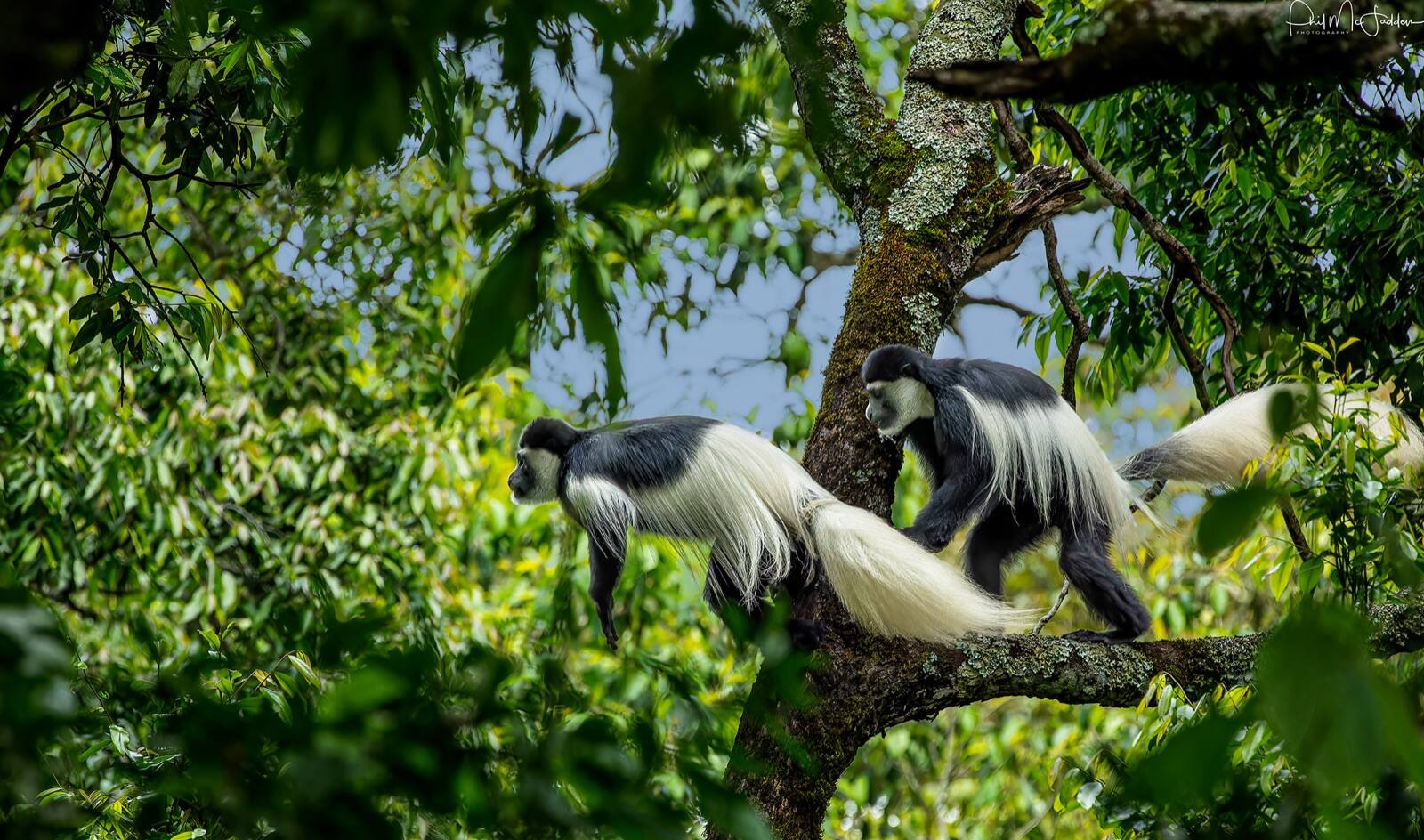
Arusha is a good place to spend a day before or after a safari, and you can do it with confidence if you plan it. A visit to the Maasai market, a coffee estate tour, a craft stop and a lunch in a garden restaurant make a pleasant half-day with a guide or driver. Arusha National Park is a short drive away and offers giraffes, colobus monkeys, flamingos on the Momella lakes and views of Mount Meru, with none of the crowds of the bigger parks. Many guests say it was a highlight they had not expected.
If you want to try the local food, choose a busy restaurant, eat freshly cooked dishes and drink only bottled or filtered water. Our guide to tap water explains why. If you want to shop for gifts, bargain politely and pay in cash you have counted. And if you feel uncomfortable at any point, say so and move on; there is no obligation to stay or buy.
Staying overnight: where and how
Most visitors stay at a lodge on the outskirts rather than in the centre. These properties tend to be quieter, greener and set in secure grounds, with staff who can arrange taxis and answer questions. If you stay in town, choose a hotel with 24-hour reception and security, and confirm how to get a reliable taxi at night. Do not accept an offer of a room from someone who approaches you in the street. Book ahead, through your operator or a reputable platform, and check recent reviews.
A good night's sleep helps with the altitude and with jet lag, so plan a gentle first day, with a lie-in, a relaxed lunch and an early night. Arusha can be cool in the evenings, so bring a light jacket. If you need anything, such as a doctor, pharmacy or SIM card, your lodge or operator can point you to a reliable option so you do not need to ask strangers.

A final practical tip: keep a local SIM or eSIM active from the day you arrive. Being able to call your operator, your lodge or a taxi, and to check a map, is one of the simplest safety measures there is. Save your operator's number and your lodge's address offline, share your location with someone you trust when you are out, and keep your phone charged. If anything feels wrong, step into a shop, a hotel or a bank and call for help; there is almost always a safe, public place within a minute's walk.
So, is Arusha safe?
For visitors who take ordinary precautions, yes. Use a taxi at night, keep valuables out of sight, avoid the touts, and book your safari with a licensed company you have checked, ideally before you arrive. These habits solve most of the problems that visitors actually face. If you would like a local view on your plans, including where to stay and how to spend a day in Arusha, we are happy to help, and we are always glad to meet guests at our office.
Planning your arrival? Talk to Sokwe Africa Safaris. We are based in Arusha, we will meet you at the airport, and we are glad to answer any questions about the city before you land.
Frequently asked questions
Is Arusha safe to walk around during the day?
In busy central areas, generally yes with normal city awareness. Keep valuables out of sight, carry only what you need and avoid quiet streets. After dark, take a taxi, even for short distances.
Is Arusha safe at night for tourists?
We advise against walking at night. Use a taxi arranged by your lodge or a trusted driver. Bag snatching and opportunistic theft are the most common problems.
Does Uber or Bolt work in Arusha?
Ride-hailing apps such as Bolt operate in Arusha, but availability and coverage change over time, so check that they work for you before relying on them. Your lodge can arrange a trusted taxi instead.
What are Arusha flycatchers?
Street touts who approach tourists offering safaris, climbs or hotels, often on commission for unlicensed companies. Never book or pay on the street, and always check an operator's licence before you hand over money.
How far is Arusha from Kilimanjaro Airport?
It is roughly an hour's drive, depending on traffic. Most operators meet you at the airport and take you directly to your lodge, which is the simplest and safest option.
Is Arusha a good base for a safari?
Yes. Arusha is the gateway to the northern circuit of Tarangire, Lake Manyara, Ngorongoro and the Serengeti, and most safaris start and finish there. Staying a night on arrival helps you recover from the flight.