
Why you will not find an ordinary hotel in the Serengeti
If you have been searching for a Serengeti hotel, here is the honest answer from a Tanzanian operator: there are no conventional hotels inside Serengeti National Park, and that is precisely what makes staying here so special. What the park offers instead is a rich spectrum of permanent lodges, permanent tented camps and mobile migration camps, scattered across an ecosystem the size of a small country. Choosing well among them — by region, by style and by budget — matters more to the success of your safari than almost any other decision, and this guide walks you through exactly how to do it.
The confusion is understandable. Search online for hotels in Serengeti National Park, Tanzania, and the booking sites will happily list dozens of properties, but every one of them is really a lodge or a camp operating under park rules: no fences, no high-rise buildings, no walk-in trade. Everything is pre-booked, full-board and reached by safari vehicle or light aircraft. Below we explain the three accommodation styles, then work region by region — Seronera and the central Serengeti, the north for river crossings, the south for calving, and the western corridor — with realistic 2026 prices, park fees and booking lead times.
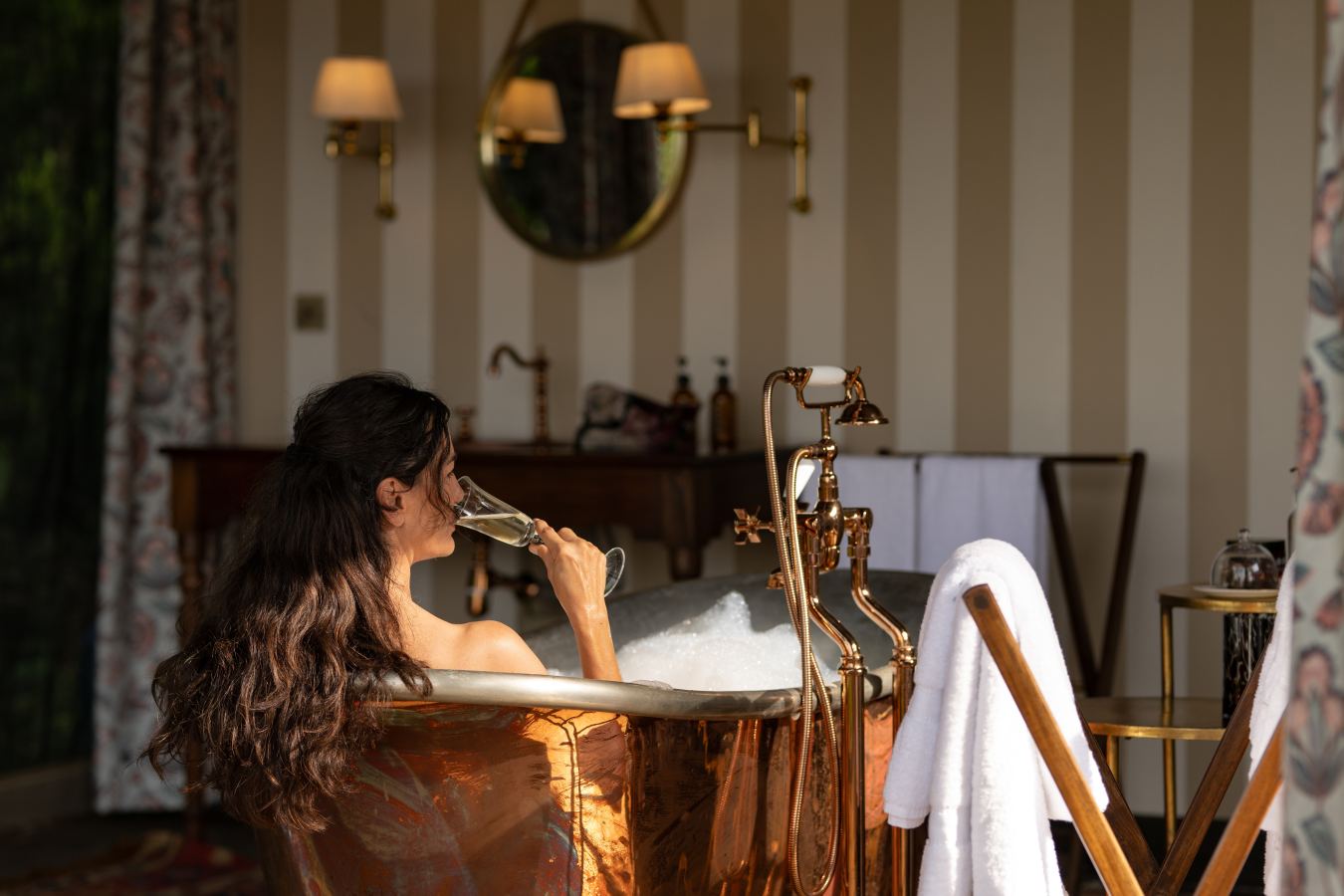
Lodge, permanent tented camp or mobile camp: the three styles explained
A permanent lodge is the closest thing the park has to a hotel in Serengeti, Tanzania terms: a solid building with proper walls, en-suite bathrooms, a restaurant, often a swimming pool and reliable electricity. Lodges suit first-time safari-goers, families with young children and anyone who sleeps better behind a door than behind canvas. The trade-off is atmosphere — a large lodge with sixty rooms can feel a little removed from the bush — and location, because lodges are fixed forever in one spot, usually the central Serengeti, regardless of where the wildebeest happen to be.
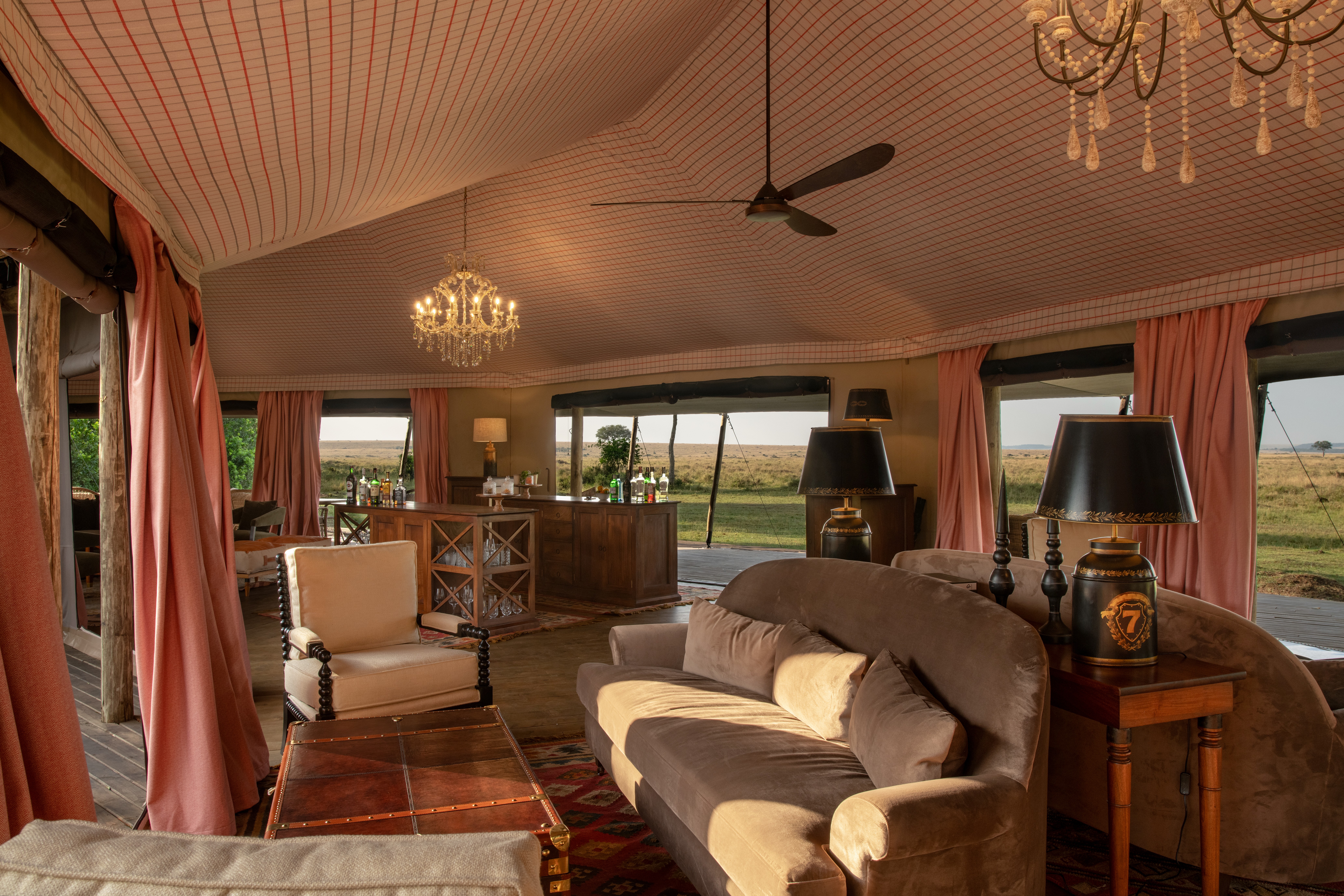
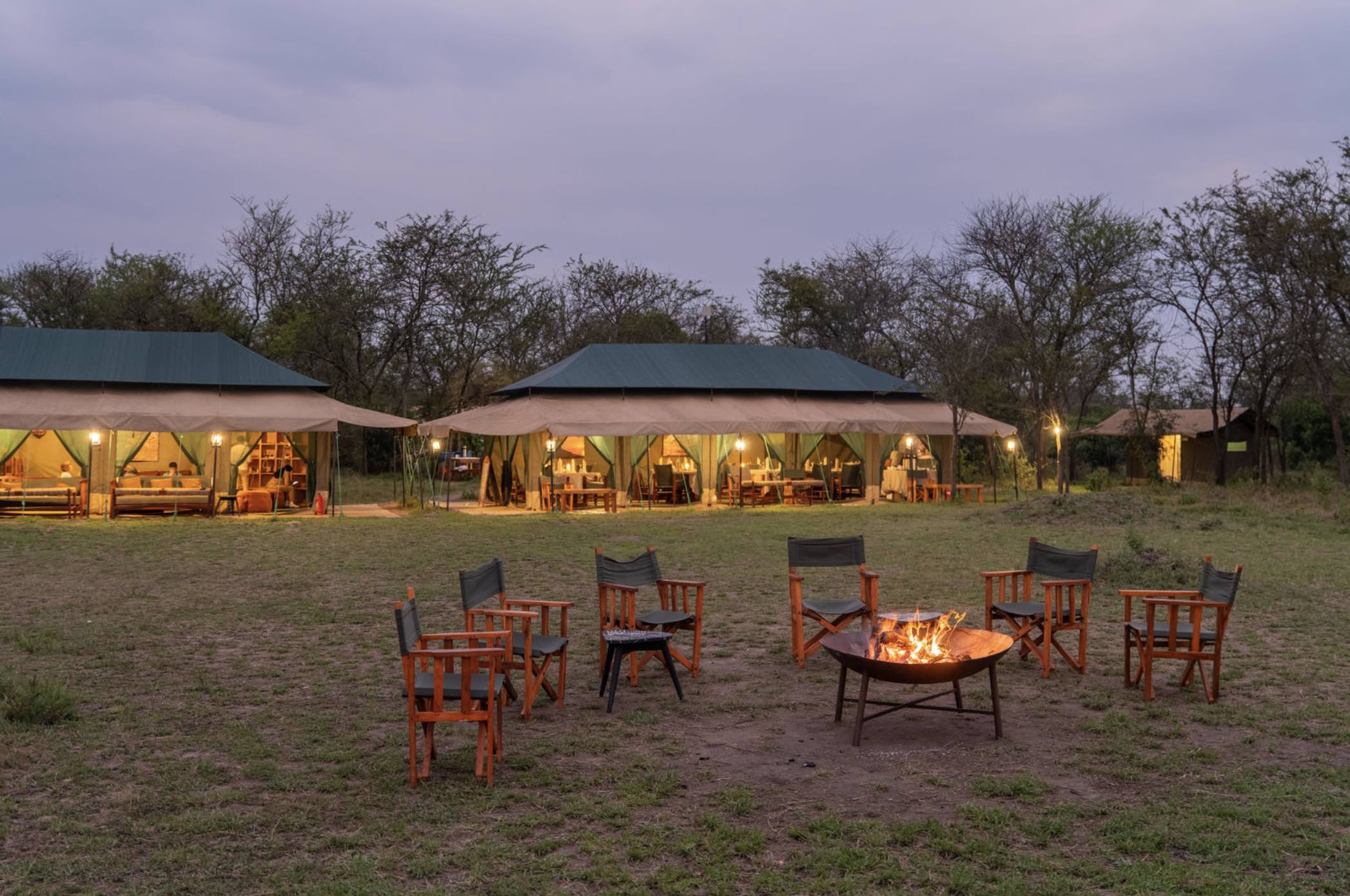
A permanent tented camp splits the difference beautifully, and for many travellers it is the definitive Serengeti experience. The tents are enormous canvas suites on raised decks or stone bases, with real beds, flush toilets, hot showers and often a private veranda, arranged around a comfortable mess tent. You fall asleep to lion and hyena calling beyond the canvas, yet sacrifice almost nothing in comfort. Permanent camps stay in one place year-round, so like lodges they are chosen for a dependably good location — most cluster around Seronera or along the big rivers.
A mobile camp, sometimes called a migration camp, is the specialist's choice. These camps physically relocate two or three times a year to shadow the great migration — typically the southern plains around Ndutu from December to March, central or western Serengeti through the middle months, and the north near the Mara River from July to October. Comfort ranges from simple dome tents on budget camping safaris to genuinely luxurious tented suites. The huge advantage is proximity: when the herds are on your doorstep you spend your hours watching wildlife rather than driving to it.
Central Serengeti and Seronera: the year-round classic
The Seronera Valley in the central Serengeti is the park's beating heart and the single most reliable place to base yourself in any month. The Seronera River holds water all year, which anchors an extraordinary density of resident game: this is arguably the best place in Africa to see leopard, and lion, cheetah, elephant, buffalo and giraffe are all but guaranteed. Because the game viewing never really switches off, the central Serengeti carries the widest choice of accommodation, from large lodges through mid-range tented camps to a handful of genuinely exclusive small properties.
The central region is also the most practical. Seronera has the park's busiest airstrip, with daily scheduled flights from Arusha, and it sits a manageable drive from the Naabi Hill gate for travellers arriving by road from Ngorongoro. The honest downside is company — in July and August the famous Seronera leopard trees can draw a queue of vehicles. Our usual advice at Sokwe is to use the centre as your anchor for two or three nights, then add a second camp in whichever region the migration currently occupies, which is exactly how our best itineraries are built.
Northern Serengeti: where to stay for the river crossings
From roughly July to October the drama moves north, to the Kogatende and Lamai areas along the Mara River, where the wildebeest make their famous plunging crossings through crocodile-filled water. This is the Serengeti of the documentaries, and to see it properly you must sleep in the north — it is a five- to six-hour drive from Seronera, far too much to attempt as a day trip. The northern camps are almost all tented, a mix of permanent properties on the Lamai Wedge and seasonal mobile camps that pitch near Kogatende for the crossing months only.
The north is remote, which keeps vehicle numbers refreshingly low compared with the Masai Mara across the border, but it also means demand for its limited beds is ferocious. Crossing-season space at the best-positioned camps sells out twelve to eighteen months in advance, and fly-in access via the Kogatende airstrip is effectively essential for shorter itineraries. A word of managed expectation from long experience: crossings are unpredictable, and patient travellers who give the north three nights see far more than those who allow one, so build your nights accordingly.
Southern Serengeti and Ndutu: the calving season
From December to March the herds gather on the short-grass plains of the southern Serengeti and the neighbouring Ndutu area of the Ngorongoro Conservation Area, and in a concentrated window around February some 8,000 wildebeest calves are born every day. The predator action that follows is the most intense of the entire migration cycle — cheetah on the open plains, big lion prides, and hyena clans working the nurseries. Photographers and repeat safari-goers often rate calving season above the crossings, and it falls conveniently in the northern-hemisphere winter holidays.
Accommodation in the south is dominated by seasonal and mobile camps, because the spectacle only lasts a few months; several excellent operations pitch around Ndutu and Kusini from December and strike camp by April. A southern camp pairs naturally with the Ngorongoro Crater, barely two hours away, making calving-season itineraries efficient as well as spectacular. Note that camps on the Ndutu side sit within the Ngorongoro Conservation Area, which levies its own daily fees — one of many small print details a good operator handles for you invisibly.
The western corridor and the quieter corners
The western corridor, following the Grumeti River towards Lake Victoria, is the Serengeti's connoisseur choice. The migration pushes through between roughly May and early July, when the herds face the Grumeti's famously outsized crocodiles, and the corridor's handful of lodges and camps — including some of the most exclusive in Tanzania on the private Grumeti concessions — see a fraction of Seronera's traffic. Even outside the migration window, resident game along the river is strong, and travellers who value solitude over box-ticking often name the west their favourite region. It suits second-time visitors and longer itineraries especially well, typically combined with a central Serengeti base.
What a Serengeti lodge or camp costs in 2026
Realistic 2026 numbers, per person per night sharing, full board with game drives included in most cases: budget camping safaris using public campsites run from about US$200 to US$300 including vehicle and guide; mid-range permanent tented camps and the larger lodges sit around US$350 to US$650; premium tented camps and boutique lodges occupy the US$700 to US$1,200 band; and the top private-concession properties in the west and north run US$1,500 to US$2,500 or more. Mobile migration camps generally price mid-to-premium, with a meaningful premium for crossing-season months in the north.
On top of accommodation come park fees, which surprise many travellers. Serengeti entry for non-resident adults is US$70 per person per 24 hours plus 18 per cent VAT — call it roughly US$83 — dropping to around US$70 all-in during the mid-March to mid-May low season, and staying overnight inside the park adds a concession fee of about US$71 per person per night. A couple on a four-night Serengeti stay can therefore expect well over US$1,200 in government fees alone. Reputable operators, Sokwe included, quote fully inclusive prices so the figure you approve is the figure you pay.
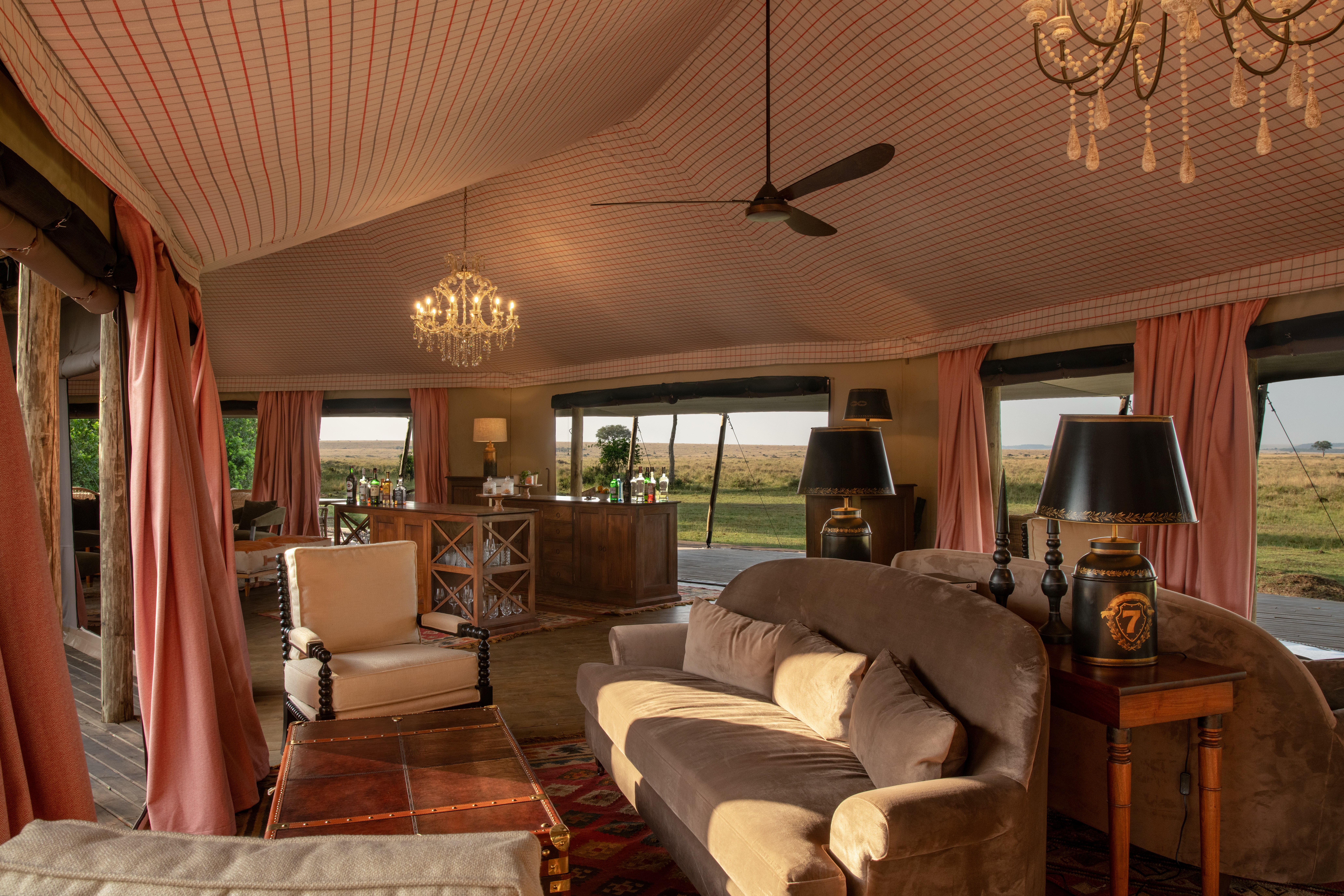
See also our luxury Serengeti safari.
See also our luxury tented camps in Tanzania.
More on this in Four Seasons Safari Lodge Serengeti: what to know before you book.
See also our guide: Ndutu Safari Lodge: the calving-season classic.
When to book: lead times that actually apply
The Serengeti is not a destination you can book like a city hotel, because the supply of beds inside the park is deliberately capped and the demand is global. For the northern crossing season of July to October, the best-positioned camps genuinely sell out twelve to eighteen months ahead, and calving-season space around Ndutu for February goes nine to twelve months out. Christmas and New Year departures anywhere in the park need similar notice. For shoulder months such as June or November, four to six months is usually comfortable, and the April to May green season can often be arranged within weeks.
Booking early is not merely about availability — it is about quality of position. Two camps can sit in the same region at the same price, yet one is twenty minutes from the river crossings and the other ninety, and the closer camp always fills first. Early booking also secures scheduled flight seats between airstrips, which are as capacity-limited as the camps, and it locks in current rates before the annual price revisions that most Tanzania safari lodges apply each July. Late planners are not doomed, but their choices are made for them.
- Central Serengeti and Seronera — best year-round game, widest choice, busiest
- North and the Mara River — river crossings July–October, book 12–18 months out
- South and Ndutu — calving December–March, mostly seasonal camps
- Western corridor — Grumeti crossings May–July, exclusive and quiet
- Budget from about US$200 pp/night, luxury US$1,500+
- Park fees add roughly US$150 pp per day inside the park
Matching the camp to the itinerary: how Sokwe does it
After years of placing travellers across this ecosystem, our conviction at Sokwe Africa Safaris is that the right question is never simply which is the best Serengeti lodge, but which lodge or camp is best for your dates, your route and your budget. A superb northern camp is a poor choice in February when the herds are 200 kilometres south; a big central lodge is perfect for a family in June and wrong for a honeymoon couple chasing solitude. We start from your travel dates, map where the migration should be, then shortlist properties we have personally inspected in the right region and band.
The craft lies in combinations. A classic week might pair three nights at a Seronera tented camp for resident predators with three nights at a mobile migration camp in whichever region holds the herds, connected by a short scheduled flight rather than a long drive. Travellers weighing canvas against walls in more depth should read our camps vs lodges guide, and our round-up of Serengeti safari tours shows how these building blocks assemble into complete itineraries with Ngorongoro, Tarangire and Zanzibar.
There is no hotel in the Serengeti — and once you have fallen asleep under canvas with lions calling in the dark, you will understand why nobody misses one.
Let us shortlist the right Serengeti camps for you
Choosing where to stay in the Serengeti comes down to three honest questions: when are you travelling, what style of accommodation lets you sleep happily, and what is your realistic nightly budget once park fees are counted? Answer those and the shortlist almost writes itself — a Seronera lodge or tented camp as your anchor, plus the northern, southern or western camp that puts you beside the migration on your specific dates. Tell us your dates and budget and we will shortlist the right Serengeti camps for your safari, with transparent, fully inclusive pricing and camps we know first-hand. Contact Sokwe Africa Safaris today and let an Arusha-based team turn the Serengeti's bewildering choice into a simple, confident booking.
Plan your Serengeti safari with Sokwe Africa Safaris