
People who search for "which Tanzania safari is best" are rarely after a single answer. They want to know what the choices are, how they differ and which one suits them. Tanzania is unusually rich in safari options, with famous parks in the north, wilder and quieter parks in the south and west, and a coastline and islands for a beach finish. That variety is wonderful, and it is also why planning can feel bewildering. This guide sets out the main options in plain English, what each does best and how to match one to your priorities, so that you can have a sensible conversation with any operator.
The short answer
For most first-time visitors, the best safari is a well-paced journey around the northern circuit, which links Tarangire, Lake Manyara, Ngorongoro Crater and the Serengeti. It has the highest concentration of wildlife, the best infrastructure and the Great Migration, and it is easy to reach from Arusha. For travellers who want fewer people, a wilder feel and walking or boat safaris, the southern parks of Ruaha and Nyerere are outstanding. For primates and remote beauty, the western parks of Mahale and Gombe offer chimpanzees. The best choice depends less on which is objectively superior than on what you want from the trip.
The northern circuit: the classic
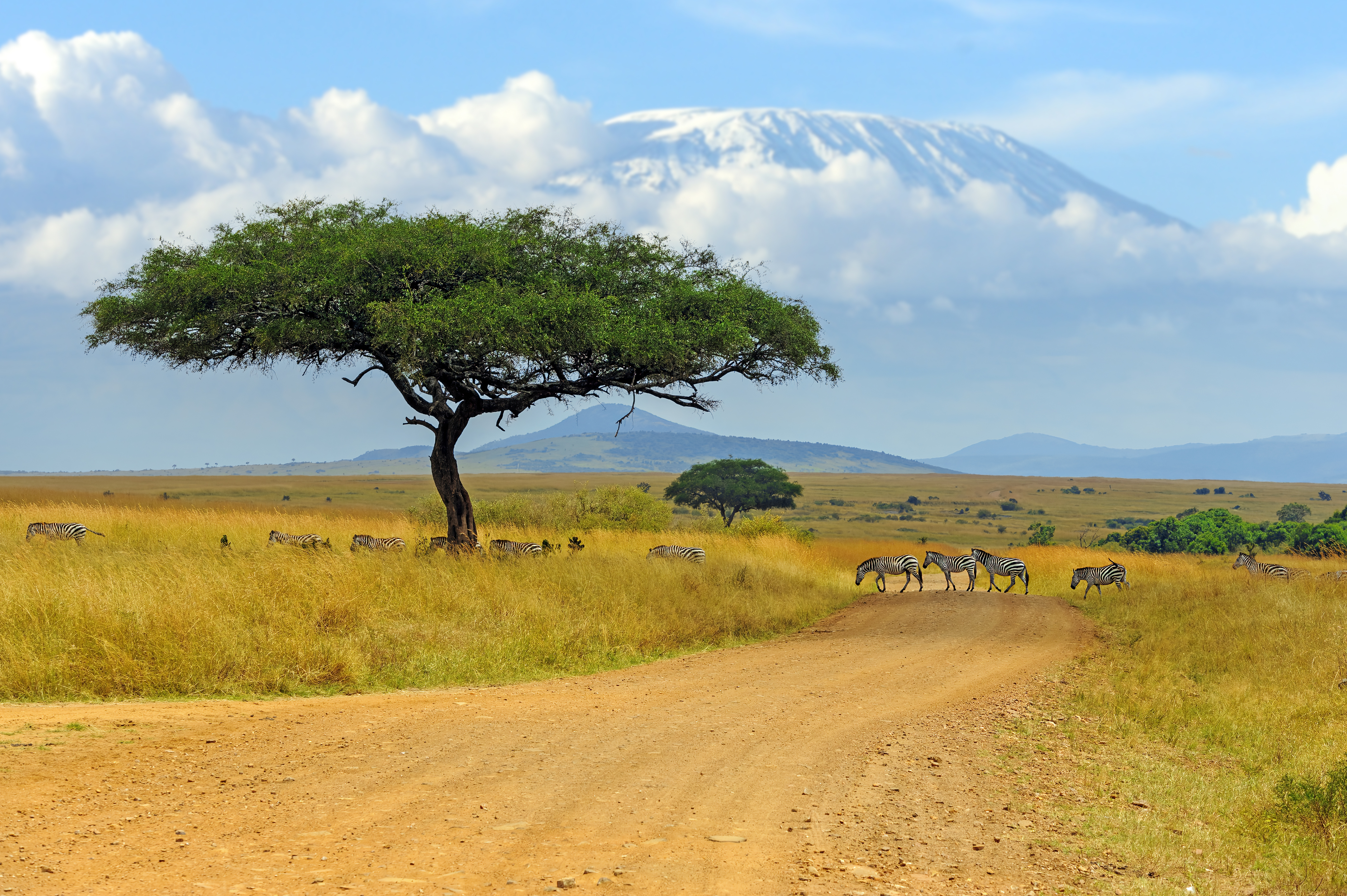
The northern circuit is the most visited and the best developed, and it deserves its reputation. Tarangire is known for large elephant herds and baobab trees, especially in the dry season. Lake Manyara is a compact park with a mix of habitats and, famously, tree-climbing lions. Ngorongoro Crater offers dense wildlife on a spectacular caldera floor. The Serengeti, the heart of the circuit, is vast, with year-round wildlife and the wildebeest migration moving through it in a cycle across the year.
Its strengths are variety, reliability and convenience. You can see an enormous range of animals in a short time, there is a wide choice of accommodation from camps to luxury lodges, and a seven or eight-day trip can cover several parks. Its weaknesses are popularity and crowds at certain sightings, particularly in the dry season and at places like the crater and the main river crossings. A good guide and sensible timing reduce this, and quieter corners of the Serengeti, such as the north in the right season or the west, give a more remote feel.
The southern circuit: Ruaha and Nyerere
Ruaha National Park, in the centre-south, is Tanzania's largest national park, with rugged, dry scenery, baobabs and a strong population of lions, elephants and large antelope such as greater kudu. It is known for fewer visitors, a remote atmosphere and good predator viewing. Nyerere National Park, in the south-east, is dominated by the Rufiji River and its lakes, and offers boat safaris, walking safaris and a very different landscape from the northern plains. Both are reached mostly by light aircraft.
The southern parks reward travellers who want solitude and variety of activity, and who have already seen the northern classics or want something different. They are generally less convenient and often more expensive for what you see, because of the cost of flights and the remoteness of the camps. They do not have a migration spectacle comparable to the Serengeti, so first-time visitors who are hoping for that usually start in the north. Many returning guests choose the south for a second trip.
Compare in more detail: Tanzania safari itinerary, southern Tanzania safari guide, best time to visit, how many days you need, chimpanzee trekking and our private Tanzania safari options.
The western circuit: chimpanzees and remote shores
In the far west, on the shores of Lake Tanganyika, Mahale Mountains and Gombe Stream national parks offer something different: chimpanzee trekking in forest, with swimming and snorkelling in one of the world's deepest and clearest lakes. These are remote, expensive and usually combined with other trips, since access is by light aircraft or by boat and the camps are small. They suit travellers who are specifically interested in primates and in a very quiet, wild setting, and who have time and a generous budget.
They are not a substitute for a classic safari, because they do not offer the plains game and big cats of the north or the south. Many guests who go to the western parks do so as an extension after a traditional safari. If chimpanzees are your priority, talk to us early, because the best camps are small and book out, and the timing and logistics need careful planning. Our existing guide on chimpanzee trekking in Tanzania sets out what to expect.
Matching a safari to your priorities
If you want the Great Migration, the northern Serengeti around the Mara River is the place from roughly July to October, and the southern Serengeti and Ndutu is the place for the calving season from around January to March. If you want the highest chance of seeing a wide range of animals in a first safari, choose the northern circuit and allow enough nights. If you value solitude, walking and boat safaris and a less-visited feel, consider Ruaha or Nyerere. If you are a keen photographer, ask for a private vehicle and a route that gives plenty of time at each sighting.
If you are travelling with children, the northern circuit is usually easiest because of shorter distances and a wider choice of family-friendly lodges, and a safari with fewer camp changes works best. If you are celebrating a honeymoon or anniversary, think about a mix of a wilderness camp and a beach stay. If you have limited time, choose one or two areas rather than trying to see everything, because a rushed itinerary is the commonest reason people say a safari was not quite right.
How long to go for
As a rule of thumb, four to five nights is the minimum for a satisfying northern circuit safari, since fewer than that leaves little time once travel is counted. Six to eight nights allows you to see Tarangire or Manyara, Ngorongoro and the Serengeti at an unhurried pace, and is the most popular length for first-time visitors. Ten days or more suits those who want several areas of the Serengeti, a mix of north and south or a beach extension. For the southern and western parks, plan for at least four nights because the flights and distances take time.
More days are not always better. A safari is tiring, with early starts and a lot of looking, and many guests find that after about a week they are ready for a change of pace. A beach stay in Zanzibar or a quiet few days in a lodge is often a better use of extra time than a further park. Our guide on how many days you need explains this in more detail, and we are glad to talk through the trade-offs for your dates.
When to go
Tanzania can be visited all year, but the best time depends on what you want. The dry season, roughly June to October, offers excellent game viewing, easier roads and the migration in the north, though it is the busiest and most expensive time. The green season, roughly November to May, is lush and quieter, with lower rates, newborn animals and excellent birding, though showers are likely and some camps close in April and May. January to March is the calving season in the south, which many photographers love.
The southern parks are best in the dry season, when animals gather at the rivers and visibility is excellent, and many camps there close in the wet months. The western parks have their own pattern, with chimpanzees most easily seen in the drier months. Whichever circuit you choose, book early for the peak months, and be realistic about the weather and the movements of the herds, which no operator can promise. We are happy to tell you what is likely at your dates.
Budget, style and how you travel
The same destination can be experienced in very different ways, from simple camping to private luxury camps with their own vehicles and guides. The style you choose affects the cost as much as the place. We run private safaris, which means your party has its own vehicle and guide and sets its own pace, which many guests feel is the single biggest factor in the quality of a trip. Our cost guides explain the ranges, and we encourage you to compare quotes that list exactly what is included.
Be wary of anyone who says one safari is simply the best. A good operator will ask about your interests, your fitness, your budget, how long you have and what you most want to see, and will then suggest options and explain the trade-offs. They will tell you honestly what is a good fit and what is not. If you receive a standard itinerary before anyone has asked you a question, that tells you something about how the company works.
Common mistakes when choosing
The most frequent mistake is trying to cover too much, with a new camp every night and long drives between them. A second is choosing by price alone, which can mean crowded shared vehicles or accommodation outside the park. A third is picking the wrong season for the animals you most want to see, such as hoping for river crossings in March. A fourth is leaving the booking too late, particularly for peak months and the best camps. Talking to an operator early, and being clear about your priorities, avoids nearly all of them.
Our view
If we had to name a single safari for a first-timer with about a week to spare, it would be the northern circuit, taking in Tarangire, Ngorongoro and the Serengeti, with extra nights in the Serengeti and a start or finish at a comfortable lodge near Arusha. For a second visit, we would suggest the south or a different part of the Serengeti in a different season. For a special interest, we would build around it. There is no wrong answer, only a better or worse match, and we are glad to help you find it.
Tell us what you most want to see and when you can travel, and we will recommend the safari that fits. Talk to Sokwe Africa Safaris.
Frequently asked questions
Which is the best safari in Tanzania for first-timers?
For most first-timers, the northern circuit of Tarangire, Lake Manyara, Ngorongoro and the Serengeti. It offers the greatest variety of wildlife, the best infrastructure and the migration, and it is easy to reach from Arusha.
Is the northern or southern circuit better?
Neither is better in every way. The north is more varied, more convenient and has the migration, while the south is wilder and quieter, with walking and boat safaris. Many first-timers choose the north and return for the south.
Does Tanzania have safari?
Yes. Tanzania is one of the world's leading safari destinations, with parks such as the Serengeti, Ngorongoro, Tarangire, Ruaha and Nyerere, and the annual wildebeest migration.
How many days do I need for a Tanzania safari?
Four to five nights is the minimum for a satisfying northern circuit safari, and six to eight nights is the most popular for first-timers. Longer suits several regions or a beach extension.
What is the best month for a Tanzania safari?
It depends on what you want. June to October is the classic dry season with the best game viewing, while the green season offers lower rates and fewer visitors. January to March is calving season in the south.
Is a private safari better than a shared one?
Many guests find a private vehicle and guide gives the best experience, since you control the pace and the stops. We run private safaris only, and we are glad to explain how they work.