
Zanzibar is more than a beach — how this list works
Ask most operators about activities to do in Zanzibar and you will get the same brochure list, with everything described as unmissable. It is not. Some Zanzibar experiences genuinely justify a day of your holiday; others are photo stops dressed up as excursions. We send guests to Zanzibar island every week after their safaris, we hear the feedback on every trip, and this list ranks fifteen experiences honestly — what each one costs, when to do it, how to book it, and whether we would spend our own money on it.
A quick note on how Zanzibar works before the list. The island is larger than it looks: Stone Town to the east-coast beaches takes about an hour by road, and to Nungwi in the far north around ninety minutes. Most excursions are cheapest booked through your hotel or a local operator a day or two ahead rather than from abroad, and prices are almost always quoted in US dollars. Seas are calmest and clearest from around December to March and June to October; the long rains in April and May are best avoided for boat trips.
The unmissables: numbers 1 to 3
1. Get lost in Stone Town
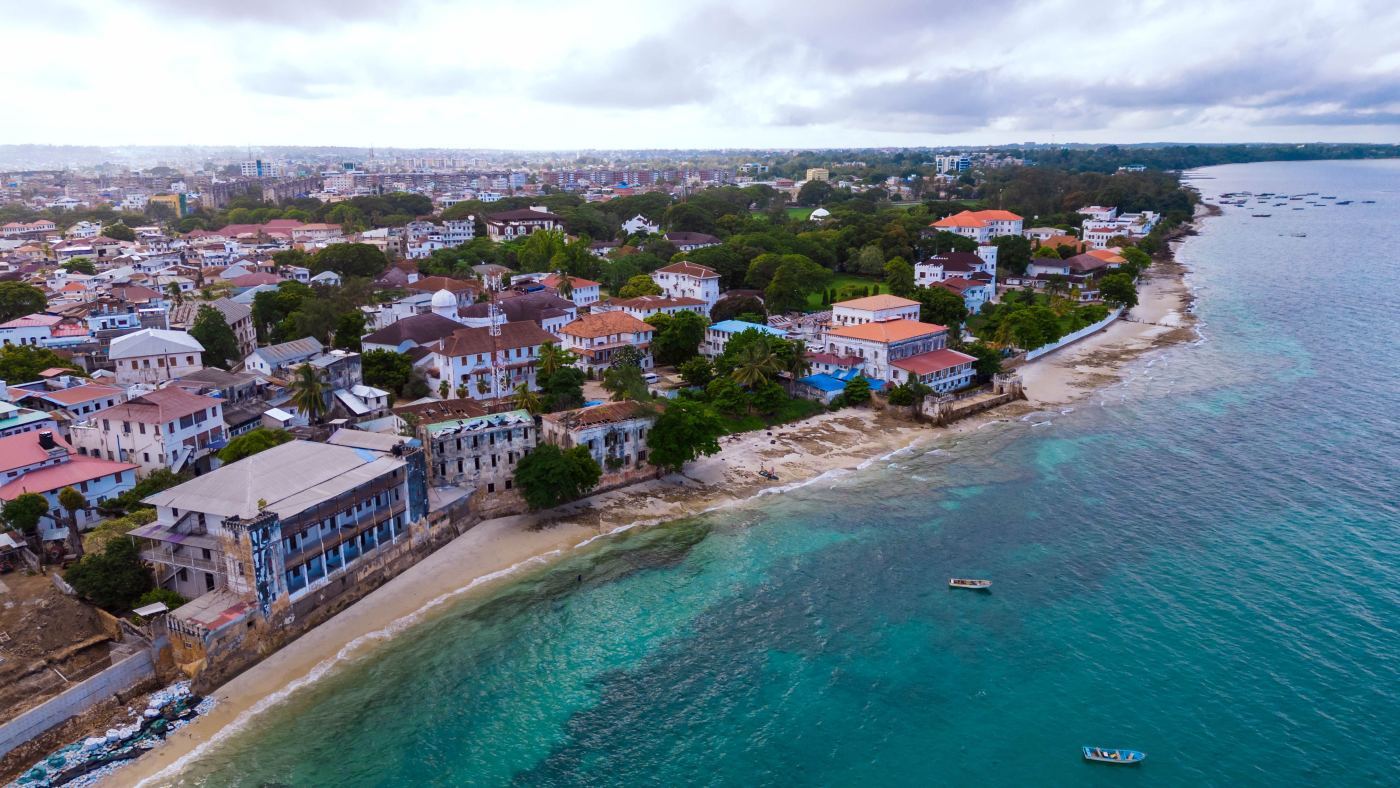
Stone Town is the cultural heart of Zanzibar and the single best free thing to do on the island. The old quarter is a maze of carved doors, coral-stone merchant houses, mosques and bazaars layered with Omani, Indian and Swahili history, and the right way to see it is simply to wander and get mildly lost for two or three hours. Go early morning or from four in the afternoon when the heat drops and the light turns golden. A good guided walk costs 25 to 40 dollars and is worth it for the history, including the sobering slave-market memorial.
2. Take a spice farm tour
The spice tour sounds like a tourist cliché and is actually one of the best-value half days on the island. Zanzibar built its wealth on cloves, and the farms around Kizimbani, twenty minutes from Stone Town, grow vanilla, cinnamon, nutmeg, cardamom, turmeric and pepper that your guide will cut, crush and hand you to smell and taste. Tours cost roughly 20 to 35 dollars including hotel pickup and usually a fruit tasting or lunch, and pair neatly with Stone Town in one day. Skip the versions that bolt on a rushed cave swim; the farm is the point.
3. Snorkel Mnemba Atoll
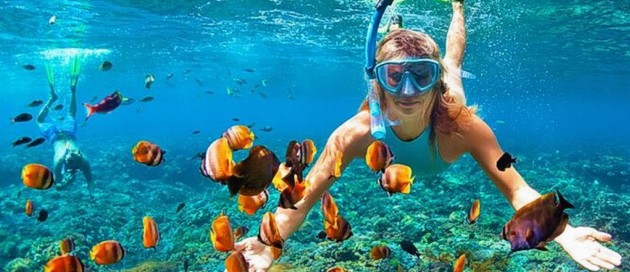
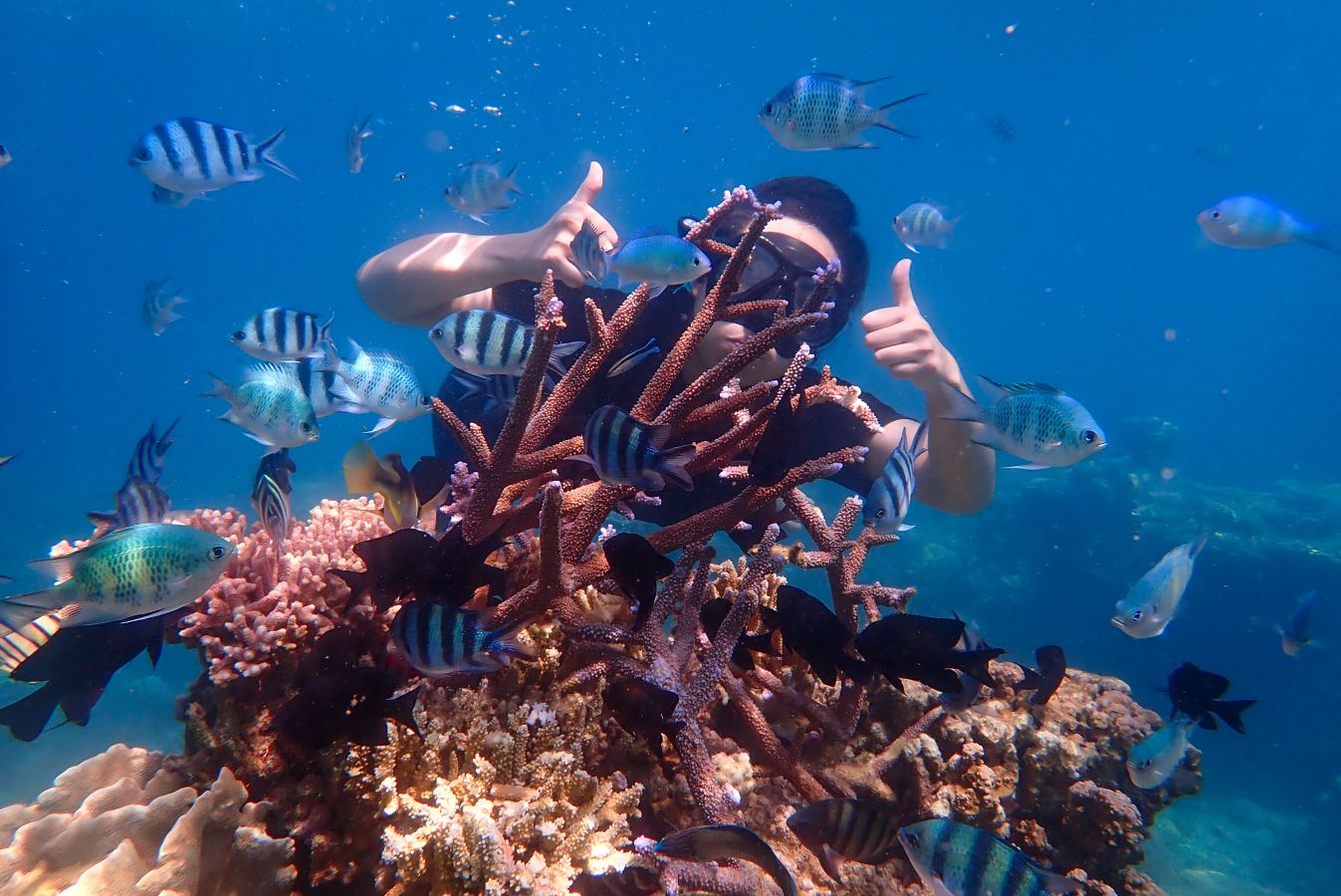
If you do one boat trip in Zanzibar, make it Mnemba. The reef around this private islet off the north-east coast holds the island's best easily accessible snorkelling — dense clouds of reef fish, healthy coral heads and frequent pods of dolphins on the crossing. Boats leave from Matemwe, Kigomani and Nungwi; a shared trip runs 30 to 50 dollars, a private boat from about 150. Go early, on a morning tide, between December and March or June and October for the calmest water. You cannot land on the island itself — anyone promising that is overselling.
Wildlife and water: numbers 4 to 6
4. Meet the red colobus in Jozani Forest
Jozani-Chwaka Bay National Park protects the Zanzibar red colobus, a striking rust-and-white monkey found nowhere else on earth, and sightings are close to guaranteed because habituated troops feed near the trails. The visit takes about ninety minutes: a guided forest walk, the monkeys at often absurdly close range, and a mangrove boardwalk that most visitors skip and should not. Entry with an obligatory guide is around 12 to 15 dollars. Jozani sits on the road to the east coast, so do it in transit between Stone Town and Paje rather than as a separate outing.
5. Sail a sunset dhow
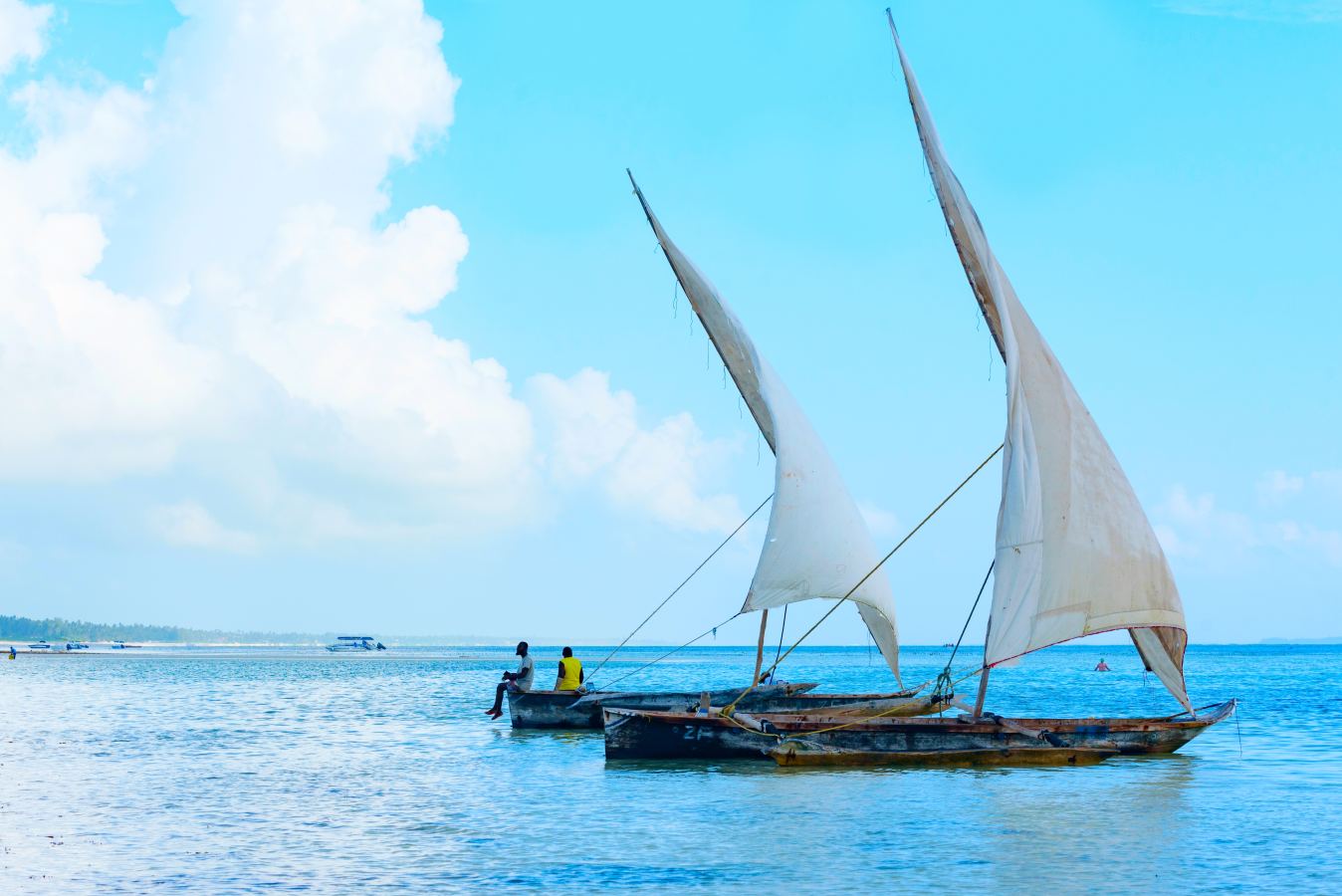
A traditional wooden dhow heeling across flat water at sunset is the Zanzibar image everyone wants, and the experience lives up to it — provided you pick the right version. From Nungwi or Kendwa, where the sun sets over open sea, a shared ninety-minute cruise with drinks costs 25 to 40 dollars; a private charter runs 100 to 200. On the east coast the sun sets behind the land, so save this one for the north or west. Book a day ahead through your hotel and check the boat is an actual sailing dhow, not a motorboat with a flag.
6. Go diving — properly
Zanzibar is a legitimate dive destination, not just a snorkelling one. Mnemba's outer walls suit all levels, while Leven Bank off the north coast offers big fish, current and depth for experienced divers. Two-tank morning trips cost 100 to 140 dollars with a reputable PADI centre in Nungwi, Matemwe or Paje, and an Open Water course runs 400 to 500 over three to four days — decent value by global standards. Visibility is best December to March. If you are choosing between one snorkel trip and one dive trip, our guide to diving in Zanzibar below breaks down the sites.
The big days out: numbers 7 to 9
7. Safari Blue — with expectations managed
Safari Blue is the famous full-day dhow excursion from Fumba in the south-west: snorkelling, a sandbank swim, a big grilled-seafood lunch and mangrove lagoon, around 60 to 90 dollars all-in. Honest verdict: it is a fun, well-run day, and also a busy one — in high season dozens of boats work the same route, and the sandbank can feel like a beach party. Go on the original licensed operation rather than a cheap copy, go in shoulder season if you can, and treat it as a sociable day out rather than a wilderness experience. Couples seeking quiet should charter privately instead.
8. Prison Island and the giant tortoises
Changuu, better known as Prison Island, is a twenty-minute boat hop from the Stone Town waterfront and its draw is a colony of Aldabra giant tortoises, some over a century old, which you can feed and photograph at close range. Honest verdict: charming but slight. The tortoise sanctuary and a swim take barely two hours, boats are haggled on the beach at around 25 to 40 dollars return plus a small entry fee, and the former prison itself is a shell. Do it as a half-day add-on from Stone Town if you have spare time; do not build a day around it.
9. Kitesurf in Paje
Paje on the south-east coast is one of the best places in the world to learn kitesurfing: a huge, shallow, sandy-bottomed lagoon, steady side-onshore trade winds and a strip of professional schools with international instructors. The wind blows reliably from mid-December to February and again from June to September. A beginner course of six to ten hours costs roughly 250 to 400 dollars, and confident riders can rent full kit for 50 to 80 a day. Even if you never touch a kite, Paje's laid-back beach scene is the liveliest on the east coast and worth a night or two.
Food, culture and the honest rest: numbers 10 to 15
10 to 12. Night market, cooking classes and seaweed farms
Forodhani night market in Stone Town is worth an evening for the spectacle — grills flaring on the waterfront, Zanzibar pizza and sugar-cane juice for a few dollars — but be picky: eat what is cooked fresh in front of you and treat long-displayed seafood skewers with caution. A better food experience is a Swahili cooking class, 40 to 70 dollars for a morning of market shopping and cooking with a local family. On the east coast at Paje or Jambiani, a low-tide walk through the seaweed farms with the women's cooperative, around 10 to 20 dollars, is a genuine and underrated hour of island life.
13. Nungwi beach life
Zanzibar's beaches differ more than the brochures admit. The east coast is spectacular but dramatically tidal, with the sea retreating hundreds of metres twice a day; Nungwi and neighbouring Kendwa in the north are the exception, with deep water for swimming at all tides, sunset views and the island's liveliest bar and restaurant scene. That makes Nungwi the right base for travellers who want to swim off the sand all day, and the wrong one for those seeking solitude. Our full guide to Zanzibar beaches, linked below, matches each coast to a travel style.
14. The Rock restaurant — photo stop, not lunch stop
The Rock, perched on a coral outcrop in the sea off Michamvi Pingwe, is one of the most photographed restaurants on earth, and here is our honest verdict: go for the photograph and a drink, not for the meal. The setting is genuinely magical at mid tide, but mains run 25 to 40 dollars for food that good local restaurants beat at a third of the price, and tables must be booked days ahead in season. If you are staying on the east coast, stop by; do not drive across the island for it.
15. Getting the logistics right
The final item on the list is not an excursion but the thing that makes all the others work: sensible day-trip logistics. Cluster your activities — Stone Town, spice farm and Prison Island from a Stone Town base; Mnemba and dhow cruises from the north; kitesurfing, Jozani and seaweed farms from the east. Taxis between coasts cost 40 to 70 dollars each way, so a two-base itinerary of Stone Town plus one beach coast beats criss-crossing the island. Three full days covers the essentials; five to seven lets you do the list properly without it feeling like a checklist.
What is worth it and what to skip
If you take one thing from this guide on what to do in Zanzibar, let it be this: the island rewards travellers who choose a few experiences and do them well. Stone Town, a spice farm, Mnemba and a sunset dhow form the core of a superb short stay; Jozani, diving, Paje and a cooking class round out a longer one. The traps are mostly overpriced versions of good ideas — motorised sunset cruises, rushed multi-stop tours, and restaurant meals bought for the setting alone — rather than the experiences themselves.
Zanzibar rewards travellers who choose a few experiences and do them properly — not those who try to tick off the whole brochure.
- Unmissable — Stone Town, spice farm, Mnemba snorkelling, sunset dhow from the north
- Worth it — Jozani, diving, Paje kitesurfing, cooking class, seaweed farms
- Fine with expectations managed — Safari Blue, Prison Island, Forodhani night market
- Photo stop only — The Rock
- Best boat months — December to March, June to October
Planning your Zanzibar days
Timing shapes everything on this list. December to March brings hot, calm, clear conditions ideal for Mnemba and diving; June to October is cooler and slightly breezier, perfect after a dry-season safari and prime kitesurfing wind; April and May bring the long rains, when boat trips get cancelled and many hotels close. Most of our guests visit Zanzibar as the beach finale to a northern-circuit safari, flying from the Serengeti via Arusha in a morning, which is exactly how the island works best — active days first, barefoot days to finish.
Budget-wise, the full fifteen-item list above would cost a couple roughly 400 to 700 dollars in activities over a week, excluding diving courses — modest next to safari costs, which is why we encourage guests not to economise on the two or three experiences that matter most to them. Book Mnemba, dhow cruises and The Rock ahead in July, August and around New Year; almost everything else can be arranged on the island within a day.
Let us plan your Zanzibar days properly
We are a Tanzanian operator based in Arusha, and we plan Zanzibar days with the same care we give safari days — matching the right coast, the right excursions and the right operators to how you actually like to travel, and skipping the tourist traps entirely. Whether Zanzibar is your beach finale after the Serengeti or a holiday in its own right, tell us your travel style and dates and we will send you our honest picks from this list, with real prices and the bookings handled. Get in touch through the planning link above and start with a conversation, not a brochure.