
What an African safari package actually is
African safari packages look reassuringly simple from the outside — a number of days, a list of parks, a price per person — but two quotes for the same route can differ by thousands of dollars, and the reason is almost never greed. It is what sits inside the package. A safari is not a hotel booking with a flight attached; it is a bundle of vehicle, guide, park fees, accommodation, meals and transfers priced as one number. This guide, written from Arusha where we build these itineraries every week, takes that number apart.
The word package worries some travellers, who picture coach parties and rigid schedules. In East Africa it means something different. Almost every safari here, including the most expensive, is sold as a package because the logistics demand it — permits are bought in advance, camps sit hours from the nearest town, and a vehicle and guide must be committed to you for the whole trip. Even a fully private, tailor-made safari arrives as a package. The real question is not whether to buy one, but what yours contains.
What is included in a typical safari package
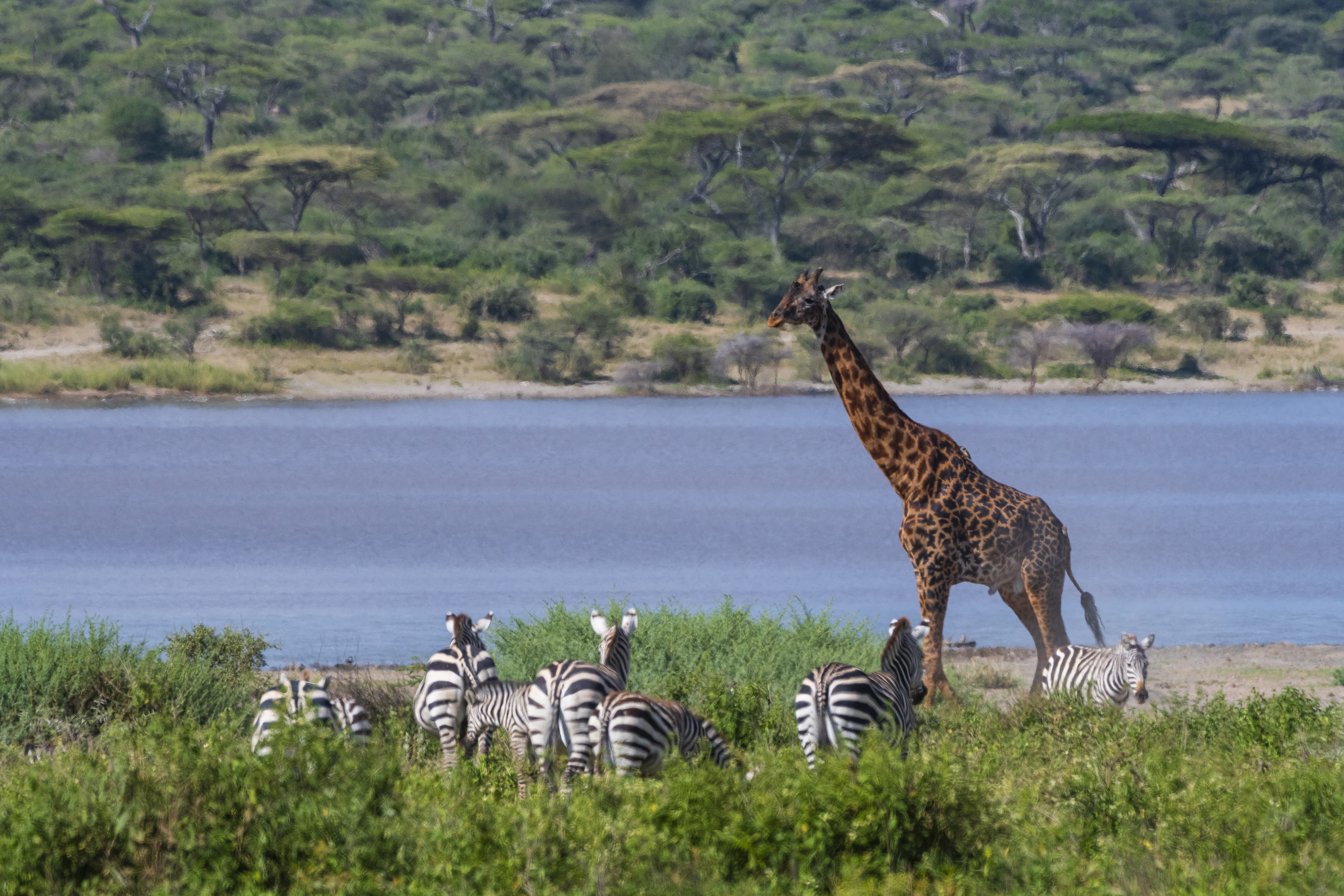
A properly quoted ground package covers six things. First, the safari vehicle — in Tanzania usually a Land Cruiser with a pop-up roof, held for your group alone for the full itinerary, with fuel and unlimited game drives. Second, the guide, who is also your driver and by far the biggest variable in how good your trip feels. Third, park and conservation fees. Fourth, accommodation. Fifth, meals as specified. Sixth, airport transfers at both ends. Everything else is either an extra or a quiet omission.
Park fees deserve their own sentence, because they are the reason African safari packages cost what they do. In 2026 a day inside the Serengeti costs roughly 83 US dollars per adult before anyone has slept or eaten anything, and the Ngorongoro Crater adds a conservation fee plus a per-vehicle descent fee that together push a single crater day well past 400 dollars for a couple. These are government charges, identical for every operator, non-negotiable and non-refundable. When one quote is dramatically cheaper than another, the fees are usually where the difference has been hidden.
- 4x4 safari vehicle with pop-up roof, fuel and unlimited game drives
- Professional driver-guide throughout
- All park, conservation and crater fees
- Accommodation as named in the itinerary
- Meals as specified, usually full board on safari
- Arrival and departure airport transfers
- Drinking water in the vehicle
What safari packages quietly exclude
The exclusions matter more than most travellers expect, because they are where a comfortable budget turns tight. International flights are almost never included in an African safari vacation quote, and from London or New York they will add roughly 900 to 1,800 dollars per person depending on season and routing. Tanzanian visas cost 50 dollars for most nationalities and 100 for US passport holders. Travel insurance is your own arrangement, and on a trip of this value it is not really optional.
Then come the smaller lines that add up. Tips are customary and genuinely expected: budget around 20 to 30 dollars per day for your guide from the group as a whole, plus something for camp staff. Drinks beyond the house selection, laundry at some lodges, and any premium activity sit outside the package too. A hot-air balloon flight over the Serengeti is roughly 599 dollars per person in 2026 — magnificent, and never included as standard. Nor are optional walking safaris, night drives on private land, or Zanzibar extensions unless written in.
- International flights to and from Africa
- Visas, vaccinations and travel insurance
- Tips for your guide and camp staff
- Balloon flights, night drives and other premium activities
- Premium drinks, laundry and personal shopping
- Single supplements if you are not sharing a room
Budget, mid-range and luxury: real 2026 prices
Almost every quote you receive will be expressed per person sharing — that is, the price assumes two people in one room. Solo travellers pay a single supplement, often 20 to 40 per cent, and it is the single most common shock in a first quote. With that understood, safari packages in Africa fall into three fairly honest bands. What separates them is not the wildlife, which is the same for everyone in the same park on the same morning, but where you sleep, how exclusive your vehicle is, and how much of the day you control.
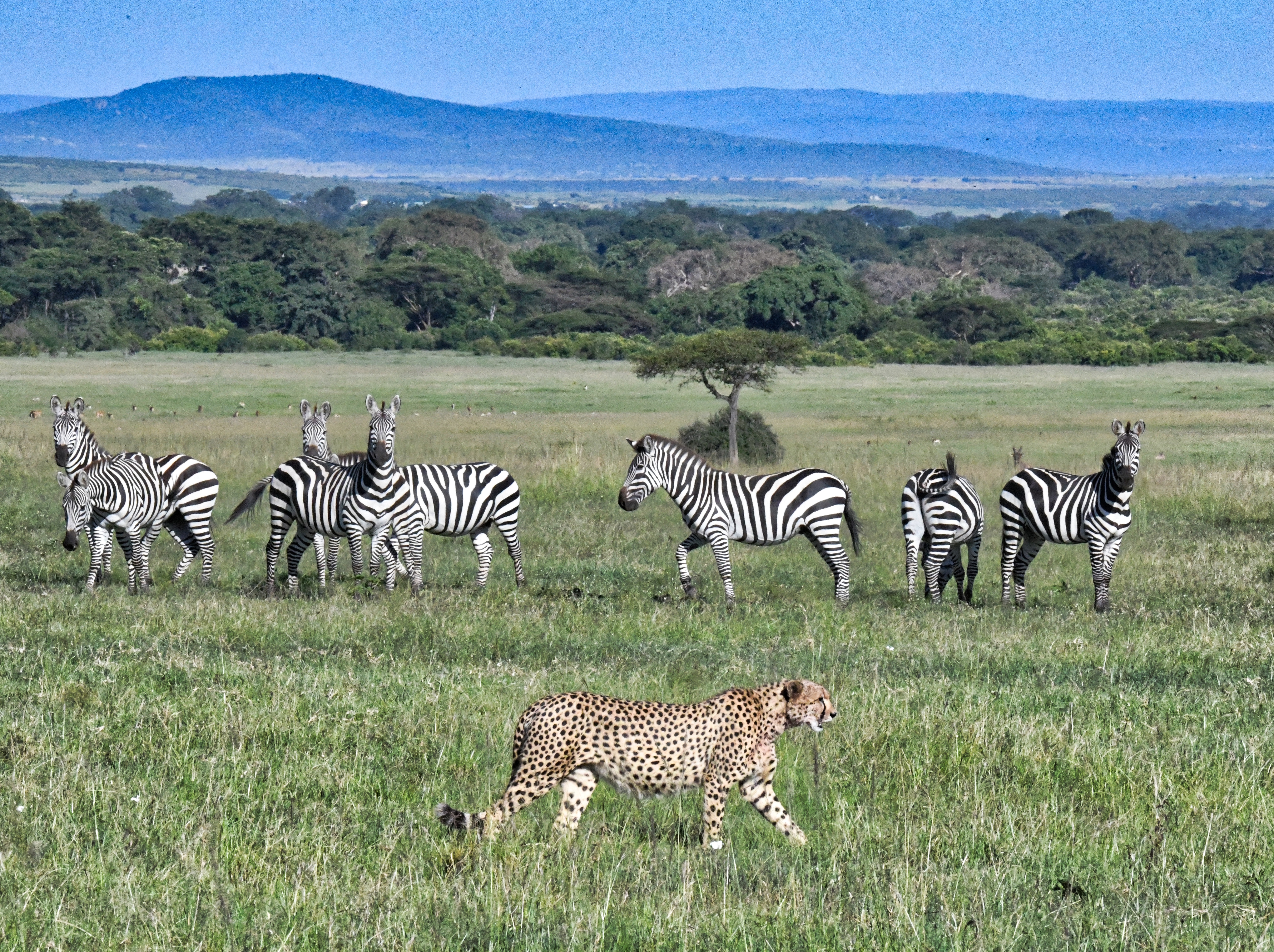
A budget package runs roughly 250 to 400 dollars per person per day. That buys public campsites or simple lodges outside the park gates, a shared vehicle with five or six others, and longer drives because your beds are further from the game. It is a real safari and the animals do not know what you paid. A mid-range package, around 450 to 750 dollars per day, is where most travellers land: comfortable tented camps or good lodges inside or near the parks, a private vehicle, and enough flexibility to stay out with a leopard rather than hurry back for lunch.
Luxury packages begin around 800 dollars per person per day and rise past 1,500 for the best camps in peak migration season, with ultra-luxury properties and fly-in itineraries higher still. Here you are paying for location above all — small camps deep inside the parks or on private concessions, where game drives start at the tent flap and there is no queue at a sighting. Across all three tiers, July, August and the festive fortnight carry peak pricing, while April and May can be a third cheaper.
Sample 5-day, 7-day and 10-day package shapes
Package length changes the shape of a trip more than the brochure suggests, because each park you add costs you a travel morning. A five-day African safari package is the shortest that makes real sense from Kilimanjaro: two nights Serengeti, one night on the Ngorongoro Crater rim, one night in Tarangire or Lake Manyara, with arrival and departure absorbed at either end. It delivers the Big Five and the crater, but it moves quickly and leaves no slack for a slow morning at a lion kill.
Seven days is the length we recommend most often, and it is where a northern-circuit safari stops feeling rushed. Three nights in the Serengeti rather than two is the key difference: it lets you position in the right sector for the migration, spend a full uninterrupted day in the park, and stop chasing checklists. Add the crater, Tarangire and a rest night in Arusha or Karatu and the week has rhythm. Most seven-day mid-range packages in 2026 sit between 3,200 and 5,000 dollars per person sharing, excluding international flights.
Ten days opens the two options that make a safari a holiday rather than an expedition. Either you extend the wildlife — adding the remote northern or western Serengeti, or flying south to Ruaha and Nyerere for boat and walking safaris and near-total solitude — or you finish on the coast, with three or four nights in Zanzibar after the dust. The bush-and-beach ten-day shape is the most requested africa tour package we build, and the short flight from the Serengeti makes it easier than the map suggests.
Group departures versus private packages
A group departure, sometimes called a joining or scheduled safari, puts you in a shared vehicle with strangers on fixed dates and a fixed route. It is the cheapest legitimate way onto the northern circuit and often saves 25 to 35 per cent against a private trip of the same standard. The trade-offs are manageable but real: with six or seven aboard, everyone gets a window seat only some of the time, the day ends when the group agrees, and photographers find the compromise frustrating.
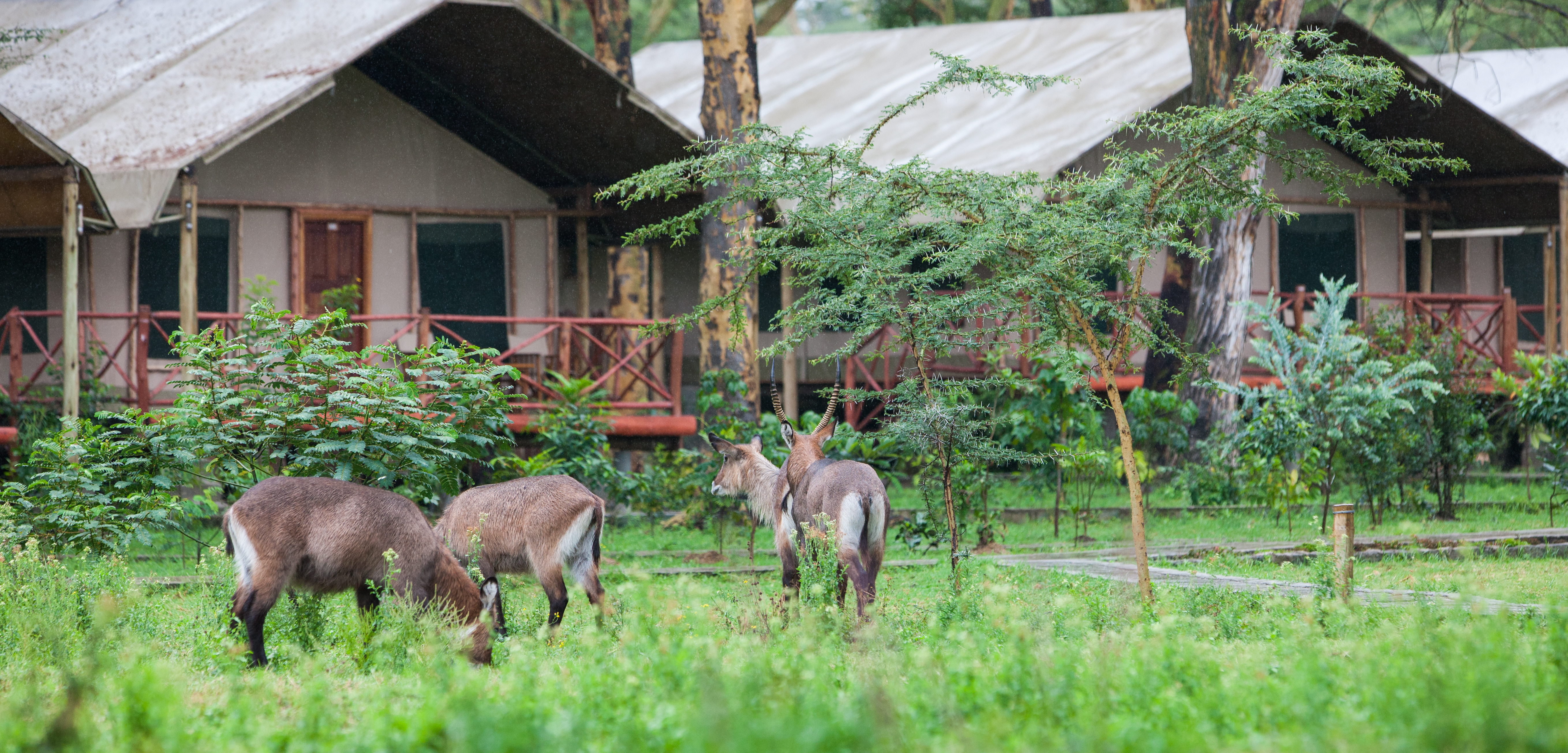
A private package gives you the vehicle, the guide and the schedule. You leave at first light because you want to, stay three hours at a cheetah with cubs, skip a park that does not interest you, and eat when you are hungry. For couples the premium is meaningful; for a family or a group of four to six it often disappears entirely, because the vehicle cost divides across more people. Above roughly four travellers, private safari packages in Africa are usually the better value as well as the better experience.
Fly-in packages and when they earn their cost
Most northern-circuit packages are driven, and the drives are genuinely part of the trip — the Rift Valley escarpment, the Ngorongoro highlands, the moment the Serengeti opens out in front of you. But a fly-in package, using light aircraft between airstrips, buys back a full day or more on a longer itinerary and spares you six hours of corrugated road. Expect roughly 250 to 450 dollars per person per sector, plus a vehicle and guide waiting at the other end.
Our rule of thumb after years of building these: drive the short trips, fly the long ones. On a five-day package, flying costs more than the time it saves is worth. On a ten-day trip reaching the northern Serengeti, the southern parks or Zanzibar, flying is close to essential. A mixed package — drive out through Tarangire and the crater, fly back from the Serengeti — is often the sensible compromise.
How to compare two safari packages fairly
Comparing quotes is only hard because operators present them differently on purpose. Put both quotes side by side and check six things before you look at the price. Are the camps named, or described vaguely as similar or in the category of? Is the vehicle private or shared, and how many seats? Are all park fees included, or payable locally? How many nights are inside the parks rather than outside the gates? Are transfers included, and what does full board actually mean here?
The single sharpest test is where you sleep. A package quoting Serengeti with a lodge in Karatu, two and a half hours from the park gate, is not the same product as one placing you inside the park, however similar the headline reads. The second sharpest is the guide: ask how many years they have worked, whether they are the same guide for the whole trip, and whether they are employed or freelance. Cheap operators cut both of these first, because most travellers do not think to ask.
If one quote is 30 per cent cheaper for the same days and the same parks, something inside it is different — usually the camps, the vehicle or the guide. Find out which before you decide.
Related reading: Best Safaris in Tanzania — Honest Operator Rankings | Sokwe Africa Safari.
Why booking direct with the ground operator wins
Many African safari packages sold abroad are marked up by an agent who then buys the trip from a company like ours in Arusha. The itinerary you receive, the vehicle, the guide and the camps are all local; what the intermediary adds is a commission of typically 15 to 25 per cent, and a layer between you and the people who actually solve problems. A good agent earns their fee on complex multi-country trips, but for a single-country safari it is money spent on distance.
Booking direct with a licensed ground operator means the person quoting you owns the vehicles, knows the camp managers, and can move your itinerary at seven in the morning when the migration shifts fifty kilometres. Whoever you choose, check they hold a valid TALA licence, ask for references from recent travellers in your own market, and never pay a deposit into a personal account rather than a registered company one.
Plan your African safari package
There is no single right package, only the right one for your dates, your budget and how you like to travel. A well-built safari is a series of deliberate trade-offs — a night more in the Serengeti against a night in Tarangire, a private vehicle against a better camp, driving against flying — and those choices are easier to make with someone who has driven the routes and slept in the camps. That is the part Sokwe Africa Safaris does properly, and it is why our quotes are itemised rather than rounded.
Send us your dates, your group size and a rough budget, and you will get back a real itinerary with named camps, itemised inclusions and a real price — not a brochure. If the budget does not stretch to the trip you have described, we will say so plainly and show you what it does buy — a shorter package, a different season, or a mid-range camp in a better location. Write to us and let us build the safari properly.
Frequently asked questions
What is included in a safari package?
A properly quoted ground package covers six things: your 4x4 safari vehicle with fuel and unlimited game drives, your driver-guide, all park and conservation fees, accommodation as named, meals as specified, and airport transfers at both ends. Drinking water in the vehicle is standard too. Everything else, including international flights, visas and tips, sits outside it, so always ask for the quote itemised.
How many days do you need for a safari?
Five days is the shortest northern-circuit safari that makes real sense, giving you two nights in the Serengeti, one on the Ngorongoro crater rim and one in Tarangire. Seven days is what we recommend most often, because a third Serengeti night removes the rush entirely. Ten days lets you add the remote parks or finish on the coast in Zanzibar.
Do you tip on safari?
Yes, tipping is customary in East Africa and genuinely expected. Budget roughly 20 to 30 US dollars per day for your driver-guide from the group as a whole, plus something for the camp staff, who normally share a communal tip box. Tips are never included in the package price, so set the money aside in cash before you travel.
What is the difference between a group departure and a private safari package?
A group departure puts you in a shared vehicle with strangers on fixed dates and a fixed route, and typically saves 25 to 35 per cent. A private package gives you the vehicle, the guide and the schedule, so you leave at first light and stay with a sighting for as long as you wish. Above roughly four travellers the premium largely disappears.
Do solo travellers pay more for a safari package?
Almost always, yes. Safari quotes are priced per person sharing, meaning two people in one room, so a solo traveller pays a single supplement that is often 20 to 40 per cent. It is the most common shock in a first quote. Joining a group departure, or travelling in the April and May value season, softens it considerably.
Is a fly-in safari package worth the extra cost?
It depends on the length of your trip. Light-aircraft sectors run roughly 250 to 450 US dollars per person, so on a five-day package flying costs more than the time it buys back is worth. On a ten-day itinerary reaching the northern Serengeti, the southern parks or Zanzibar it is close to essential. Drive the short trips, fly the long ones.