
What should "luxury" actually mean?
Few words in travel are used as loosely as luxury, and nowhere more so than on safari. Search for luxury safari packages and you will find everything from genuine private, fly-in journeys through hand-picked camps to ordinary group tours dressed up with glossy photography and a higher price. The difference matters enormously, because on safari luxury is not really about thread counts — it is about privacy, flexibility, access and flawless logistics in remote wilderness. This guide decodes what the word should guarantee, what is merely marketing, and what honest 2026 pricing looks like.
We write this as a Tanzanian operator based in Arusha who builds these trips daily, and who regularly meets travellers who paid luxury prices for something that was not. Genuine luxury african safari packages share a consistent anatomy wherever they run — in Tanzania, Kenya or Botswana — and once you know that anatomy, the fluff becomes very easy to spot. By the end of this guide you should be able to read any itinerary and know within minutes whether it deserves the label.
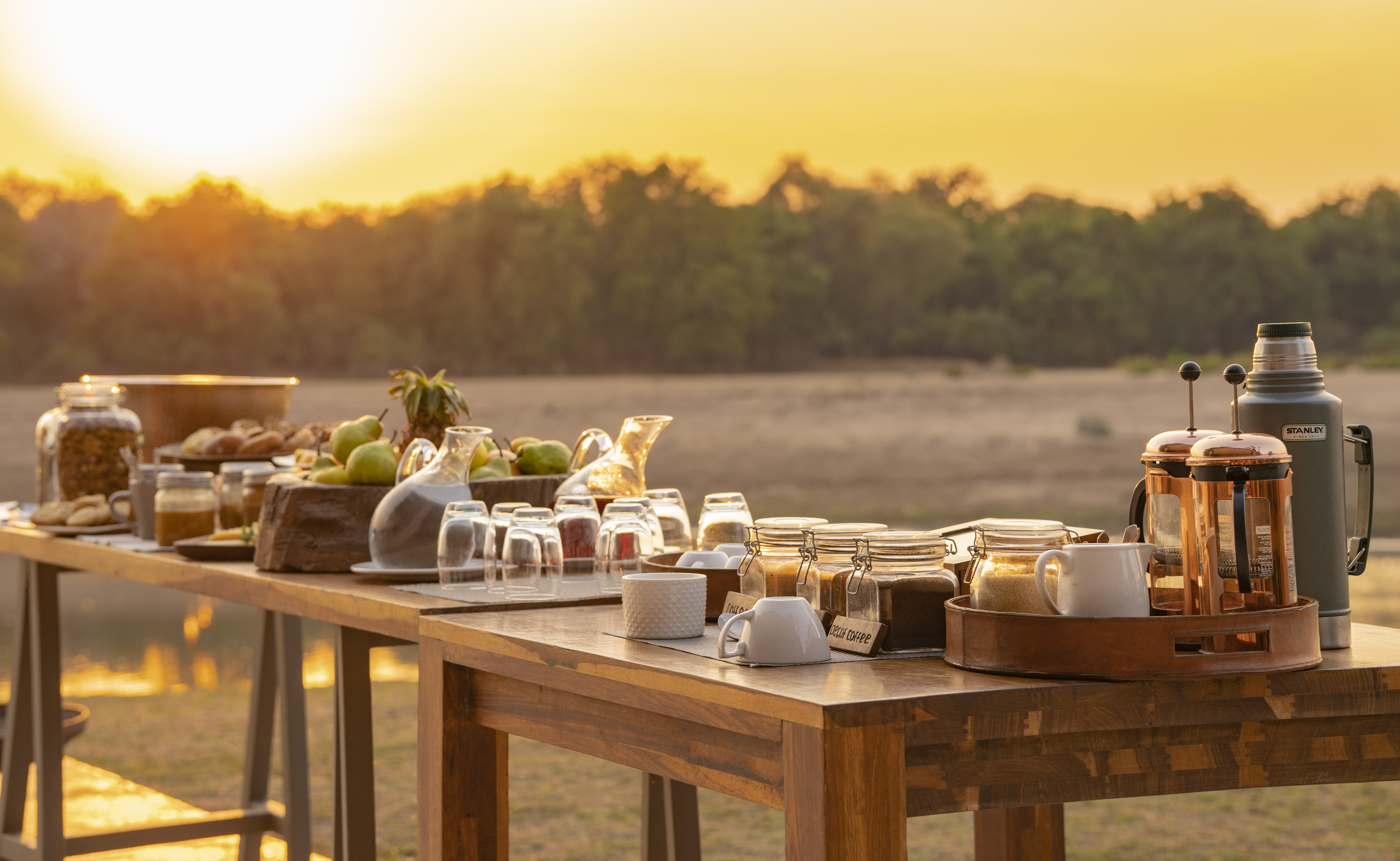
The non-negotiables: what genuine luxury includes
First and absolutely foremost: a private vehicle and a private guide. This is the clearest dividing line in the industry. In a shared vehicle you follow the group's schedule and compromise on every sighting; with your own 4x4 and a senior guide, the day bends entirely around you — dawn starts when the light is best, an extra hour with the leopard because nobody else is waiting. If a package priced as luxury seats you with strangers, it is not a luxury package, whatever the lodges cost.
Second, hand-picked accommodation, not merely expensive accommodation. Tanzania has hundreds of properties calling themselves luxury; perhaps a few dozen genuinely earn it through location, guiding culture, food and service. A proper operator chooses each camp for where the game actually is in your travel month — a mobile camp that follows the migration, a crater-rim lodge for dawn access, an intimate camp in a quiet corner of the Serengeti — rather than defaulting to whichever big property pays the best commission. The right small camp in the right place beats a famous five-star in the wrong one every single time.
Third, fly-in options where they make sense. Luxury is partly the intelligent use of your time, and light aircraft transform a Tanzanian itinerary: Arusha to the central Serengeti is forty-five scenic minutes by air against a long day on the road. The best luxury tanzania packages mix the two deliberately — driving where the journey itself is rewarding, through Tarangire or the Ngorongoro highlands, and flying where it is not. An itinerary that road-transfers you everywhere to protect its margin, then calls itself luxury, is quietly telling you where its priorities lie.
Fourth, seamless ground handling and genuinely all-inclusive pricing. On a real luxury safari you should never touch your wallet or your luggage: park fees, concession fees, domestic flights, drinks, laundry, transfers and a private airport meet-and-greet are all in the price, and every connection has a person responsible for you standing at it. The quoted figure should be the final figure. Vague lines such as "some meals" or "park fees payable locally" are not luxury pricing — they are a budget structure wearing better clothes, and they reliably predict other corners cut elsewhere.
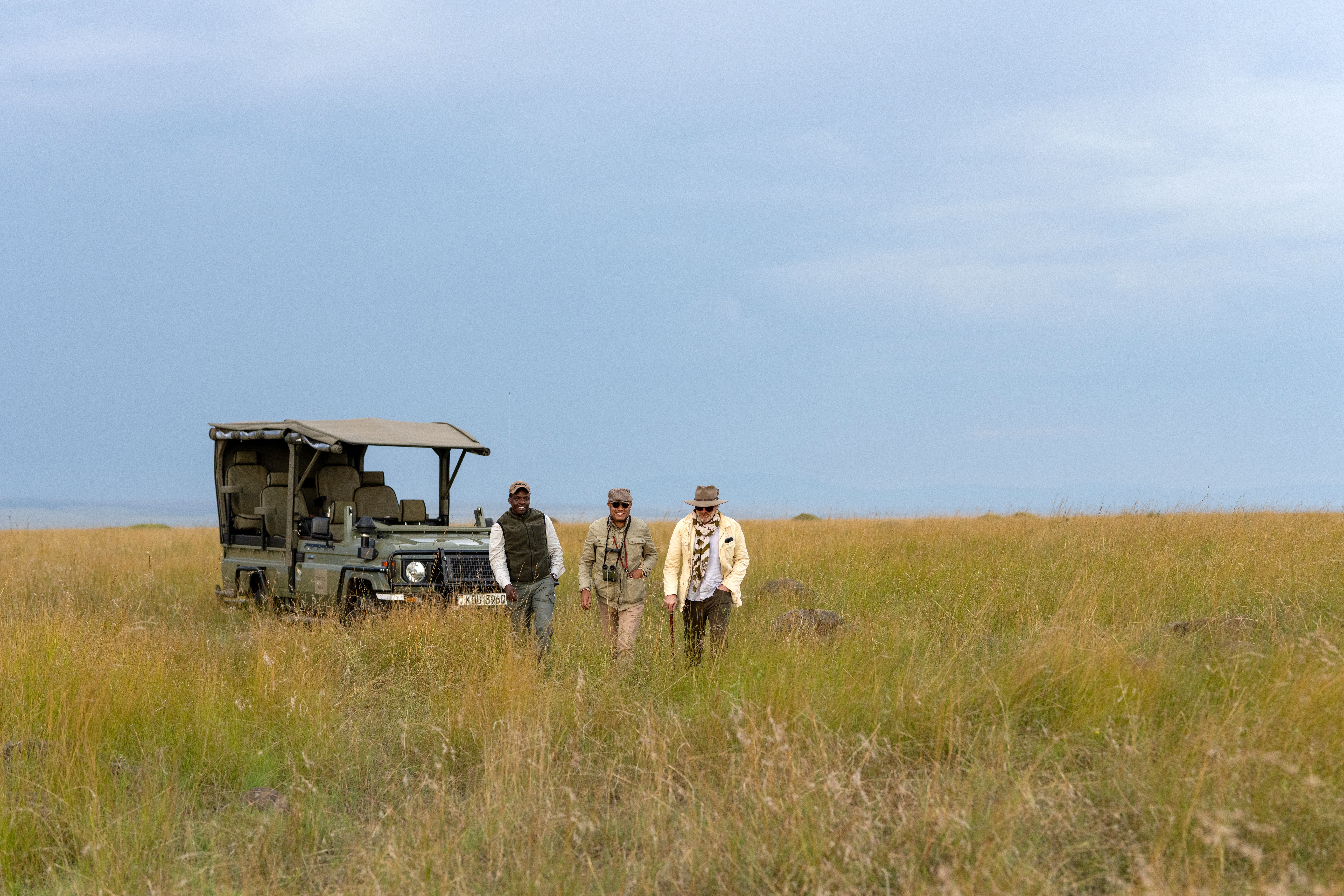
Marketing fluff: red flags in the glossy brochures
Now for the other side of the brochure. The most common trick is borrowed glamour: pages of sundowner and candlelit-dinner photography wrapped around an itinerary that is, structurally, a shared group tour with mid-range lodges. Check the structure, not the pictures — is the vehicle private, are the camps named, are fees included? A second red flag is the unnamed camp: wording like "luxury tented camp, Serengeti area" means the operator will shop for whatever has availability at the lowest rate after you have paid. A genuine luxury itinerary names every property, every night, before you commit.
Watch too for the word boutique doing heavy lifting, for enormous lodges of eighty rooms sold as intimate, and for itineraries that spend most of each day repositioning between parks. Be equally wary of suspiciously low luxury prices — the arithmetic of park fees and genuine top-camp rates simply does not permit a real luxury week in Tanzania at 3,000 dollars per person. If a price looks too good for the label, the label is wrong.
The real luxury hierarchy: comfort, luxury, ultra
It helps enormously to think in three honest tiers rather than one abused word. The first tier, call it premium comfort, runs roughly 450 to 700 dollars per person per night all-in: excellent established lodges, a private vehicle and guide, and polished logistics. This is a superb safari by any standard, and for many travellers it is the sweet spot — but it is the top of the mainstream, not true luxury, and operators who sell it as luxury are stretching the term. Knowing this tier exists protects you from overpaying for it.
True luxury, the second tier, runs from roughly 800 to 1,400 dollars per person per night and changes the character of the trip: small exclusive camps of eight to twelve tents in prime or private locations, fly-in connections, superb food and hosting, and the private-vehicle, private-guide standard as an absolute given. Above it sits ultra luxury, from around 1,500 to 2,500 dollars and beyond, where you enter the territory of private concessions with off-road driving and night drives, entire camps taken exclusively, and names of world renown. Our guide to the /ultra-luxury-tanzania-safari.php tier covers that world in detail.
The honest test of any operator is whether they will tell you which tier a property truly belongs to. When we quote a luxury Tanzania itinerary at Sokwe we distinguish these bands explicitly, because a traveller who knows the hierarchy makes better decisions — sometimes spending more where it transforms the experience, sometimes deliberately stepping down a tier for a night near an airstrip where a simple, well-run lodge is genuinely the sensible choice. Luxury is coherence across the whole journey, not a maximum price extracted for every single night.
A 7-day luxury package: the classic shape
Here is what a genuinely luxurious week in northern Tanzania looks like. Day one, arrival at Kilimanjaro, private transfer to a graceful coffee-estate lodge near Arusha to rest. Days two and three, Tarangire National Park in the private vehicle — elephants among the baobabs — staying at an intimate camp inside the park. Day four, the Ngorongoro Crater with a dawn descent from a rim lodge, beating the mid-morning crowds to the crater floor. Days five to seven, fly or drive into the Serengeti, positioned wherever the migration is in your month, with three nights in an exclusive camp of a dozen tents or fewer.
Honest 2026 pricing for that week: in the true luxury tier, expect roughly 6,500 to 9,500 dollars per person sharing, all-inclusive, varying with season and camp selection; with ultra properties throughout, 11,000 to 16,000 dollars or more. A dawn balloon flight over the Serengeti, followed by a champagne bush breakfast, adds about 600 dollars per person and is worth every cent once in a lifetime. If quotes come in far below these bands for the same promises, revisit the red flags above — the arithmetic of genuine camps and park fees does not lie.
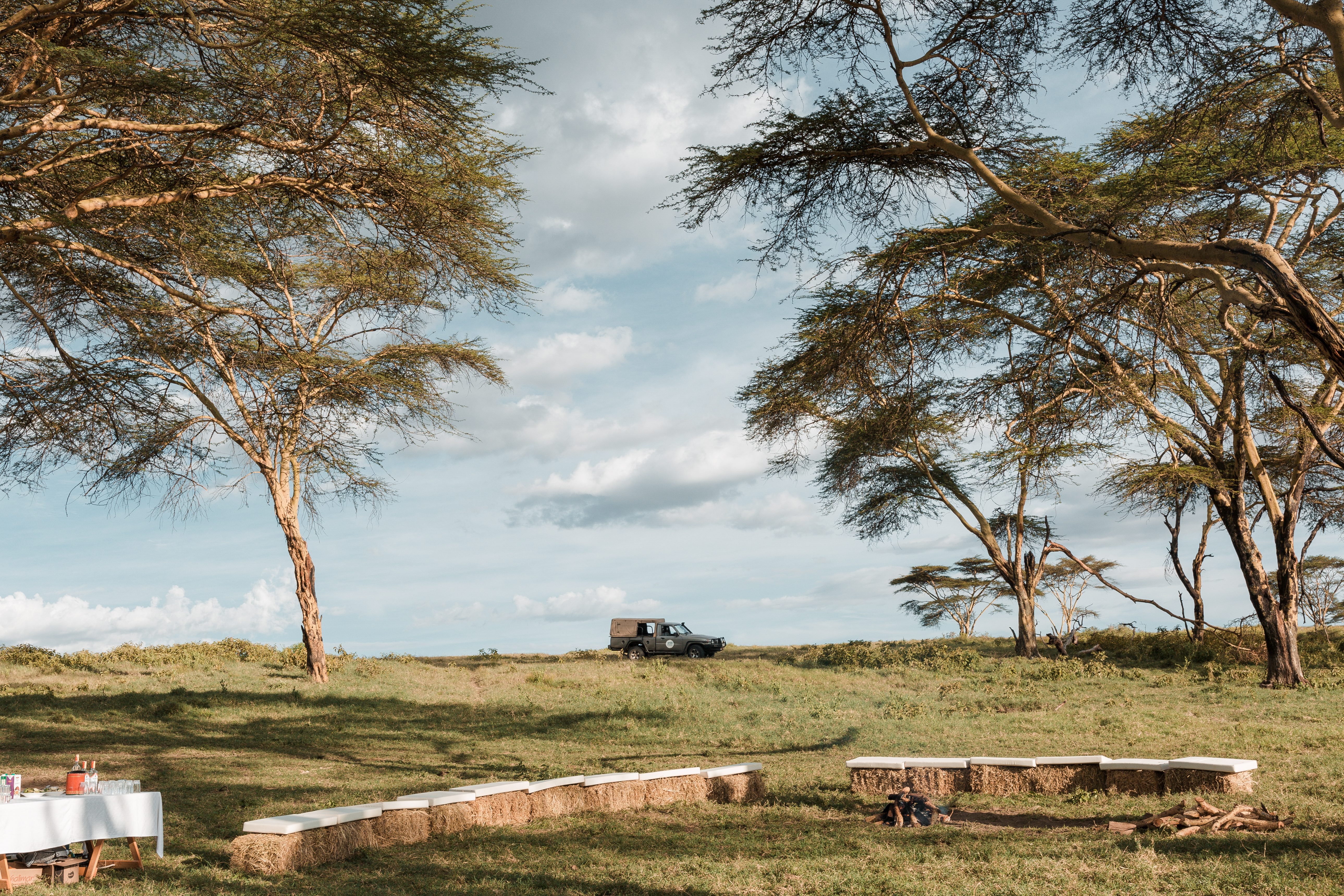
A 10-day luxury package: adding depth and the coast
With ten days the itinerary breathes properly. The classic extension is deeper time in the Serengeti — splitting your nights between two camps in different sectors, perhaps a mobile camp on the migration and a permanent camp in big-cat country, which doubles your range without daily repositioning. Alternatively, add Lake Manyara's groundwater forest and tree-climbing lions as a gentle first park, or spend a night at a highlands farm lodge between the crater and the plains. The rhythm matters as much as the list: two- and three-night stays, unhurried mornings, no wasted days.
The other ten-day shape ends at the ocean: seven days on safari and three on Zanzibar, connected by a direct flight from the Serengeti airstrips to the island. After a week of dawn game drives there is real magic in finishing barefoot at a small beachfront hotel on the north or east coast. Budget roughly 9,000 to 13,500 dollars per person for the full ten days at the true luxury tier, coast included. It remains, in our experience, the single most requested honeymoon structure we build, and for good reason.
What to ask any operator before you pay
Before any deposit leaves your account, put these questions to the operator in writing. Is the vehicle and guide exclusively ours for the entire safari? Name every camp, night by night — no areas, no categories, names. What exactly is excluded from the price? Who is your licensed ground operator in Tanzania, and who answers the phone at 6 a.m. if a flight is missed? What happens if a booked camp becomes unavailable — do we approve the substitute? A genuine luxury operator answers all five instantly and in writing; evasion on any one of them is your cue to walk away.
Ask also about the guide, because the guide makes the safari. How many years of experience, what languages, and can you see reviews naming guides individually? At the luxury level you may reasonably request a senior guide matched to your interests — photography, birding, travelling with children. The quality of the answers tells you more than any brochure ever will.
Luxury on safari is not a thread count — it is a private vehicle, a brilliant guide, the right small camp in the right place, and never once having to think about logistics.
- Private vehicle and private guide — the non-negotiable baseline
- Every camp named before you pay, chosen for your travel month
- Fly-in connections where they save real time
- Truly all-inclusive pricing with no local surprises
- Three honest tiers: comfort, luxury and ultra
- Book direct with a licensed local specialist
Why booking direct with a local specialist wins
Most luxury safari packages sold in Europe and North America are built by a company like ours anyway — the overseas agency takes your money, adds a margin of twenty to thirty per cent, and passes the actual work to a Tanzanian ground operator you never meet. Booking direct with the local specialist removes that layer entirely: the same camps and the same standard, at a meaningfully better price, from the people who will actually run your trip. On a 20,000-dollar booking for two, that difference funds several nights at an ultra camp or the entire Zanzibar extension.
Price is only half the argument; accountability is the other. When your operator is in Arusha, the person who designed your safari is in the same time zone as your guide, knows the camp managers personally, and can re-route a day before breakfast if weather closes an airstrip. There is no relay of emails across three companies and eight hours of time difference while you wait in a lobby. At Sokwe Africa Safaris every luxury itinerary is designed, priced and operated under one roof — which is precisely why we can promise the standard this article describes, and put it in writing.
Plan your luxury safari: compare the best luxury safari tours, explore luxury tented camps and Tanzania luxury tours, or see our signature luxury Tanzania safari.
See also our guide: African safari packages: what's included and what they really cost.
More on this in How to choose a Tanzania safari company.
Choosing your dates and your tier
Timing shapes both experience and price. The dry season from June to October is prime — river crossings in the northern Serengeti from July, superb general game everywhere — and the top camps command their highest rates and fill six to twelve months ahead, so genuine luxury requires early planning. January and February bring the wildebeest calving in the Ndutu area and marginally softer pricing. The green season, roughly March to May, offers the best-value luxury of the year: the same exclusive camps at rates twenty to forty per cent lower, emerald landscapes, and hardly another vehicle in sight.
As for tier, our honest advice after years of building these trips: spend where it changes the experience. The private vehicle and guide are worth more than any single lodge upgrade; the exclusive Serengeti camp is worth more than an extravagant first night near the airport; the balloon is worth it once. Many of our happiest travellers mix tiers deliberately — true luxury throughout, one ultra splurge where it counts most. A specialist who knows every camp personally can tune that balance to your budget in a way no reseller reading from a rate sheet ever could.
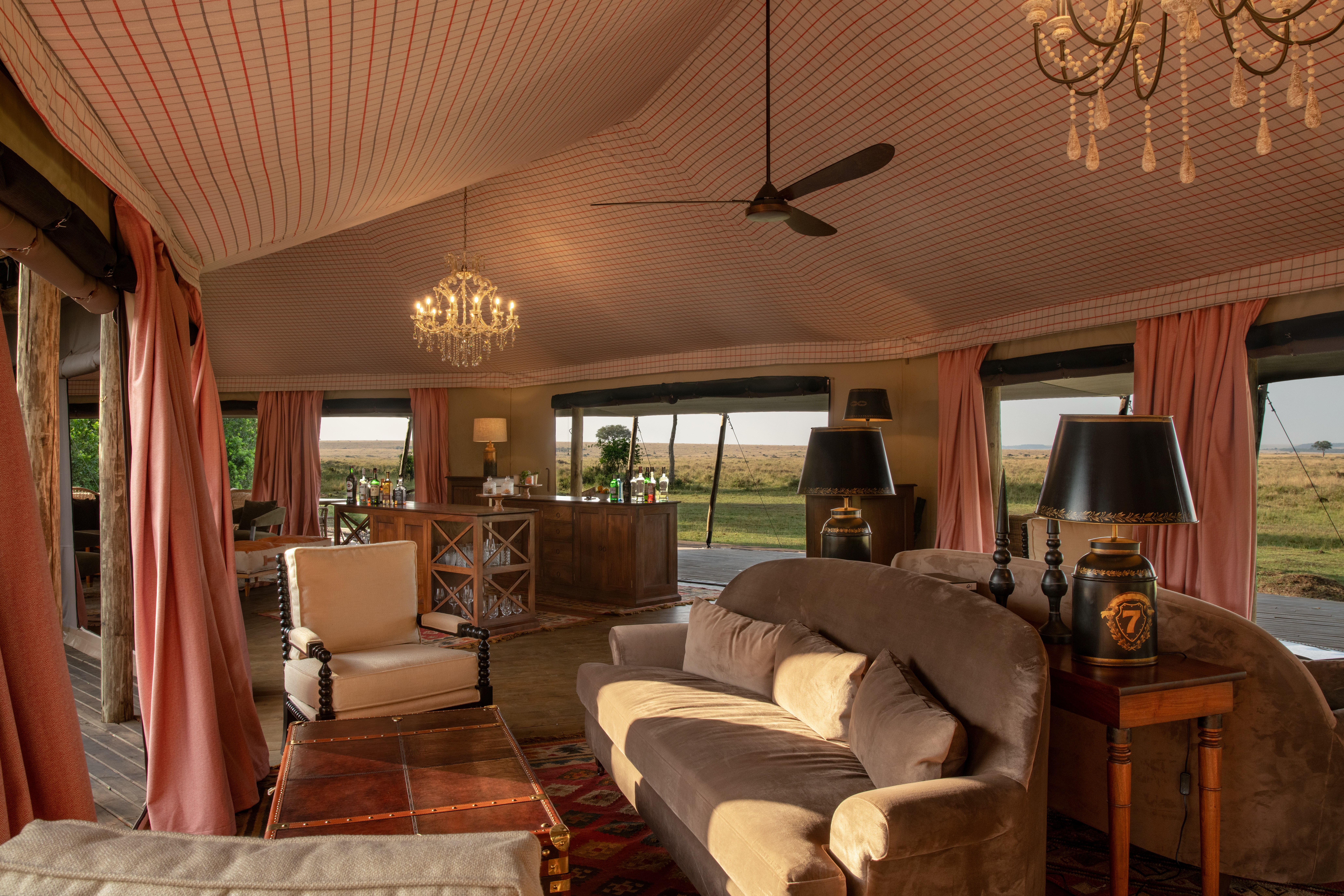
Let us build your luxury safari, person by person
The word luxury will keep being stretched by glossy marketing, but you now hold the decoder: private vehicle and guide, named hand-picked camps, intelligent fly-in connections, truly all-inclusive pricing, and a local operator who answers hard questions in writing. Hold any package — including ours — to that standard and you cannot go far wrong. Our luxury packages are built person by person, never off a shelf: tell us your dream and your dates, and we will design and price a luxury Tanzania safari that genuinely earns the word, then put every promise in writing.
Plan your luxury safari with Sokwe Africa Safaris
Frequently asked questions
What makes a safari genuinely luxury?
Four things, and none of them is thread count. A private vehicle with your own senior guide, hand-picked camps named night by night before you pay, intelligent fly-in connections where they save real time, and truly all-inclusive pricing covering park fees, drinks, laundry and transfers. If a package seats you with strangers, it is not luxury.
How much does a luxury safari cost per night in Tanzania?
We work in three honest tiers. Premium comfort runs roughly 450 to 700 US dollars per person per night all-inclusive, true luxury 800 to 1,400, and ultra luxury from around 1,500 to 2,500 and beyond. Any operator worth trusting will tell you plainly which tier a given camp actually belongs to.
What is the difference between luxury and ultra luxury on safari?
True luxury means small exclusive camps of eight to twelve tents in prime locations, fly-in connections and a private guide as standard, at 800 to 1,400 dollars per night. Ultra luxury, from about 1,500 dollars, adds private concessions with off-road and night driving, whole camps taken exclusively, and names of world renown.
Do you get your own vehicle and guide on a luxury safari?
You should, always, and it is the clearest dividing line in the industry. With your own 4x4 and a senior guide the day bends entirely around you: dawn starts when the light is best, and you stay an extra hour with the leopard because nobody else is waiting. A shared vehicle compromises every sighting.
Is a Serengeti balloon safari worth the cost?
In our honest view, yes, once in a lifetime. A dawn balloon flight over the plains followed by a champagne bush breakfast adds around 600 US dollars per person to a package. Our standing advice is to spend where it changes the experience, and floating silently over the Serengeti at sunrise certainly does.
How much does a ten-day luxury safari with Zanzibar cost?
Budget roughly 9,000 to 13,500 US dollars per person sharing at the true luxury tier, coast included: seven days on safari and three on the island, linked by a direct flight from the Serengeti airstrips. It remains the single most requested honeymoon structure we build, and deservedly so.