
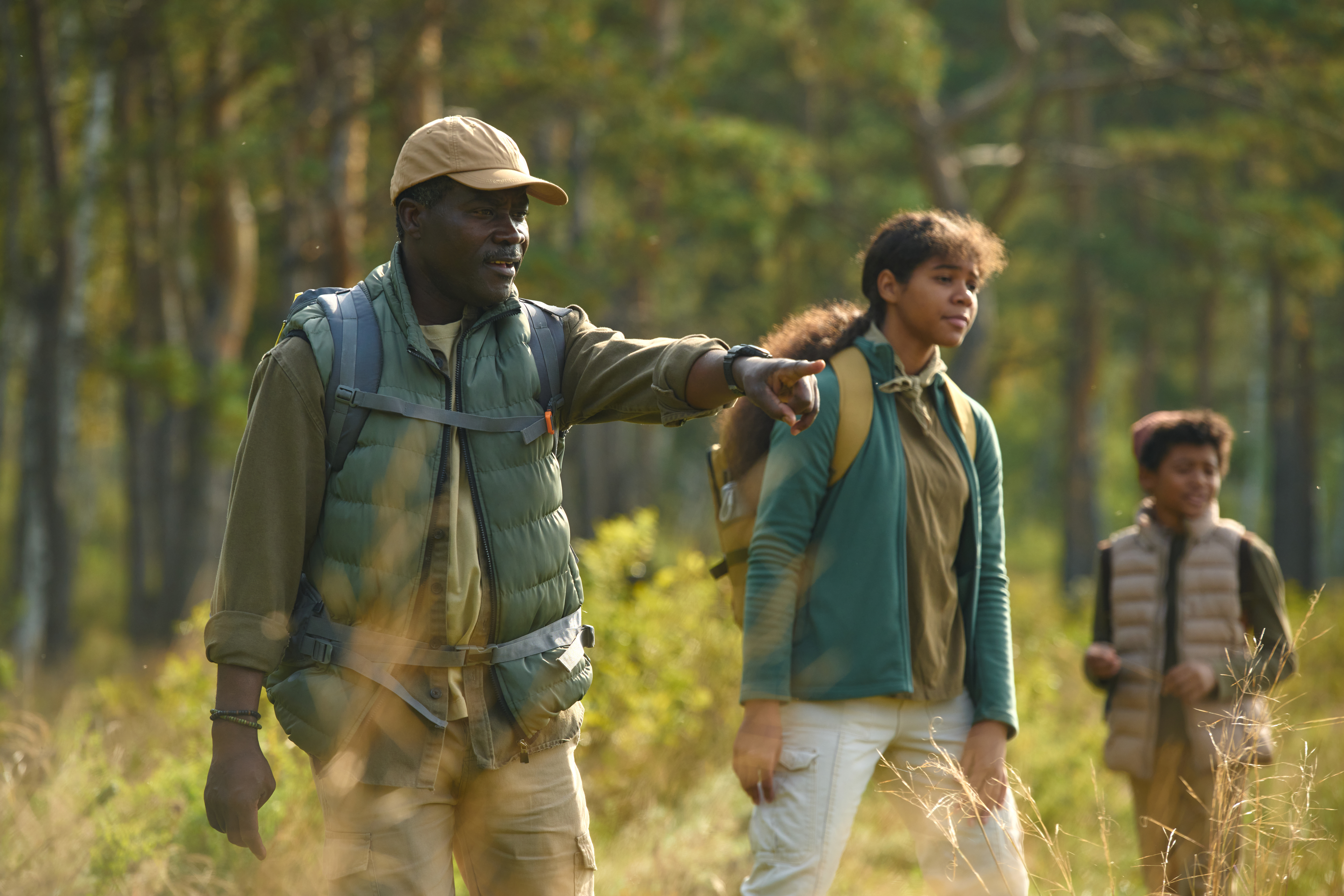
It is a natural question for anyone about to spend days among lions, elephants and buffalo: does the person in charge of my safety have a gun? The answer in Tanzania depends on the kind of activity you are doing, and it is more reassuring than people expect, though not for the reason many imagine. On an ordinary game drive in a vehicle, your driver-guide does not carry a firearm. On a walking safari, there is normally an armed ranger. And in both cases, the real protection comes from something far less dramatic: knowledge, distance and discipline.
The short answer
On game drives, which make up almost all of a typical safari, guides are not armed. They do not need to be, because you are in a vehicle, and animals generally treat a vehicle as a single large object they have no reason to fear or attack. On walking safaris, which are offered in some parks and areas, regulations and good practice call for an armed ranger to accompany the group, and operators describe a setup with a walking guide and a ranger, though the details vary between parks and between operators. We could not find a single official TANAPA document to quote, so ask your operator for the specifics of the walk you are considering.
Why game-drive guides are not armed
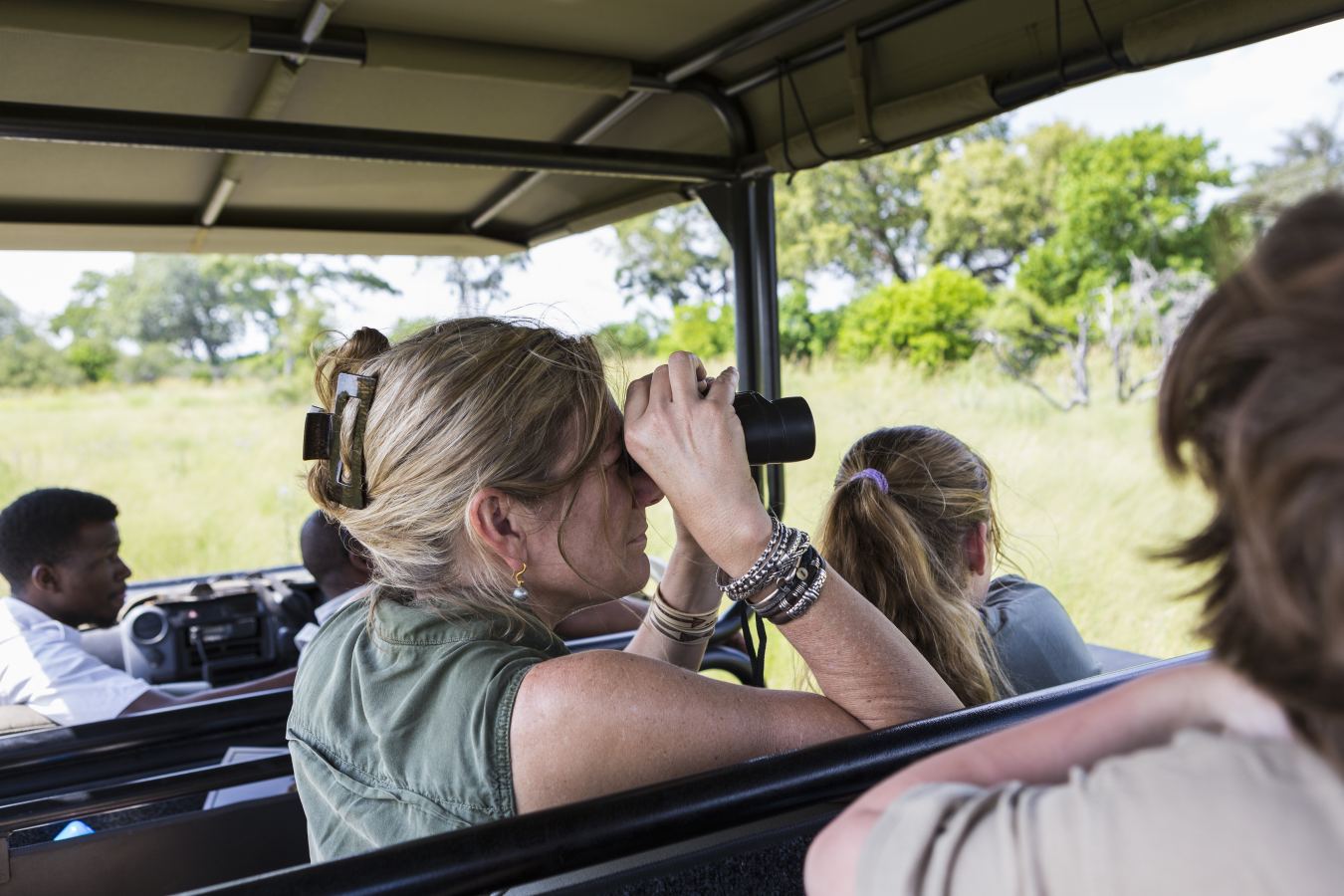
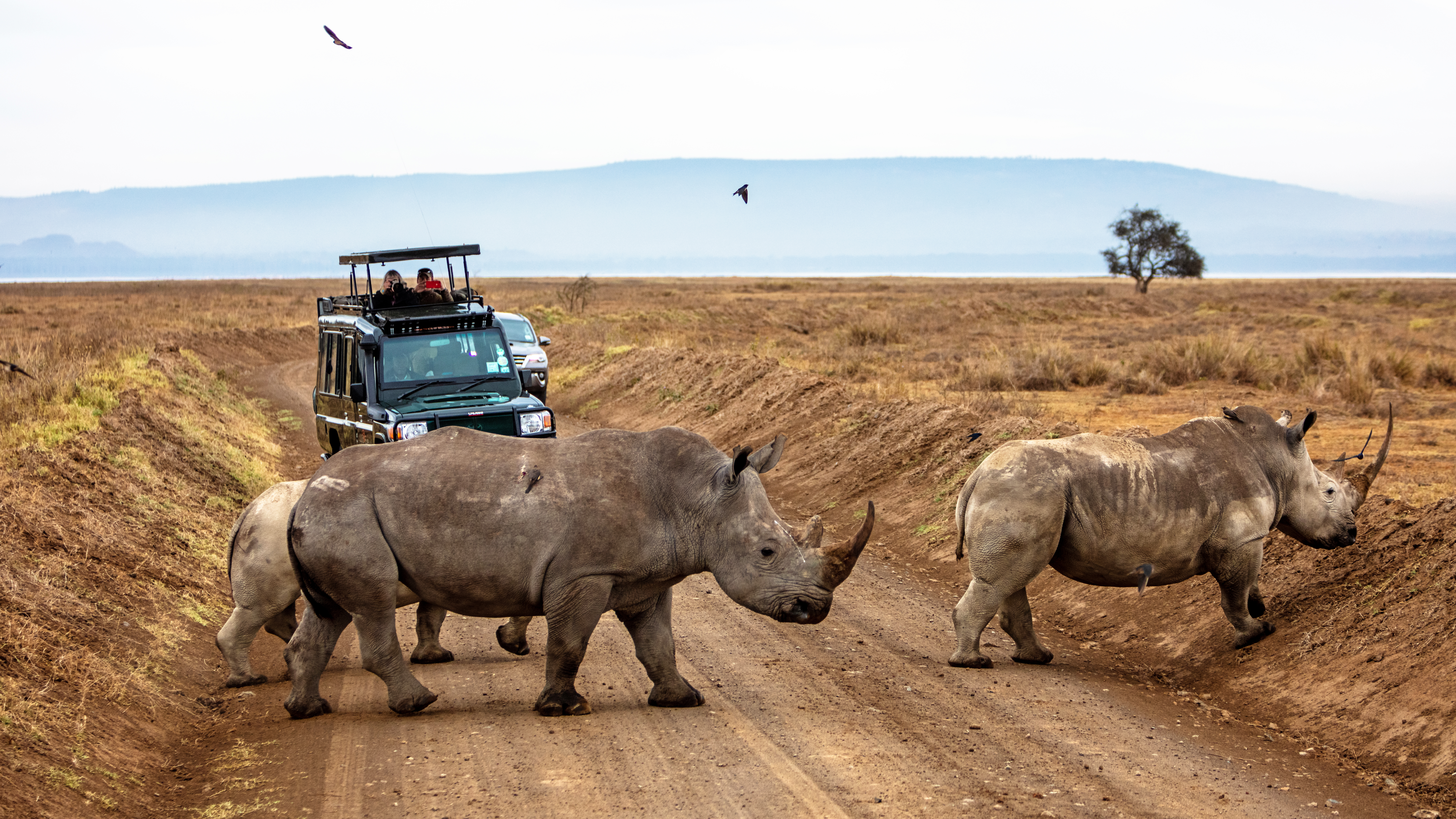
A safari vehicle is a remarkably safe place to watch wildlife. Animals in the parks are used to vehicles, which have been part of their landscape for decades, and they do not associate them with people. As long as passengers stay seated, keep their voices low and do not break the outline of the vehicle by standing, climbing out or dangling limbs, the animals tend to ignore the vehicle completely. This is why you can sit a few metres from a pride of lions or an elephant herd without any threat.
A firearm in the vehicle would add risk, not remove it. Guns in untrained hands are a hazard, firing near wildlife is illegal in national parks and the noise could provoke exactly the kind of panic that causes accidents. Professional guides rely on their judgement: they read the body language of animals, keep a safe distance, position the vehicle so that there is always an escape route and know when to back away. The skill is in preventing a problem long before it arises, which is the opposite of the film image of a guide with a rifle.
What happens on a walking safari
Walking is different, because you are on foot in the open and your presence is far more noticeable to animals. Operators describe walking safaris as being led by a trained walking guide and an armed ranger, usually a park-employed ranger, with limits on group size, set routes and a detailed briefing before you set out. One operator source we read described national park rules limiting groups to six guests and requiring at least one qualified armed ranger on set routes; we could not verify this against an official document, and game reserves may follow different rules.
The ranger's rifle is a last resort, and a good ranger will tell you it is almost never used. The real protection is awareness and avoidance: the guide watches for signs of danger, keeps the group upwind and at a distance from large animals, stops and waits for animals to move on and leads the group away from anything that looks risky. The rifle exists because the consequences of an extremely unlikely event would be so severe, and the sense of security it gives should never replace attention to the briefing.
Related reading: walking safaris in Tanzania, is Tanzania safe for tourists, is it safe to go on safari and our private Tanzania safari options.
Who else is armed in the parks
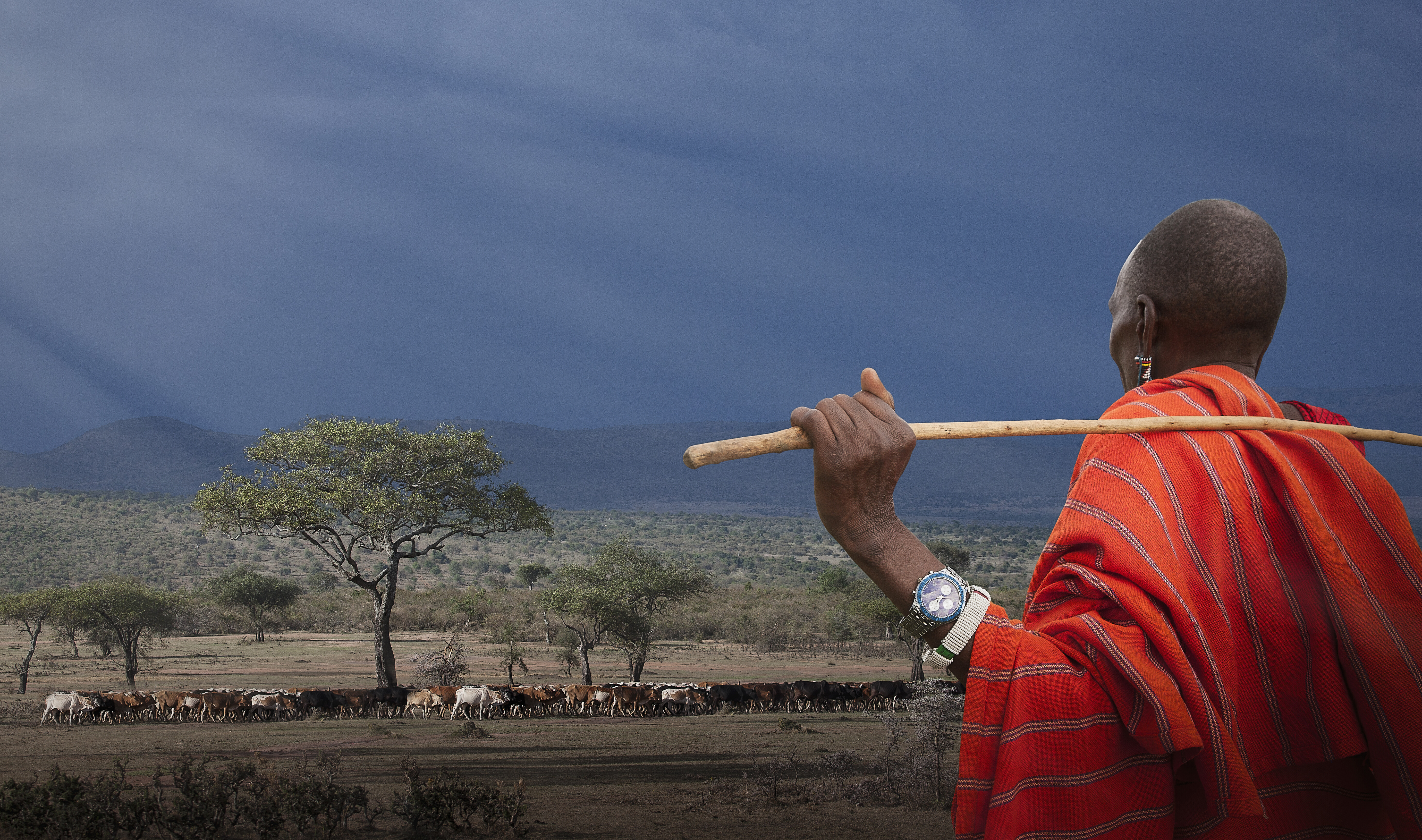
Guides on game drives are not armed, but that does not mean there is no armed presence in the parks. Park rangers and anti-poaching units are employed by the authorities to protect wildlife and enforce regulations, and they are armed as part of that work. You may see rangers at gates and on patrol, and you may be asked to stop at checkpoints. Their role is law enforcement and conservation, not to look after tourists, though they can help in an emergency, and guides are in radio contact with them.
Camps and lodges also have security staff, usually called askari, who keep watch at night and escort guests between tents and the main area. In most camps, askari carry a torch, a whistle or a radio and know the movements of animals around the camp; they are not normally armed with firearms, and their job is to spot and avoid animals, not to confront them. If a visitor ever sees a camp staff member with a rifle, there is usually a specific reason connected to the area, and a manager can explain it. If you want to know how a camp handles night safety, ask before you book.
What keeps you safe on a game drive
A handful of simple rules do most of the work, and your guide will explain them at the start. Stay seated while the vehicle is moving and near animals. Keep your arms, legs and cameras inside the vehicle. Speak quietly and avoid sudden movements. Never feed or call to animals. Do not get out unless the guide tells you it is safe, such as at a designated picnic site. And always follow the guide's instructions at once, without negotiating, because they are often based on signs you cannot see.
Guides also use techniques that visitors rarely notice. They approach sightings slowly and from the side, keep engines running or ready so they can move away, avoid blocking an animal's route and keep a gap between the vehicle and the animal that suits the species. With elephants, which can be sensitive and sometimes protective, they watch for warning signs such as ear flapping, head shaking and mock charges, and they know when to back off. These habits are why serious incidents involving guests on game drives are very rare.
What about dangerous animals at camp?
Many tented camps are unfenced, so animals can walk through, especially at night. Elephants, hippos, buffalo and hyenas are the ones most often seen, and they are usually just passing through. The camp's routine is built around this: you are escorted after dark, you keep your tent zipped and you do not walk around on your own. In the morning you may find tracks around your tent, which guests usually find thrilling. It is worth reading the camp's safety briefing carefully and following it exactly.
If you are anxious, tell your operator, who can choose fenced lodges or camps with more structured routines. Lodges on the crater rim or in some park areas have walls, fences or open-sided buildings that make animals less likely to enter. There is no right or wrong choice, and many nervous guests end up loving the tented camps once they have seen how smoothly the arrangements work. A good camp manager will happily explain how things are done and answer any question you have.
Myths worth clearing up
Films and television have given many people the idea that a safari guide is a rifle-carrying hunter who will shoot a charging animal. In practice, shooting an animal in a national park is a last resort with serious consequences, and professional guides measure their success by never needing to. Guides on game drives spend their careers avoiding conflict, and many have never been in a situation where they felt threatened. If an animal does behave unpredictably, the response is to move the vehicle, not to reach for a weapon.
A related myth is that more guns mean more safety. Experienced operators will tell you the opposite: the safest trips are those with well-trained guides, clear rules and calm guests. It is also worth remembering that most animals prefer to avoid people. The occasional exception, such as a buffalo on its own, a hippo out of water at night or a lone bull elephant in musth, is exactly what guides are trained to watch for, and why guests are asked to follow instructions without delay. If you take only one thing from this guide, let it be that the briefing matters more than the rifle.
Should you ask your operator about guns and safety?
Yes, and the answers tell you a lot. A good operator will explain which activities involve armed rangers, who provides them, how the briefing works and what the group-size limits are. They will say how drivers and guides are trained, whether they hold first aid certification and how they communicate in the field. They will explain camp security, night escorts and what happens in an emergency. If the answers are vague, or dismissive, take it seriously.
It is worth saying that guides are professionals who spend years learning their craft, and many have worked in the same areas for decades. They know the animals, the terrain and the weather, and they enjoy sharing that knowledge. The best protection you have is a calm, experienced guide whom you trust, and the best way to get one is to choose an operator who invests in training and pays fairly. That is a more reliable safeguard than any firearm, and it is the thing to look for when you compare companies.
One more thing worth knowing is how guides communicate. Most vehicles carry a radio or phone link to other guides and the camp, which lets them share sightings, warn of hazards such as a buffalo near the track or an elephant on the road and call for help if needed. In remote areas, camps keep an emergency plan, including first aid kits, trained staff and arrangements for evacuation. Ask your operator how this works for your route, because communication is a bigger safety factor than any weapon.
Our approach
We run private safaris, so your guide is with your party throughout, and we brief guests carefully at the start. If a walking safari is part of your plan, we will explain how it is run, who leads it and what the rules are, and we will tell you if we think it is not right for you, for example for young children or anyone who is unsure. Our aim is for you to feel safe and informed, not to be reassured by something you cannot see.
Questions about safety on safari? Talk to Sokwe Africa Safaris and we will explain how each activity is run and who will be with you.
Frequently asked questions
Do safari guides carry guns in Tanzania?
On ordinary game drives, no. On walking safaris, an armed ranger normally accompanies the group, though details vary by park and operator. The main protection on any safari is the guide's knowledge, distance and discipline.
Is a walking safari in Tanzania safe?
Walking safaris are led by trained guides with an armed ranger and strict briefings, and serious incidents are rare. Awareness and avoidance matter more than the rifle. Ask your operator about group size, routes and rules.
Why do guides not carry guns on game drives?
Animals tend to ignore vehicles, and a gun would add risk, not remove it. Guides rely on judgement, distance and positioning, and firing weapons in parks is illegal outside controlled circumstances.
Are camp security guards armed?
In most camps, askari carry a torch, whistle or radio and escort guests after dark, but they are not normally armed with firearms. Ask your camp how night security works.
Are park rangers armed in Tanzania?
Yes, rangers and anti-poaching units are armed as part of protecting wildlife and enforcing regulations. They are separate from your guide and from camp staff.
What should I do if an animal approaches the vehicle?
Stay seated, stay quiet and follow your guide's instructions at once. Guides read the animal's behaviour and will move the vehicle if needed. Never stand up or make sudden movements.