
What the Four Seasons Safari Lodge Serengeti actually is
If you are researching a Four Seasons safari in Tanzania, you have almost certainly seen the photograph: an infinity pool hanging over a waterhole, elephants drinking a few metres from swimmers. That image belongs to the Four Seasons Safari Lodge Serengeti, the international brand's lodge in the central Serengeti, and it has made the property one of the most searched-for places to stay in the whole country. This guide explains, honestly and without hype, what the lodge is, what it is famous for, who it suits best, and how an independent Tanzanian operator like us builds it into a complete safari itinerary.
The essential thing to understand is that this is a permanent, full-service lodge run to international five-star hotel standards, sitting inside Serengeti National Park itself. It is not a tented camp. Expect solid rooms, raised walkways above the bush, restaurants and bars, a spa, and the consistency of service that the Four Seasons name is known for worldwide. That combination — a globally recognised luxury hotel brand operating in the middle of one of Africa's greatest wildernesses — is precisely its appeal, and also the heart of the trade-off we will discuss below.
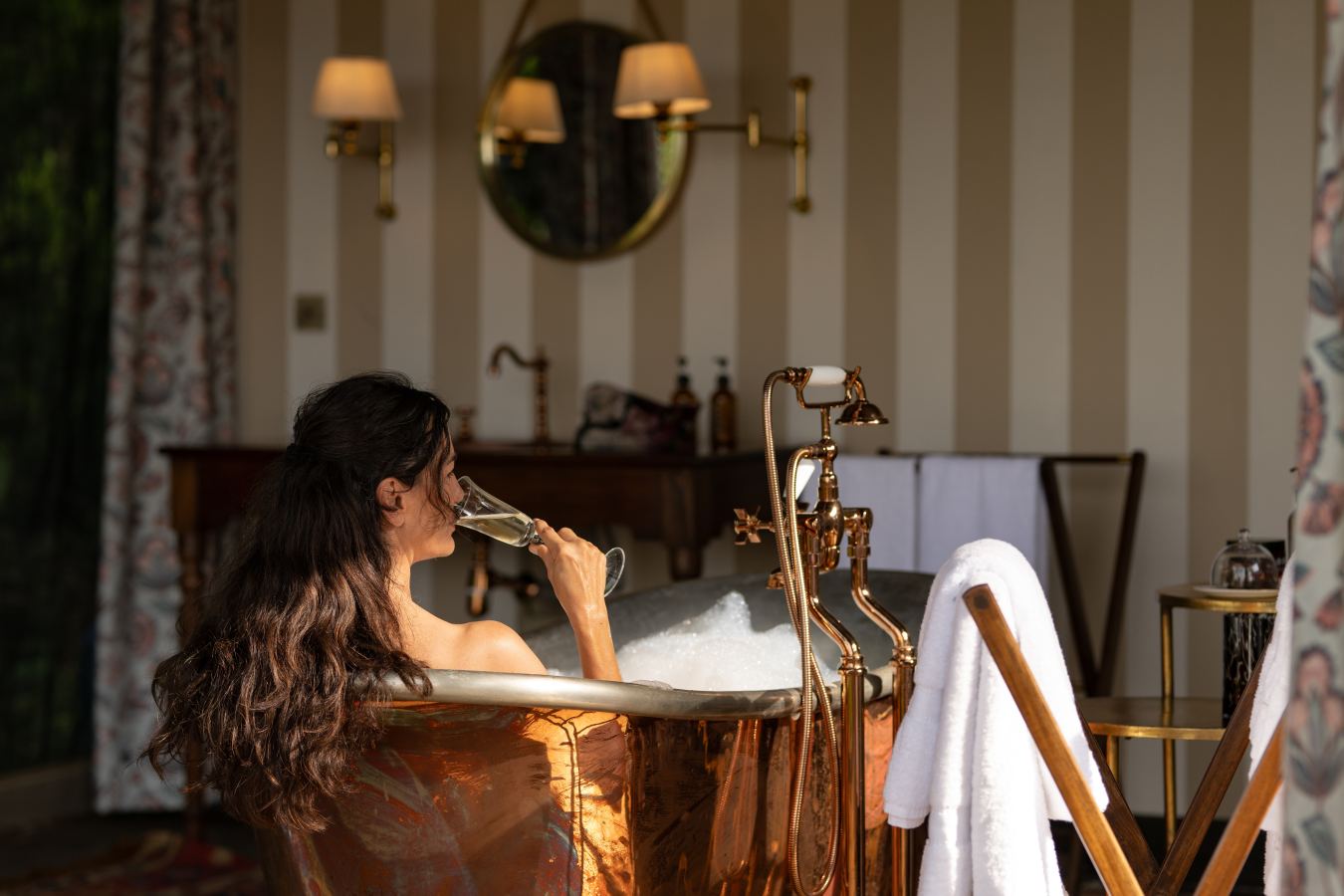
The infinity pool and the waterhole
The lodge's most famous feature, and the one that fills social media feeds, is its infinity pool overlooking an active waterhole. Elephants and other wildlife come to drink throughout the year, which means guests genuinely can watch game from the water or from a sun lounger between drives. It is a well-known, well-documented feature rather than marketing exaggeration, and for many travellers it is the single image that puts the lodge on their wish list.
Why does this matter beyond the photograph? Because it changes the rhythm of a safari day. In most of the Serengeti, wildlife viewing happens on game drives; back at camp, you rest. A lodge positioned over a busy waterhole means the viewing continues through the middle of the day, from your room, the pool or the bar. For families with children who need downtime, for photographers, and for anyone on a longer stay, being able to watch elephants drink while you do very little is a genuine and unusual luxury.
Where it sits: the central Serengeti and your game drives
Location shapes everything on safari, and the Four Seasons Serengeti sits in the central part of the park, broadly the Seronera region. This is one of the finest year-round game areas in Tanzania: the river valleys and kopjes of the central Serengeti hold strong resident populations of lion and leopard, along with elephant, buffalo, giraffe and huge herds of plains game that do not migrate. Whatever month you travel, a stay in the central Serengeti delivers serious wildlife viewing, which is a large part of why so many lodges cluster in this region.
The great wildebeest migration is a different question. The herds pass through or near the central Serengeti at certain times of year — typically on their way north around April to June and again heading south towards the end of the year — but for months at a time the migration is far away in the north or the southern plains. From a fixed lodge you can drive out to meet the action when it is within range, but you cannot follow it the way a mobile camp does. A good itinerary accounts for this, often pairing a central lodge with a camp positioned for the herds.
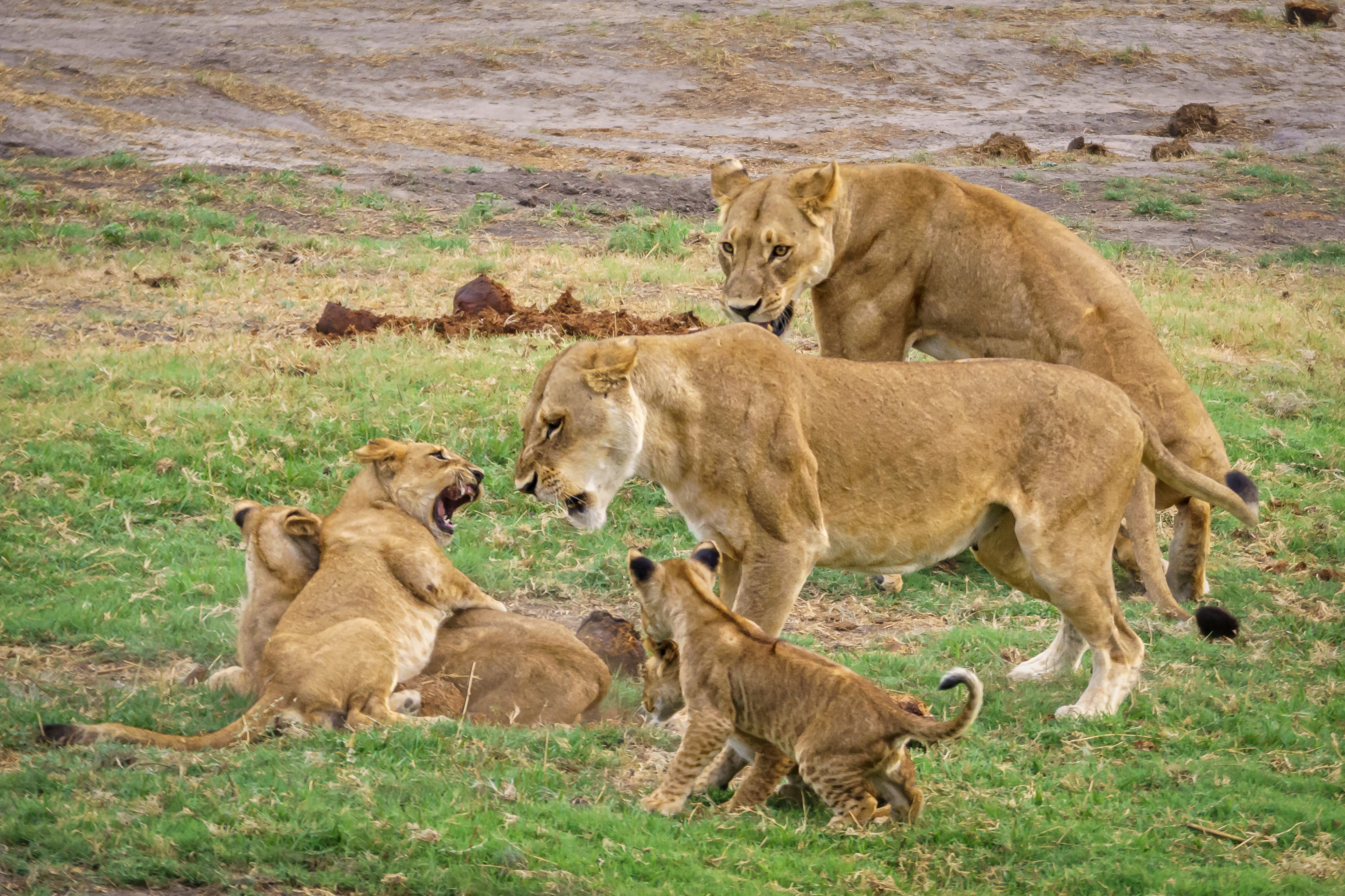
Hotel polish versus canvas: the honest trade-off
Here is the conversation we have with clients almost weekly, and we will give it to you straight. A big international lodge delivers consistency: air-conditioned rooms, reliable connectivity, a spa, a choice of places to eat, a pool, and service trained to a global five-star standard. You know broadly what you are getting before you arrive, and for many travellers — especially those on a first trip to Africa — that predictability is worth a great deal. Expect five-star international polish, delivered inside a national park, and you will not be disappointed.
A small tented camp delivers something different: canvas walls through which you hear lion at night, a dozen or so guests around a campfire, guides who dine with you, and the feeling of being a guest in the wilderness rather than a hotel. Neither style is better in any absolute sense — they are different products for different travellers, and plenty of people who adore one would be unhappy in the other. The mistake is not choosing the lodge or the camp; the mistake is choosing without understanding which experience you are actually buying.
Our honest guidance after years of arranging both: if the words that excite you are comfort, family, spa, pool and reliability, a hotel-style lodge belongs in your itinerary. If the words are remote, intimate, wild and authentic, lean towards camps. And if, like many of our guests, you want both, the answer is simple — mix them. A few nights of five-star polish alongside a few nights under canvas is one of the most satisfying safari structures we build, and we return to it again and again.
The mistake is not choosing the lodge or the camp — it is choosing without understanding which experience you are actually buying.
Who the Four Seasons Serengeti suits best
Families come first on the list. Space to spread out, a proper pool, familiar food alongside more adventurous menus, and the reassurance of a brand parents already trust make the lodge one of the easiest recommendations we can give for a Serengeti stay with children. First-time safari-goers are a close second: if you have never slept in the African bush before, a solid-walled room with international hotel service is a gentle and very comfortable introduction, with the wildlife still right outside — and sometimes at the waterhole below your terrace.
The lodge also suits honeymooners who want indulgence with their wildlife, travellers who simply prefer hotels to camps, mixed groups where one person craves adventure and another craves comfort, and anyone planning a longer Serengeti stay for whom facilities like a spa and varied dining stop a week from feeling repetitive. Loyal Four Seasons guests who collect the brand's destinations are a category of their own. Who is it less suited to? Purists who measure a safari by its remoteness and want to feel canvas between themselves and the night — they will be happier at a small camp, and we tell them so.
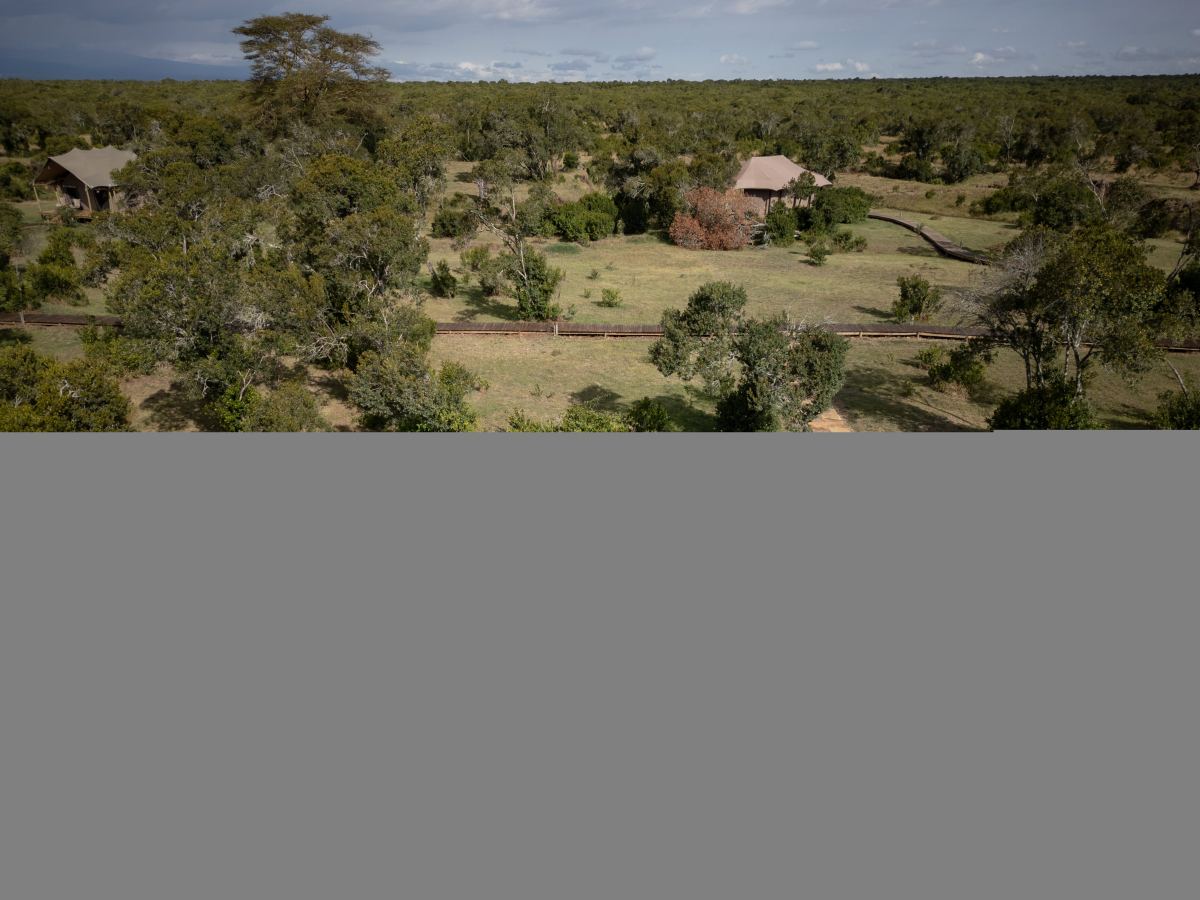
The Discovery Centre and life between game drives
One of the lodge's most respected features has nothing to do with thread counts. Its Discovery Centre is a dedicated space for learning about the Serengeti ecosystem, Maasai culture and conservation, with resident experts giving talks and answering the questions that pile up after every game drive. It is a famous and genuinely valuable part of the property, and it reflects something we always tell guests: the best safaris are as much about understanding what you are seeing as about seeing it.
For families this is quietly brilliant. Children who spend the morning watching lions can spend the afternoon learning why the Serengeti works the way it does, turning a holiday into something closer to an education. For adults, a good talk before an evening drive changes how you read the landscape the next day. Between the Discovery Centre, the waterhole viewing and the pool, this is a lodge where a rest day does not mean a wasted day — a real consideration on longer itineraries where pacing matters as much as the game drives themselves.
How an independent operator builds it into an itinerary
Here is where we should be clear about who we are. Sokwe Africa Safaris is an independent, Arusha-based safari operator — we are not affiliated with Four Seasons or any other property, and that independence is exactly why our advice is useful. We book the Four Seasons Safari Lodge Serengeti for clients when it is the right fit, as one component of a complete itinerary we design and run: your private guide and vehicle, your park fees, your internal flights and every transfer, with the lodge stay slotted in where it makes sense.
A classic shape looks like this: land at Kilimanjaro, a night near Arusha, then Tarangire or Lake Manyara, the Ngorongoro Crater, and onwards into the Serengeti with the Four Seasons as your central base — often finishing with a flight back or a beach extension to Zanzibar. Another favourite pairs three nights at the lodge with two or three nights at a small tented camp positioned near the migration, so you experience both five-star polish and genuine canvas in one trip. That hotel-plus-camp mix is, for many of our guests, the best of both worlds.
Logistics matter more than most travellers expect. The central Serengeti is reached either by a full-day scenic drive through the highlands and past Ngorongoro, or by a light-aircraft flight into a nearby airstrip — and the right choice depends on your time, budget and appetite for road travel. Sequencing matters too: which direction you travel, where the migration is in your month, and how many one-night stops your energy can stand. This is the craft of itinerary design, and it is where working with a local operator earns its keep.
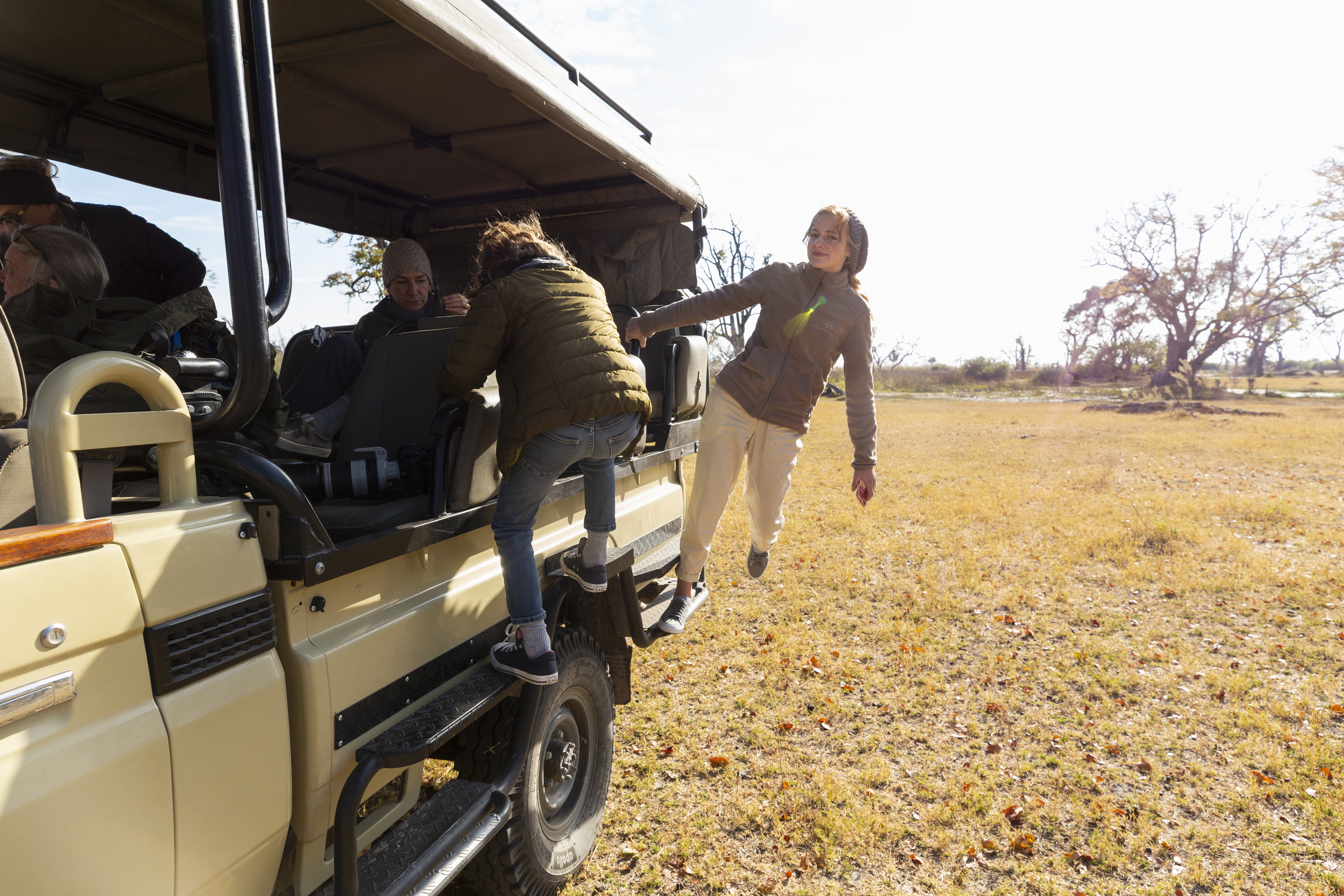
- International five-star lodge inside central Serengeti National Park
- Famous infinity pool overlooking an active waterhole
- Central Serengeti location — excellent resident game year-round
- Discovery Centre for conservation and culture talks
- Best for families, first-timers and comfort-focused travellers
- Pairs beautifully with a small tented camp in one itinerary
When to go and practical booking notes
Because the central Serengeti holds resident wildlife all year, there is no bad month for this lodge — but there are different months. The dry season from June to October brings classic conditions, thin grass and concentrated game, and is the busiest period across the Serengeti. November to March offers greener landscapes, dramatic skies and the southern calving season within striking distance in the deep south, while April and May bring the long rains, quieter parks and the gentlest availability. Match the month to what you want to see, not to a generic best-time list.
On booking, two honest notes. First, this is a premium property from a premium brand, and rates vary by season, room type and how you package the stay — so treat any number you see quoted online with caution and ask for a current, itinerary-specific quote instead. Second, demand is real: peak-season dates, particularly July to October and the festive weeks, are often taken many months ahead. If a Four Seasons safari in Tanzania is on your list for next year, the planning conversation should start early — not because operators say so, but because availability genuinely rewards it.
Plan your Four Seasons safari in Tanzania with Sokwe
We book Four Seasons Safari Lodge Serengeti stays inside complete Sokwe itineraries — private guiding, park fees, flights and transfers all handled — and because we are independent, we will also tell you honestly when it is the right choice and when a small camp would serve your trip better. Tell us your dates, your travelling party and what a perfect safari day looks like to you, and we will design a Serengeti itinerary around it, whether that means five-star polish over a waterhole, canvas under the stars, or the very best of both.