
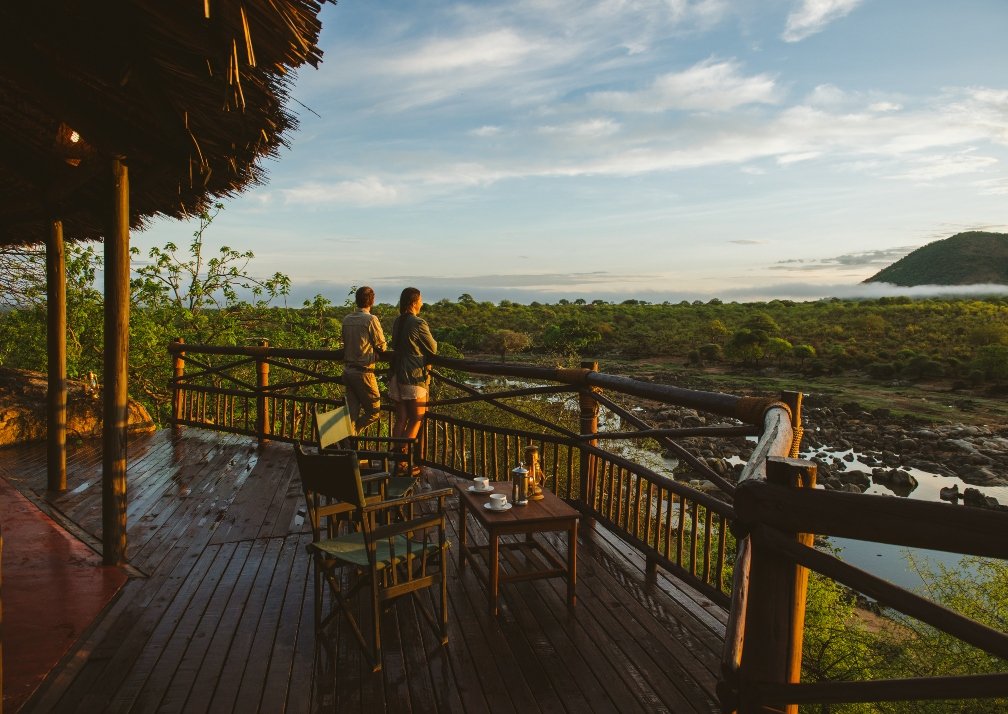
Ruaha is the park that safari regulars talk about with a lowered voice, as though it were a secret. It is Tanzania's largest national park, far from the crowds of the northern circuit, and it has a reputation for powerful predators and a feeling of true wilderness. It is also remote, harder to reach and generally costs more per night than a comparable camp in the north. Is it worth it? In our experience, it depends on what you want and whether you have already seen the classics. This guide explains what Ruaha offers, where it falls short and who we think should go.
The short answer
Ruaha is worth visiting for travellers who want a wild, uncrowded safari with strong predator viewing, a rugged landscape and the chance to do things you cannot do in the north, such as walking safaris and fly-camping. It is generally best on a second trip, or as an addition to a northern circuit, and best in the dry season. It is less suited to first-timers hoping for the Great Migration, to those on a tight budget or time-limited trips, or to travellers who dislike small aircraft and remoteness. For the right person, it can be the best safari of their lives.
Where Ruaha is and how big it is
Ruaha National Park lies in the south-central part of Tanzania, roughly 130 kilometres west of the town of Iringa, in a region very different from the northern parks. It covers roughly 20,000 square kilometres following the addition of the Usangu wetlands in 2008, which makes it Tanzania's largest national park and one of the larger parks in East Africa. It was established in 1964, and is part of a larger ecosystem that includes the Rungwa and Kizigo game reserves, giving the wildlife space to move.
The landscape is rugged and dry, with acacia and commiphora bushland, miombo woodland, baobabs, rocky hills and a river, the Great Ruaha, which is the heart of the park. In the dry season, the river shrinks into pools and channels, and animals gather around it, which is when game viewing is at its best. The sense of space is striking: you can drive for hours and meet very few other vehicles, which is the main reason people fall in love with it.
The wildlife
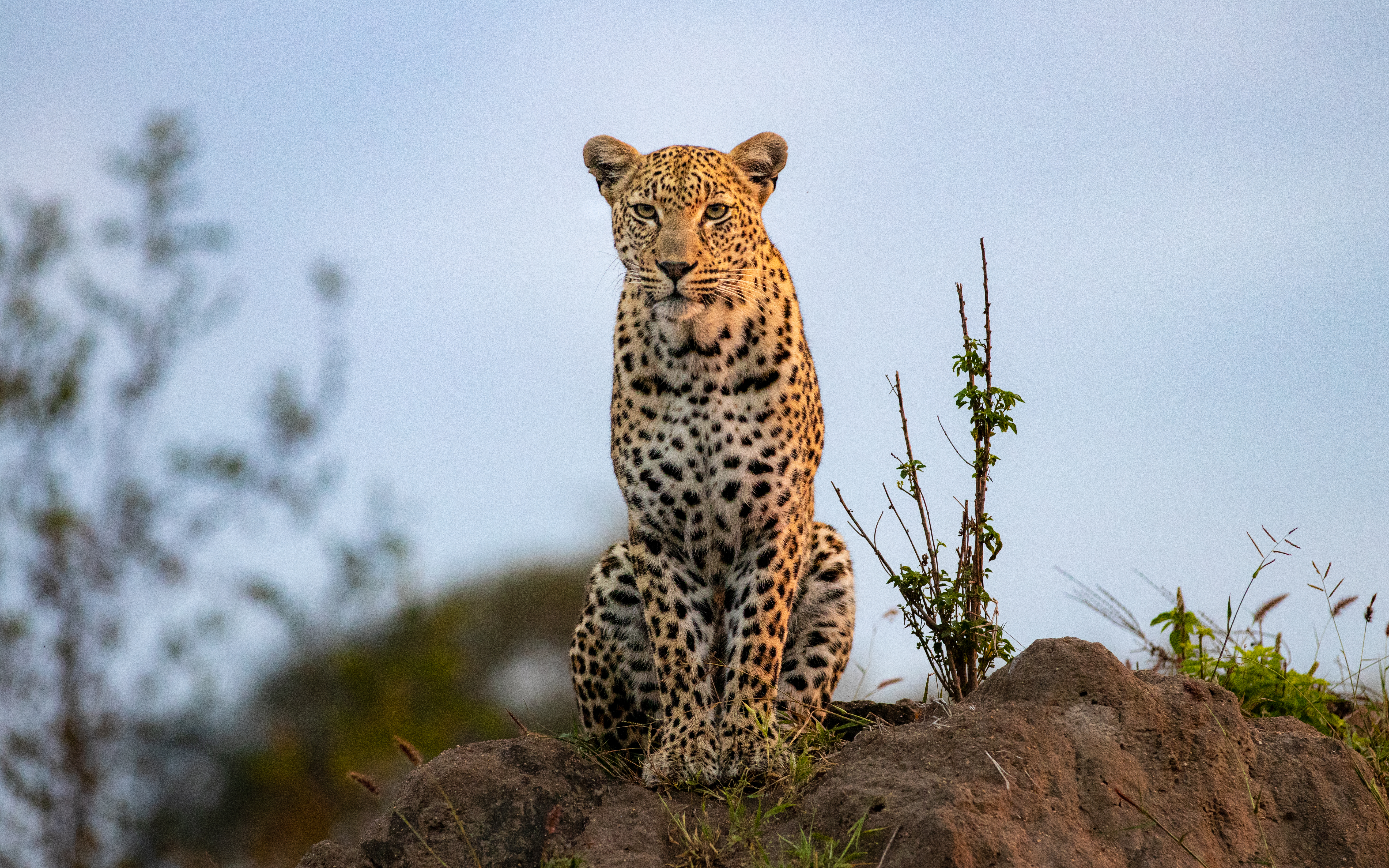
Ruaha is known for predators, and lions are the headline. The park has been recognised as a Lion Conservation Unit, and it is often described as having one of the larger lion populations in East Africa, though counts vary and we would not quote a precise number. Leopards, cheetahs and spotted hyenas are also present, and African wild dogs are seen in some years, though they are rare and unpredictable. Because the park is large and the visitor numbers small, sightings tend to be exclusive, with a few vehicles or none.
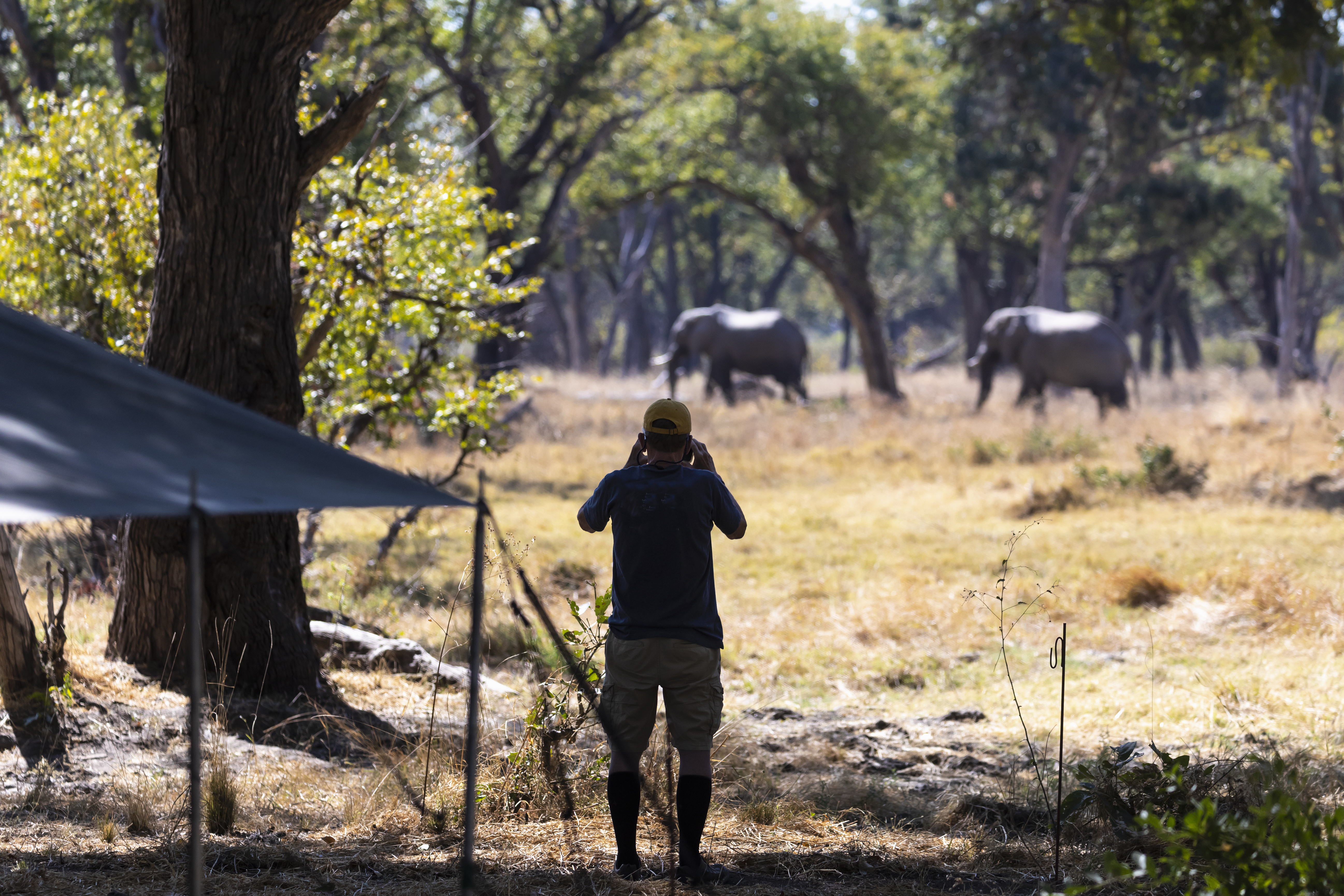
Other wildlife includes elephants, which gather along the river in the dry season, though census figures for the wider ecosystem have varied considerably over the past fifteen years, large herds of buffalo, giraffes, zebra, impala and a variety of antelope. Ruaha is known for species less often seen in the north, such as greater kudu, sable and roan antelope, and for the transition between eastern and southern African species. Birdlife is rich, and the baobab-studded landscape is photogenic. It does not have the huge herds of the Serengeti, and you should not expect them.
Compare and plan: southern Tanzania safari guide, which Tanzania safari is best, walking safaris in Tanzania, fly-in safaris and best time to visit. See our private Tanzania safari options.
What makes Ruaha different
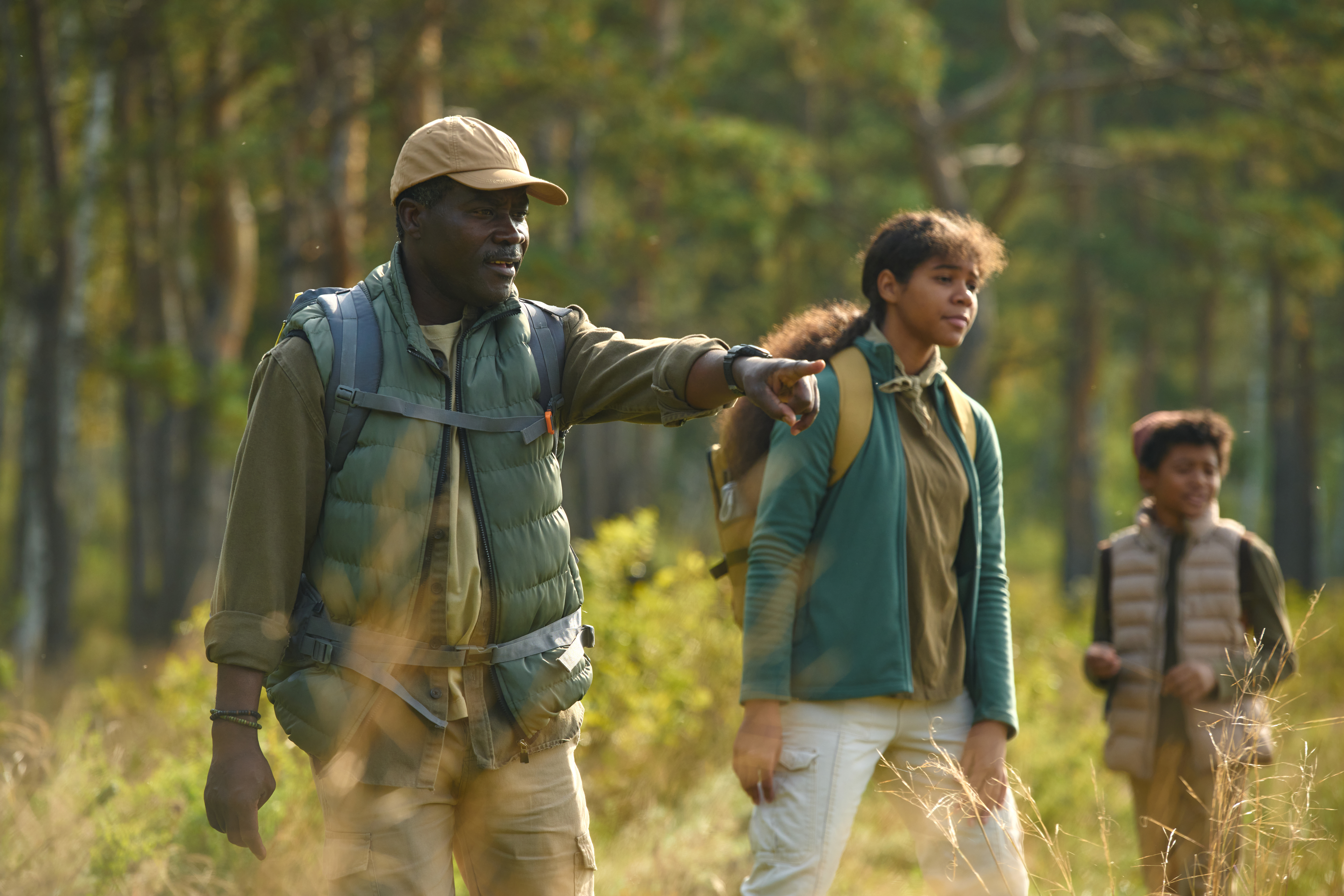
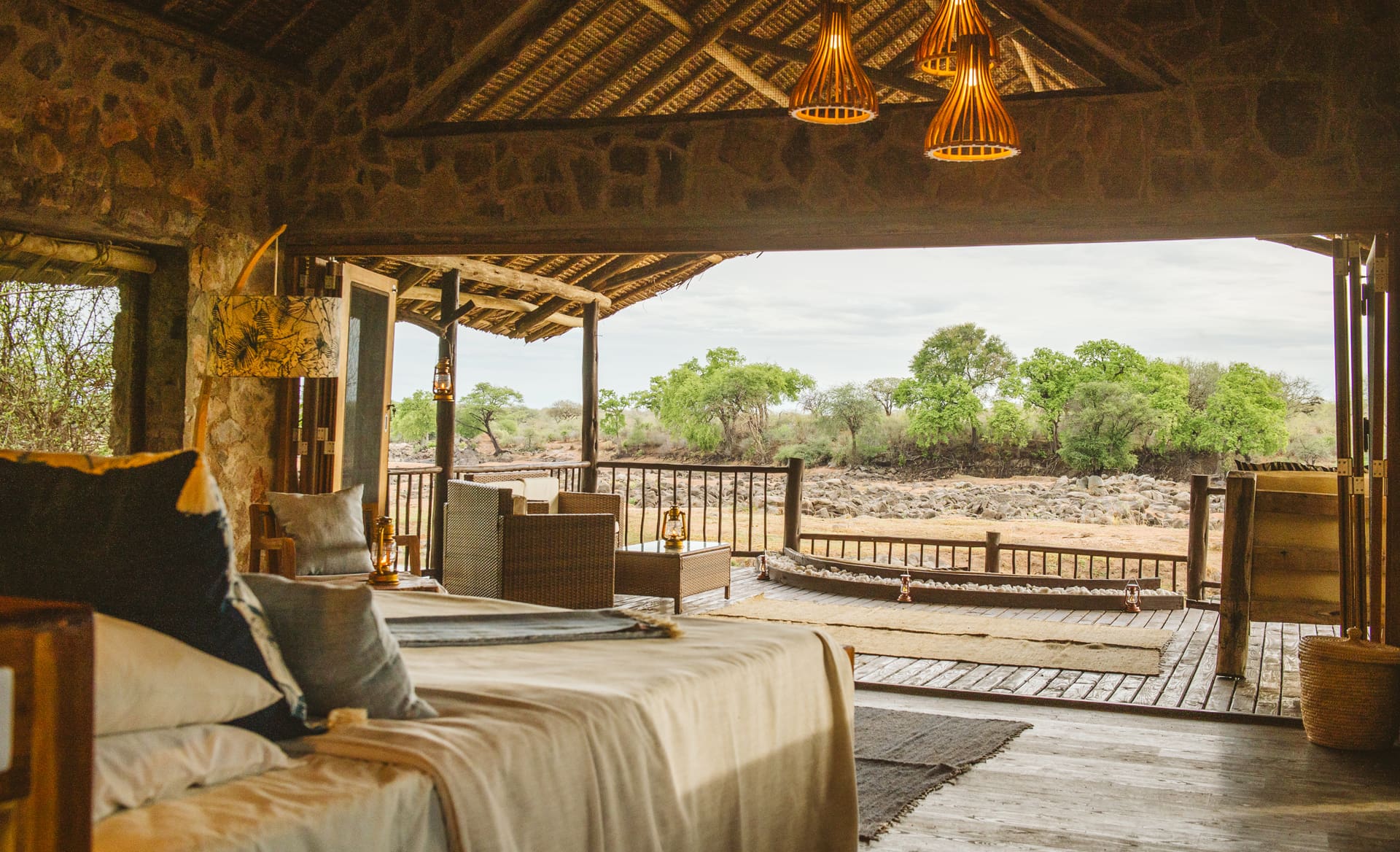
The great attraction is the feeling of wilderness. Camps are few and small, the park is huge, and many guests spend entire game drives without seeing another vehicle. That makes for a quieter, more personal experience, and it means that when you do find lions or wild dogs, you are often alone with them. It also allows activities that are restricted in busier parks, depending on the camp and the area, such as walking safaris with an armed ranger, fly-camping under the stars and, in some places, night drives.
The landscape is different too. Instead of open plains, you find river valleys, rocky outcrops and woodland, which are good for leopards and for dramatic light. The dry season has an Africa-of-old atmosphere, with dust, dry riverbeds and animals concentrated at the remaining water. Many experienced travellers say that Ruaha feels more like a wild, working ecosystem than a visitor attraction, and that is why they return.
The drawbacks
Be honest with yourself about the trade-offs. Ruaha is remote, and most visitors reach it by light aircraft from Dar es Salaam, Arusha or other airstrips, which adds cost and baggage restrictions, while the alternative is a long drive of many hours. Accommodation is often priced at the upper end because the camps are small and supplies are costly. Wildlife viewing can be slow, since animals are spread over a huge area, and some days are quieter than others. And the park lacks the migration spectacle and the dense herds that make the north so reliable.
The dry season can also be very hot and dusty, with temperatures climbing towards the end, and the wet season, from about November to April or May, brings heavy rain, makes roads impassable and closes many camps. Malaria risk is present, and medical help is far away, so health preparation and good insurance matter. It is a park for people who accept those realities and want the reward of solitude, not for those who want every comfort and every animal on demand.
The best time to go
The dry season, roughly May or June to October, is the best time, with game concentrated along the river, thin vegetation and good visibility. The late dry season, from around August to October, is often the peak for predator viewing, though it is also hot. During the rains, the park is lush and quiet but wildlife is harder to see, and many camps close, so most visitors avoid it. As always, conditions vary from year to year, and your operator can advise on what to expect at your dates.
Ruaha pairs well with other destinations. Many travellers combine it with Nyerere National Park in the south-east, which offers boat safaris and a different landscape, or add it to a northern circuit as a second stage, flying between the two. Others finish with a few days in Zanzibar. Plan for at least four nights, because the flights and the distances take time, and more if you want to enjoy the activities properly.
How to get there
Most visitors fly. Scheduled and charter flights serve airstrips in the park, with Msembe at the park headquarters and Jongomeru among the airstrips, and the flights often connect through Dar es Salaam, Arusha or other airports. Flying saves a great deal of time and gives wonderful views, but requires soft bags and weight limits, and schedules vary by season and operator. Driving from Iringa is possible on a dirt road, though it is long and rough, and it is best undertaken with a driver who knows the route.
Because logistics are more complex than for the northern circuit, planning matters. A good operator will coordinate flights, transfers and camp bookings, and will advise on the best sequence. If you are building a trip that includes both north and south, ask for a route that avoids unnecessary backtracking, and allow slack in case of delays. We are glad to help with that, and to explain the cost trade-offs honestly.
What a Ruaha safari costs, in broad terms
We do not quote figures here, because camps change their rates and many have seasonal pricing. In general, expect Ruaha to cost more per night than comparable northern camps, partly because of the flights and partly because the camps are small and remote. Park fees, camp rates and flights are the main components, and a private vehicle and guide add to the total. Ask for a quote that lists exactly what is included, and compare it with a northern itinerary of the same length so you understand where the difference lies.
Practical tips for Ruaha
Pack light, in soft bags, because of the aircraft limits, and bring layers, since dry-season mornings can be cool and middays hot. Bring binoculars, a camera with a good zoom, sun protection and neutral clothing. Take malaria precautions as your doctor advises, and bring any medication you need, since there are no pharmacies nearby. Tell your operator about health conditions in advance, so that each camp can prepare, and make sure your insurance includes medical evacuation, since help is a flight away.
Give yourself time. A safari in Ruaha rewards slow, patient days, with long mornings in the vehicle, a rest at midday and a second drive or a walk in the afternoon. Do not rush from one thing to the next, and let your guide decide how best to use the day. If you can, spend at least four or five nights, which allows you to settle into the rhythm and increases your chances of the special sightings that make the park memorable.
Who should go to Ruaha
Ruaha suits experienced safari-goers who have done the northern classics, travellers who prize solitude and wilderness, photographers who want uncrowded predator sightings and anyone who loves walking and fly-camping. It also suits people who enjoy the process of travel and are comfortable with small aircraft and basic logistics. It is not ideal for those who want a guaranteed migration experience, a short trip or a low budget. For first-timers, we usually recommend the northern circuit, with Ruaha as a later, second trip.
That said, there is no rule, and some first-time visitors choose Ruaha and love it, particularly if they are not set on the migration. If you are unsure, tell us what you hope for and we will give you an honest recommendation, including whether we think Ruaha is a good fit or whether another area would serve you better. We would rather put you in the right place than the more expensive one.
Considering Ruaha, alone or with the north? Talk to Sokwe Africa Safaris and we will give you an honest view of whether it suits you and how to reach it.
Frequently asked questions
Is Ruaha National Park worth visiting?
Yes, for travellers who want a wild, uncrowded safari with strong predator viewing, a rugged landscape and activities such as walking and fly-camping. It is remote and costs more than many northern camps, so it suits experienced safari-goers best.
Where is Ruaha National Park?
In south-central Tanzania, roughly 130 kilometres west of Iringa. It is Tanzania's largest national park, at around 20,000 square kilometres, and most visitors reach it by light aircraft.
Does Ruaha have lots of lions?
It is recognised as a Lion Conservation Unit and is often described as having one of the larger lion populations in East Africa, though counts vary. Predator viewing is a highlight, with leopards, cheetahs and hyenas also present.
When is the best time to visit Ruaha?
The dry season, roughly May or June to October, when game concentrates along the river and visibility is good. The wet season brings heavy rain, makes roads difficult and closes many camps.
Is Ruaha better than the Serengeti?
They are different. The Serengeti offers the migration and vast plains, while Ruaha offers solitude, rugged scenery and strong predator viewing. Many first-timers choose the Serengeti, and Ruaha is a favourite for a second trip.
How do you get to Ruaha National Park?
Most visitors fly to an airstrip in the park, often via Dar es Salaam or Arusha. A long drive from Iringa is also possible. Plan for soft bags and baggage limits on light aircraft.