
Route status update: Lemosho and Londorosi (15 October 2026)
According to press reports, Tanzania National Parks (TANAPA) temporarily closed the Lemosho and Londorosi routes on Kilimanjaro on 28 September 2026 because of a fire in the Sangarini-Kamwanga area, and climbers were redirected to the Machame, Marangu and Rongai routes. We have not seen a reopening date, so the situation may already have changed by the time you read this. If you are planning a climb in the coming weeks, please ask us to confirm the current status of your route before you book or pay for anything, and we will tell you plainly if an itinerary needs to change. The route descriptions below show how each route normally runs.
The trip everyone asks for
The mountain, the plains and the beach, in one journey: it is the most requested combination we quote, and for good reason. Kilimanjaro is the highest point in Africa, the Serengeti is the finest wildlife area on the continent, and Zanzibar is the place to lie down afterwards. All three are in one country and within a short flight of each other. The question is whether fourteen days is enough. The honest answer is yes, in one specific order and with no slack at all, and the more useful answer is that a fifteenth or sixteenth day transforms it.
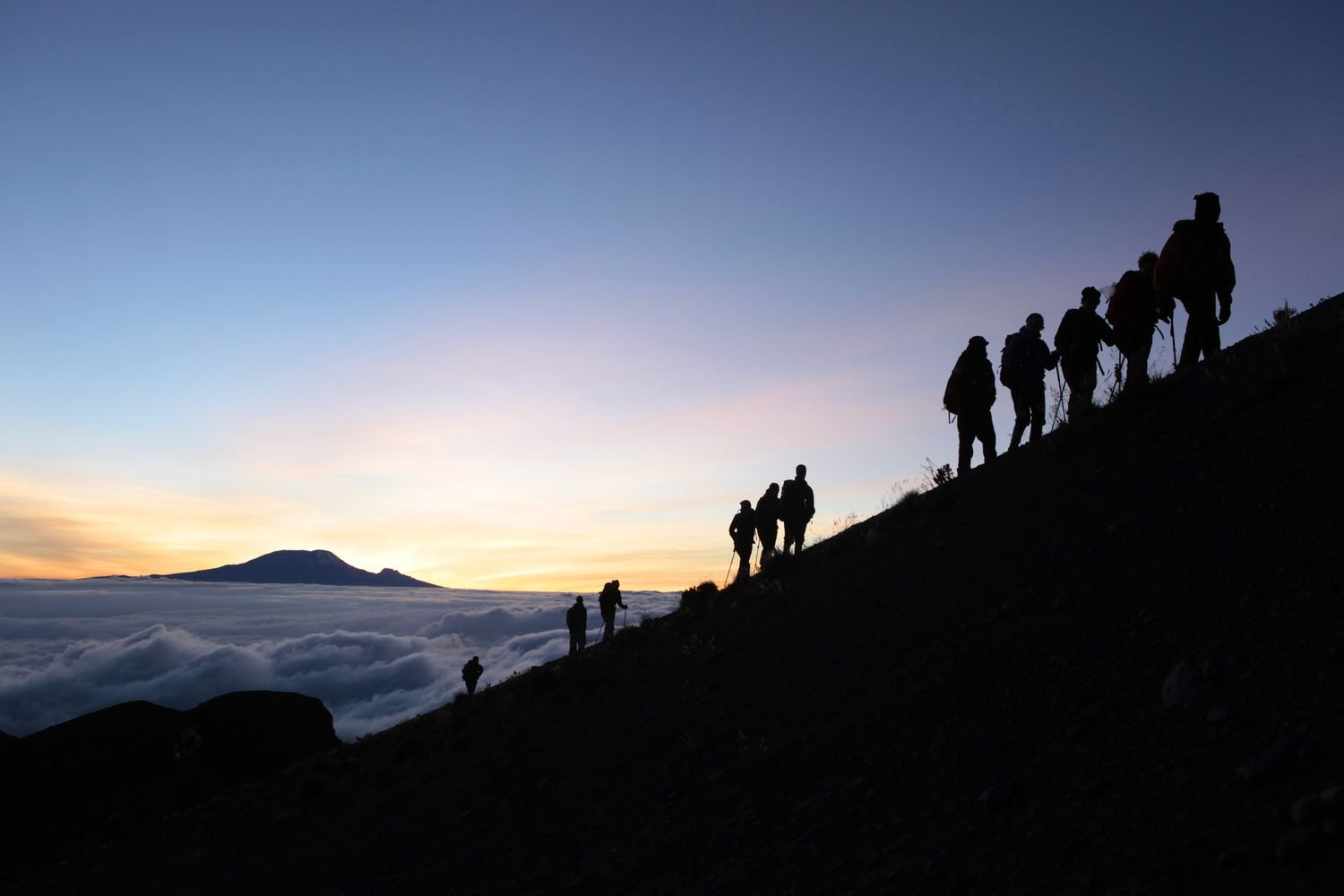
It is also, honestly, three different holidays with three different rhythms, and part of planning it well is accepting that. The climb is early starts, cold and effort. The safari is early starts, warmth and stillness. Zanzibar is no starts at all. Travellers who arrive expecting one continuous experience find the gear changes jarring; those who arrive expecting three distinct chapters find the contrast is the pleasure. We say this at the quoting stage so that nobody is surprised on day nine.
The only order that works
Climb first, safari second, beach last. There is no sensible alternative. The climb is the physically demanding part and you want fresh legs, not legs that have spent five days folded in a Land Cruiser. The safari is the recovery — long, unhurried days being driven through extraordinary country — and it is far better spent with sore quadriceps than the climb would be. And Zanzibar is where you stop moving, which is not something you want to do on day three with the mountain still ahead.
There is a practical reason too. Kilimanjaro's routes begin from Moshi or Arusha, the safari begins from Arusha, and Zanzibar is a short flight from Arusha or the Serengeti. Running the trip in that order means every transition is a short hop in the same direction. Reversing any part of it adds a backtrack.
One exception is worth naming. If someone in the party is not climbing, the order can flex: the non-climber can do a short safari or go straight to Zanzibar while the climb happens, and the group reunites afterwards. That is a different trip with two itineraries running in parallel, and we plan it often. For a group where everyone climbs, the order above is the one.
The fourteen-day shape
Days one to eight belong to the mountain. Land at Kilimanjaro International, spend the first night in Arusha or Moshi for a briefing and a gear check, then climb for six or seven days depending on the route. Lemosho over seven or eight days and Machame over six or seven are the routes we recommend for the balance of scenery and acclimatisation; the longer profiles have markedly better summit success, and on a trip that also has to fit a safari and a beach, failing to summit because the climb was rushed is the one outcome to avoid. You come off the mountain on day seven or eight and sleep in Arusha.
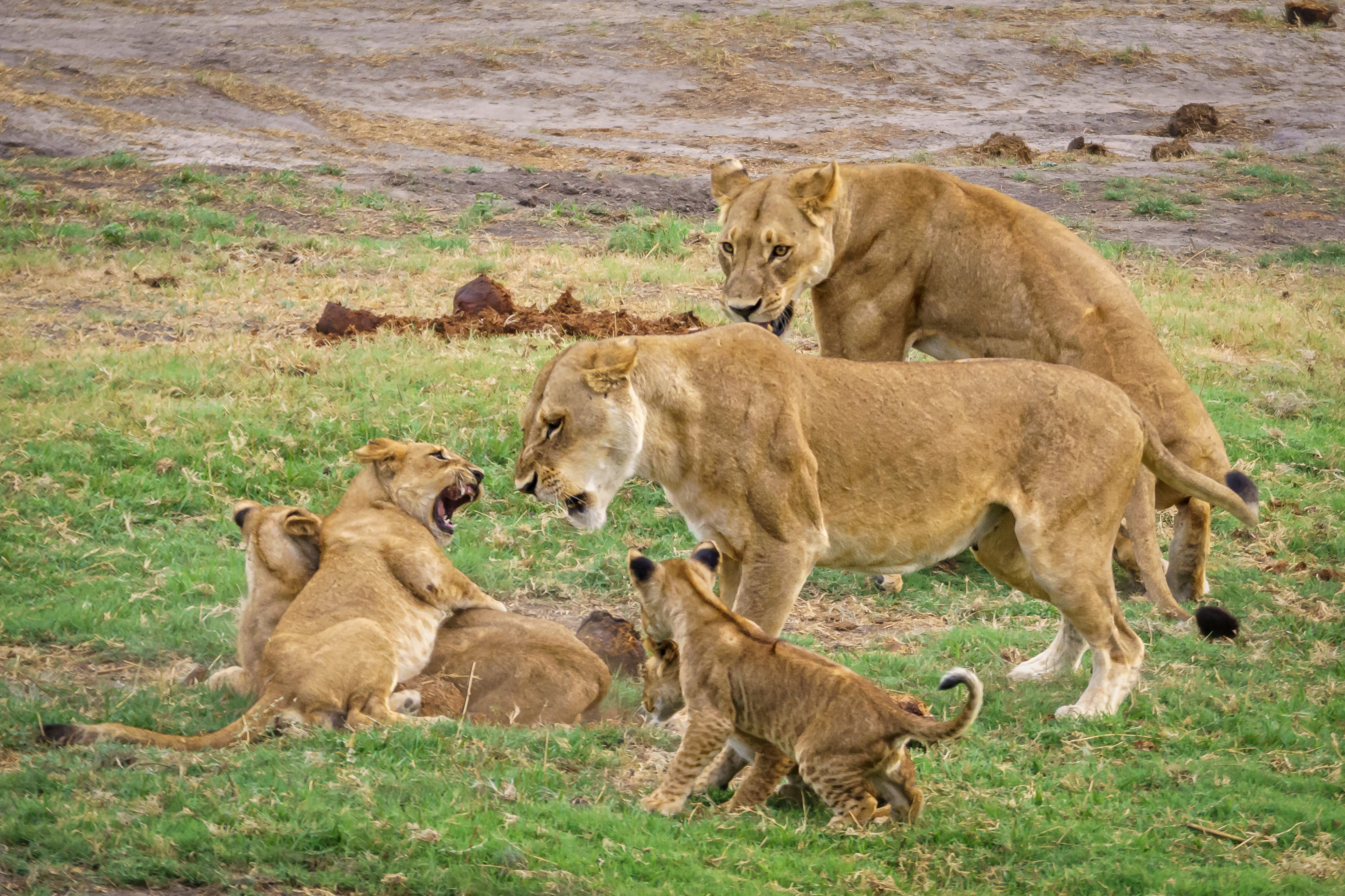
Days nine to twelve are the safari, and this is where fourteen days bites. The classic northern circuit is Tarangire, the Ngorongoro Crater and the Serengeti, and doing all three properly takes five or six days. In a four-day window you have to choose. Our recommendation is to drive to the crater on day nine, spend day ten on the crater floor and drive into the Serengeti that afternoon or the next morning, and take two full days in the Serengeti before flying out. Tarangire is the sacrifice, and it is a real one; it is where an extra day goes first.
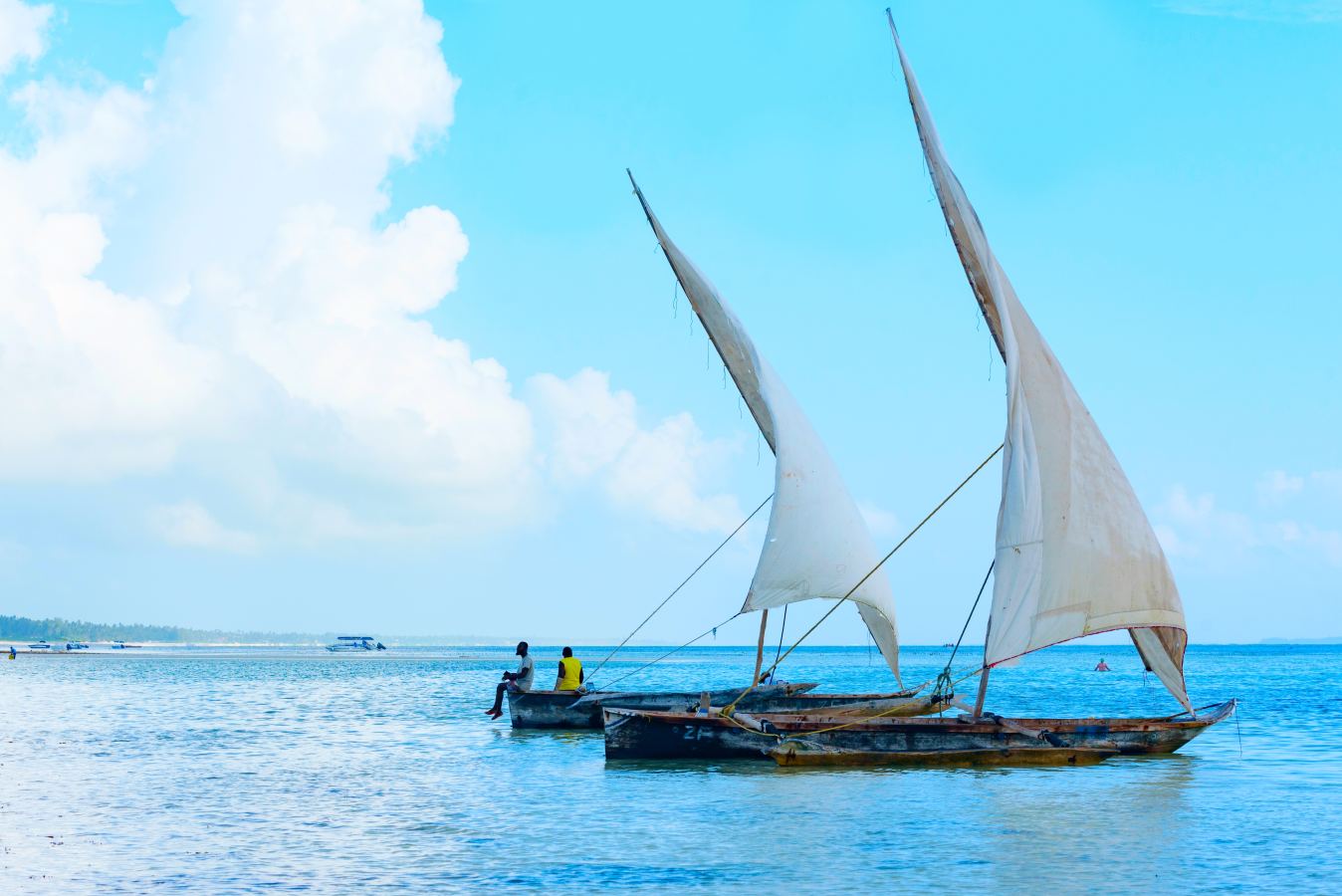
Days thirteen and fourteen are Zanzibar, which is barely enough. You fly from the Serengeti's airstrip to Zanzibar on the morning of day thirteen, arriving at the beach by early afternoon, and you leave on day fourteen. Two nights is a rest, not a holiday. Three is the minimum at which Zanzibar starts to feel like a destination rather than a transfer.
Choosing a route and an operator for the climb is covered in Kilimanjaro tours and operators, and the beach half in our Zanzibar and safari combination guide.
More on this in Zanzibar vacation: how to plan the perfect island week.
A note on the descent day, because it is the one people plan wrongly. You come off the mountain at the gate around midday on day seven or eight, physically spent, and the temptation is to drive straight to the first safari camp. Do not. The Arusha night is when the body recovers, the mountain kit gets stored, a proper shower and a proper bed do their work, and the guide for the safari half meets you and briefs you. Starting the safari the following morning with a two-hour drive to the crater highlands is a gentle re-entry. Starting it the same afternoon is not.
Where an extra day goes
If you can find one more day, put it in the Serengeti or Tarangire, not on the beach. A fifth safari day either restores Tarangire — the northern circuit's best elephant park, with a landscape of baobabs that looks like nowhere else — or gives the Serengeti a third night, which is where the difference between seeing the plains and experiencing them lives. Two more days and you have the full northern circuit plus three nights on Zanzibar, which is the sixteen-day version and the one we would build if the calendar allows.
What we would not do is shorten the climb to make room. Every day taken off Kilimanjaro's acclimatisation profile lowers the chance of reaching the summit, and the summit is the point. A trip that fits perfectly into fourteen days but ends at Stella Point rather than Uhuru Peak is not a success, whatever the beach was like afterwards.
What it costs, stacked honestly
Three trips in one means three costs in one, and it is better to see them stacked than blended into a single number. A well-run Kilimanjaro climb on a seven-to-eight-day route sits at roughly 2,200 to 3,000 US dollars per person; the park and porter charges alone are 900 to 1,100 dollars per climber before wages, so a much cheaper climb is being funded by someone, usually the crew. A private four-day northern-circuit safari at a good standard runs around 350 to 550 US dollars per person per day all-inclusive, so roughly 1,400 to 2,200 for the four days, with the crater descent at about 300 dollars per vehicle and Serengeti fees of around 70 dollars per adult per day inside that. The Serengeti-to-Zanzibar flight is in the region of 300 to 450 dollars per person, and Zanzibar itself costs whatever standard of beach hotel you choose.
As a working total for the fourteen-day version at a good mid-to-upper standard, travelling as a couple: somewhere between 5,500 and 8,000 US dollars per person, excluding international flights. Luxury camps on the safari and a top resort on Zanzibar take that higher. The climb is the fixed part; the safari and the beach are where the range lives.
There is one cost most people forget: the days you are not on the mountain still cost something. A rest day in Arusha, the transfer from the gate, the stored luggage, the briefing — these are small, but they are real, and a quote that shows the climb and the safari and the beach as three clean numbers with nothing between them has left them out. Ask for the transitions to be itemised. It is a good test of whether the operator has actually run this combination or merely added three prices together.
Kit, timing and the things people forget
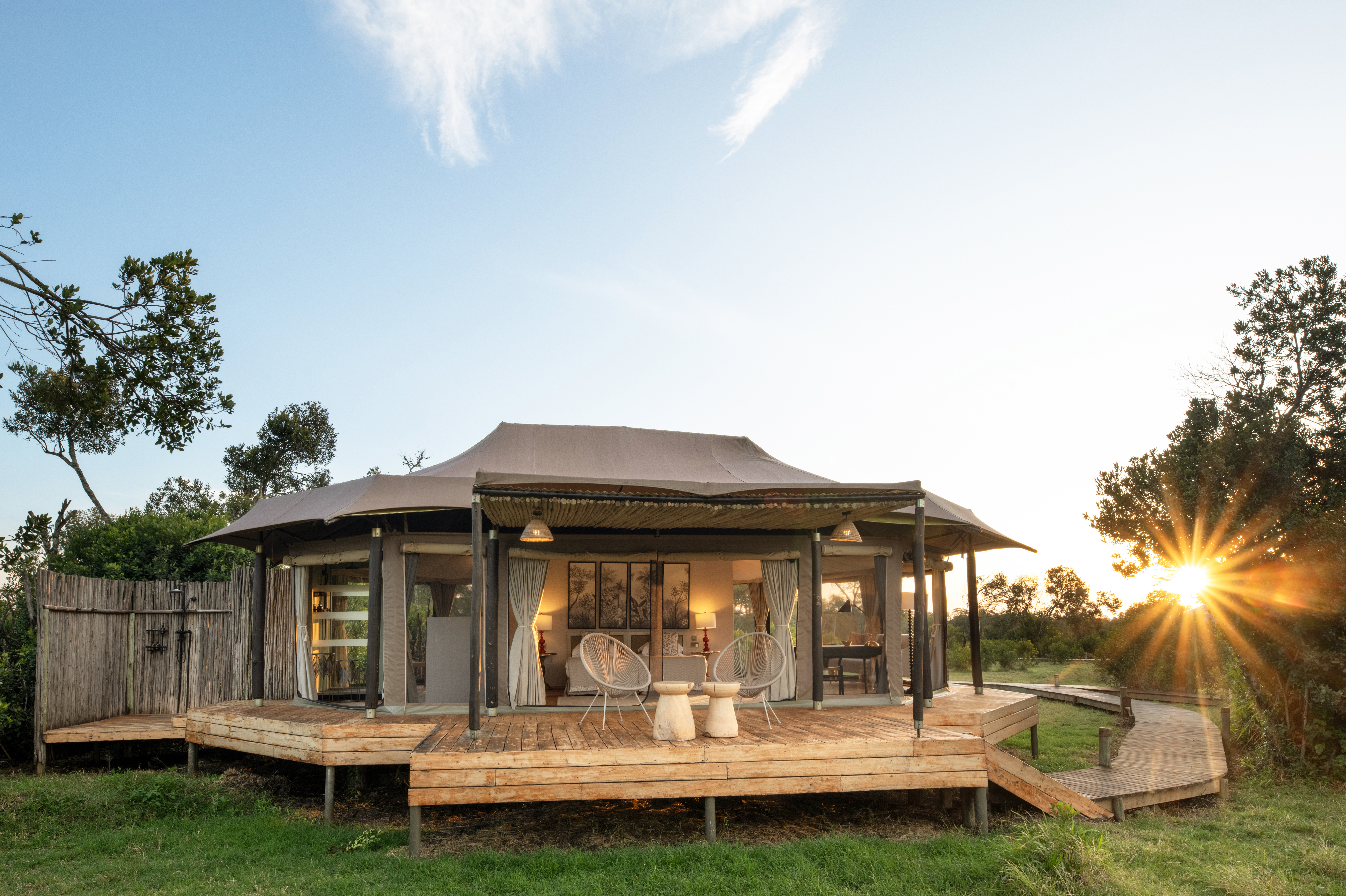
You are packing for three climates. The mountain needs proper layers down to well below freezing at the summit; the safari needs neutral colours and a light fleece for dawn; Zanzibar needs almost nothing. The trick is to leave a bag with us in Arusha after the climb — the mountain kit stays behind and you carry only the safari-and-beach bag onward, which also keeps you under the 15-kilogram soft-bag limit on the light aircraft into and out of the Serengeti.
On timing, the dry seasons — June to October and January to February — are the best for the climb and for the Serengeti, and Zanzibar is fine in both. July to September is peak everywhere and camps book many months ahead. If you are set on that window, book the climb and the Serengeti camps first, together, as early as you can.
Insurance is the other thing people forget, and on this trip it needs to cover three different risks. The mountain requires a policy that explicitly covers trekking to 6,000 metres with helicopter evacuation, because rescue is paid for by your insurer, not the park. The safari and the beach need ordinary travel cover including medical evacuation. Most single policies will do all three if the altitude clause is present; check it, because a policy that stops at 4,000 metres stops well below the summit.
The two-week version, day by day
- Day 1 — land at Kilimanjaro, Arusha or Moshi, briefing
- Days 2–8 — Lemosho or Machame, summit, descend
- Day 8 — night in Arusha, mountain kit stored
- Day 9 — drive to the Ngorongoro highlands
- Day 10 — crater floor, on to the Serengeti
- Days 11–12 — Serengeti, full days
- Day 13 — fly Serengeti to Zanzibar
- Day 14 — Zanzibar, fly home
It works. It is tight, and Tarangire is missing, and Zanzibar is short, and we will say all of that when we quote it. If you can add a day, we will tell you where it goes. If you cannot, we will make the fourteen run like clockwork, because the one thing this trip cannot absorb is a missed connection.
Two things make that schedule hold. The first is booking the mountain, the camps and the flights together, at the same time, so that every hand-off is confirmed before the first deposit is paid. The second is a single operator responsible for all three parts, so that if the descent runs late there is one phone call to make and one company that has to solve it. Three operators for three parts is how fourteen days becomes fifteen without anyone choosing it.
Tell us your dates
Send us your arrival and departure dates and your fitness picture, and we will send back the fourteen-day version costed, and the sixteen-day version alongside it so you can see exactly what the extra days buy. We are an Arusha-based licensed operator and we run all three parts.
Plan Kilimanjaro, the Serengeti and Zanzibar with Sokwe
Frequently asked questions
Is 14 days enough for Kilimanjaro, the Serengeti and Zanzibar?
Yes, in one order — climb, safari, beach — with no slack. It means a six-to-seven-day route on the mountain, four safari days without Tarangire, and only two nights on Zanzibar. One or two extra days transform it.
Which order should I do the three in?
Climb first, safari second, Zanzibar last. Fresh legs for the mountain, the safari as recovery, and the beach to stop moving. Any other order adds backtracking and puts the climb on tired legs.
Which Kilimanjaro route fits a 14-day trip?
Machame over six or seven days or Lemosho over seven or eight. Do not shorten the climb to make room — every day off the acclimatisation profile lowers your chance of reaching the summit.
Where should an extra day go?
The Serengeti or Tarangire, not the beach. A fifth safari day restores Tarangire or gives the Serengeti a third night. Two extra days gives the full northern circuit plus three nights on Zanzibar — the sixteen-day version.
How much does the combination cost?
Roughly 5,500 to 8,000 US dollars per person at a good standard as a couple, excluding international flights: about 2,200 to 3,000 for the climb, 1,400 to 2,200 for four safari days, the flight to Zanzibar, and the beach hotel of your choice.
How do I pack for three climates?
Bring the mountain kit and a lighter safari-and-beach bag. After the climb, leave the mountain bag with us in Arusha and carry only the second bag onward — it also keeps you under the 15 kg soft-bag limit on the Serengeti flights.