
How many days does a Zanzibar vacation really need?
A Zanzibar vacation is easy to enjoy and surprisingly easy to plan badly. The island is barely 90 kilometres top to bottom, yet the difference between a good week and a wasted one comes down to a few decisions made months ahead — how many nights you give it, which coast you sleep on, and what the tide does to your afternoon swim. This is the planning piece: not a ranking of beaches or a list of excursions, but how to shape the week itself, from your first night in Stone Town to the airport transfer.
The honest answer on length is seven nights. Three or four is a beach extension, not a holiday: by the time you have absorbed the flight, the heat and the first sunset you are packing again. Seven nights lets you give Stone Town its due, settle into one beach, take two or three excursions without rushing, and still spend two days doing nothing but reading and swimming. Ten is lovely if you want two coasts. Fourteen feels long unless you are diving or deeply committed to the horizontal life.
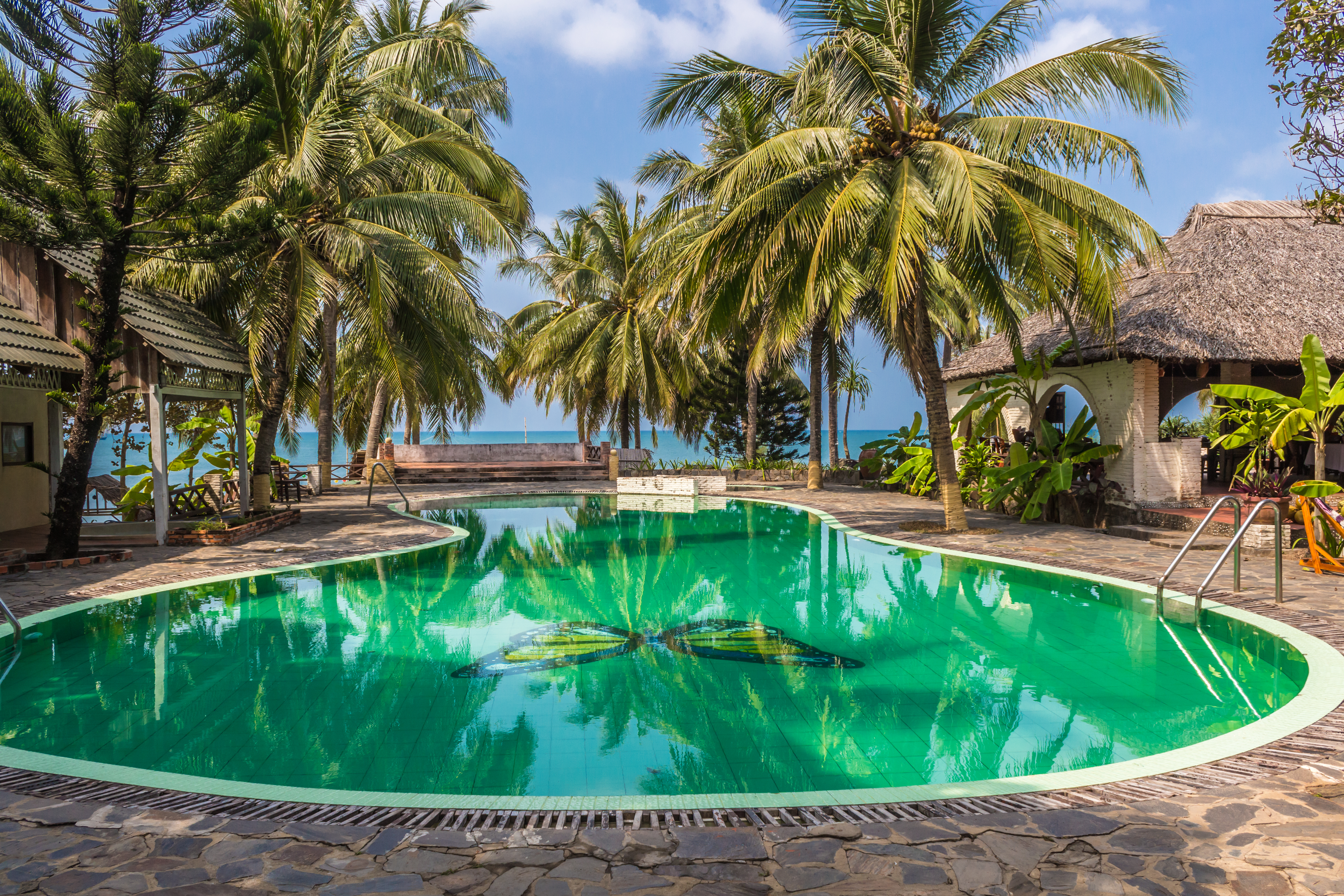
The other rule of good Zanzibar trip planning is that the island rewards staying still. Roads are slower than the map suggests, so a week split across three hotels loses two days to transfers and check-ins. One base, or at most two, is the better call.
The classic week shape: Stone Town first, then the beach
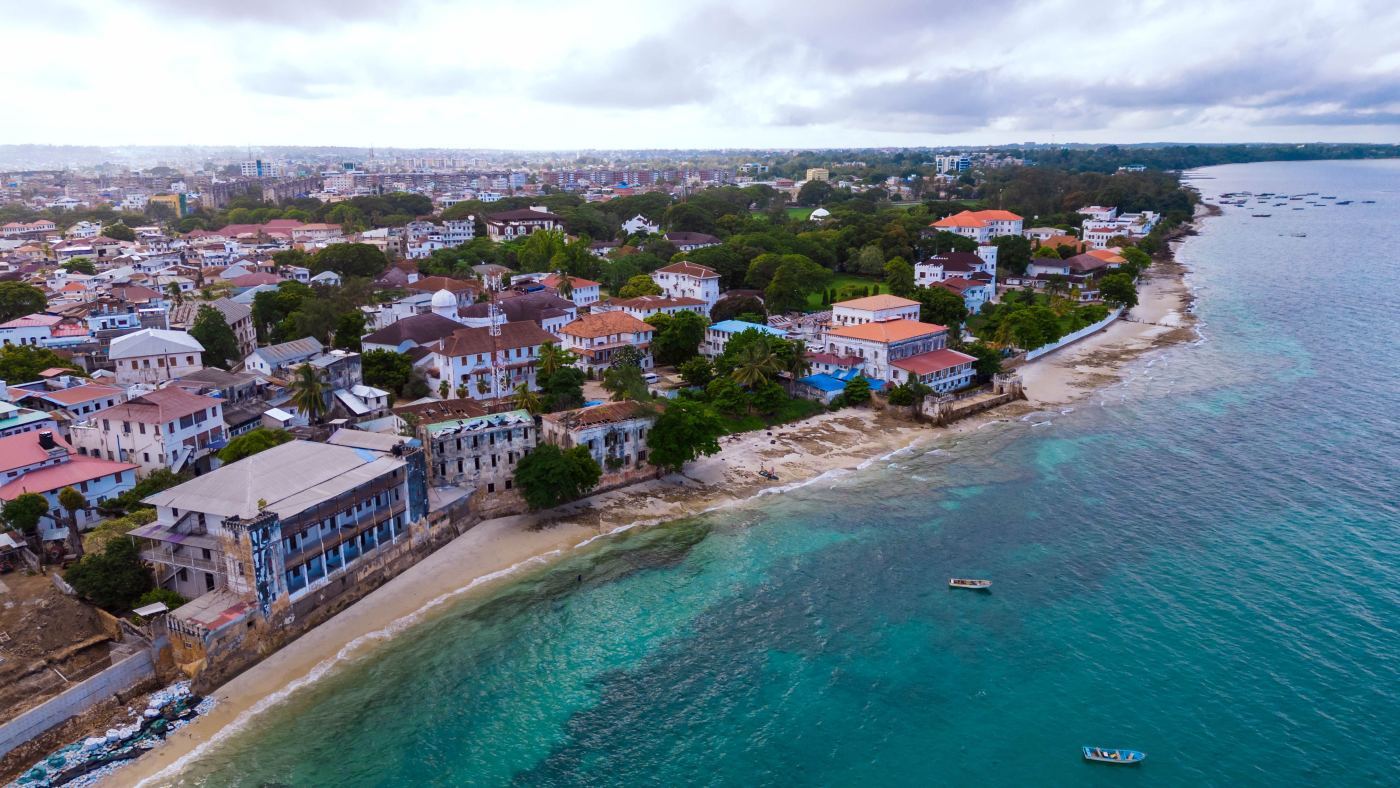
The shape that works, almost universally, is one or two nights in Stone Town followed by five on a beach. Stone Town first has a practical logic: it sits ten minutes from the airport, so you avoid a two-hour drive after a long-haul flight, and it gets the cultural half of the island done while you still have energy. In reverse it means dragging yourself off a sun lounger into a hot, busy city on your final night, and almost nobody enjoys that.
Two nights beats one if the history interests you. One night gives you a sunset, a dinner and a morning walking tour; two lets you see the old Slave Market and Anglican cathedral properly, browse Darajani market at its best, fit in a spice farm trip, and eat at the Forodhani food stalls without racing a clock. Treat one night as the minimum and two as the comfortable version.
A day-by-day week that actually works
Here is the week we build most often. Day one: land at Abeid Amani Karume International, transfer ten minutes into Stone Town, sleep off the flight, and walk to the seafront for the sunset and the food stalls. Day two: a morning walking tour of the old town, a spice farm visit or an afternoon at leisure, then a rooftop dinner. This is the day that gives the island context — the Omani, Persian, Indian and Swahili layers that make Zanzibar unlike anywhere else.
Day three: transfer to your beach after breakfast, arriving for lunch, and do nothing for the rest of the day. Day four: your big excursion, whether Mnemba atoll snorkelling, Safari Blue from the south-west or a Jozani forest day. Day five: a deliberate rest day. Day six: something lighter, a dhow sunset cruise, a kite lesson or a dive. Day seven: the last full beach day, kept free. Day eight: airport transfer, allowing three hours for the drive and check-in.
- Night 1–2 Stone Town — walking tour, spice farm, Forodhani sunset
- Day 3 transfer to the coast, settle in, no plans
- Day 4 the big excursion — snorkelling, sandbank or reef
- Day 5 rest day, nothing scheduled
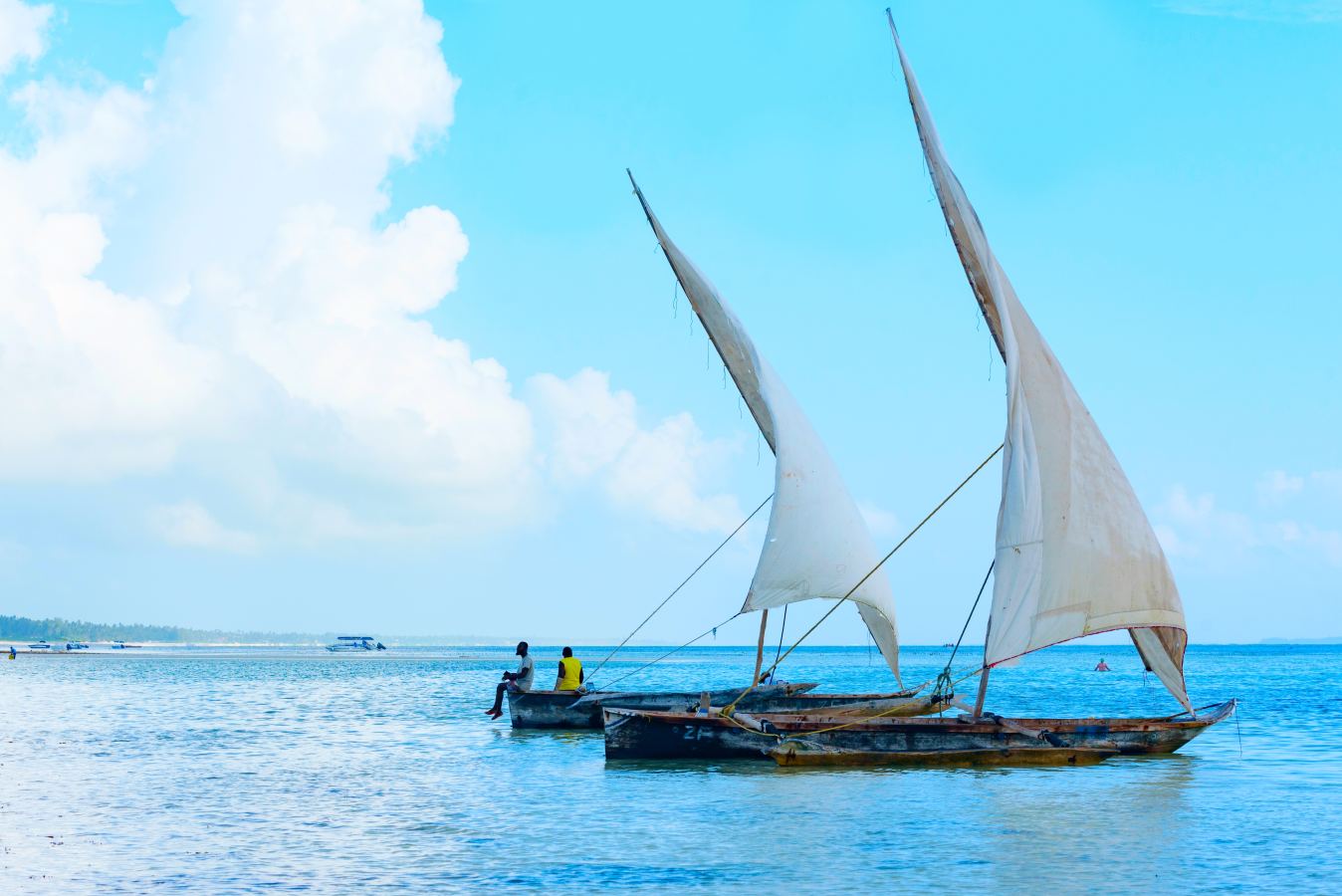
- Day 6 dhow sunset cruise or a second light activity
- Day 7 free beach day
- Day 8 airport transfer, three hours door to gate
The two rest days are the point, not padding. Zanzibar at midday is hot and humid, and the honest rhythm of the island is an early start, a long lazy middle and a golden late afternoon. Itineraries that schedule something daily feel exhausting by day five. If you take one thing from this Zanzibar holiday guide, make it this: book two excursions for a week, not five. You can add something on the ground; you can never get a day back.
Choosing your coast: swimming, snorkelling, nightlife or quiet
This is the decision that most affects your week, and where most disappointment originates. Zanzibar's coasts are genuinely different, and the brochure photograph of white sand and turquoise water is true of all of them — it just will not tell you whether you can swim at three in the afternoon. The north coast around Nungwi and Kendwa has the mildest tidal range on the island: swimmable water more or less all day, the busiest beach scene, the most bars and restaurants within walking distance, and the best sunsets, being the only coast facing west.
The east coast — Paje, Jambiani, Bwejuu, Michamvi — has the most dramatic tides, a wide shallow lagoon behind a reef, and a far quieter feel. At low tide the water withdraws several hundred metres and you walk out across seagrass flats among the seaweed farmers; at high tide it returns as a warm turquoise pool. Paje is the kitesurfing capital of the Indian Ocean; Jambiani and Bwejuu are quiet and villagey. It is the coast for wind sports, long empty walks and low prices, not for guaranteed afternoon swimming.
The north-east around Matemwe is the snorkelling and diving choice, being closest to Mnemba atoll, while the south-west around Fumba suits sandbank trips and travellers who want to stay near Stone Town. Our separate guide ranks the beaches in detail. The planning rule is simple: pick your coast by your first priority. Reliable swimming and nightlife means north. Snorkelling means north-east. Wind sports, quiet and value mean east. Choose the coast first and the hotel second; most people do the reverse and regret it.
Tides: the thing nobody tells you before booking
Zanzibar's tidal range reaches three or four metres on the east coast, and it governs your day more than the weather does. At spring low tide the sea can be a twenty-minute walk away, which is precisely why hotel pools exist. None of this is a problem if you know in advance: tide tables are published months ahead, and snorkelling and sandbank trips have to be booked around them anyway. If swimming whenever you feel like it is non-negotiable, book the north coast. If you want the east coast's space and prices, choose a hotel with a good pool and treat the low-tide flats as a feature rather than a fault.
What a Zanzibar week costs in 2026
Costs vary with season and standard, so here are realistic 2026 ranges for seven nights per person sharing, excluding international flights. At the budget end, expect roughly 700 to 1,200 US dollars: guesthouses and small beachfront hotels at 50 to 100 dollars a night with breakfast, local restaurants, shared transfers and one or two group excursions. This is an entirely pleasant way to do Zanzibar, particularly on the east coast.
Mid-range runs about 1,800 to 3,200 dollars per person for the week: good four-star beach hotels at 180 to 350 dollars a night on half board, private transfers, two or three private excursions, and a night or two in a characterful Stone Town boutique house. Luxury starts around 4,500 and runs past 9,000 — the well-known north-east and private-island properties at 600 to 1,500 dollars a night, all-inclusive or full board, private boats rather than shared.
A few costs catch people out. All-inclusive is not always the saving it looks: on the east coast, where good cheap restaurants sit along the beach, half board plus eating out is often better value, while in remote north-east locations with no walkable alternatives it genuinely pays. Add the 25-dollar mandatory visitor insurance, the 50-dollar visa for most nationalities, and 15 to 30 dollars per airport transfer. Excursions run 40 to 90 dollars in a group and 150 to 400 privately.
When to go, and the honest rain months
The best months are June to October and late December to February. June through October is the long dry season: warm, sunny, low humidity, the reliable choice and the one that pairs naturally with a mainland safari. January and February are hotter and more humid but bright, with the calmest sea of the year and the best visibility for diving. This is peak season for good reason, and Christmas and New Year book out a year ahead at the better properties.
Now the honest part. The long rains run from late March through May, and April and May are the wettest months, with heavy afternoon downpours, high humidity and a number of hotels and dive centres closed outright. Prices halve and the island empties, which suits some travellers, but it is not a week to gamble your only holiday on. November brings the short rains, briefer showers that rarely spoil a day, and stays decent value.
Getting there and moving around the island
Most travellers arrive one of three ways. Direct international flights land at Abeid Amani Karume International from Doha, Dubai, Addis Ababa, Nairobi, Istanbul and several European charter cities. Alternatively you fly into Dar es Salaam or Kilimanjaro and connect on a twenty- or ninety-minute domestic hop, the standard route for anyone combining the island with a safari. The third option is the fast catamaran from Dar es Salaam, around two hours, cheaper but a longer day overall.

On the island, private transfers are the sensible default and cheap by international standards. Reckon on 45 minutes to Fumba, an hour to Matemwe and up to two hours to Nungwi, Paje or Jambiani, allowing more in the late afternoon when Stone Town traffic thickens. Taxis are widely available but agree the fare first. Hiring a car or scooter is possible with a temporary local permit, though unfamiliar roads, roaming livestock and enthusiastic police checkpoints mean most visitors are happier with a driver.
Packing, etiquette and practical basics
Zanzibar is a predominantly Muslim island and the etiquette is straightforward. Beachwear belongs on the beach; in Stone Town and the villages, cover shoulders and knees. During Ramadan, avoid eating or drinking in public in daylight. Ask before photographing people. Pack reef-safe sunscreen, a rash vest, reef shoes for the east coast flats, insect repellent and far less clothing than you think. Bring clean post-2009 US dollar notes for visas and tips, take malaria advice from your travel clinic, and do not drink the tap water.
See also our safari and Zanzibar honeymoon.
Related reading: our combining a safari with Zanzibar.
Pairing Zanzibar with a mainland safari
The most rewarding version of a Zanzibar vacation, for first-time visitors to Tanzania, is the bush-and-beach combination: four to six nights on the northern circuit (Tarangire, the Ngorongoro Crater and the Serengeti), then five to seven on the island. A safari is wonderful but genuinely demanding, all early starts and long drives, and arriving on a Zanzibar beach afterwards with nothing to do turns a good trip into a memorable one. The connecting flight from the Serengeti or Arusha runs daily.
Do it in that order, safari first, and give the island at least five nights so the beach half is a holiday rather than a pause. Ten to fourteen nights total is the sweet spot. The one thing to watch is luggage: light aircraft between the parks and the coast impose soft-bag-only limits of around 15 kilograms including hand luggage, so plan to leave a case in Arusha. Trivial in advance, a genuine headache at the airstrip.
The best Zanzibar weeks are not the fullest ones. Two nights of Stone Town, one beach, two excursions and four unstructured days beats a five-hotel tour every time.
Plan your Zanzibar vacation with Sokwe
Zanzibar is forgiving enough that almost any week there is a good one, but the difference between a fine holiday and a flawless one is in the planning: the right number of nights, the right coast, excursions timed to the tides, transfers that do not eat your days, and a rhythm that leaves room to do nothing. We are based in Arusha and build these weeks constantly, on their own and as the beach half of a northern circuit safari. We plan Zanzibar weeks that flow — tell us your dates, your budget and what matters most to you, and we will build yours.