
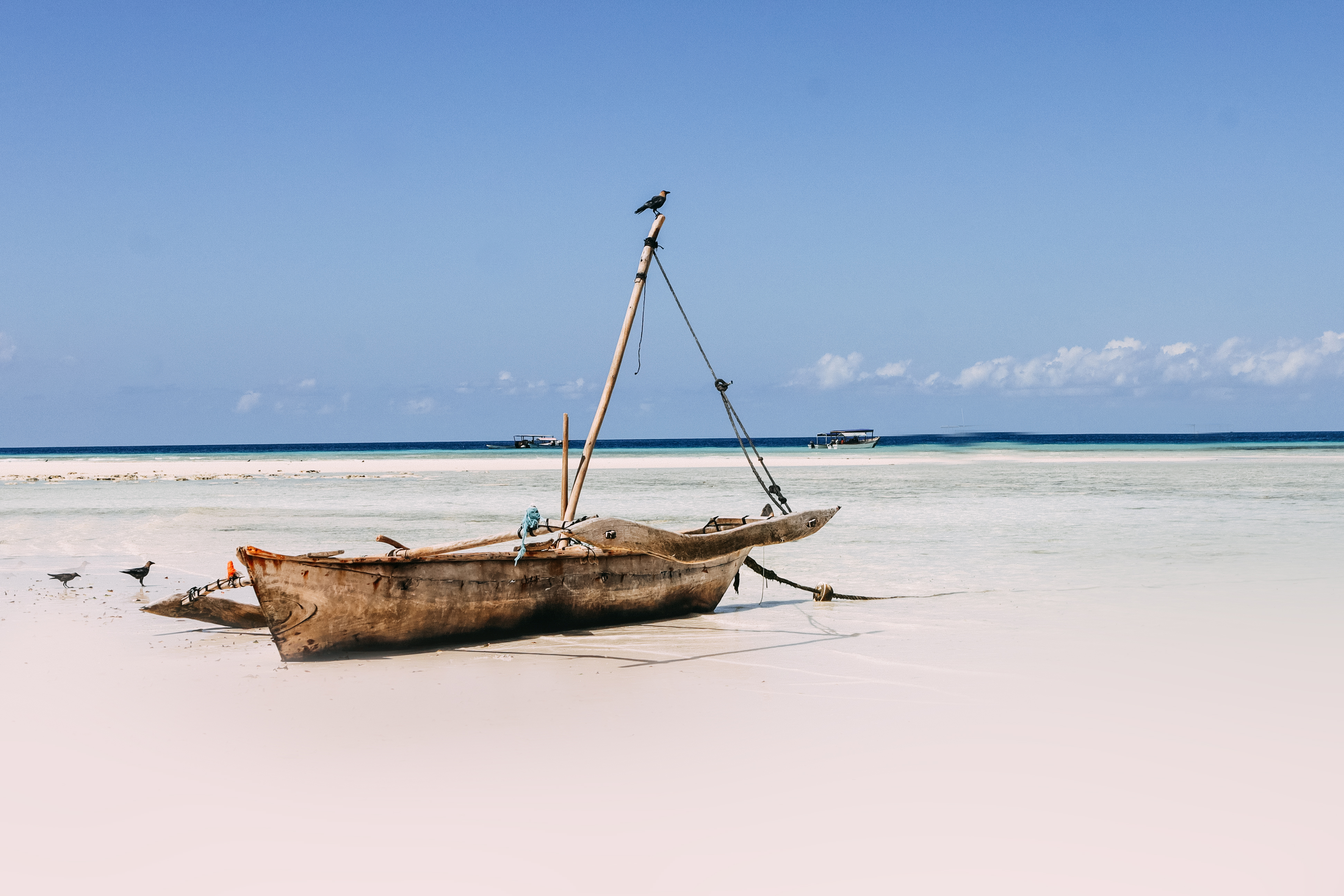
Why safari and beach holidays work so well
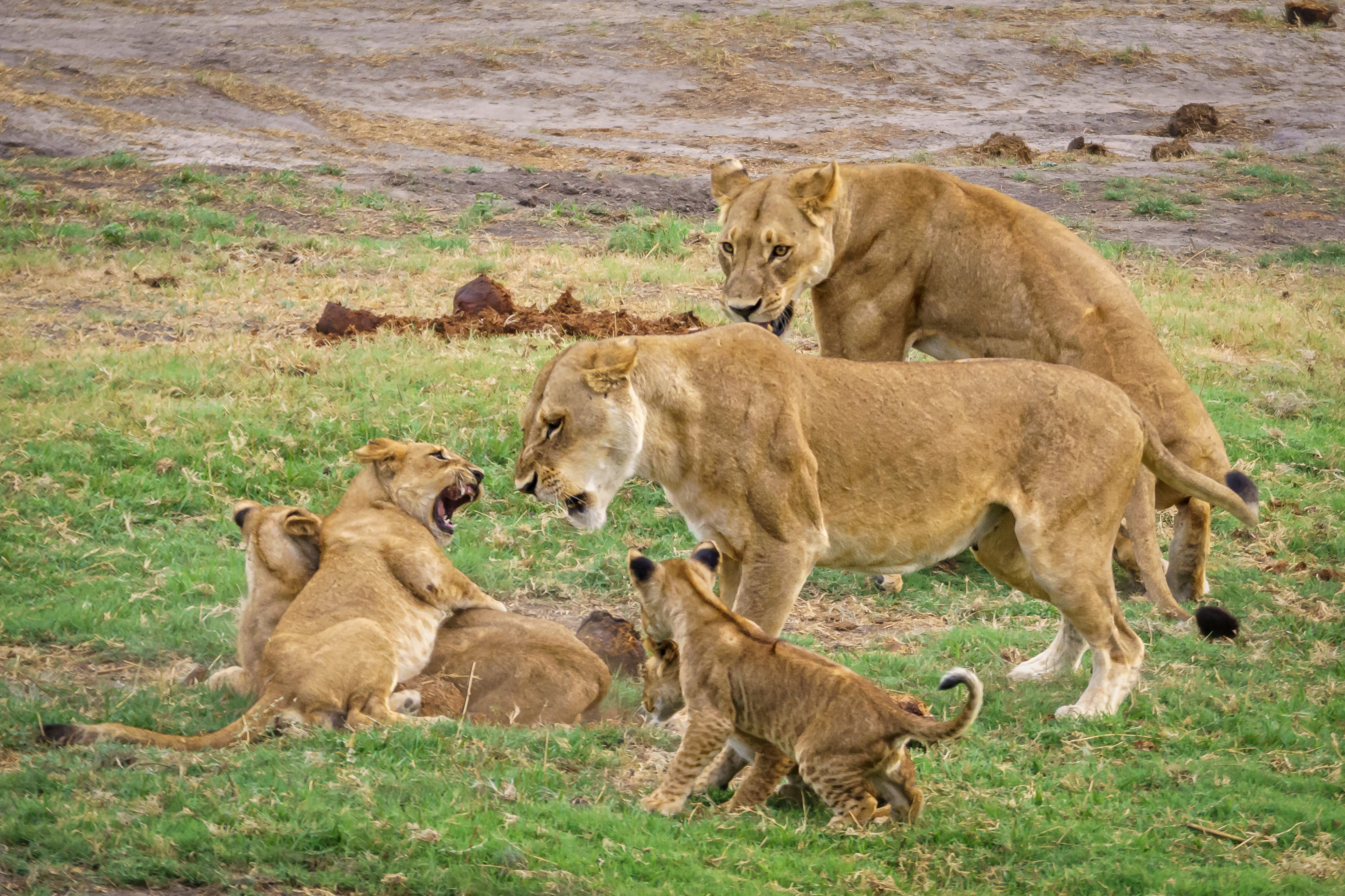
Safari and beach holidays are the trip we at Sokwe Africa Safaris are asked for more than any other, and for good reason: Tanzania is one of very few countries where a world-class safari and a world-class beach sit an hour and a half apart by air. You can watch lions on the Serengeti plains on a Tuesday morning and be swimming off Zanzibar by Thursday lunchtime, with no long-haul connection, border crossing or change of currency. Everything here comes from building that itinerary, in its many shapes, week after week.
The deeper reason the combination works is psychological rather than geographical. A safari is thrilling but relentless: 5.45am wake-ups, hours in a vehicle on corrugated roads, constant looking, constant adrenaline. It is wonderful, and by day six most people are quietly exhausted. Zanzibar answers that exactly — no alarm, no schedule, nothing to spot. The stillness only feels that good because of what came before it, and the safari stays vivid because you had days on a beach to process it. Adrenaline then stillness, in that order.
The ideal split: how many days for each half
Most safari and beach holidays work best as seven days on safari and five to seven on the coast — twelve to fourteen days on the ground. Seven safari days is the point at which the northern circuit stops feeling rushed: two nights Tarangire or Lake Manyara, one on the Ngorongoro crater rim, three in the Serengeti, the driving spread sensibly rather than crammed. Below five days you are paying full park fees to sit in a vehicle getting between parks, the single most common mistake in a bush and beach holiday.
If you only have ten days, do not shave days off both halves equally. Keep the safari at five or six nights and take the beach down to three or four — a short beach stay still decompresses you, whereas a short safari simply disappoints. With a full fourteen days, add the extra nights to the coast rather than the bush: a seventh and eighth beach day costs relatively little and is where the holiday actually becomes restful. Sixteen days lets you add Ruaha or a Stone Town night without compressing anything.
Why safari always comes first
We have never once built this trip beach-first by choice, and we would gently talk you out of it. Safari mornings start before dawn and the days are physically demanding; you want to meet them fresh, on the energy of arrival, not four days into holiday mode with sun on your shoulders and rum in your system. Jet lag also works in your favour here — travellers arriving from the UK, Europe and the US are naturally waking early for the first few days, which is precisely what a 6am game drive asks of them.
Reversed, the trip sags. Guests who beach first arrive in the Serengeti already relaxed, find the early starts a chore, then fly home straight off the back of dusty roads and short nights, landing in need of a holiday. One honest exception: if you arrive on a punishing multi-leg flight and have days to spare, two nights on the coast purely to sleep before flying inland can work. But the decompression belongs at the end, where it does its job.
The logistics that make or break the trip
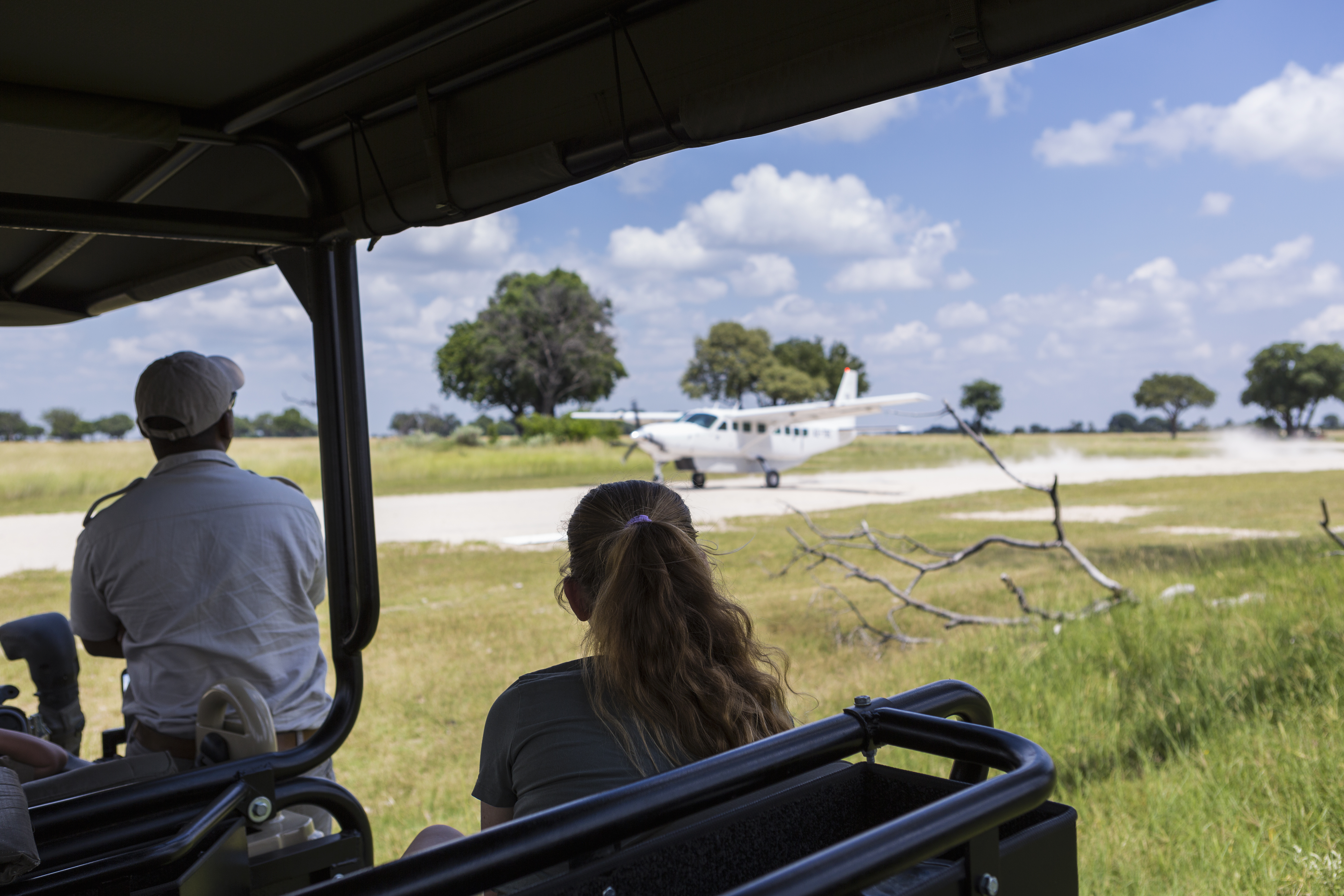
The link between the two halves is a short scheduled flight, and it deserves more attention than most people give it. Coastal Aviation and Auric Air fly Arusha to Zanzibar daily, typically an hour and a half in a light aircraft, often with a brief touchdown en route. You can also fly direct from an airstrip inside the Serengeti, which saves a long drive back to Arusha and is usually worth the extra cost. Expect roughly USD 250 to 400 per person one way in 2026.
Luggage is where this trip most often goes wrong. Light aircraft in Tanzania restrict you to around 15kg per person in a soft-sided bag, hand luggage included, and hard suitcases are genuinely refused at the airstrip — the rule is not waived at check-in. Pack safari and beach clothing into one soft holdall each, and leave the rest in secure storage in Arusha, which every reputable operator including ourselves arranges free of charge. Camera gear counts towards the allowance, so declare it when we book the seats.
Timing is the third trap. Do not book the safari-to-beach flight for the same day you exit the Serengeti by road, and never book your international departure for the day you leave Zanzibar unless it is late evening. Build a buffer night into the coastal half, and if your long-haul home leaves from Kilimanjaro rather than Zanzibar, remember you need a second internal flight back — we would usually rebook you onto a Zanzibar departure instead.
Which beach for which traveller
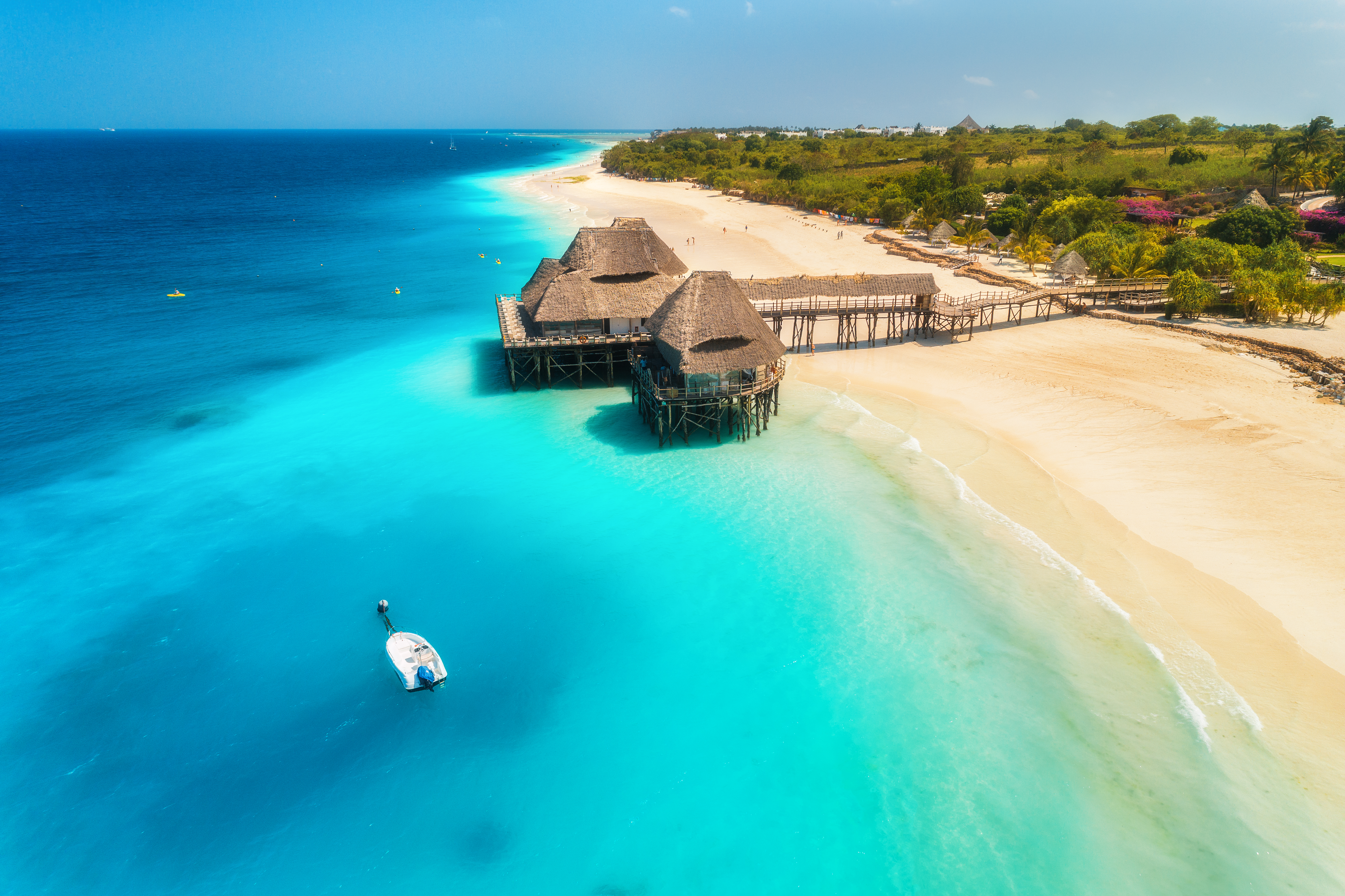
Zanzibar is not one beach, and choosing the wrong stretch of coast is the quickest way to sour an otherwise excellent safari beach combo. The north — Nungwi and Kendwa — has the island's most forgiving tides, so you can swim from the shore at any hour. It is also the liveliest part of the island, with bars, dhow sunsets and a steady hum of other travellers. We send first-timers, groups and anyone whose main requirement is getting into the sea whenever they feel like it.
The east coast is a different proposition. Matemwe, Pongwe, Kiwengwa and Michamvi are quieter and better for genuine seclusion, with Matemwe facing Mnemba atoll and the island's best snorkelling. The trade-off is the tide: here the ocean withdraws several hundred metres twice a day, exposing seagrass flats, and for a few hours swimming means a hotel pool. That is fine if you know in advance and choose a property with a good pool; it is a real disappointment if nobody told you. We send guests the tide tables before confirming.
The south-east, at Paje and Jambiani, is the kite-surfing coast — young, barefoot, good value and windy from June to September, which is what some travellers want and what a honeymooning couple usually does not. If you would rather skip the island, Ras Kutani and Saadani offer empty mainland coastline within reach of Dar es Salaam, while Mafia and Pemba suit divers who want reefs without resorts. Our fuller comparisons of each stretch are worth reading before you commit.
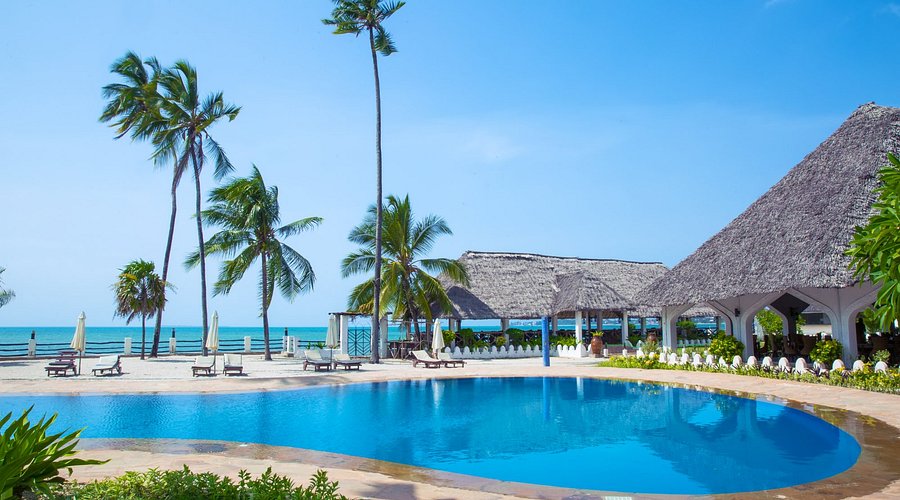
What a safari and beach holiday costs in 2026
For a twelve to fourteen day trip in 2026, priced per person sharing and excluding international flights, a comfortable mid-range version lands at roughly USD 4,800 to 6,800. That buys a private vehicle and guide, good tented camps and lodges on the safari half, the internal flight, and a solid three or four-star beach hotel on a bed-and-breakfast basis. It is not backpacking, and it is the band most of our couples and families actually book. Group departures and shared vehicles can bring it below USD 4,000, with the compromises that implies.
The premium band, around USD 8,000 to 12,000 per person, moves you into better-sited Serengeti camps, a crater-rim lodge with the view, and a beach property with proper service and a good pool. Above roughly USD 14,000 you are into genuine luxury: private concessions with off-road and night driving, a fly-in safari rather than long road transfers, and a beach villa with a butler — USD 18,000 to 25,000 per person for two weeks is realistic at the top of the market. There is no ceiling, but there is a clear point of diminishing returns.
Whatever band you sit in, budget honestly for the costs outside the headline price. Tanzanian park fees are substantial and rising — Serengeti entry alone runs to around USD 80 per person per day, plus a separate Ngorongoro crater vehicle fee — and they are usually the largest single line in a quote. Add visas on arrival, a modest per-night tourism levy on Zanzibar, travel insurance, drinks outside full-board, and tips for guide and camp staff. These typically add ten to fifteen per cent.
The best months for both halves — and they differ
The good news is that the two halves overlap for much of the year. June to October is dry-season safari at its best, with game concentrated on shrinking water and the Mara River crossings in July and August, and it is dry and pleasant on Zanzibar too — though the south-east coast is windy and the country is at peak price. Late December to February is the other strong window: calving season around Ndutu, and hot, clear beach weather on the coast.
Where they diverge is April and May, and we will not pretend otherwise. The long rains make the northern circuit green, empty and superb value, with camp rates falling by a third or more — but they also make Zanzibar its wettest, with some smaller beach hotels closing entirely. If you travel then, take the safari discount and keep the beach half short, or swap Zanzibar for a mainland coastal lodge. November's short rains are far less disruptive to either half and remain one of the most underrated months to travel.
Honeymoons, families and other variations
Honeymoons are the version of this trip we build most often, and the adjustments are small but they matter. Ask for one properly special safari night — a private bush dinner, or a camp with a plunge pool over the plains — rather than upgrading everything equally, and put the money you save into the beach half, where you will be sitting still long enough to enjoy it. Choose the north or a calm east-coast bay over the kite beaches, and take seven beach nights if the leave allows.
Family safari and beach holidays need the opposite emphasis. Cut the safari to five or six nights, because children tire of long game drives faster than parents expect, and choose lodges with pools and family rooms over remote fly-camps. On the coast the northern beaches win outright — swimmable tides all day matter enormously with young children. Older children take beautifully to a walking safari or a Maasai village visit, and the internal flight that parents dread is invariably the highlight of their trip.
Related reading: Zanzibar vacation: how to plan the perfect island week.
The safari is what you will talk about for years. The beach is what lets you remember it properly — which is exactly why it has to come second.
What a bad safari beach combo looks like
The failed versions of this holiday are remarkably consistent, and almost all are avoidable at the planning stage. The most common is the rushed safari: three nights sold as a full northern circuit, two of those days spent driving between parks and the Serengeti given a single afternoon. The second is the wrong order, arriving in the bush already relaxed and flying home shattered. The third is a beach chosen on a photograph, guests discovering on arrival that the sea is half a kilometre away every afternoon.
The rest are logistical. Hard suitcases turned away at the airstrip; an international departure booked so tightly that one delayed internal flight puts it at risk; a fourteen-day trip with four separate hotel changes on the beach half; an anniversary trip booked for late April without anyone mentioning the rains. None of these are exotic problems and none require luck to avoid — they require someone who has run the route enough times to see them coming.
- Seven days safari plus five to seven on the beach is the sweet spot
- Safari first, always — energy and jet lag both favour it
- Arusha or Serengeti to Zanzibar, about 90 minutes, 15kg soft bags only
- North coast for guaranteed swimming, east coast for seclusion and tides
- June to October and late December to February suit both halves
- Budget USD 4,800 to 6,800 per person mid-range, excluding international flights
Plan your safari and beach holiday with Sokwe
This is the trip we build best, and after years of running it from Arusha we know where the days should sit, which beach fits which traveller, and which small sequencing decisions quietly decide whether two weeks feels effortless or fraught. Tell us your dates, who is travelling and roughly what you want to spend, and we will shape the safari and the sand around you — the right split, the right order, the right coast, and the flight in between booked properly. Get in touch and we will send you a considered itinerary rather than a template.
Frequently asked questions
What is the best month for a safari?
June to October is the strongest window, with game concentrated on shrinking water, the Mara River crossings in July and August, and dry weather on Zanzibar too. Late December to February is the other fine choice, bringing the Ndutu calving season and clear beach days. April and May are green, empty and far cheaper, but wet on the coast.
Should I do the safari or the beach first?
Safari first, always. Game drives start before dawn and the days are physically demanding, so you want to meet them fresh, and jet lag from the UK, Europe or the US has you waking early anyway. Reversed, the early starts feel like a chore and you fly home straight off dusty roads. The beach does its job at the end.
How do you get from the Serengeti to Zanzibar?
By a short scheduled flight, usually about ninety minutes with Coastal Aviation or Auric Air, often with a brief touchdown en route. You can fly from Arusha or directly from an airstrip inside the Serengeti, which spares you a long drive back and is generally worth the extra cost. Budget roughly USD 250 to 400 per person one way in 2026.
How much luggage can you take on the flight to Zanzibar?
Light aircraft in Tanzania restrict you to around 15kg per person in a soft-sided bag, with hand luggage and camera gear counting towards that allowance. Hard suitcases are genuinely refused at the airstrip and the rule is not waived at check-in. Pack safari and beach clothing into one soft holdall each and leave the rest in secure storage in Arusha.
How much does a two-week safari and beach holiday cost?
For twelve to fourteen days in 2026, per person sharing and excluding international flights, a comfortable mid-range trip lands at roughly USD 4,800 to 6,800. The premium band runs about USD 8,000 to 12,000, and genuine luxury with a fly-in safari and a beach villa starts above USD 14,000. Allow a further ten to fifteen per cent for fees and extras.
Which Zanzibar beach is best after a safari?
It depends on what you want from the second week. Nungwi and Kendwa in the north have the most forgiving tides, so you can swim from the shore at any hour, which suits families and first-timers. Matemwe and Pongwe on the east coast are quieter with better snorkelling but strong tides, while Paje and Jambiani are windy kite-surfing beaches.