
One coastline, many very different beaches
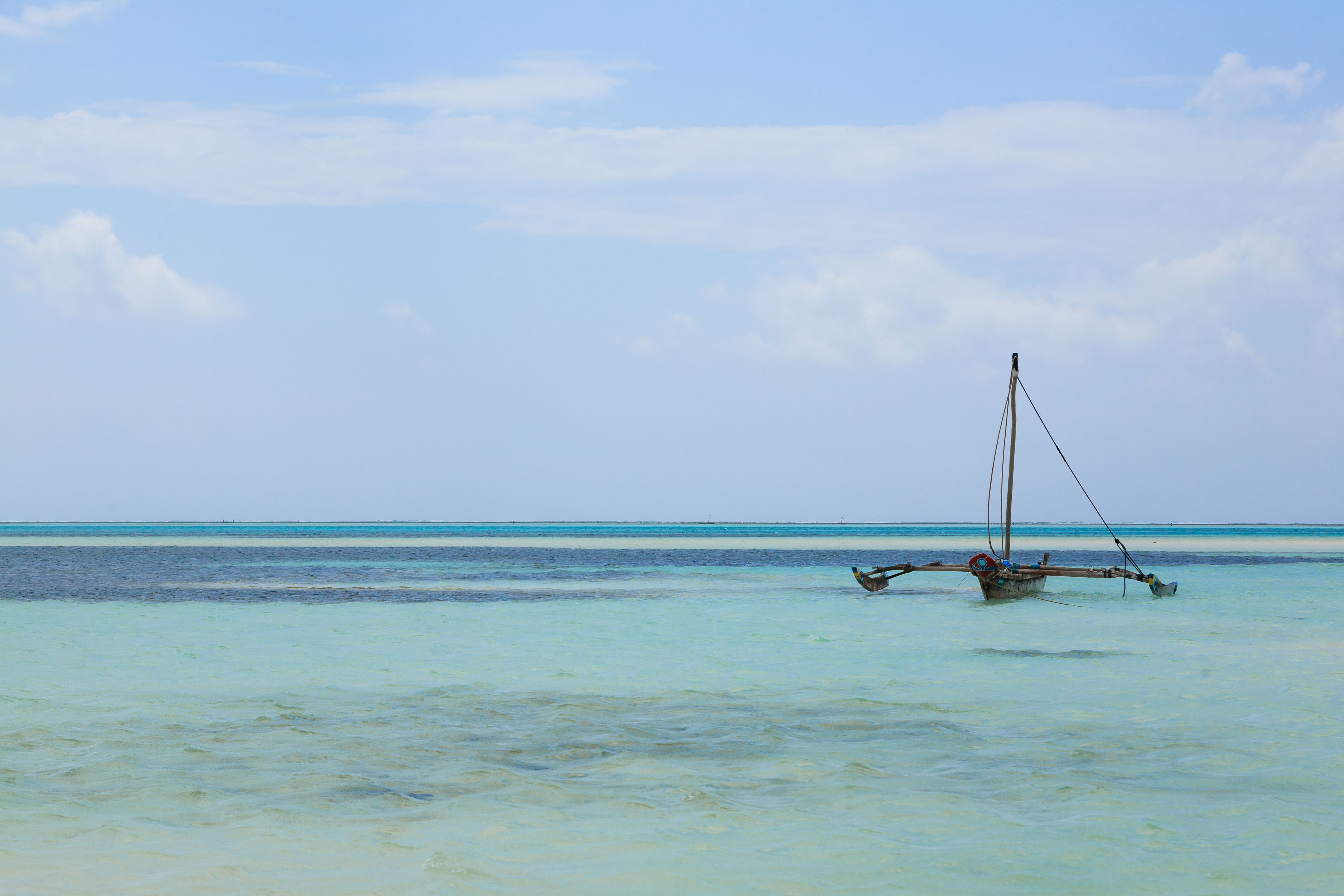
Ask most travellers to name Tanzania beaches and they will say one word: Zanzibar. Fair enough — the island's white sand and turquoise water earn the fame — but Tanzania's Indian Ocean coastline runs for more than 1,400 kilometres and holds far more than one island. There is Mafia, where whale sharks gather and the diving is superb; Pemba, green, hilly and almost untouched; and a mainland shore where Saadani National Park delivers the rare sight of a beach backed by big game. Each offers a genuinely different holiday, and choosing well makes all the difference.
This guide takes the national view. We summarise Zanzibar coast by coast, then give proper attention to the beaches in Tanzania that most articles skip: Mafia Island and its marine park, Pemba Island and its legendary diving, and the mainland coast at Saadani and historic Bagamoyo. We also explain the tides honestly — the single thing that most surprises first-time visitors — cover the best months to travel, and show how to combine any of these beaches with a safari. As an Arusha-based operator, Sokwe Africa Safaris builds these routes every week, so the advice here is practical, not theoretical.
Zanzibar in brief: which coast is which
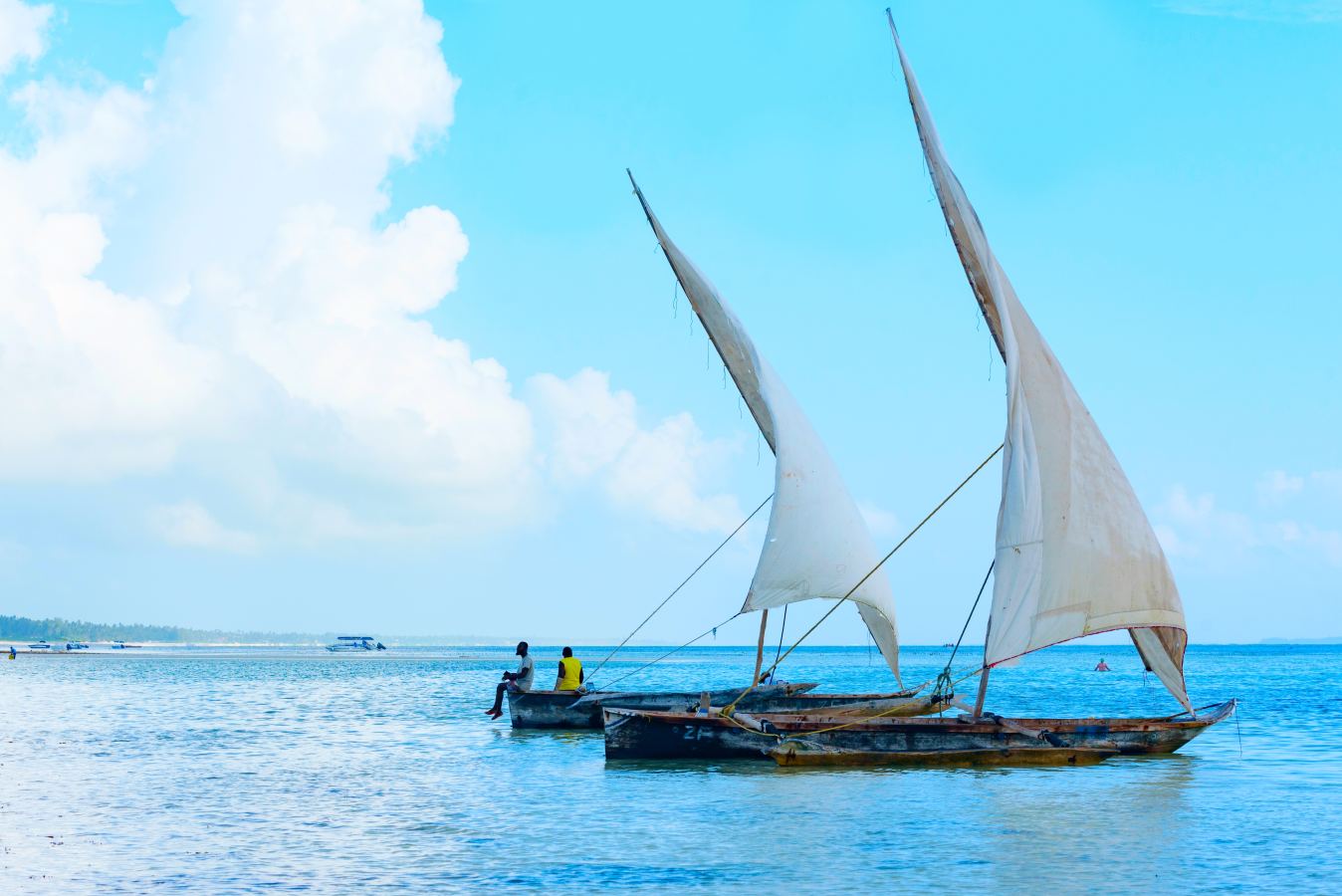
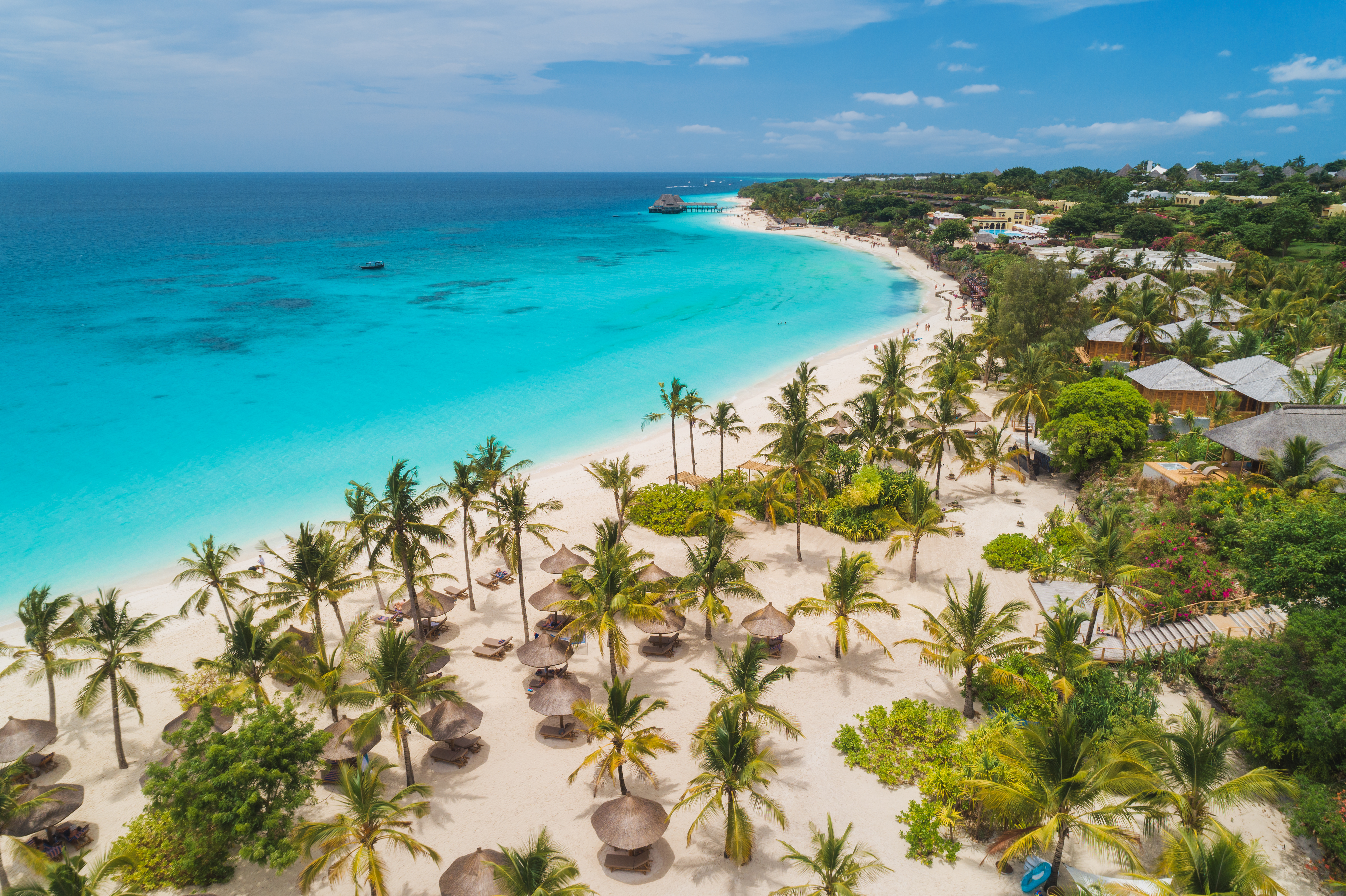
Zanzibar deserves its reputation, but it is not one beach — it is several very different ones. The north, around Nungwi and Kendwa, has the island's most swimmable water: the tidal effect is gentle here, so you can swim at almost any hour, and the sunsets are the best on the island. It is also the liveliest area, with a broad spread of hotels from mid-range to genuine luxury. The north-east, around Matemwe, faces the Mnemba Atoll and pairs quieter sands with the island's best snorkelling day trips.
The east coast — Paje, Jambiani, Bwejuu and Michamvi — is the postcard: a vast, blinding-white beach with the reef a kilometre offshore. It is the heart of Zanzibar's kitesurfing scene and generally better value than the north, but it is strongly tidal, which we explain below. The south-west, around Kizimkazi, is quieter again, while Stone Town, the island's historic heart, rewards a night or two before or after the beach. For hotel-by-hotel detail we keep this deliberately brief here — our dedicated Zanzibar guide, linked further down, covers every coast in depth.
Understanding the tides: an honest word
Here is the thing brochures rarely mention: much of the East African coast has a large tidal range, commonly three to four metres between high and low water. On Zanzibar's east coast, where the fringing reef sits far offshore, low tide pulls the sea right back across the reef flat, leaving hundreds of metres of rippled sand, rock pools and seaweed gardens where the ocean was a few hours earlier. Twice a day the water simply is not there for swimming. Some travellers find this magical; others, expecting all-day swimming, find it a genuine disappointment.
The honest guidance is this: if swimming at any hour matters most, choose Nungwi or Kendwa in Zanzibar's north, where the tidal effect on swimming is smallest, or pick a hotel with a good pool anywhere else. If you love walking the flats at low water, watching seaweed farmers at work and having a colossal beach to yourself, the east coast is wonderful. Mafia and Pemba are tidal too — their best swimming and snorkelling is generally by boat on the reefs rather than off the sand. Knowing this before you book is the difference between delight and frustration.
Mafia Island: whale sharks and barefoot luxury
Mafia Island, a short flight south of Dar es Salaam, is our answer when travellers ask for the coast as it used to be. There are no crowds, no beach vendors and only a handful of small lodges, most of them arranged around Chole Bay inside the Mafia Island Marine Park — Tanzania's oldest marine protected area. The style is barefoot rather than glossy: think thatched bandas, sand floors, dhow trips and dinner under the stars. Prices for the better lodges typically run from around 250 to 450 US dollars per person per night, remarkable value for what you get.
The headline act is the Mafia Island whale sharks. Between roughly October and March, these gentle giants feed in the plankton-rich waters off Kilindoni on the island's west side, and swimming alongside one — snorkel only, no diving needed — is a genuine life memory. Sightings are never guaranteed with wild animals, but in season the success rate is high, and the encounters here are calmer and far less crowded than at the famous whale shark sites elsewhere in the world.
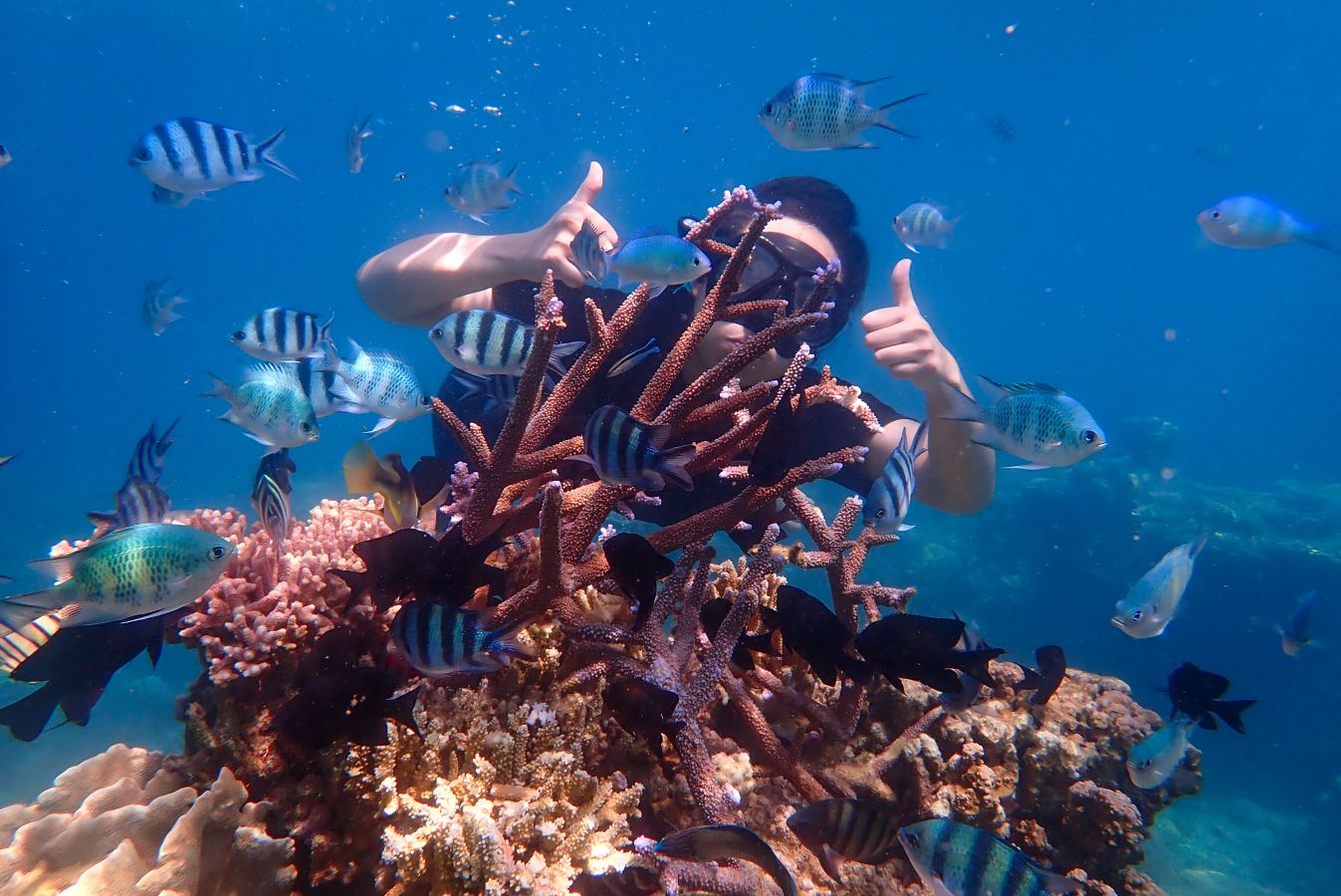
Below the surface, the marine park protects some of the finest coral in East Africa. Chole Bay offers sheltered, easy diving and snorkelling over dense coral gardens, while the passes and outer walls deliver turtles, reef sharks and huge shoals for more experienced divers. Mafia is not a beach destination in the flop-and-fry sense — the tides and mangroves see to that — but as a small, soulful island for snorkellers, divers and travellers allergic to crowds, it has no equal in Tanzania.
Pemba Island: the green, untouched north
Pemba Island, north of Zanzibar, is the archipelago's wild sibling. The Arabs called it the Green Island, and it fits: steep hills of clove plantations, dense forest and mangrove creeks, with tiny sandbank beaches appearing and vanishing with the tide. Tourism here is barely developed — a handful of lodges on the whole island, from simple guesthouses to one or two genuinely world-class hideaways in the north around Ngezi — which means you may spend a week and scarcely see another visitor. For honeymooners and escapists, that emptiness is the entire point.
Pemba diving is the island's calling card, and serious divers rate it among the best in East Africa. The island rises steeply from deep channels, so the diving is dramatic wall and drift diving — sheer coral faces dropping into the blue, big pelagics, superb visibility — around sites such as the Misali Island reserve on the west coast. This is a step up in ambition from Zanzibar's gentle reefs, better suited to certified divers than first-timers. Getting there is easy enough: short scheduled flights connect Pemba with Zanzibar, Dar es Salaam and Tanga.
The mainland coast: Saadani and Bagamoyo
Tanzania's mainland coast is the stretch nobody writes about, and two places on it deserve attention. The first is Saadani National Park, directly opposite Zanzibar, and it holds a unique card: it is the only national park in Tanzania where the bush meets the Indian Ocean. Here you can take a morning game drive for elephant, giraffe, buffalo and lion, a boat safari up the Wami River among hippos and crocodiles, and still walk an empty beach by afternoon. Genuinely, occasionally, animals wander the shore itself.
Honesty matters here too: Saadani's game viewing is lighter than the Serengeti's and the sea is not Zanzibar-clear, so it suits travellers who value the novelty and solitude over headline sightings. An hour south sits Bagamoyo, once the terminus of the caravan routes from Lake Tanganyika and briefly the capital of German East Africa. Its old town — crumbling coral-stone buildings, the old fort, the mission where Livingstone's body rested on its journey home — is a moving, atmospheric half-day for anyone interested in the Swahili coast's long and often dark history.
When to go to the Tanzanian coast
The coast follows the same broad rhythm as the safari circuits. The long dry season, June to October, is gloriously reliable: sunny days around 28 to 30 degrees, low humidity and calm seas — prime time for every island. December to February is hotter and stickier but still excellent beach weather, and it is the heart of the whale shark season on Mafia. The short rains of November are usually brief afternoon showers and a fair gamble for the good-value rates they bring.
The months to treat carefully are April and May, the long rains, when downpours are heavy, humidity peaks and many island lodges — particularly on Mafia and Pemba — close altogether. March and early June are shoulder months that can go either way. Divers should note the seasonal winds: conditions are generally calmest and visibility best from around October to March, while the kusi winds of June to September bring livelier seas — which is exactly what the kitesurfers of Paje are hoping for. In short, there is a right coast for almost every month except the deep long rains.
Combining beach and safari: the classic Tanzanian trip
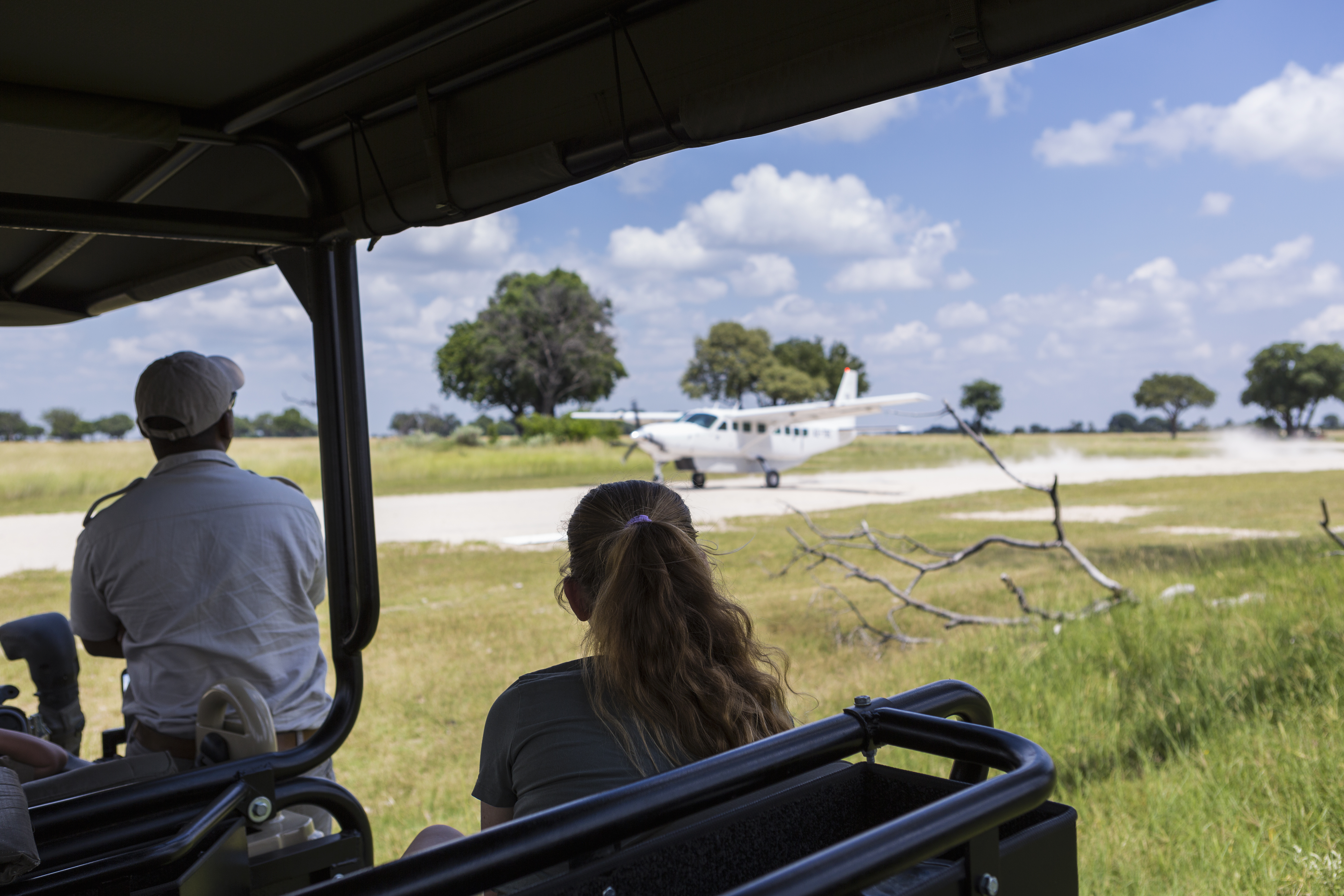
The great luxury of Tanzania is that the world's best safari and a first-class beach sit in the same country, an easy flight apart. The classic shape is safari first, sand after: five to seven nights through the northern circuit — Tarangire, Ngorongoro and the Serengeti — then a light-aircraft hop from the Serengeti to the coast, often with no need to backtrack through a city. After the early mornings and dust of the bush, a week of barefoot idleness is not an indulgence; it is the correct way to finish.
The pairing you choose changes the character of the trip. Zanzibar is the effortless option, with direct flights from the safari circuits and the widest choice of hotels. Mafia suits divers and whale shark hopefuls, reached via Dar es Salaam. Pemba is the honeymoon wild card via Zanzibar, and Saadani slots neatly between Dar and the islands for a short bush-on-sea interlude. Allow at least three nights on the beach — four to seven is better — and let one operator arrange the whole route, so the flights, transfers and timings knit together without a gap.
Planning the coast in detail? Start with our guide to the best beaches in Zanzibar, see how a bush and beach combo works in practice, explore diving and snorkelling options, or browse our Zanzibar holidays.
More on this in Best time to visit Zanzibar: month-by-month weather, beaches, diving and crowds.
Zanzibar made the Tanzania coast famous — but Mafia, Pemba and Saadani are where it still feels like a secret.
- Zanzibar — famous sands, widest hotel choice, easiest access
- Mafia — whale sharks, marine park, barefoot lodges
- Pemba — wall diving, near-zero tourists, honeymoon hideaways
- Saadani — the only park where bush meets beach
- Bagamoyo — Swahili coast history in an afternoon
- Best months: June–October and December–February
Which Tanzanian beach is right for you
Choosing comes down to what you want the sea to do for you. First trip, mixed group, or a taste of nightlife and restaurants with your sand: Zanzibar, and specifically the north around Nungwi and Kendwa if all-day swimming matters, Paje if kitesurfing or value leads. Snorkellers, divers and wildlife people who want the ocean as an experience rather than a backdrop: Mafia, timed for whale sharks if possible. Second honeymoons, serious divers and anyone whose dream is an island without an itinerary: Pemba, without hesitation.
Short on time, or curious about the coast's wilder, stranger corners: Saadani for the bush-meets-beach novelty, with Bagamoyo's history on the way through. And these choices combine well — a week that pairs Stone Town, an east coast beach and a Mnemba snorkelling day is a classic, while ambitious itineraries link the Serengeti, Zanzibar and Mafia in a single seamless fortnight. There is no wrong answer, only a best match, and a short conversation about how you like to spend a day by the sea usually settles it quickly.
Plan your Tanzania beach escape
Tanzania's beaches reward the traveller who looks past the obvious: Zanzibar for ease and beauty, Mafia for whale sharks and reef, Pemba for wild solitude, the mainland for history and that improbable meeting of bush and ocean. The moving parts — internal flights, tides, seasons, lodge closures — are exactly the things a local operator handles daily. Safari first, sand after: tell Sokwe Africa Safaris your dates and your dream mix of wildlife and coast, and we will build the route, book the flights and hand you a trip where the hardest decision left is high tide or low.
Plan your safari and beach holiday with Sokwe Africa Safaris