
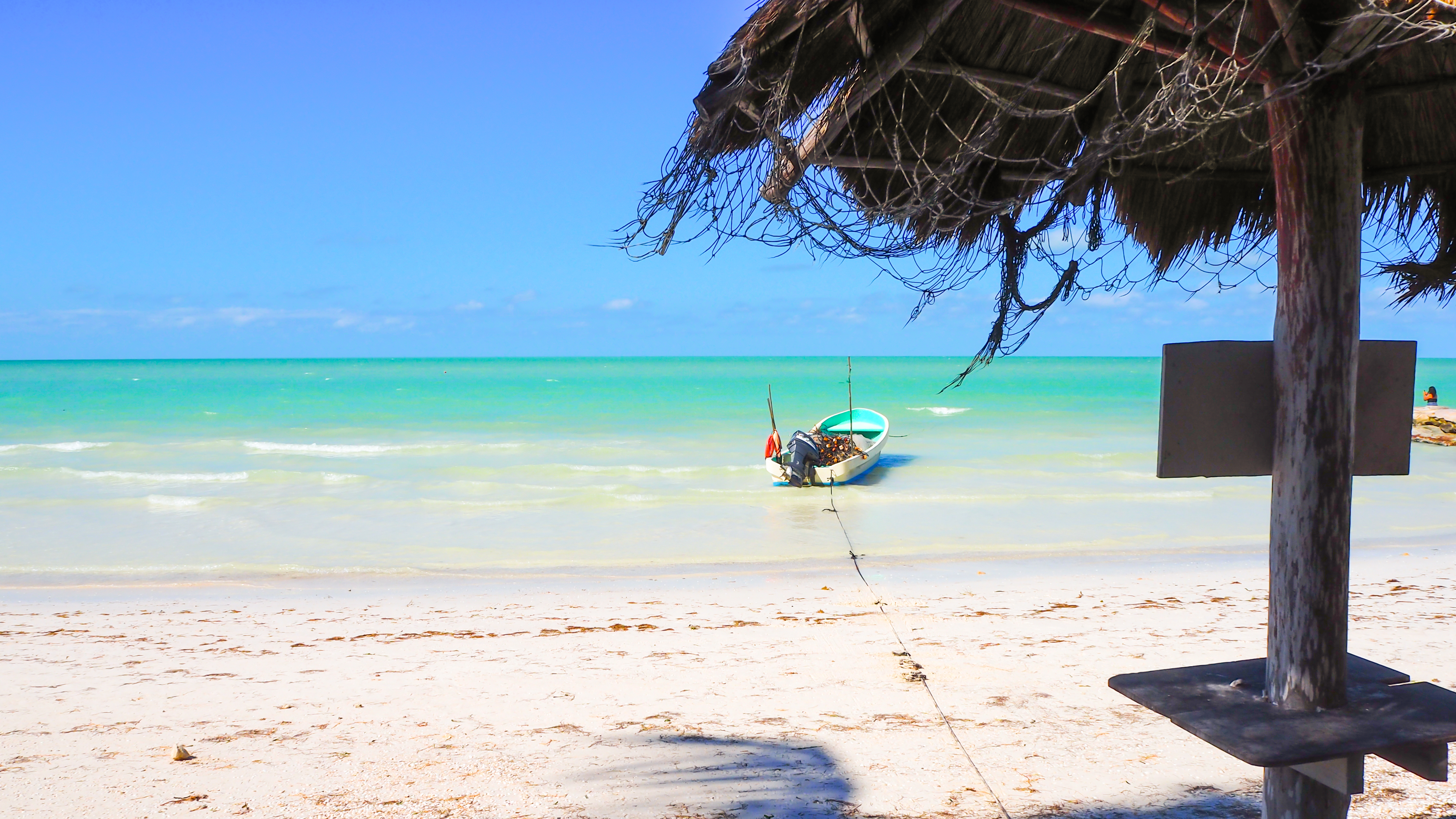
Many of our guests end a safari on Zanzibar, so we are often asked when the island is at its best. Zanzibar is a tropical island just south of the equator, and its climate is shaped by two monsoon winds and two rainy seasons. That means there are clearly better and worse months for a beach holiday, and some months suit particular activities, from diving to kitesurfing. This guide goes through the year month by month, with honest notes on the rains, the heat, the crowds and the effect on prices, and with advice on timing a Zanzibar stay after a safari.
The short answer
For most visitors, the best times for a beach holiday are the cooler, drier months of roughly June to October and the hot, dry months of December to February. The long rains, typically from around March to May, are the wettest time, and some resorts reduce services or close. The short rains of November are lighter and less disruptive. July, August, late December and January are the busiest months, with higher prices, while the shoulder months offer a better balance of weather and value. Conditions vary from year to year, so treat the months as a guide.
How the seasons work
Zanzibar has two main wet periods and two monsoon winds. The long rains, called the masika in Swahili, typically fall from around March to May, bringing heavy showers, high humidity and often cloudy skies. The short rains, the vuli, typically arrive around November, with shorter, lighter showers. Between them lie two drier periods: a cooler dry season from about June to October, with a steadier breeze from the south-east, and a hotter, more humid dry season from about December to February, when winds blow from the north-east.
Temperatures are warm all year, generally in the high twenties to low thirties Celsius, with the hottest and most humid weather in the north-east monsoon months and a pleasant, slightly cooler feel from June to September. The sea is warm throughout, which makes swimming and snorkelling comfortable almost any month. The wind direction matters for which coast you choose, since the side facing the wind can be rougher, and the tides on the east coast are large, so the sea retreats far at low tide, which affects swimming and beach walks.
January and February
January and February are typically hot, humid and dry, with plenty of sunshine and the sea at its warmest. They are a popular time for beach holidays, particularly for visitors escaping the northern winter, and they overlap with the calving season in the southern Serengeti, which makes safari and beach a natural pairing. Rates are high in January and ease a little in February. Expect lively resorts, good conditions for swimming and snorkelling and some wind on exposed coasts. It is a good time for kitesurfing on the windy beaches, which are known for reliable winds in this period.
March, April and May
These are the months of the long rains. Showers can be heavy and prolonged, humidity is high, the skies are often grey and some roads and beaches can be affected. Many resorts close or reduce services, and some restaurants and excursions pause. In return, rates are lowest, the island is quiet and green and there are fewer visitors. It is not the best time for a first beach holiday or for a safari and beach combination, but for travellers who do not mind rain and want a bargain it can work. Check which properties are open before you book.
Plan your Zanzibar stay: Zanzibar vacation guide, best beaches in Zanzibar, Stone Town guide, safari and Zanzibar and what to do after safari. See our Zanzibar options.
June
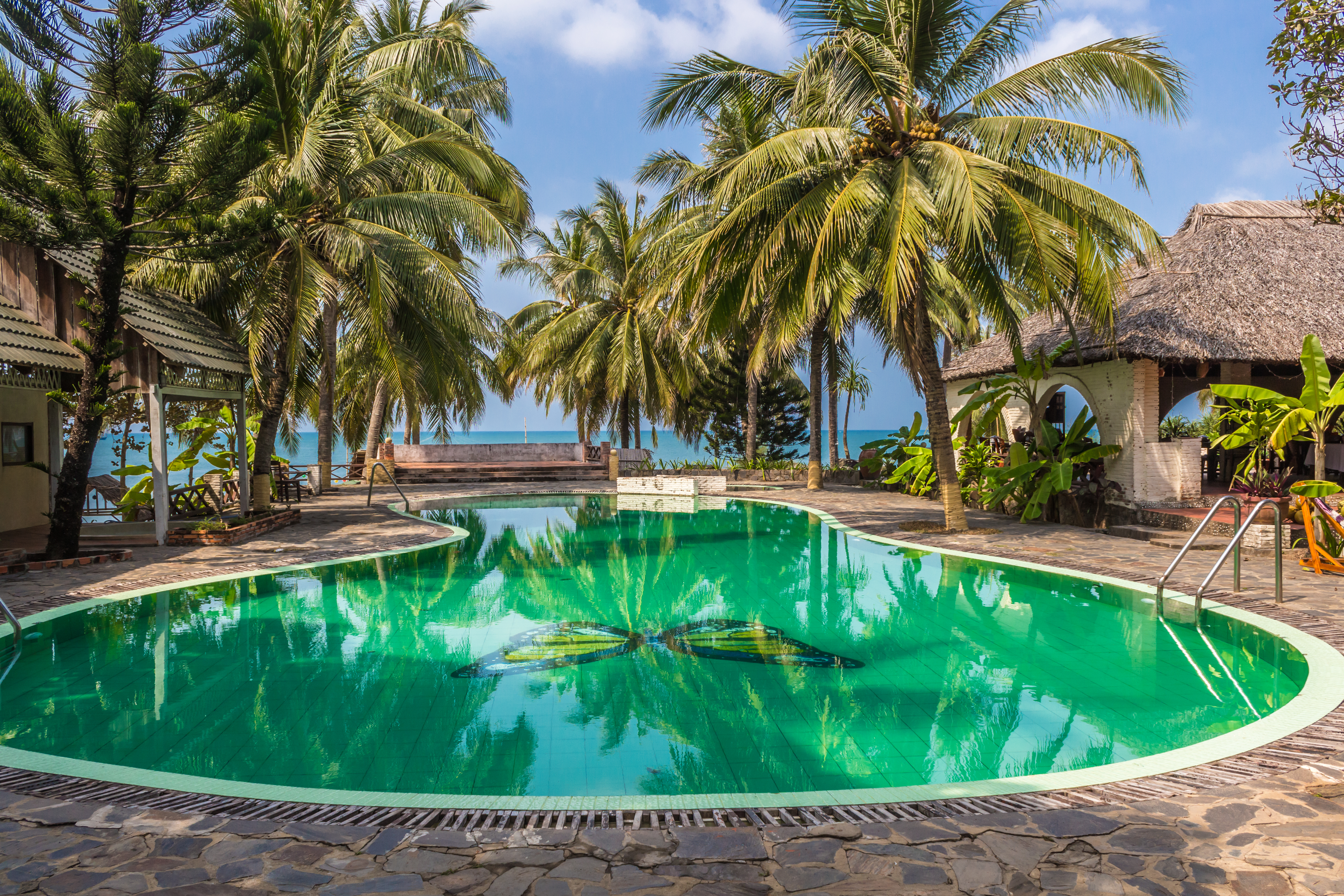
June is the start of the cooler dry season and one of the most pleasant months. The long rains have ended, the air is fresher and the breeze is steadier, and there is plenty of sunshine. Crowds are lighter than in July and August, and prices are often lower, so it is a good value month if you want a comfortable beach holiday. In some years, early June can still have showers, so ask about conditions. It also pairs well with a safari, since the northern parks are in the early dry season.
July and August
July and August are the peak of the dry season on Zanzibar and the busiest tourist months, so prices are high and good resorts book out early. The weather is typically warm but less humid, with a steady breeze and sunny days, and the sea is clear. The wind can be strong on some coasts, which makes it a favourite time for kitesurfers, but can mean rougher water at certain beaches. If you want to be here, book early and choose the coast carefully, because the wind direction affects both comfort and activities.
A common question is whether July is a good time to visit Zanzibar, and the answer is yes, provided you are happy with the crowds and the cost. It is the classic time for a safari followed by a beach stay, because the migration is in the northern Serengeti and the island is dry and breezy. If you prefer quiet, consider June or September, which offer similar weather with fewer people.
September and October
September and October are excellent months, with the cooler dry weather continuing, fewer visitors than in July and August and lower prices. The sea is calm and clear, and visibility for diving and snorkelling is good. By late October, humidity begins to build, and the short rains may start towards the end of the month or in November. Many experienced travellers consider September the sweet spot, with beautiful weather and a quieter island, and it fits well with the late dry season on safari.
November and December
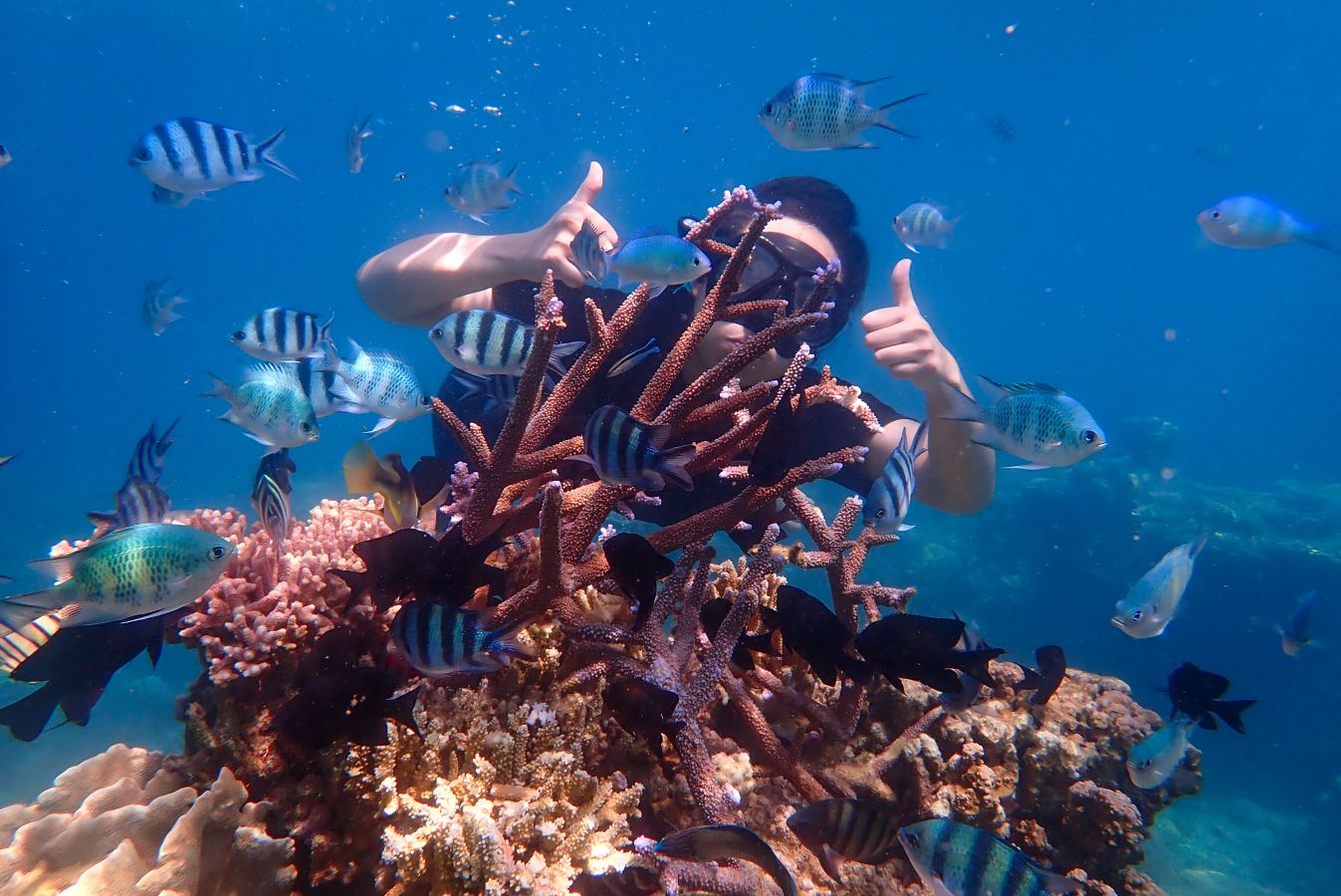
November brings the short rains, typically with showers that come and go and with sunny spells in between. It is a quieter month with lower prices, and the island is green and lush. By December, the weather is usually drier and hotter, and the festive period from around Christmas to the New Year is the busiest and most expensive time of the year, with resorts fully booked and minimum stays common. Early December is quieter and cheaper, and offers a good balance of weather and value.
If you plan to travel over Christmas and New Year, book as early as you can, since the best properties fill many months ahead. The weather is generally hot and humid, with the sea at its warmest, and the northern Serengeti is quiet at this time while the southern plains are busy with the herds, so a safari in the south followed by a beach stay makes a good combination. Expect higher prices throughout the island, and a more festive atmosphere.
Best months for specific activities
For general beach holidays, the cooler dry months of June to October and the hotter dry months of December to February are best. For diving and snorkelling, visibility is generally good in the drier months, and many divers favour the period from about June to October and the early part of the year, though conditions vary by site. For kitesurfing, the windiest periods, which are generally reported as around July and August and again from about January to February, suit experienced kiters, and beginners may prefer calmer months.
For culture and sightseeing, Stone Town can be visited any time, though the heat in the afternoon is more intense from December to February and heavy rain can interrupt walks in April and May. For spice tours, markets and cooking classes, the dry months are the most comfortable. For honeymoons, the drier months are popular, and many couples choose to follow a safari with a few days on the beach.
Ramadan and local customs
Zanzibar is predominantly Muslim, and Ramadan, the holy month of fasting, changes the island's rhythm. The dates move roughly eleven days earlier each year, so check the dates for your trip, since in 2027 it falls around February and March. During Ramadan, many local restaurants close during the day, and visitors should dress modestly and avoid eating, drinking or smoking openly in public in local areas. Resorts continue to operate normally, and many visitors find it a quiet, interesting time, though some businesses reduce hours.
The weeks after Ramadan include the Eid celebrations, which are a busy time for local families and can affect transport and availability. Whatever the time of year, dress respectfully in towns and villages, and cover shoulders and knees outside the resorts. If you are unsure about local customs, ask your hotel or guide, who will be happy to explain, and who will appreciate your sensitivity.
Which coast you choose matters as much as the month. The north, around Nungwi and Kendwa, has beaches that stay deep at low tide and so suits swimming at most times, while the east coast, around Paje, Jambiani and Matemwe, has large tides that expose wide sand flats at low water, which is beautiful but limits swimming. The south has quiet beaches and a village feel. Ask your operator which coast suits your dates, since wind and tide change with the season, and a resort that is perfect in August may be less comfortable in January.
Combining Zanzibar with a safari
Timing a safari and a beach stay together means thinking about both seasons. The best overlap is June to October, when the northern parks are in the dry season and Zanzibar is cooler and drier, and December to February, when the southern Serengeti has the herds and Zanzibar is hot and dry. The long rains, from March to May, are the awkward period for both, so many travellers avoid them or choose a different destination. Short flights link the parks to the island, and most itineraries allow three to five nights on the coast.
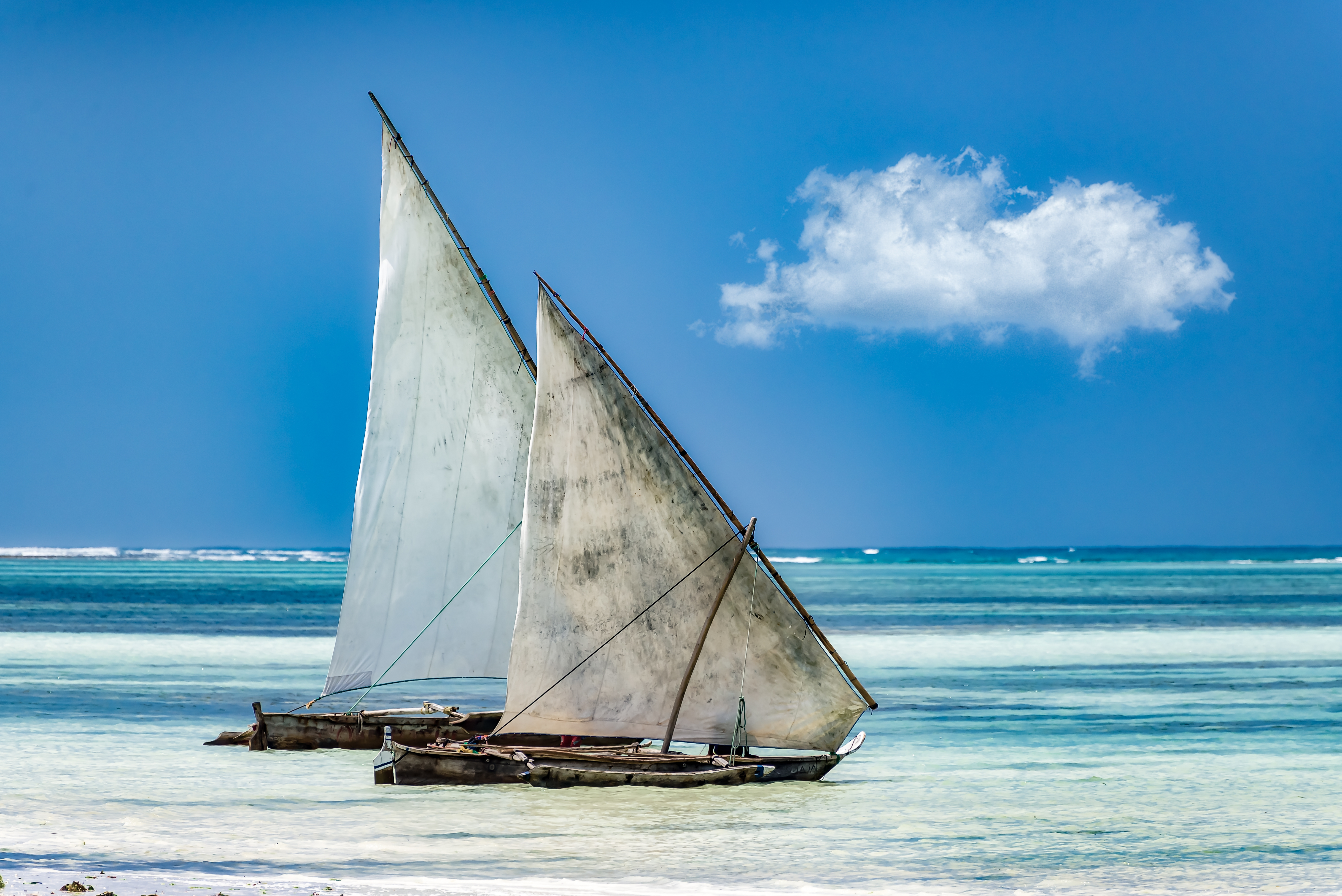
How long does it take to reach Zanzibar? Flights from Arusha or Kilimanjaro take roughly an hour and a half, and flights from Dar es Salaam are around twenty minutes, while a ferry from Dar es Salaam takes a couple of hours. From the Serengeti, flights usually connect through Arusha or are chartered. Your operator can arrange the flights and transfers, and can advise on the best timing for your safari and your stay on the island.
Planning a beach stay after your safari? Talk to Sokwe Africa Safaris and we will time it for the best weather and arrange the flights.
Frequently asked questions
What is the best time to visit Zanzibar?
The cooler dry months of June to October and the hot dry months of December to February are best for beach holidays. The long rains, around March to May, are the wettest and quietest time.
Is July a good time to visit Zanzibar?
Yes. July is dry, breezy and sunny, but it is peak season, so expect crowds and higher prices, and book early. June and September offer similar weather with fewer people.
When is the rainy season in Zanzibar?
The long rains typically fall from around March to May, and the short rains around November. Some resorts close or reduce services in the long rains.
What is the cheapest time to visit Zanzibar?
Usually the long rains, roughly March to May, when rates are lowest and the island is quiet, though some resorts close. Shoulder months such as early June and November also offer better value.
When is the best time for diving and kitesurfing in Zanzibar?
Visibility for diving is generally good in the drier months, and kitesurfing is best in the windiest periods, reported as around July and August and again from January to February. Conditions vary by site.
How long does it take to get to Zanzibar from Arusha?
Roughly an hour and a half by air from Arusha or Kilimanjaro. Flights from Dar es Salaam take about twenty minutes, and the ferry from Dar es Salaam takes a couple of hours.