
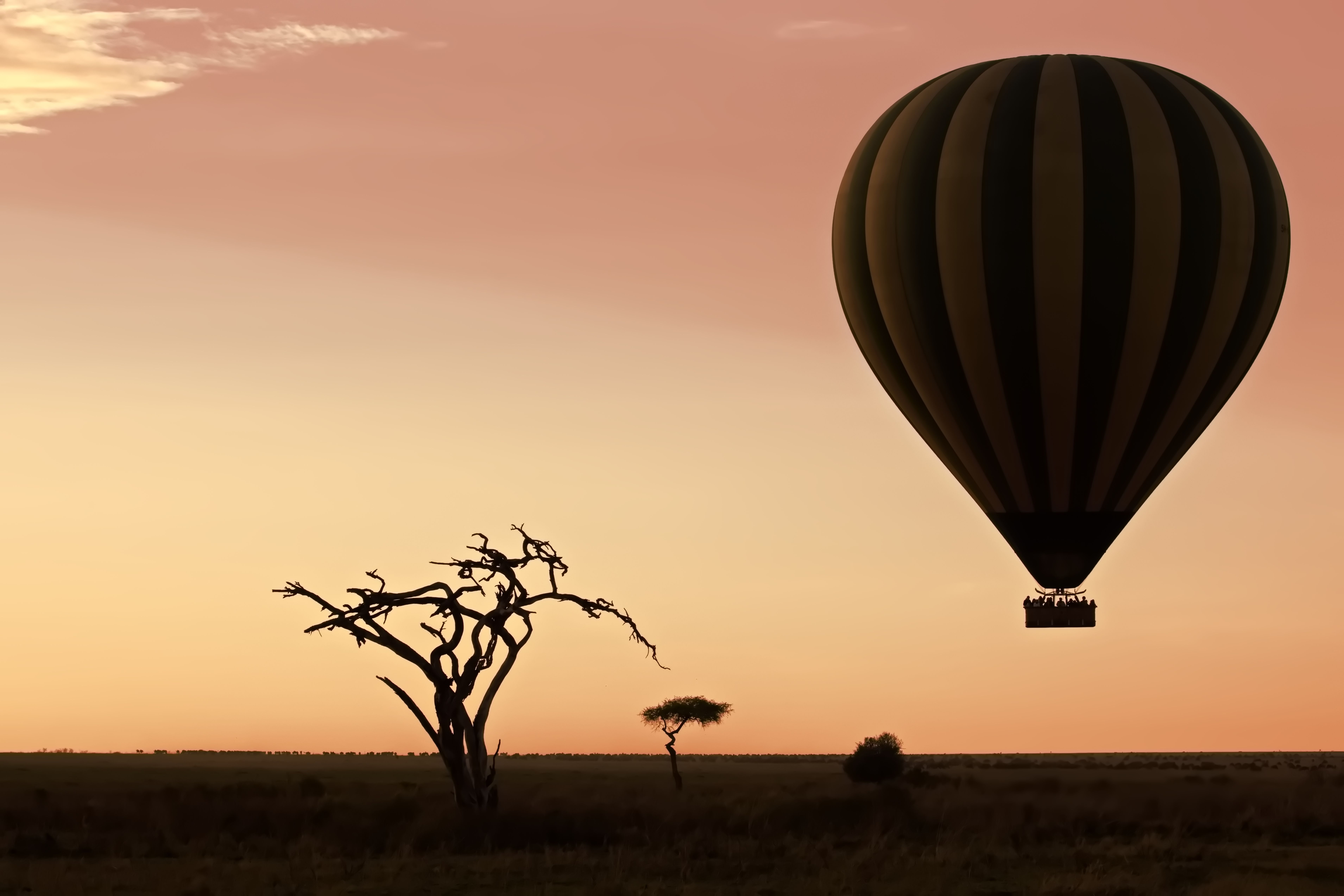
A sunrise balloon flight over the Serengeti is one of the most photographed experiences in Africa, and one of the most expensive single activities on a safari. Travellers ask whether it is worth it, whether it is safe and whether it lives up to the pictures. We help guests plan balloon flights as part of their safaris, so here is a balanced answer. For many people it is a highlight, for some it is a pleasant extra and for a few it is not a good use of money. Knowing which group you belong to is the point of this guide.
The short answer
A balloon flight is worth it if you love views and photography, if the money will not cause you worry and if you are comfortable with an early start and a basket landing. It is a different way to see the Serengeti, giving a sense of scale that you cannot get from a vehicle, and it ends with a bush breakfast. It is less worth it if you hope to see animals up close, which is better done from a vehicle, if you are afraid of heights or uncomfortable with confined spaces or if your budget is tight and would be better spent on an extra night or a better guide.
What the experience is like
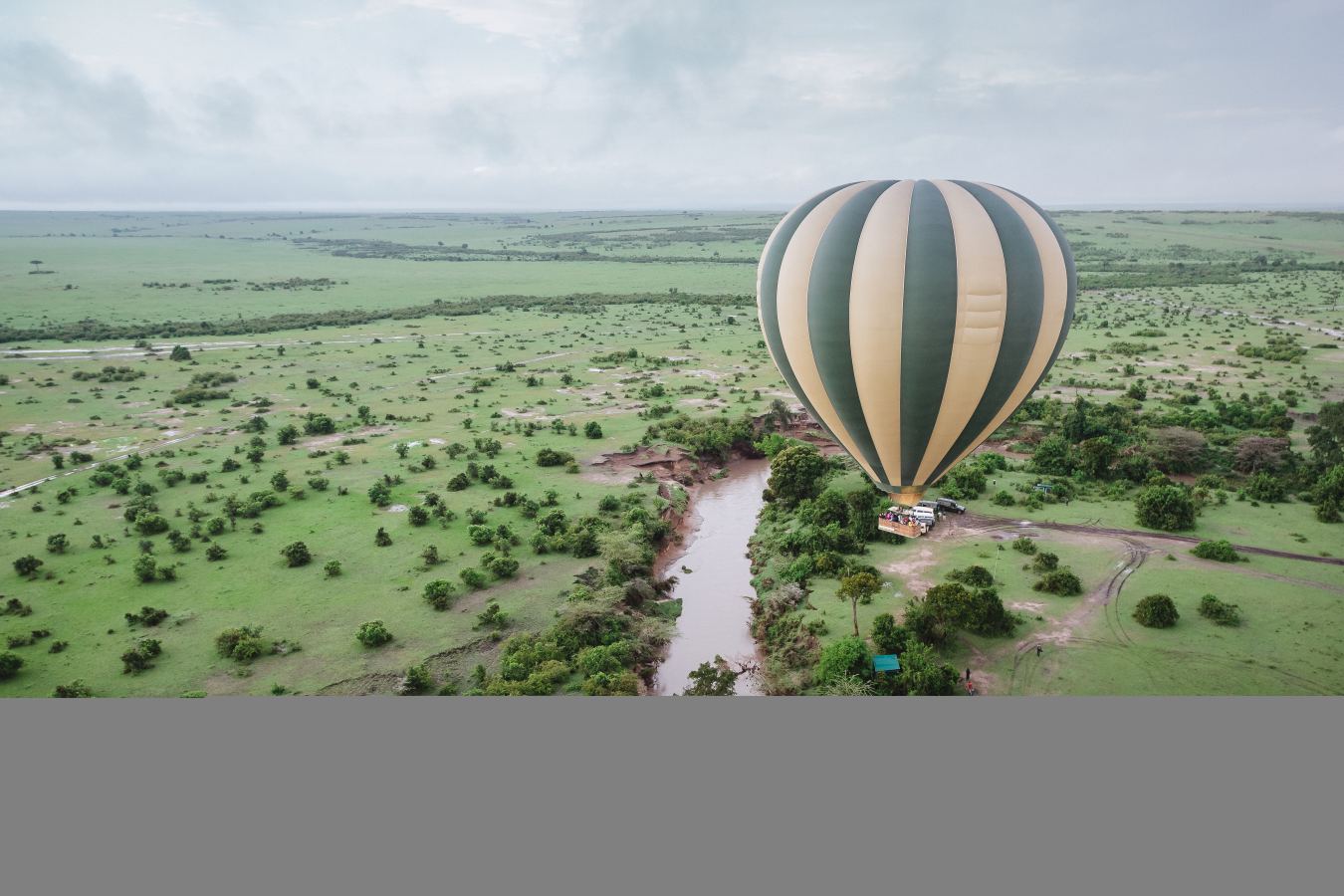
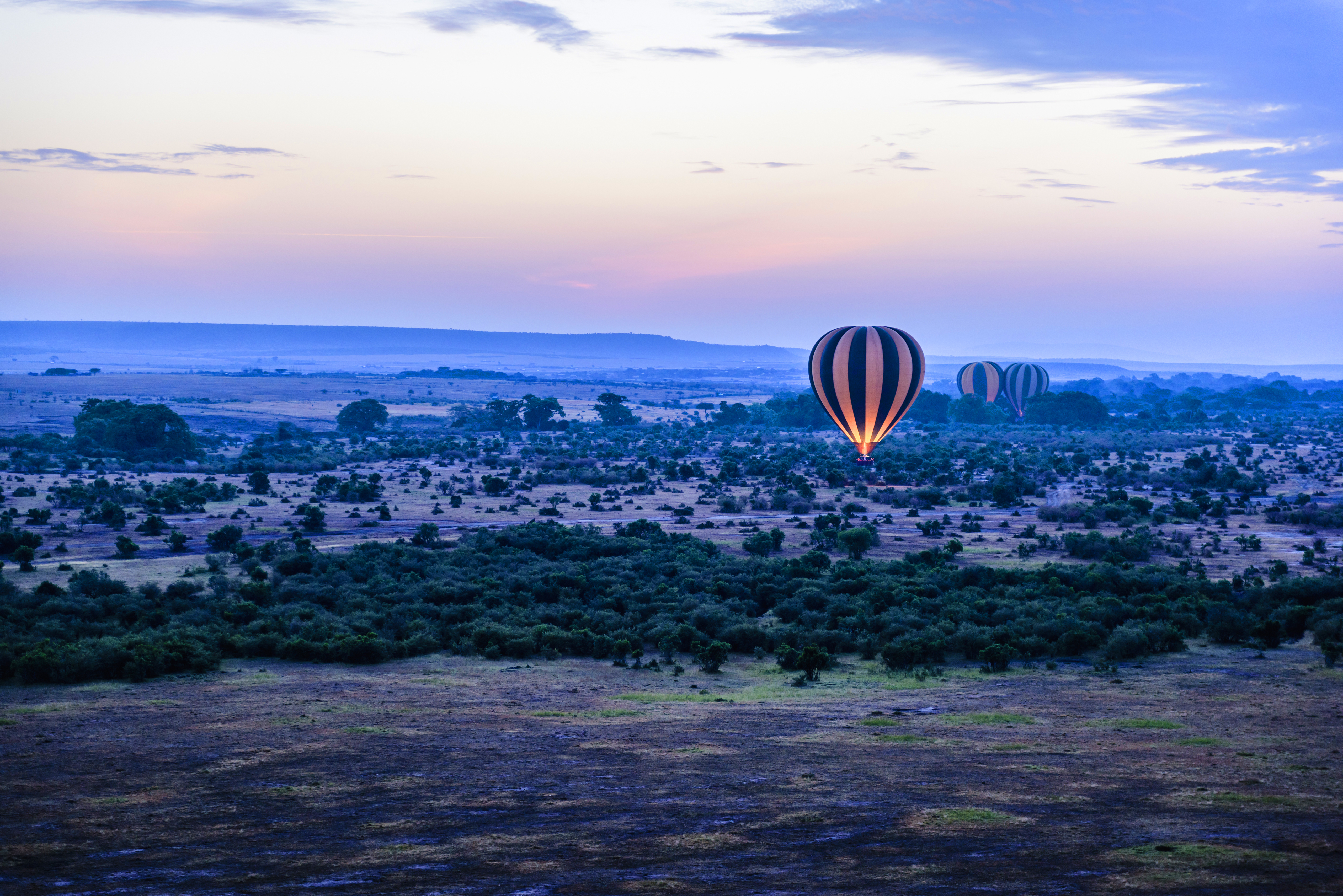
Balloon flights usually launch very early, at or before first light, with a pickup from your camp in the dark, often around five in the morning. You travel to the launch site, watch the balloon being inflated, climb into the basket and lift off as the sun rises. The flight typically lasts around an hour, drifting with the wind at heights that vary from skimming the treetops to a few hundred metres, with the pilot using altitude to find different air currents. The landing can be gentle or a little bumpy, depending on the wind, and you are briefed beforehand on how to brace.
After landing, most operators serve a champagne bush breakfast, often with a table set up in the open, before a game drive takes you back to camp, usually by around mid-morning. The whole experience takes about three to four hours. In the air, it is quiet except for the occasional burst of the burners, and the light is soft and golden. Many guests describe a feeling of peace, and many find that the sense of the landscape's size is what stays with them.
What you see from a balloon
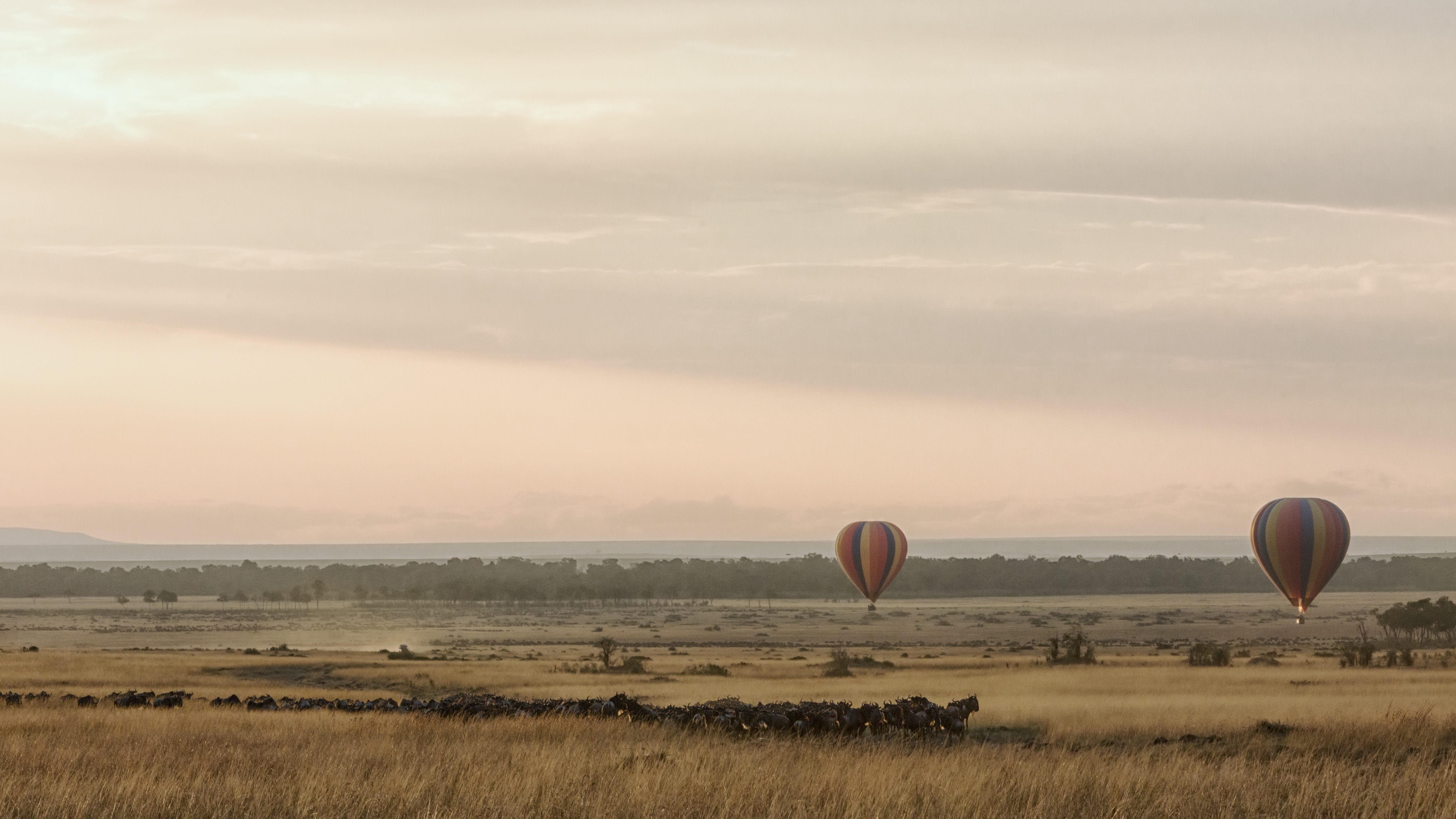
The great gift of the balloon is perspective. You see the plains stretching to the horizon, the pattern of rivers and woodland, the tracks of herds across the grass and the shadows of the balloon on the ground. Animals appear small but visible, and you may see giraffes, elephants, zebra, wildebeest and hippos in the rivers, and sometimes predators. In the migration season, a view of herds across the plains is spectacular. Photographically, the soft light, the shadows and the aerial composition are unlike anything from the ground.
What you will not get is close wildlife viewing. Balloons fly at heights and distances that keep animals small, and the flight path depends on the wind, not on where the animals are. You cannot steer to a sighting. If your priority is lions and leopards at close range, spend your money on a good guide and a private vehicle. The balloon is about the landscape and the experience, not about seeing more animals, and guests who understand that tend to enjoy it more.
Related reading: hot air balloon safari in the Serengeti, Serengeti National Park guide, Great Migration guide and Tanzania honeymoon safari. See our private Tanzania safari options.
What it costs
We do not quote a firm price, because operators set their own and rates change by season and over time. As a rough orientation drawn from published operator rates, a standard shared flight with a champagne breakfast is typically in the region of five to six hundred US dollars per person, with extended flights and premium or private options costing considerably more. The fee usually includes the transfer from your camp, the flight, the breakfast and a certificate, though park charges may or may not be included, so ask exactly what is covered.
For a family or a couple, the cost adds up quickly, and it is worth weighing against other uses of the same money. Many experienced travellers consider a balloon flight a special-occasion splurge, a honeymoon highlight or a once-in-a-lifetime treat, and they budget for it deliberately. Others decide that an extra night in a good camp, or a longer private safari, gives them more. Neither is wrong. What we would avoid is booking it and then resenting the cost, so decide beforehand whether it fits your priorities.
Is it safe?
Ballooning is regulated aviation, and in Tanzania commercial balloon operators are expected to hold the appropriate licences and approvals from the civil aviation authority, with licensed pilots, inspected equipment and safety procedures. Operators describe pilot training standards, safety belts, rapid-deflation systems and reinforced baskets, though these are their own descriptions and we have not independently audited them. As with any aviation, no activity is entirely risk-free, and accidents have occurred in ballooning around the world, though they are rare relative to the number of flights.
What you can do is ask good questions before you book. Is the operator licensed, and can it show its current approvals? How experienced are its pilots, and how many flights have they flown? What is the maintenance and inspection regime? What is the weather policy, and who decides whether to fly? How are passengers briefed? A reputable operator will answer plainly. Balloons also fly only in suitable conditions, and flights are cancelled for wind or poor weather, often at short notice, which is a safety feature, not an inconvenience.
Weather, cancellations and refunds
Because balloons depend on calm, steady air, cancellations are not unusual, and the decision is made by the pilot, often on the morning of the flight. Operators generally offer either a refund or a rebooking for the following day if the flight is cancelled for weather, but you should confirm the policy before you pay. If your schedule is tight, a balloon flight booked on your last morning is a risk, because there may be no second chance, so many guests book it earlier in their itinerary.
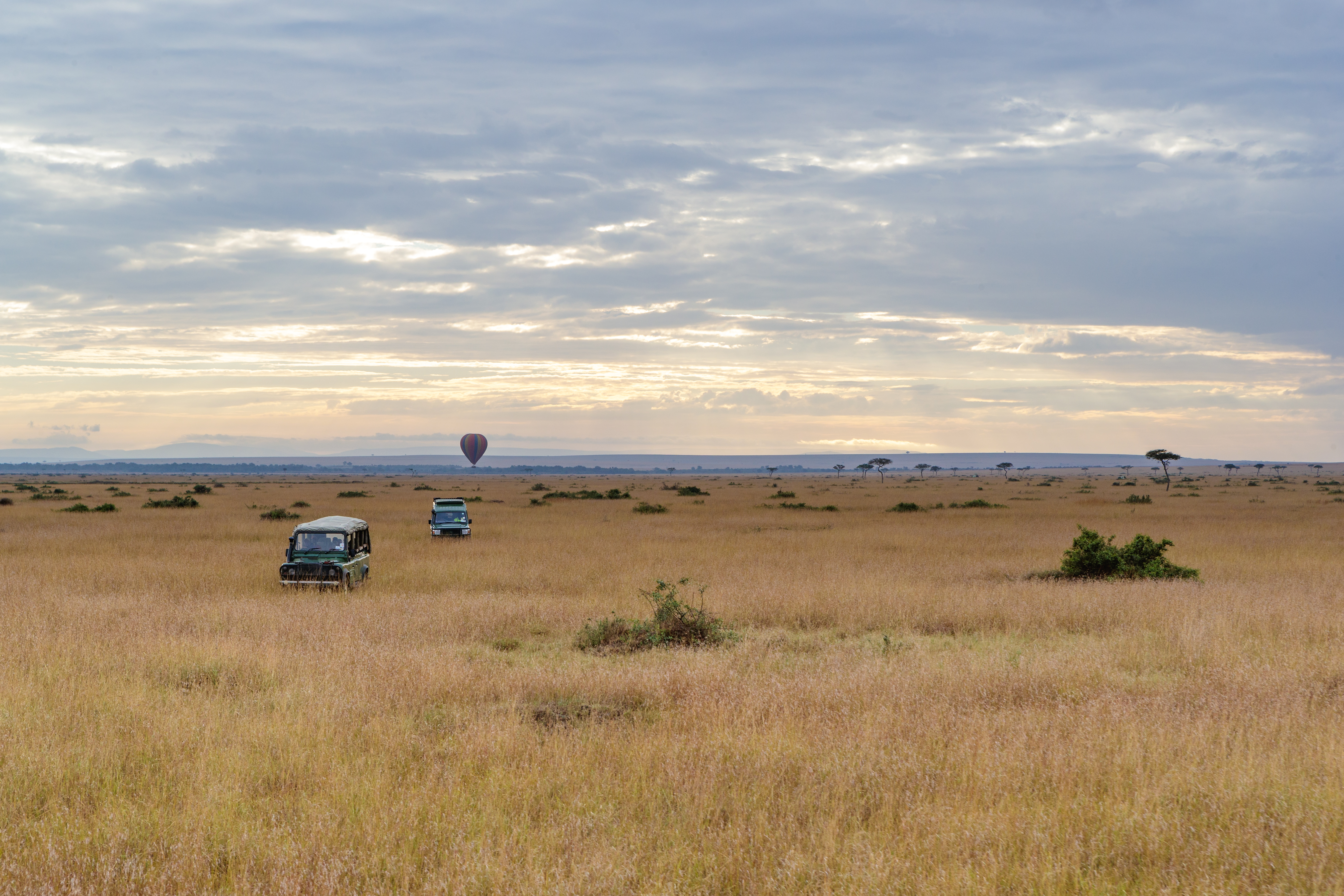
Wind is the main factor, along with visibility, so mornings are generally best, and the dry season tends to offer more settled conditions, though no season is guaranteed. If you want to give yourself the best chance, build in a spare day, choose your balloon night for early in the stay and be ready to be flexible. A good operator will tell you honestly about the odds and will not promise a flight it cannot guarantee.
Where and when it operates
Operators typically launch from different areas depending on the season, following the wildlife and the access rules. According to published operator information, flights from the central Serengeti run for much of the year, flights from the northern Serengeti are offered during the dry season, roughly July to October, when the migration is in the north, and flights from the Ndutu area run in the calving season, from about late December to March. These details can change, so confirm them with your operator for your dates.
The launch area affects what you see. The central plains give open views and good chances of resident wildlife, the north gives the chance of seeing the migration and the Mara River, and the south gives the herds and calving plains. Ask your operator which launch site they would suggest for your dates and why. The best flight depends on where you are staying, because transfers to the site take time, and an early start is the price of a flight at dawn.
Age, weight and health
Most operators set a minimum age, commonly around seven years, with some flexibility for taller children, and many set conditions for older passengers, who need to be able to climb in and out of the basket, bend their knees for the landing and hold on to the handles. Pregnancy and certain heart, back or neck conditions are generally discouraged, and you should ask the operator and your doctor if you have any doubts. Some operators weigh passengers or charge more for heavier ones, because the balloon's load is limited, so be prepared for that conversation.
If you have mobility problems, tell the operator before you book, since they may be able to arrange assistance or advise against the flight. If you are afraid of heights, a balloon is usually less frightening than people expect, because the basket is stable and there is no sense of falling, but it is not for everyone. If you are unsure, ask to speak to the operator and, if possible, to someone who has done it.
Alternatives and who should skip it
If a balloon does not appeal, or the cost is too high, there are other ways to see the Serengeti from above. A bush flight between airstrips gives aerial views for far less, and a good game drive at dawn gives you the light and the animals. Some camps offer sunrise breakfasts in the bush, which capture some of the atmosphere without the cost. You might also choose to spend the same money on a longer stay, a better camp or a more expert guide, which many experienced travellers consider a better investment.
We would suggest skipping the balloon if you are on a tight budget, if you dislike early starts, if you are nervous about aviation or if your main interest is close animal encounters. We would suggest doing it if you are celebrating something, love landscapes and photography and can enjoy it without counting the cost. It pairs especially well with a honeymoon or an anniversary, where the occasion is part of the pleasure.
How to book well
Book through your operator as part of your safari, so that the flight, the transfers and the timing fit together, and ask for the balloon operator's name and current approvals. Check what is included, the weather and refund policy and the age and weight rules. Book early in the high season, because flights have limited places and the launch areas vary by season. Tell the operator about anyone with health or mobility concerns, and make sure everyone knows the early start.
On the day, wear layers, since it is cold before sunrise, and comfortable closed shoes, and bring a camera with a charged battery and a strap. Listen carefully to the pilot's briefing, especially about the landing, and keep your hands inside the basket. Relax and enjoy it: the quiet, the light and the view are the point, and guests who put down their phones for a few minutes often say those were the best of the flight.
Thinking of adding a balloon flight? Talk to Sokwe Africa Safaris and we will tell you honestly whether it is worth it for your trip and where to fit it in.
Frequently asked questions
Is a Serengeti hot air balloon safari worth it?
For many guests, yes, as a special experience of landscape and light, but not as a way to see animals up close. It suits those who love views and photography and can enjoy the cost; others may prefer to spend on a longer stay or a better guide.
How much does a Serengeti balloon flight cost?
Published operator rates for a standard shared flight are typically around five to six hundred US dollars per person, with longer and private flights costing more. Prices change, so confirm what is included.
Is a Serengeti balloon ride safe?
Commercial balloon operators are expected to hold the appropriate civil aviation approvals and use licensed pilots, but no aviation is risk-free. Ask the operator about its licences, pilot experience, maintenance and weather policy.
How long is a Serengeti balloon flight?
Usually around an hour in the air, with the whole experience, including the transfer and the champagne breakfast, taking about three to four hours from an early pickup.
What is the minimum age for a balloon safari?
Most operators set a minimum of around seven years, and passengers must be able to climb into the basket and hold on during the landing. Pregnancy and certain medical conditions are generally discouraged.
What happens if the balloon flight is cancelled?
Flights are cancelled for wind or poor weather, often on the morning. Operators usually offer a refund or a rebooking the next day, but confirm the policy before you pay and avoid booking it on your last morning.