
Why safari guests keep asking us about Tulia
We plan safaris from Arusha for a living, and by the fourth or fifth day of most itineraries the same conversation starts up in the vehicle: the wildlife has been extraordinary, the five o'clock alarms have added up, and somebody asks about the beach. More often than not, one name surfaces before we can even answer — Tulia Zanzibar Beach Resort, the small all-inclusive on Pongwe beach that safari travellers seem to recommend to one another with unusual consistency. This guide explains what Tulia actually is, why its all-in approach suits people fresh off safari so well, who it fits and who it does not, and how we fold it into a Tanzania itinerary.
A note on independence first. Sokwe Africa Safaris does not own Tulia and has no stake in the property — we are an independent Tanzanian operator who books beach stays for guests finishing a safari, and Tulia earns its place on our shortlist the honest way, through guests coming home happy. Nothing here is a review of rooms we have not audited or prices that change with the seasons; it is an operator's plain-English explanation of what the resort is known for, where it sits on the island, and the kind of traveller it tends to delight. Where the east coast has drawbacks, we will say so plainly.
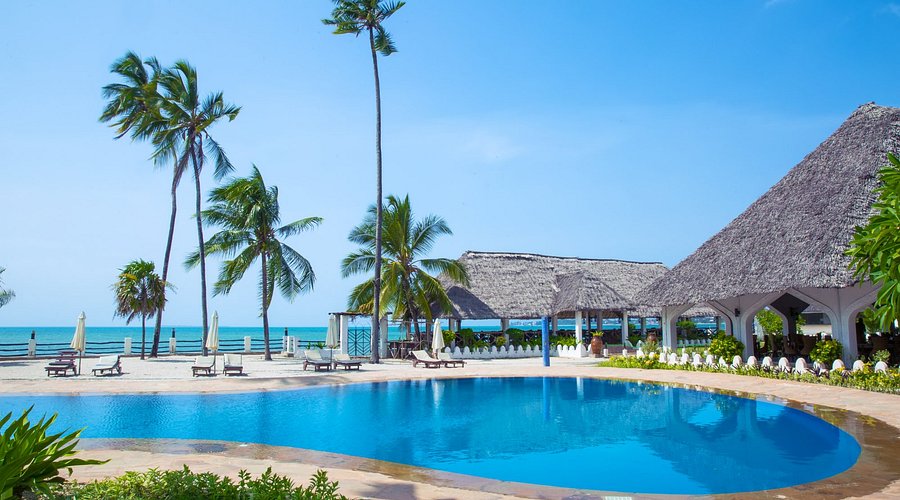
What Tulia Zanzibar Beach Resort actually is
Tulia is a small luxury resort on Pongwe beach, on Zanzibar's quieter east coast, and its defining idea is scale: this is a boutique property measured in a handful of villas rather than hundreds of rooms. Small matters more on Zanzibar than on most islands, because the big all-inclusive complexes of the north-east coast can run to several hundred guests, with the buffet queues and sun-lounger politics that follow. At a boutique scale, staff learn your name on the first morning, the sand in front of the resort never feels contested, and dinner is an occasion rather than a procession.
The second defining idea is that the all-inclusive label is meant genuinely. All-inclusive is a slippery term on Zanzibar — at many resorts it covers the house buffet and local drinks, with everything interesting costing extra. Tulia built its reputation on the opposite philosophy: a rate designed so that once you arrive you largely stop reaching for your wallet, with dining and a broad sweep of activities and extras folded into the stay rather than sold back to you piece by piece. We will not quote inclusions or rates here because they change; the point is the intent, and returning guests consistently tell us the label is honoured.
Pongwe: the calmer corner of the east coast
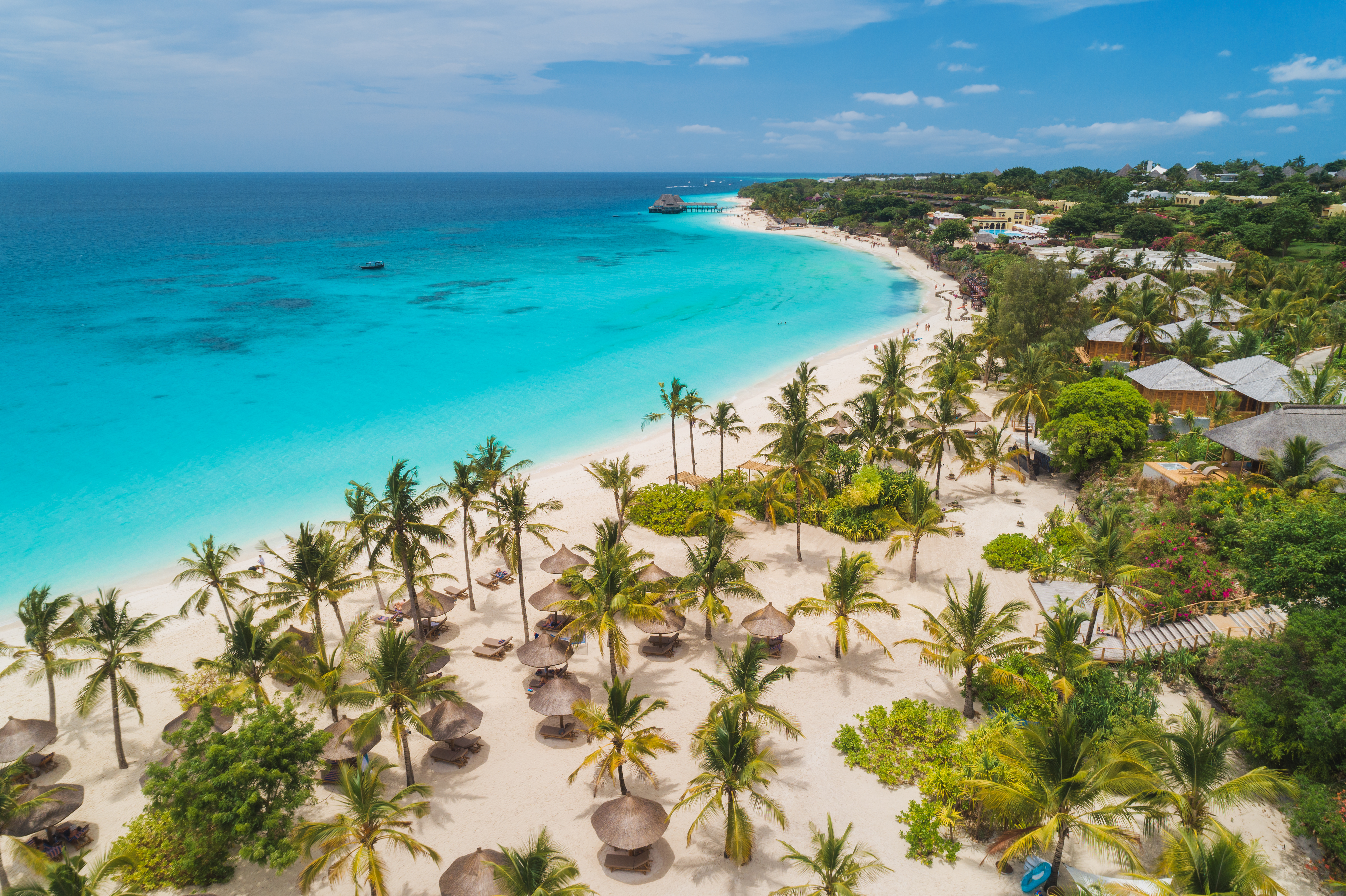
Location explains a great deal of the resort's character. Pongwe sits roughly midway up Zanzibar's east coast, tucked between the busier stretches: to the north, Kiwengwa carries a line of large international resorts, and far beyond that Nungwi and Kendwa bring the beach bars, boat traffic and nightlife. Pongwe itself is a quiet, palm-backed bay with only a small cluster of properties, a village behind the beach, and none of the persistent hawking that can wear you down on the famous strips. If your picture of Zanzibar is white sand, green palms and very few people in the frame, this is the stretch that delivers it.
The shape of the bay matters too. Pongwe curves gently and sits behind the reef, which keeps the water calm and gives the beach a sheltered, private feel that suits exactly the sort of stay people want after safari — barefoot days, a book, long lunches, an unhurried swim. It is not a base for restaurant-hopping or nightlife, and it does not pretend to be. Guests who choose Pongwe are choosing stillness, and in our experience that is precisely what a body clock set to game-drive time is quietly begging for.
Why all-inclusive makes sense after a safari
Here is something the brochures rarely admit: a safari, for all its wonder, is a decision-dense holiday. Every day involves wake-up calls, packing cycles, route choices, sighting decisions, tipping etiquette and a new camp to learn, and even with an operator like us smoothing the road, your brain is working. Psychologists call the result decision fatigue, and it is real — by day seven, many guests are gloriously happy and quietly exhausted in equal measure. The most restorative thing you can give yourself after that is not another itinerary; it is a week in which nothing needs deciding at all.
This is the genuine argument for a true all-inclusive, and it has little to do with saving money on drinks. When everything is folded into one rate settled months earlier, the daily micro-decisions vanish: no menu arithmetic, no signing slips, no weighing whether the excursion is worth it, no wallet on the beach. After the significant spend of a safari, there is also real comfort in knowing the beach leg is fully paid before you land — no surprise extras trickling onto a bill. An all-inclusive done honestly converts your remaining energy into pure rest, which is exactly the job the post-safari week needs to do.
Who Tulia suits — and who it does not
The natural fit is easy to describe. Honeymooners, first and foremost — the safari-then-beach pattern is the classic Tanzania honeymoon, and a small, romantic, adults-leaning hideaway where everything is taken care of is the obvious landing place after a week in the bush. Alongside them, tired safari-goers of every age who want to stay put and be looked after, couples marking an anniversary, and travellers who measure a good beach week by how rarely they had to make a decision. If your ideal day is breakfast, beach, lunch, spa, sunset and dinner without consulting a map or a menu price, the small all-in formula fits.
It is not for everyone, and saying so saves disappointment. Budget travellers will find far better value in the guesthouses of Paje and Jambiani, where the kitesurfing crowd keeps things lively and cheap. Night owls belong in Nungwi. Families wanting kids' clubs, water slides and multiple pools are better served by the big north-east resorts, and restless explorers who want to eat somewhere different every evening should base themselves near Stone Town rather than pay for an all-inclusive they will not use. A small resort on a quiet bay rewards guests who want to arrive, exhale and stay.
The east coast tides, honestly
Now the part many websites gloss over: Zanzibar's east coast has a dramatic tidal range. Twice a day the ocean withdraws across the reef flat, sometimes several hundred metres, leaving pools, exposed sand and seaweed beds where the swimming was. It returns just as reliably, and locals will tell you the tide is the coast's heartbeat — seaweed farmers and fishermen work by it — but if you arrive expecting to step off your lounger into deep water at any hour, the east coast will surprise you. We would rather you hear this from your operator than discover it on day one.
The honest good news is that Pongwe handles the tide better than many stretches — its curved, reef-sheltered bay tends to hold water longer than the flatter coastline further south — and a resort pool covers the low-tide hours regardless. The rhythm quickly becomes part of the holiday: swim and snorkel on the high tide, walk the flats or read through the low. Seasonal seaweed comes and goes, more in some months than others, and no honest operator will promise you a permanently manicured shoreline. If swimming in the ocean at literally any hour is your one non-negotiable, the north coast around Nungwi and Kendwa is the better match — at the price of far more bustle.
How Tulia compares with the alternatives
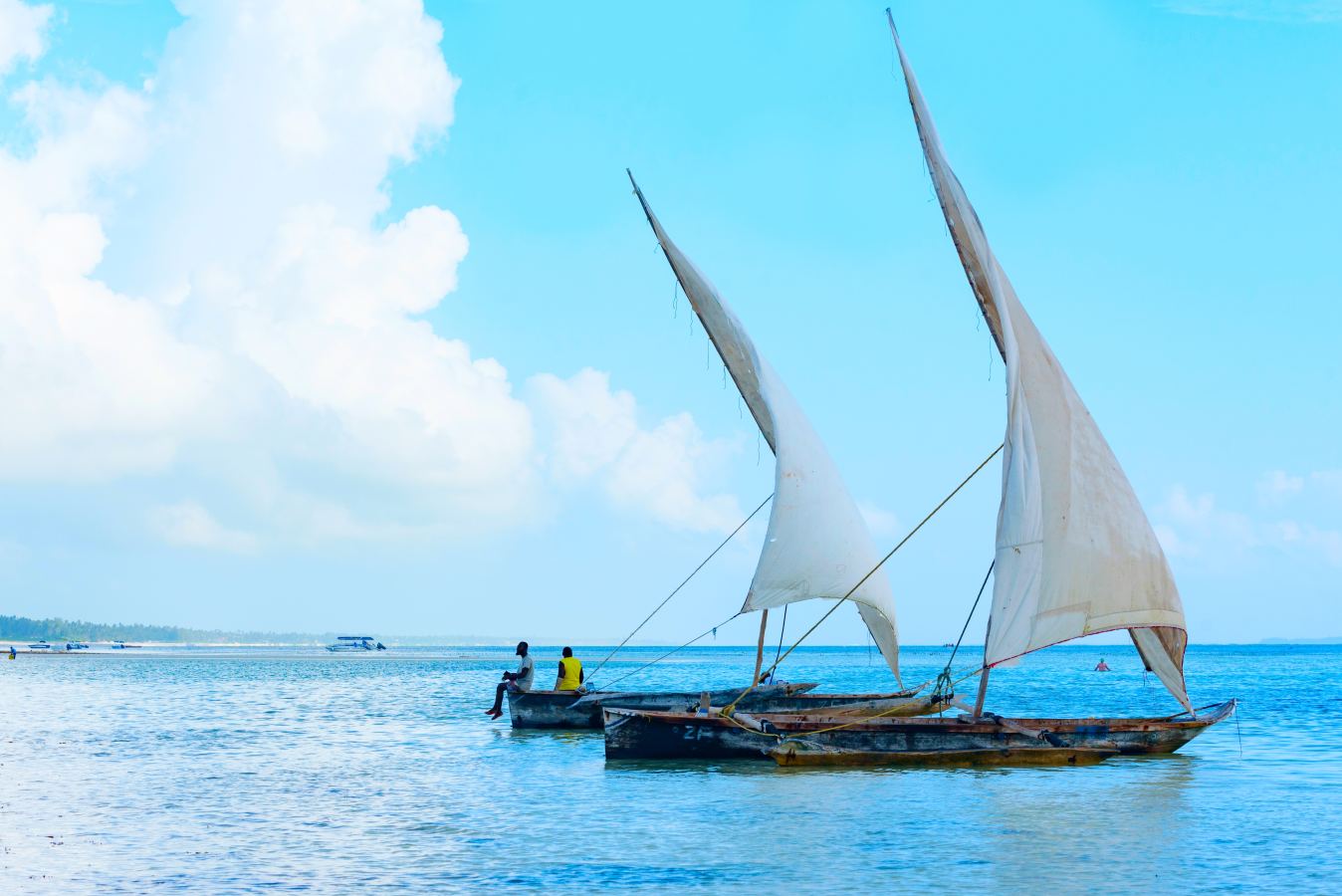
Choosing a Zanzibar beach base is really a choice between coasts. The north, at Nungwi and Kendwa, offers the island's most tide-forgiving swimming and its liveliest scene — sunset bars, dhow trips, crowds. The north-east, from Kiwengwa down through Pongwe, trades some of that swimmability for quiet, and this is where the island's larger resorts cluster, with Pongwe as its calmest pocket. The south-east, at Paje and Jambiani, belongs to the kitesurfers and the barefoot boutique crowd, with a wide tidal lagoon and a young, independent energy. Each coast is genuinely different, and matching guest to coast is most of the art.
Within the all-inclusive category specifically, Tulia occupies an unusual niche. Most Zanzibar all inclusive resorts are large — that is how the economics usually work — so a property that is both genuinely small and genuinely all-in is a rarity, and that combination is precisely why it comes up so often among honeymooners and safari guests. If you want small but prefer to pay as you go, the island has lovely boutique alternatives on several coasts; if you want all-inclusive with big-resort facilities for children, the Kiwengwa strip serves that well. We keep a current shortlist across every coast and budget, because the right answer is the one that fits you.
Compare every coast in our guide to the best beaches in Zanzibar, zoom out with the full Tanzania beaches guide, read how safari and Zanzibar fit together, or browse our Zanzibar beach extensions.
More on this in Tanzania resorts: beach, bush and everything between.
After seven days of five o'clock alarms and extraordinary sightings, the greatest luxury on earth is a week in which nobody asks you to decide anything.
- Small boutique resort on quiet Pongwe beach, east coast
- Genuinely all-inclusive — arrive, exhale, stop deciding
- Best fit: honeymooners and post-safari rest
- East coast tides are real — Pongwe's bay handles them better than most
- Not for nightlife seekers, big families or tight budgets
- Reached in a day from the Serengeti via a light-aircraft hop
Bolting the beach onto your safari
The logistics are simpler than most guests expect, and handling them is our job. On the final safari morning you take a last game drive, then a light aircraft lifts you from a Serengeti airstrip and — usually with a short connection through Arusha — sets you down on Zanzibar the same day. You can genuinely watch lions at breakfast and swim in the Indian Ocean before dinner. We book the flights, keep you inside the soft-bag luggage limits the bush planes require, arrange the meet-and-greet at Zanzibar's airport, and put you in a private transfer for the drive across the island to Pongwe, which takes around an hour.
Sequence matters, and the rule is simple: safari first, beach second. Safari is the demanding half — early starts, long drives, constant stimulation — so it belongs at the start of the trip while your energy is fresh, with the beach as the recovery act. The flights flow in that direction too, since Zanzibar has an international airport with direct connections home, letting many guests fly out without backtracking to the mainland. Ending on the sand also does something subtler: it gives the safari time to settle in the memory, so you land home rested rather than reeling.

A sample shape: bush first, then sea
The classic pairing runs ten to twelve nights: six or seven on safari across Tarangire, the Ngorongoro Crater and the Serengeti, then four or five at the beach. Four nights is the sensible minimum on the coast — the first day is largely arrival and unwinding, so shorter stays never quite deliver the deep rest that justifies the journey. On timing, the June to October dry season is prime for both halves, pairing peak game viewing with Zanzibar's cooler, breezier months, while January and February combine the Serengeti's calving season with hot, blue-sky beach weather. We steer guests away from April and May, when the long rains dampen bush and coast alike.
One practical warning that follows directly from Tulia's main virtue: small resorts have few rooms, and few rooms sell out early. In the July to September peak and over Christmas and New Year, the island's best boutique properties can be fully booked many months ahead, so if a specific small resort is the heart of your plan — for a honeymoon especially — commit early and we will hold the beach leg while the safari takes shape. If your dates are fixed and the first choice is full, this is where knowing the whole coastline pays off, because there is nearly always a right-fit alternative on a quieter stretch.
Safari then sea: plan the whole journey with Sokwe
Safari then sea is the most complete holiday Tanzania offers, and the beach half deserves the same care as the bush half. Tell us your style — a tiny all-inclusive hideaway on Pongwe beach, a livelier base in the north, a barefoot boutique on the kitesurfing coast — along with your dates and budget, and we will match the right beach house to your trip, book the flights and transfers, and hand you a single seamless itinerary from the first game drive to the last swim. Get in touch with Sokwe Africa Safaris and we will start with the animals and finish with the ocean.
Plan your safari and Zanzibar beach stay with Sokwe Africa Safaris