
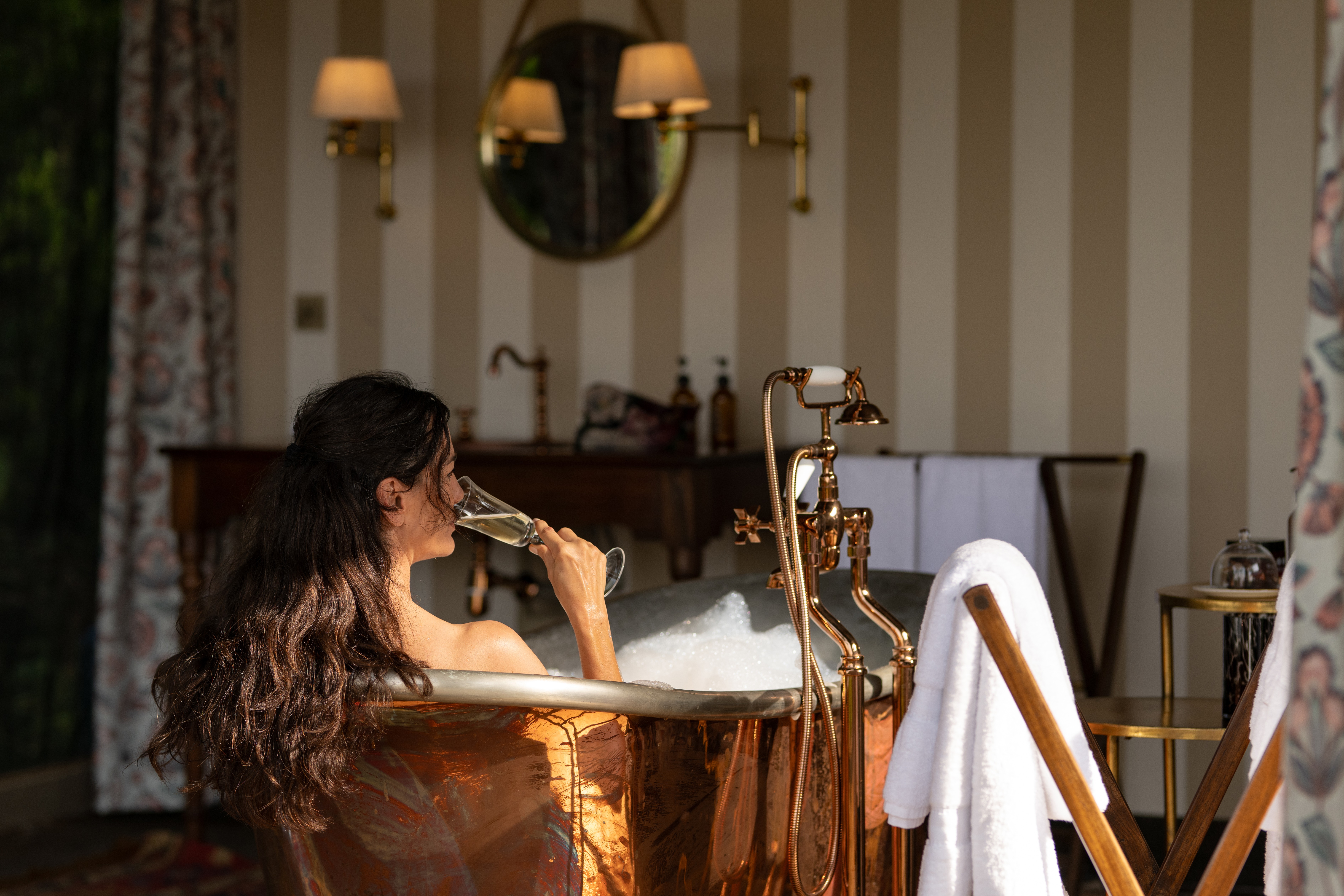
What people mean by Tanzania resorts
Search for Tanzania resorts and you will be shown three completely different kinds of property in the same list: an all-inclusive beach hotel on Zanzibar with four restaurants and a swim-up bar, a twelve-tent safari camp in the Serengeti with no fence and no wifi, and a stone lodge perched on the Ngorongoro crater rim at 2,300 metres where you need a hot water bottle at night. They are all sold as resorts, they cost wildly different amounts, and choosing between them by star rating alone is how people end up disappointed. This guide sorts them by type.
We are an Arusha-based operator and we book across all three categories every week, so this is written from the practical side: what each type of property actually delivers, honest 2026 price bands per person per night, who each one suits, and the combination pattern that most of our clients end up choosing. If you want the city-to-beach view of where to sleep across Tanzania, our Tanzania hotels guide covers that ground, and if you are weighing Tanzania against Kenya or Botswana, our continental piece is the better read. This one sorts by property type.
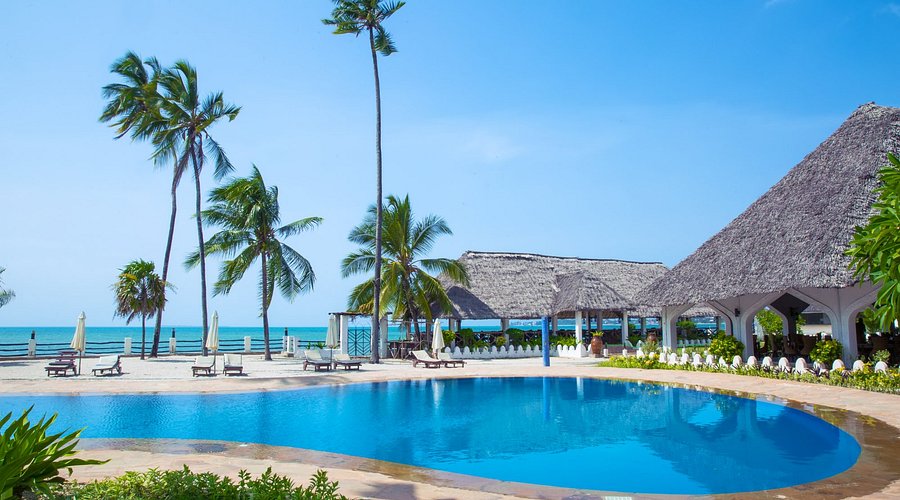
Zanzibar beach resorts: all-inclusive, boutique or villa
Zanzibar is where the word resort behaves most conventionally, and the island splits into three clear styles. All-inclusive resorts are the big properties, typically 80 to 250 rooms, concentrated on the north and north-east coasts, with buffet dining, multiple pools, a dive centre, a spa and evening entertainment. Boutique resorts run from eight to about thirty rooms, usually owner-managed, often barefoot-luxury in style, with one very good restaurant and a la carte or half board rather than a buffet. Private villas are whole houses with a cook, a housekeeper and sometimes a driver, rented by the week.
The right choice depends less on budget than on temperament. All-inclusive works brilliantly for families with young children and for travellers who want the cost sealed before they arrive; the trade-off is scale, buffets and a certain sameness. Boutique suits couples, honeymooners and anyone who would rather eat well than eat often, and it is where Zanzibar's charm really lives. A private villa is usually the cheapest per head once you have six or more people and is by far the best option for a multi-generational family or two couples travelling together, because you get the whole property to yourselves.
Which Zanzibar coast suits you
Coast matters more than category on Zanzibar, and this is the single most common mistake we correct. The east coast, from Paje down to Jambiani, has a dramatic tide: at low water the sea retreats several hundred metres and swimming from the beach is not possible for part of the day. It is beautiful, it is the kiteboarding centre of the island and it is the best value, but nobody should book it expecting to step into the sea at three in the afternoon.
The north, around Nungwi and Kendwa, has the most reliable swimming at all states of the tide and the highest concentration of large all-inclusive resorts, along with the liveliest scene. The north-east, around Matemwe and Pwani Mchangani, faces Mnemba Atoll and is the pick for snorkelling and diving with a quieter feel. The south-west, around Fumba and Menai Bay, is calm, green and increasingly where the smartest new boutique properties are opening. Our guide to the best beaches in Zanzibar goes coast by coast in more detail if you are choosing between them.
Safari lodges and camps: what resort means in the bush
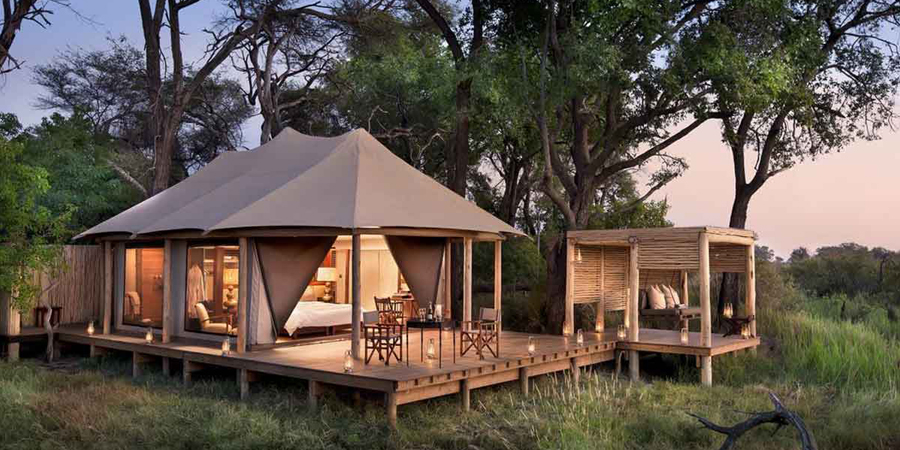
In the parks, resort means something else entirely, and expecting a beach-style resort inland is the fastest route to a disappointing safari. A safari lodge is a permanent building, often with a pool, a viewing deck and 20 to 60 rooms, and it works well for families, for anyone nervous about canvas and for the Ngorongoro and Tarangire areas where lodges have the best sites. A tented camp is a permanent or seasonal camp of eight to twenty tents with proper beds, plumbed en-suite bathrooms and hot water, and it is what most repeat safari travellers choose.
Then there are mobile camps, which move two or three times a year to follow the migration, and private-concession camps on land leased outside the national parks. Mobile camps put you in the right place at the right time, which matters enormously between December and March in Ndutu and July to September in the northern Serengeti. Private concessions allow night drives, walking safaris and off-road driving, none of which are permitted inside the national parks themselves, so they buy you activities as well as exclusivity. Our safari accommodation pages set out the specific properties we use.
Crater rim and highland retreats
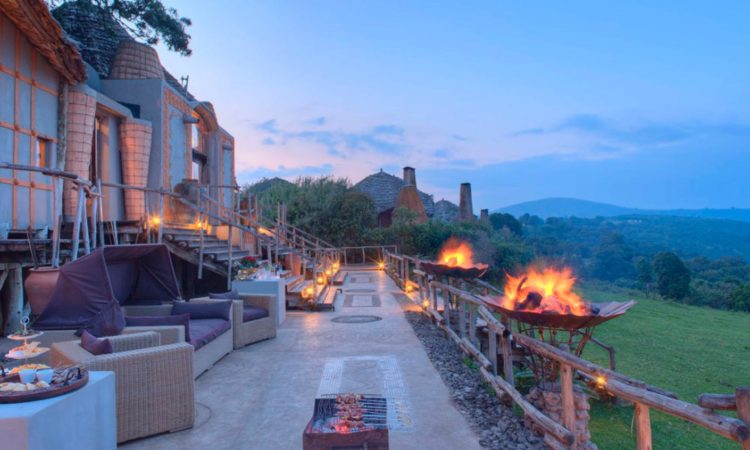
The Ngorongoro crater rim is a category of its own and deserves to be treated as one. The lodges sit at around 2,200 to 2,400 metres directly above the caldera, and the good ones have rooms that look straight down onto the crater floor 600 metres below. It is genuinely cold — expect 8 to 12 degrees at night, fireplaces lit by six and morning mist that can hide the view until nine. Nobody sunbathes on the crater rim, but the setting is unmatched.
Rim location comes at a premium and is worth paying for on one specific point: the descent road is a slow, single-direction track and being fifteen minutes from the gate rather than an hour changes your morning. The Karatu highlands below the rim are the value alternative, with coffee-estate lodges set in farmland at 1,500 metres, considerably warmer, often more comfortable for the money, but adding 45 to 60 minutes each way. We usually recommend one night on the rim and the remaining nights in Karatu, which is the sensible compromise.
Island escapes: Pemba and Mafia
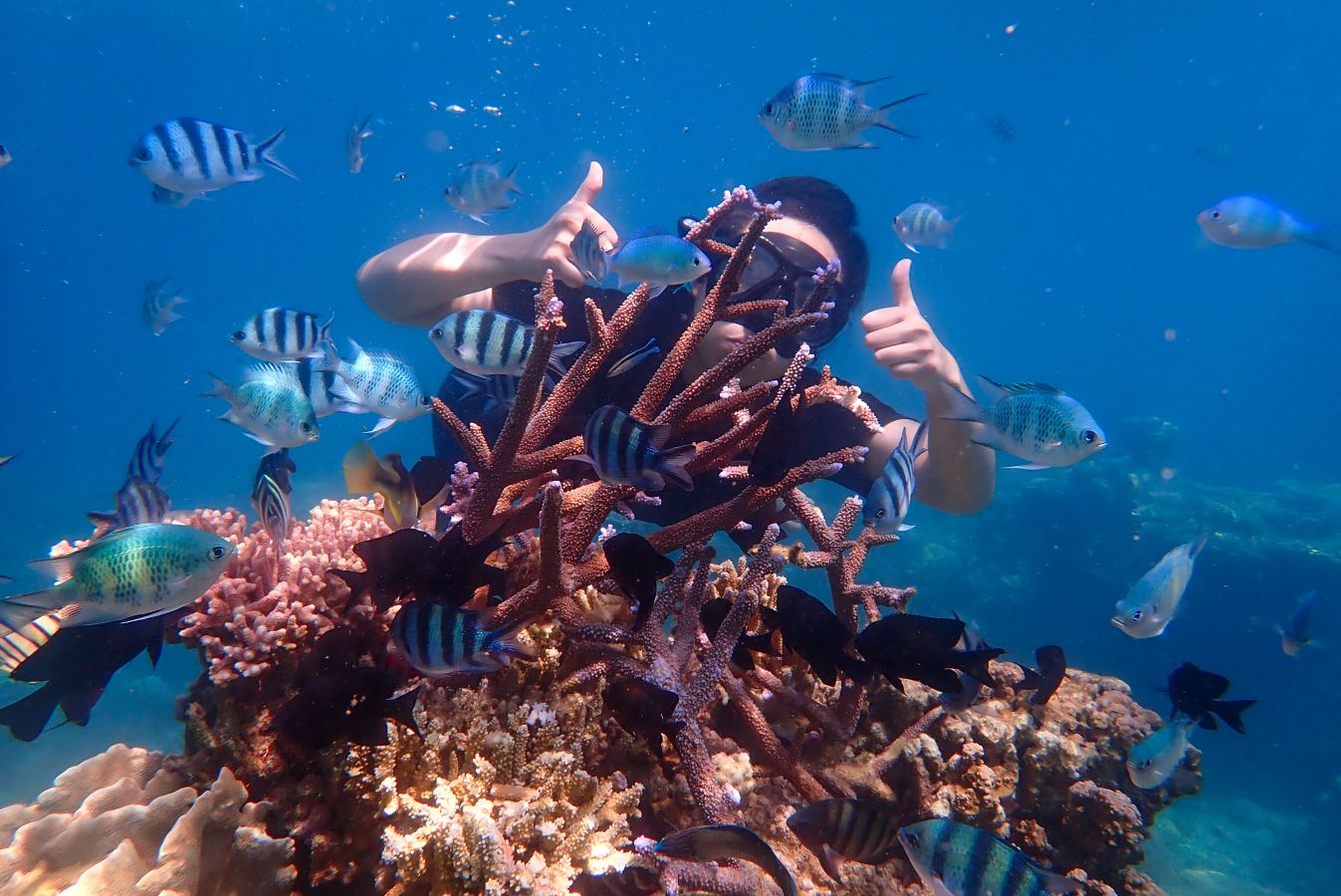
If Zanzibar sounds too busy, Tanzania has two other islands that do resorts very differently. Pemba, an hour north by air, is green, hilly and almost undeveloped, with a handful of small lodges and some of the best wall diving in the Indian Ocean at Misali Island and the Pemba Channel. There is very little to do beyond the water and the clove plantations, which is exactly the point. It suits divers and couples who want genuine remoteness, and it does not suit anyone who wants choice of restaurants or nightlife.
Mafia, south of Zanzibar and reached by a short flight from Dar es Salaam, is the quieter marine park option and the reliable place in Tanzania to snorkel with whale sharks, roughly October to February. Accommodation is a small number of lodges rather than resorts in the Zanzibar sense, mostly beach bungalows on half board. Both islands have fewer flights and shorter seasons than Zanzibar, so they need to be planned around rather than dropped in at the end, and both close properties during the long rains in April and May.
Honest 2026 price bands per type
These are the 2026 ranges we actually quote for Tanzania beach resorts, per person per night, two sharing. Zanzibar all-inclusive runs roughly 120 to 300 US dollars in the mid-market and 350 to 700 at the top end. Boutique properties on half board sit around 180 to 450, with the best small ones reaching 600 or more. Private villas work out at 150 to 350 per head once you fill them, and are poor value for two. Peak festive weeks add 30 to 60 per cent.
Safari accommodation is a different order of magnitude because it is nearly always full board including game drives and park access is charged on top. Mid-range lodges and tented camps run 250 to 450 per person per night, good camps 500 to 900, and top-tier or private-concession camps 1,000 to 2,000 and beyond. Ngorongoro crater rim lodges sit at 400 to 1,200, with Karatu highland lodges at 180 to 400. Tanzania's national park fees, currently 70 to 100 US dollars per person per day plus crater and concession charges, are additional to all of these figures.
What all-inclusive really includes here
All-inclusive is used loosely across Tanzania resorts and it is worth reading the small print before you book. On Zanzibar, all-inclusive normally covers three buffet meals, local-brand spirits, house wine, beer and soft drinks, and non-motorised watersports. It normally excludes imported spirits, the spa, diving, motorised watersports, excursions to Stone Town or Mnemba, and the 100 US dollar-odd per person infrastructure and airport transfer costs. Half board — breakfast and dinner — is the more common structure at boutique properties and often ends up cheaper if you intend to eat out and explore.
In the bush the word full board means something much closer to genuinely all-inclusive: accommodation, all meals, most drinks including house wine and beer, laundry, and two game drives a day in the camp's vehicle. What it usually excludes is park entry fees, conservation levies, balloon flights, premium wines, and tips for guides and camp staff. This is why a safari lodge night looks expensive next to a beach resort night and often is not, once you count what each rate is buying. Compare like for like before you judge.
Related reading: What to Expect at a Tanzania Safari Lodge, Tier by Tier.
See also our guide: Zanzibar vacation: how to plan the perfect island week.
If you are planning this route, read Ngorongoro Serena Safari Lodge: the crater-rim classic explained.
See also our guide: Tulia Zanzibar: the small all-inclusive that safari guests love.
The mistake is not choosing the wrong resort — it is assuming that a beach resort, a bush camp and a crater-rim lodge are the same product because the same word is used to sell all three.
- Zanzibar all-inclusive — families, sealed budgets, north coast for swimming
- Boutique beach resorts — couples, better food, 8 to 30 rooms
- Private villas — best value for six or more travelling together
- Safari lodges — permanent buildings, pools, good for first-timers and families
- Tented camps — the repeat traveller's choice, mobile camps follow the migration
- Crater rim — spectacular and cold; Karatu highlands for value
The classic combination: lodge nights, then a resort week
The pattern that works, and the one we book more than any other, is safari first and beach second. Six to eight nights on the northern circuit through Tarangire, the Ngorongoro crater and the Serengeti, staying in lodges and tented camps, followed by five to seven nights at a Zanzibar beach resort. The order matters: safari days start at half past five and involve a lot of vehicle time, so you want the energy for them at the front of the trip and the recovery at the end, not the other way round.
Logistically it is straightforward. Coastal Aviation and Auric Air fly directly from the Serengeti airstrips to Zanzibar most days, usually with a brief stop, taking two to three hours in total and removing any need to backtrack to Arusha. Book the beach leg with at least one clear day before your international flight home. A fourteen-night trip splitting eight safari nights and six beach nights is the shape we recommend most often for first-time visitors.
With less time, ten nights still works: five or six on safari and four at the coast, enough beach to feel like a holiday rather than a stopover. With more, add Pemba or Mafia instead of extending Zanzibar, or put three nights in the southern parks before the coast. What we would not do is split the beach into two short blocks or fit three parks into four nights — Tanzania rewards staying put.
One practical note on booking. Beach resorts and safari camps operate on completely different rhythms: the best small camps in the Serengeti sell out eight to twelve months ahead for July, August and the February calving season, while Zanzibar resorts have more availability and later release dates. That means the safari leg dictates the dates and the beach leg follows, not the reverse — getting that backwards is why people end up with second-choice camps.
Plan your Tanzania resorts and lodges with us
Choosing between resorts in Tanzania is really a question of matching property type to the part of the trip it is serving — a camp that puts you where the animals are, a rim lodge that shortens the crater descent, a beach resort on a coast where you can actually swim. We have stayed in these properties, we know which ones deserve their rates and which do not, and we hold contracted rates across all three categories. Tell us your style and budget and we will hand-pick every resort and lodge on your route, and build the flights and park days around them.