
Choosing the Right Lodge for Your Tanzania Safari
The lodge is the axis around which everything else in a Tanzania safari revolves. It determines what time the game drive departs, how knowledgeable and experienced the guide behind the wheel will be, what activities are available beyond the vehicle, how the evening unfolds after the day in the bush, and — most fundamentally — how close to the wildlife the traveller actually is during every hour of the stay. A lodge Tanzania safari is not simply a question of where to sleep. It is a question of what kind of relationship with the wilderness is being sought, and which specific property is best equipped to deliver it.
Tanzania's lodge and camp landscape is one of the richest and most diverse in Africa. From the ultra-luxury tented suites of the Serengeti's private concessions — where the boundary between interior and exterior is deliberately blurred and the wildlife passes within metres of the canvas walls — to the dramatic crater rim lodges of Ngorongoro, the intimate river camps of Ruaha, and the historic properties of Nyerere, the range of lodge Tanzania safari options available to the discerning traveller encompasses every style of wilderness hospitality at every level of the market. This guide navigates that landscape honestly — identifying the characteristics that distinguish the finest lodges from the merely good, the areas of Tanzania where lodge quality is most consistently exceptional, and the practical information that allows the traveller to make the most informed possible choice before committing to a booking.
Before selecting a lodge, it is essential to understand what the full safari cost looks like at each tier of the market. Our complete tanzania safari cost guide breaks down every expense from lodge rates and park fees to charter flights and tips across all budget levels.
What Makes a Lodge Tanzania Safari Truly Exceptional
The word "lodge" in the Tanzania safari context covers an enormous range of physical styles and quality levels — from permanent stone-and-timber structures to canvas-walled tented suites that blur the boundary between accommodation and wilderness, from properties hosting one hundred guests to intimate camps of eight or ten tents where the staff-to-guest ratio approaches one-to-one. Understanding what distinguishes exceptional lodge quality from average lodge quality requires looking beyond the thread count and the swimming pool to the factors that most directly affect the safari experience itself.
Location is the single most important factor in a lodge Tanzania safari. A lodge positioned within or immediately adjacent to prime wildlife habitat — inside a private concession where animals move freely through the camp perimeter, or on a riverbank where elephant families drink at dawn — delivers a fundamentally different quality of experience from one positioned near a park gate or in a tourist corridor, regardless of how beautifully it has been designed. The guide team is the second critical factor. The finest lodges employ naturalists of exceptional depth — guides who know the individual animals in their territory, read the landscape with precision, and communicate their knowledge in ways that transform every game drive from a sighting exercise into a genuine lesson in ecological understanding. The activity programme is the third: does the lodge offer only vehicle game drives, or does it provide the full range that a private concession permits — off-road driving, night game drives, guided bush walks with armed rangers, and cultural excursions?
The Best Lodge Areas in Tanzania for Safari
Serengeti National Park Lodges
The Serengeti is the most celebrated lodge Tanzania safari destination in East Africa, and the quality and diversity of its lodge landscape reflects this status. The park divides into distinct zones — central, southern, western corridor, and northern — each of which peaks at a different time of year and suits a different type of lodge Tanzania safari experience. The central Serengeti around Seronera offers year-round wildlife viewing with a well-established resident leopard population and the most accessible infrastructure. The southern Serengeti and adjacent Ndutu plains are the destination for the calving season between December and March. The northern Serengeti's Lamai and Lobo areas are where the Mara River crossings occur between July and October. The western corridor hosts the Grumeti crossings in May and June.
The finest lodge Tanzania safari experiences in the Serengeti are delivered by the private concession properties — camps and lodges positioned outside the national park boundaries on exclusive wildlife management areas where the full range of activities is available without the restrictions that govern the public park. These properties command premium rates that reflect their exceptional location, exclusive territory, and activity breadth, and they represent the gold standard of the lodge Tanzania safari experience for the discerning traveller. Within the park itself, a number of permanent lodges occupy positions of exceptional natural advantage — elevated kopje sites, riverine positions, and northern locations close to the migration crossing sites — that deliver outstanding wildlife access within the framework of the national park's visitor regulations.
Ngorongoro Crater Rim Lodges
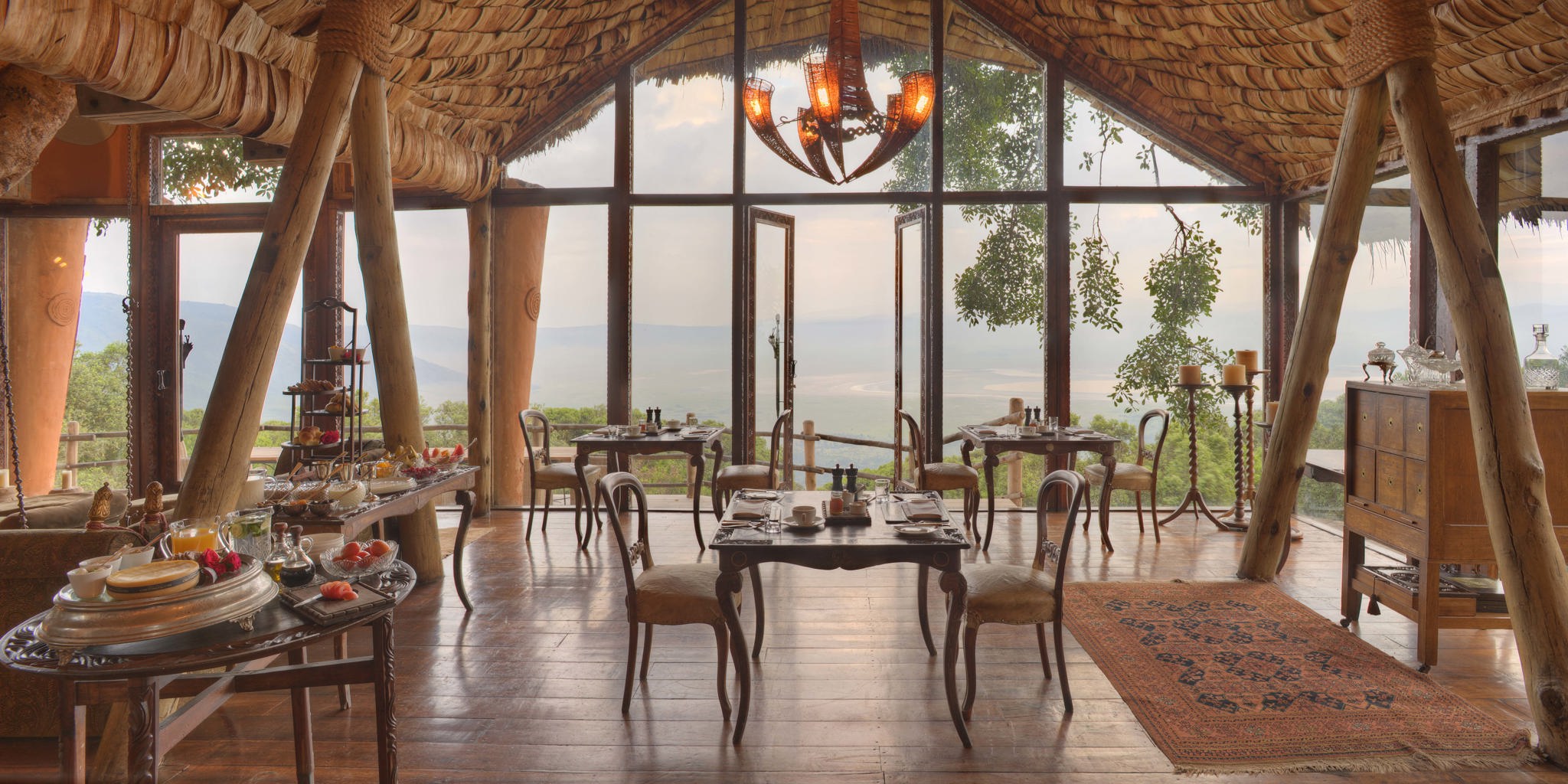
The crater rim lodges of the Ngorongoro Conservation Area occupy one of the most dramatically situated hotel locations anywhere on earth. At 2,300 metres elevation, the rim sits above the cloud line in the early morning, the montane forest below alive with birds and the occasional buffalo emerging from the undergrowth. The view from the rim across the crater — 600 metres below, 20 kilometres across, containing one of the most extraordinary and concentrated wildlife populations on earth — is genuinely vertiginous in its visual impact and immediately understood by every guest as something outside the normal range of travel experience.
A lodge Tanzania safari on the Ngorongoro rim operates on a distinctive daily rhythm. The morning descent into the crater — through the montane forest on the access road, past the tree-ferns and red-hot pokers of the highland vegetation zone — delivers a daily transition between two worlds that no other lodge Tanzania safari can replicate. Game drives on the crater floor cover the alkaline lake with its flamingo populations, the hippo pools of the Mandusi swamp, the Lerai Forest where elephant families browse, and the open grasslands where the crater's lion prides hold permanent territory. The return to the rim in the late afternoon — the crater filling with mist below, the lodge terrace catching the last of the highland light — is one of the most satisfying daily resolutions in all of East African safari travel.
Tarangire National Park Lodges
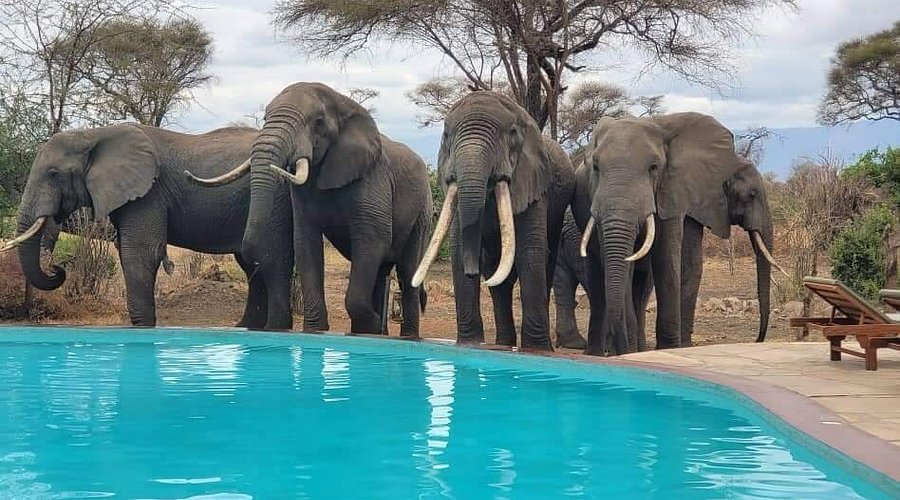
Tarangire's lodge Tanzania safari landscape is centred on the Tarangire River, which provides the park's most important dry-season wildlife magnet and the setting for its most remarkable game viewing concentrations. The finest lodges in Tarangire are those positioned directly on the riverbank or elevated above it — properties where elephant families are a daily presence at the water's edge and where the movement of herds through the camp perimeter is a routine morning occurrence rather than a special event. The baobab landscape of Tarangire is one of the most visually distinctive in East Africa, and the finest lodges have been designed to incorporate these extraordinary trees into their aesthetic — building around them, framing them from tent decks, and using them as the visual anchors of an environment that is unlike anything in the Serengeti or Ngorongoro.
A lodge Tanzania safari in Tarangire is most rewarding from June through October, when the dry season concentrates the park's wildlife — elephant herds of fifty, one hundred, and occasionally two hundred animals — along the river in densities that are unmatched anywhere else in Tanzania. Outside this window, the park disperses and game viewing becomes more challenging, though the green season landscape and the exceptional birdwatching that the wet months bring make Tarangire a rewarding lodge Tanzania safari destination year-round for the traveller who understands what each season offers.
Ruaha National Park Lodges
Ruaha's lodge Tanzania safari landscape is deliberately small and deliberately exclusive — a reflection of the park's management philosophy, which prioritises high-value, low-volume tourism and the genuine wilderness experience that low visitor numbers make possible. The park's vast size — Tanzania's largest national park — combined with its handful of luxury lodges creates conditions of extraordinary exclusivity: a full day's game drive in Ruaha may produce the tracks of one other vehicle, seen once at a distance. The wildlife is different from the northern circuit in several significant respects — greater kudu, roan antelope, sable, and wild dogs are regular sightings, alongside lion populations that are among the largest-bodied in Africa — and the landscape of semi-arid riverine woodland and dramatic rocky escarpment provides a visual palette that is unlike anything encountered in Tanzania's more visited parks.
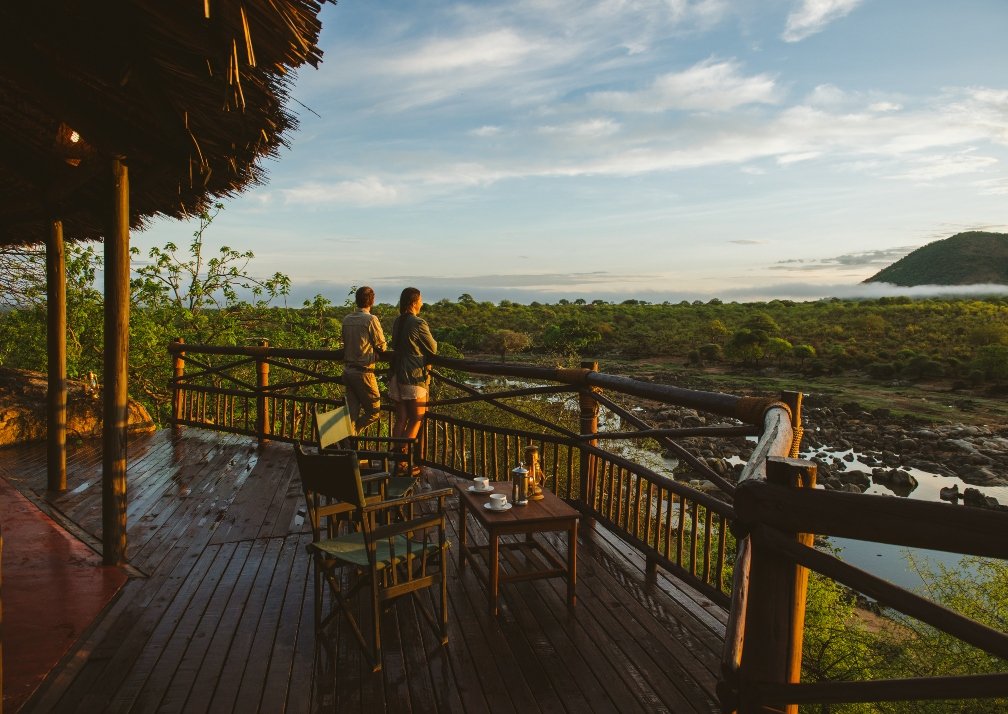
The finest lodges in Ruaha are positioned along the Great Ruaha River — properties where the riverbank provides a permanent wildlife corridor and where elephant herds, hippo pools, and the predators that follow them are observable from the main deck without leaving the camp. The activity programme at Ruaha's best lodges extends well beyond vehicle game drives: guided walking safaris with armed rangers cover terrain that no vehicle can access, fly-camping options allow guests to sleep in the wilderness under temporary canvas with the full sounds of the African night, and night game drives in the areas where they are permitted reveal the nocturnal dimension of the Ruaha ecosystem that the daytime experience only hints at.
For detailed guidance on Ruaha's finest lodges, optimal seasons, and the activities that make a southern circuit lodge Tanzania safari genuinely exceptional, visit our dedicated ruaha national park safari page — written by specialists who know this remarkable park intimately.
Nyerere National Park Lodges
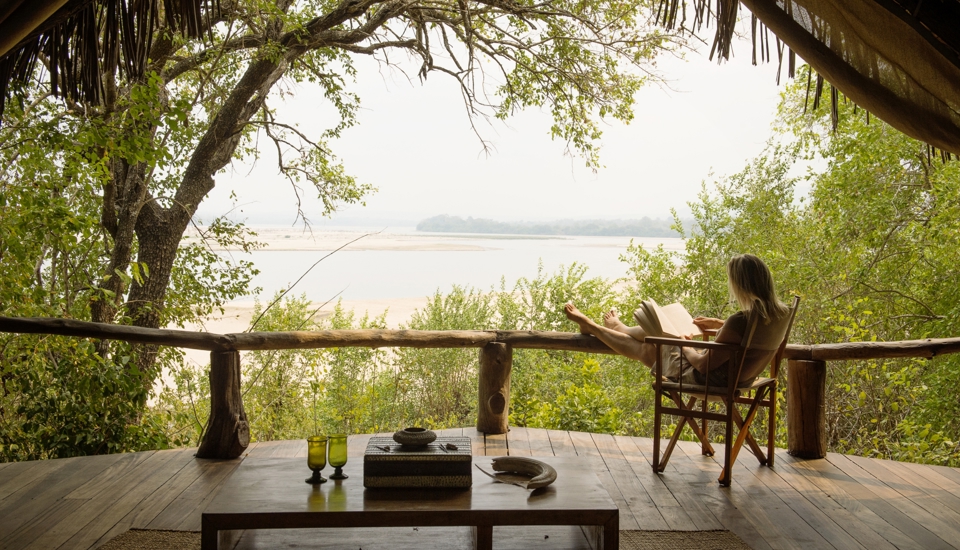
Nyerere National Park — formerly and still commonly known as the Selous Game Reserve — offers a lodge Tanzania safari experience of a completely unique character, distinguished primarily by the boat safari on the Rufiji River that no northern circuit park can provide. The lodges of Nyerere are deliberately few and deliberately intimate — the park's UNESCO World Heritage status and management philosophy restrict the number of properties that can operate within it, ensuring that the exclusivity that makes a Nyerere lodge Tanzania safari exceptional is built into the park's regulatory framework rather than dependent on the individual lodge's marketing decisions.
A lodge Tanzania safari in Nyerere combines the vehicle game drive with the boat safari — a morning on the Rufiji River in a private vessel with a dedicated guide and spotter, encountering hippo, crocodile, elephant, and waterbirds from the water's surface in a way that fundamentally changes the relationship between observer and observed. The walking safari in Nyerere, conducted with an armed ranger in territory that includes lion, elephant, and buffalo, is among the most atmospheric and intense guided wildlife experiences in Tanzania. The combination of three distinct activity types — vehicle, boat, and foot — within a single lodge Tanzania safari at Nyerere creates a breadth of encounter that the northern circuit's finest lodges cannot quite match.
What to Expect at Different Lodge Tiers
Budget and Mid-Range Lodges
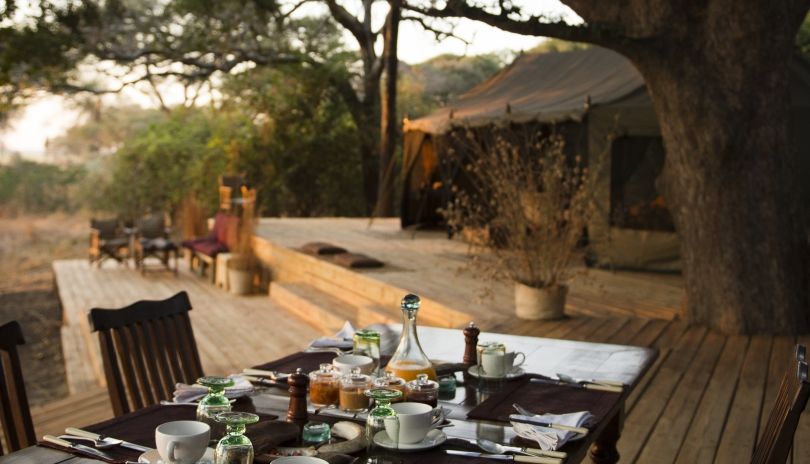
Budget lodge Tanzania safari accommodation — typically priced between $100 and $300 per person per night — encompasses the basic tented camps and simple lodges near park gates that provide functional accommodation for the wildlife-focused traveller whose budget does not extend to the luxury tier. Facilities are basic but adequate: ensuite bathrooms, proper beds, and full-board meals of reasonable quality are standard at the better mid-budget properties. Game drives are typically shared with other guests in the same vehicle, and the guide quality is variable — knowledgeable at the better properties, inconsistent at the lower end of this tier.
Mid-range lodge Tanzania safari properties — priced between $300 and $700 per person per night — deliver a substantially improved experience: better-positioned camps, qualified and experienced guides, dedicated safari vehicles rather than shared minibuses, and accommodation that is genuinely comfortable rather than simply functional. This tier represents the most significant value jump in the Tanzania safari market, and many experienced safari travellers consider it the minimum investment for an experience that delivers what the Tanzania safari genuinely has to offer.
Luxury and Ultra-Luxury Lodges
Luxury lodge Tanzania safari accommodation — from $700 to $3,500 or more per person per night on an all inclusive basis — is where the safari experience reaches its fullest expression. Private game drives, private concession access, the full activity range, outstanding guiding, and accommodation designed with deliberate care for the relationship between the guest and the wilderness all combine at this level to create an experience that is qualitatively different from the mid-range rather than simply more comfortable. The all inclusive model — standard at Tanzania's finest lodges — removes the financial friction that diminishes the quality of the experience at lower tiers, allowing the guest to be fully present in the wilderness without the awareness of incremental costs.
For a comprehensive guide to what Tanzania's finest all inclusive lodges include within their rates, read our detailed all inclusive tanzania safari guide — the most thorough account of the luxury lodge model and its full range of inclusions available for 2026.
Booking Your Lodge Tanzania Safari
The most reliable route to the right lodge for any specific traveller is through a specialist operator who has first-hand knowledge of the properties they recommend — not from a brochure or a TripAdvisor listing, but from personal visits that maintain a living understanding of which lodges are performing well, which guides are exceptional, and what the specific conditions in each park are doing at any given time of year. The specialist operator's role in the lodge Tanzania safari booking process is not simply to confirm a reservation — it is to apply genuine field knowledge to the specific circumstances of the individual traveller, matching the right lodge to the right person with a precision that no booking platform can replicate.
Advance booking is essential for the finest lodges in Tanzania, particularly during peak season. The most celebrated properties — those in the Serengeti's private concessions, the finest crater rim lodges in Ngorongoro, and the intimate river camps of Ruaha — fill their July and August availability twelve to eighteen months ahead. The traveller who begins planning a lodge Tanzania safari in January for a July departure is already at a disadvantage at the finest properties, and may find themselves choosing between their second-choice camp or a significant compromise on location or activity range. Beginning the planning process early — ideally nine to twelve months before the intended travel date for peak season, and six to nine months for shoulder season — is the single most reliable way to secure the best lodge Tanzania safari experience available.
Planning your Tanzania safari starts with the right operator. Whether you are researching lodge Tanzania safari options or ready to commit to dates, our team at Sokwe Africa Safaris is here to help. Get a personalised quote built around your budget, travel style, and preferred parks. You can also explore our all inclusive tanzania safari packages, read our complete tanzania safari cost guide, or learn exactly how to book a safari in tanzania before making any decisions.
Explore our all inclusive tanzania safari packages, read our complete tanzania safari cost guide, or learn exactly how to book a safari in tanzania before making any decisions.
Browse our full selection of lodge Tanzania safari options on our luxury tanzania safari page — each property personally known to our team and matched carefully to the traveller's specific objectives, budget, and travel dates.
For the complete safari and beach experience, explore our tanzania safari and zanzibar packages — combining the finest lodge Tanzania safari destinations with the Indian Ocean's most beautiful island conclusion.
Related reading: Four Seasons Safari Lodge Serengeti: what to know before you book.
Related reading: Ngorongoro Serena Safari Lodge: the crater-rim classic explained.
If you are planning this route, read Tarangire Safari Lodge: the view that sells itself.
For authoritative information on Tanzania's national parks, lodge licensing, and conservation area regulations, visit the Tanzania National Parks Authority. For wildlife conservation research and reporting across Tanzania's safari ecosystems, the African Wildlife Foundation provides comprehensive field information.
The finest lodge Tanzania safari is not the one in the most famous location or the one with the highest TripAdvisor rating — it is the one where the guide knows the leopard by name, where the chef uses tomatoes from the camp garden, and where the tent flap opens onto a waterhole that has been drawing wildlife to the same spot since long before the lodge existed. That specificity — that sense of genuine belonging in a specific place — is what separates a truly exceptional lodge from a merely impressive one.
- Location within prime wildlife habitat is the single most important factor in a lodge Tanzania safari — proximity to wildlife determines the quality of every hour in the bush
- Private concession lodges unlock off-road driving, night drives, and walking safaris unavailable at national park lodges
- Guide quality at the finest lodges is exceptional — naturalists who know individual animals and read the landscape with precision
- Serengeti lodge selection depends on zone and season — north for July–October crossings, south for December–March calving
- Ngorongoro rim lodges deliver the most dramatic setting in Tanzania — 600 metres above one of Africa's greatest wildlife concentrations
- Tarangire lodges peak June–October when elephant concentrations along the river reach their extraordinary annual maximum
- Ruaha lodges offer the most exclusive lodge Tanzania safari conditions — vast territory, minimal visitors, exceptional wildlife diversity
- Nyerere lodges add the boat safari on the Rufiji River — the most distinctive activity inclusion in Tanzania's lodge landscape
- Luxury all inclusive lodge rates ($700–$3,500 per person per night) cover accommodation, meals, beverages, activities, and transfers
- Book peak season lodge Tanzania safari twelve to eighteen months in advance for the finest properties
FAQs: Lodge Tanzania Safari
What is the difference between a lodge and a tented camp on a Tanzania safari? In Tanzania's safari context the terms are often used interchangeably, as most luxury properties use canvas-walled tented suites with permanent foundations, solid floors, and ensuite bathrooms rather than traditional fixed-structure hotel rooms. True permanent lodges — with stone or timber construction throughout — exist at several properties, particularly on the Ngorongoro crater rim. The distinction matters less than the location, guiding quality, and activity programme of the specific property.
How many nights should I spend at a lodge in Tanzania? Two nights is the minimum for a meaningful lodge Tanzania safari experience at any single property — enough for two full days of game drives and an orientation to the area. Three nights is better, and four nights is where the experience begins to develop the depth and intimacy that distinguishes the finest lodge Tanzania safaris from those that merely pass through a location. In Ruaha and Nyerere particularly, three to four nights is strongly recommended to access what the park genuinely offers.
Are Tanzania lodge safaris all inclusive? Most luxury lodges in Tanzania operate on a fully all inclusive basis — covering accommodation, all meals, premium beverages, private game drives, activities, and airstrip transfers within a single daily rate. Mid-range and budget properties typically offer full-board or bed-and-breakfast rates with activities charged separately. Always confirm exactly what is included before booking, particularly whether park fees and conservation levies are incorporated into the quoted rate.
What is the best lodge in Tanzania for the Great Migration? For the Mara River crossings between July and October, lodges in the northern Serengeti's Lamai and Lobo areas provide the best positioning. For the calving season between December and March, lodges in the southern Serengeti and Ndutu plains are optimal. Mobile camps that reposition seasonally to follow the migration offer the most dynamic experience and are available exclusively through specialist operators who manage the seasonal logistics.
Can I do a walking safari from a Tanzania lodge? Walking safaris are available from most luxury lodge Tanzania safari properties that operate in private concessions or in parks where walking is permitted — including Ruaha, Nyerere, and several Serengeti concession areas. Walking safaris are conducted with an experienced guide and an armed ranger under strict safety protocols. They are not available inside the Serengeti National Park or on the Ngorongoro Crater floor. Always confirm walking safari availability with your operator before booking.
What should I look for when comparing Tanzania safari lodges? The key factors to compare when evaluating a lodge Tanzania safari are location within prime wildlife habitat, activity range including whether off-road driving and night drives are available, guide quality and tenure, the all inclusive nature of the rate including park fees, the number of guests accommodated and the staff-to-guest ratio, sustainability credentials and community benefit programmes, and the specific seasonal strengths of the lodge's location. A specialist operator with first-hand lodge knowledge is the most reliable source of honest comparative guidance.
Is it safe to stay in a tented lodge in Tanzania? Yes. Tanzania's luxury tented lodges operate under rigorous safety protocols that have been developed and refined over decades of professional safari operation. Camps are positioned and managed to minimise meaningful wildlife risk, guests are escorted between tents and facilities after dark by camp staff, and all guides and rangers are trained in wildlife safety procedures. The proximity to wildlife that a tented lodge provides is precisely controlled and entirely safe within the established protocols — it is also what makes the lodge Tanzania safari experience so extraordinarily immersive and memorable.