
The crater-rim classic
Ask almost anyone who has researched a Tanzania safari where to sleep at the Ngorongoro Crater and one name comes up again and again: Ngorongoro Serena Safari Lodge. Perched directly on the crater rim, built of local stone and half-hidden under creeping ivy, it is the long-established classic of the crater — the lodge that appears in the brochures, the guidebooks and a thousand trip reports. This guide explains, from an operator's point of view, what the lodge actually is, why its rim location matters so much, who it suits, and how we build a crater day around it.
A word on where we stand. Sokwe Africa Safaris is an independent Tanzanian operator based in Arusha; we do not own the Serena or any other lodge. We book it, alongside its rivals on the rim and the farmhouses down in Karatu, within the private itineraries we design — which means our only interest is placing you in the right bed for your budget and your priorities. That independence is exactly why this guide can be honest about the trade-offs, because the famous rim lodges are wonderful for some travellers and the wrong choice for others.
What the Ngorongoro Serena Safari Lodge actually is
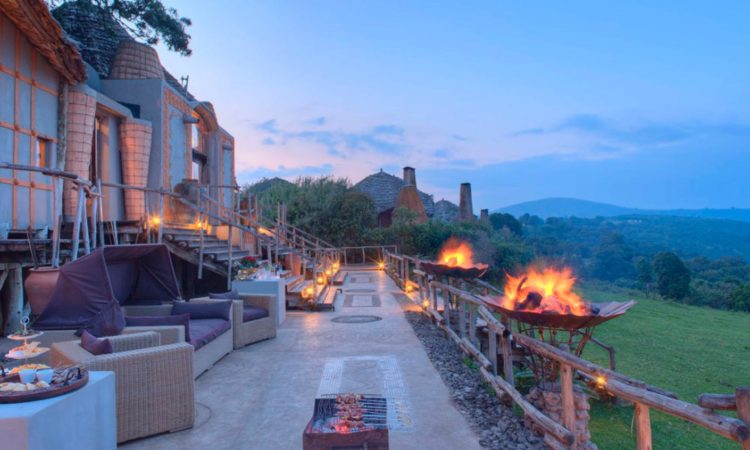
The Ngorongoro Serena Safari Lodge is one of the longest-established properties on the crater rim, part of the well-known Serena group of East African hotels and lodges. It sits on the western side of the caldera at over 2,000 metres above sea level, and its defining idea is architectural modesty: the building is constructed from local river stone, draped in indigenous ivy and creepers, and deliberately designed to melt into the rim rather than stand proud of it. From the crater floor you would struggle to pick it out, which is precisely the point.
The lodge's reputation rests on one simple, powerful fact: it looks into the crater. The property is famous for giving its rooms views over the caldera itself, so you can watch the light change across one of the natural wonders of the world without leaving your bed. Inside, the style is warm and traditional rather than cutting-edge contemporary — stone walls, timber, cave-painting-inspired decoration and open fires — a character that has changed relatively little over the decades and that many guests find far more atmospheric than a glossy new build.
Why the rim location matters so much
It is hard to overstate how much the rim location shapes the experience. The Ngorongoro Crater is a 260-square-kilometre caldera with walls around 600 metres high, and sleeping on the lip of it means the view is not something you drive to — it is simply there, at breakfast, at sunset, and in the pale early light when the crater floor is still streaked with cloud. Sunrise over the caldera, watched with a coffee from your own room, is one of the great set pieces of a northern circuit safari, and only the handful of rim lodges can offer it.
The second advantage is tactical, and as operators we care about it even more than the view: early gate access. Crater game viewing is at its absolute best in the first hours of the morning, when the light is golden, the predators are still active and the day-tripper vehicles from Karatu have not yet arrived. Sleeping on the rim means you can be at the descent road at first light with a packed breakfast, dropping onto the crater floor ahead of the queue. That head start regularly makes the difference between watching lions hunt in soft light and watching them sleep at midday.
The character: stone, fireplaces and mountain air
Guests are sometimes surprised by the atmosphere of the crater rim, and it pays to arrive with the right expectations. This is highland Tanzania, not the savannah: the rim sits at well over 2,000 metres, and once the sun drops the temperature falls sharply, with misty evenings and genuinely cold nights, especially from June to August. This is why the Serena's fireplaces are not decoration but necessity, and why the stone-and-timber character of the lodge feels so right — it is mountain architecture for a mountain climate, closer in mood to a highland retreat than a bush camp.
Our practical advice is simple: pack proper layers. A fleece, a warm jacket, a hat and something long for the early-morning descent will transform your comfort, because the crater floor itself warms up quickly while the rim stays cool. Far from being a drawback, most of our guests come to love the altitude chill — the log fire after dinner, the blankets, the clear high-altitude stars — as part of the crater's distinctive personality. It is a completely different sensory experience from the Serengeti, and that contrast is one of the joys of a well-built northern circuit.
Who the lodge suits best
In our experience, the Ngorongoro Serena Safari Lodge suits travellers for whom the crater is a headline act of the trip and the view is worth paying for. First-time safari-goers ticking off one of the natural wonders of the world, honeymooners who want that sunrise-over-the-caldera moment, photographers chasing early light on the crater floor, and anyone whose itinerary allows only one night at Ngorongoro all get exceptional value from sleeping on the rim, because the location squeezes the maximum experience out of limited time.
It is also a reassuring choice for travellers who prefer a full-service, established hotel-style lodge over a small camp: the Serena group is a known quantity across East Africa, and the lodge runs with the practised efficiency of a property that has hosted crater visitors for decades. Conversely, it suits less well those who crave intimacy and exclusivity above all — a busy, well-known lodge in peak season is a sociable place — or travellers on tight budgets, for whom the crater-view premium may be better spent elsewhere in the itinerary.
Rim lodge or Karatu farmhouse? The honest trade-off
Here is the decision we walk almost every Ngorongoro client through. Your realistic alternatives to the rim are the lodges and farmhouses around Karatu, the highland farming town about forty five minutes from the crater gate. The Karatu properties — coffee-farm lodges, country houses and boutique retreats — offer lush gardens, warmer nights at lower altitude, often larger rooms and pools, and generally better value for money. What they cannot offer is the view, and they start the crater day from further back in the queue.
The rim lodges, the Serena among them, win on location and drama: the caldera view, the sunrise, and the first-at-the-gate descent that defines a great crater morning. The trade-offs are real, though. You pay a premium for the position, nights are colder, and the rim properties are large and busy precisely because everyone wants to be there. Karatu, by contrast, gives you gardens, log fires, excellent food and change left over for an extra activity — at the cost of an earlier alarm and a road transfer before you even reach the crater gate.
Our honest rule of thumb: with one night at Ngorongoro and the budget to stretch, sleep on the rim — the view and the early descent justify the premium when the crater is your sole focus. With two nights, or a tighter budget, Karatu is often the smarter play, using the savings on a full-day crater tour or a cultural visit. There is no universally correct answer among the Ngorongoro lodges, only the right answer for your particular trip, which is exactly the conversation we have when we build your itinerary.
How we time your crater day around where you sleep
Where you sleep dictates how we choreograph the crater, and this is where an operator earns their keep. From the Serena or another rim property, we plan a first-light start: packed breakfast loaded the night before, at the descent road as the gate opens, and onto the crater floor while the light is still gold and the morning hunters are moving. You then enjoy the best hours of the day, take breakfast by the hippo pool, and ascend around midday as the light flattens and vehicle numbers peak — having already had the crater at its finest.
From Karatu the day still works beautifully, but the arithmetic changes: we build in the drive up to the gate, which means an earlier wake-up call to hit the same descent window. Coming the other way, if you are travelling from the Serengeti, a night on the rim positions you perfectly to descend the following dawn before continuing to Arusha. These sequencing details sound small on paper, but they are the difference between a crater day that feels unhurried and magical and one that feels like a procession — which is why we obsess over them.
- Rim location directly above the caldera — the famous crater views
- Long-established stone-and-ivy lodge, renowned for views into the crater
- First-light descents — on the crater floor before the day-tripper queue
- Highland altitude — cold nights, log fires, pack proper layers
- Best for first-timers, honeymooners, photographers and one-night stays
- Karatu farmhouses trade the view for gardens, warmth and value
Where it fits in a northern circuit itinerary
The classic placement for a crater-rim night is between the Serengeti and Arusha on a northern circuit safari. A typical shape: Tarangire or Lake Manyara first, then the Serengeti for three or four nights, then a night at the Ngorongoro Serena Safari Lodge or a Karatu property, descending into the crater at dawn the next morning before the drive back towards Arusha or a flight to Zanzibar. Run this way, the crater becomes the grand finale of the safari rather than an item ticked off in passing.
For a deeper dive into the crater itself — the wildlife, the geology, the fees and the practicalities — read our full Ngorongoro crater guide, and see our round-up of the best luxury lodges across the Serengeti and Ngorongoro for how the rim properties compare with their Serengeti counterparts. If you are still weighing regions and styles across the whole country, our overview of where to stay for safari in Tanzania sets the rim-versus-farmhouse question in its wider context, from bush camps to beach hotels.
If you are planning this route, read Is Ngorongoro Crater worth it? An honest guide to what you see, the crowds and how to do it well.
Sleep on the rim and the crater is not somewhere you visit — it is the view from your pillow and the head start on your morning.
One final note on booking. The rim lodges are few and famous, and the Serena in particular sells out months ahead for the peak seasons of July to October and Christmas to February, especially for the crater-view rooms that are the whole point of staying there. If a rim night matters to you, it should be one of the first pieces of the itinerary we lock in, often before flights are even finalised. Late planners are not doomed — Karatu's depth of good properties is the safety net — but the classic rim experience rewards those who commit early.
Plan your crater night with Sokwe
Rim or farmhouse? Tell us your budget, your dates and what the crater means to your trip, and we will place your Ngorongoro night perfectly — a crater-view classic like the Serena lodge at Ngorongoro when the sunrise and the first-light descent are worth the premium, or a charming Karatu farmhouse when value and gardens win. As an independent Arusha-based operator we book what serves you, not what serves a brand, and we sequence the whole crater day around wherever you sleep. Get in touch and let us build the crater morning you have been imagining.
Plan your Ngorongoro safari with Sokwe Africa Safaris