
What Tarangire Safari Lodge actually is
Ask ten northern-circuit travellers where to stay in Tarangire and a surprising number will name the same place. Tarangire Safari Lodge is one of the longest-established properties in the park, sitting on the edge of an escarpment that looks straight down over the Tarangire River valley, and it has built its reputation on that position rather than on marble bathrooms or infinity pools. It is a classic tented lodge inside the park boundary, and the view from its terrace is widely considered one of the finest in northern Tanzania. This guide explains what it is, who it suits and how to time a stay.
We should say plainly what we are: Sokwe Africa Safaris is an independent Tanzanian operator based in Arusha, roughly two and a half hours from the Tarangire gate. We do not own this lodge and we have no stake in it. We simply place a great many guests in Tarangire every season and we are asked about this particular property more than any other, so it is worth setting out honestly what it does well, what it does not attempt to do, and which travellers walk away delighted rather than mildly disappointed.
The view: why location beats luxury here
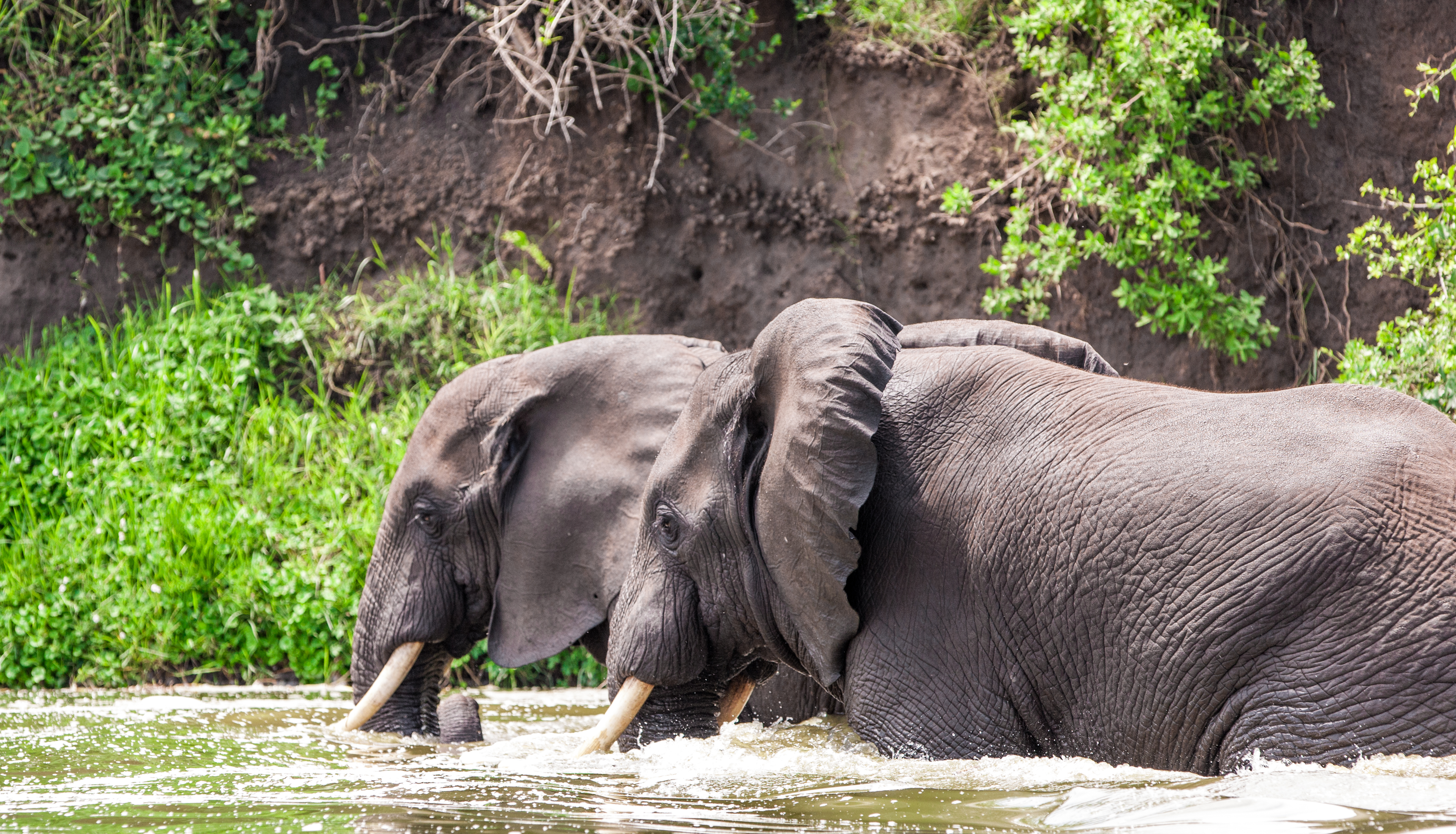
Most safari lodges sell you a room and hope the wildlife cooperates. The escarpment position here inverts that. Because the ground drops away in front of the property towards the river, you are looking down onto the valley floor rather than across it, which is the difference between seeing scrub at eye level and watching a whole ecosystem laid out beneath you. Game moves along the watercourse below all day. That single geographical fact is why this Tarangire lodge has stayed on itineraries for decades while flashier properties have come and gone.
The practical effect is that your downtime becomes part of the safari rather than a gap in it. On most northern-circuit trips the hours between the morning and afternoon game drives are dead time spent reading in a room. Here, guests routinely spend the whole middle of the day on the terrace with binoculars, watching elephant, zebra and buffalo work their way along the river below. That is a genuinely different experience from a lodge set back behind a treeline, and it is the reason regular safari-goers keep returning.
Why being inside the park matters
Tarangire has a cluster of accommodation outside its boundary, some of it very comfortable and noticeably cheaper. The trade-off is the gate commute. Park gates operate on fixed hours, so a lodge outside the boundary means you cannot be in the park at first light, and you must be heading out again before dusk. Since Tarangire's best predator activity and its most atmospheric light fall precisely into those two windows, an outside-the-park stay quietly removes the best hours of the day from your safari.
Staying inside the park removes that constraint entirely. You are already in the wildlife area when you wake, so a dawn drive begins the moment you finish coffee, and an evening drive can run right up to the light failing without a race back to a gate. Over a two-night stay that difference adds up to several hours of prime game viewing. It also cuts the amount of your holiday spent on access roads, which is worth more than most brochures admit when you are working with a tight northern-circuit schedule.
The honest note on style and rooms
This is where expectations need managing. Tarangire Safari Lodge is a long-established, comfortable, classic tented property, not an ultra-luxury camp. The accommodation is in tented rooms of the traditional East African kind, with the canvas, the verandah and the straightforward comfort that implies. If your reference point is a boutique camp with a private plunge pool and a butler, this is not that, and no amount of enthusiasm about the view will make it that. We would rather tell you now than have you discover it on arrival.
For a great many travellers, that is precisely the appeal. Classic tented rooms put you in contact with the sounds of the bush in a way that a sealed, air-conditioned suite does not, and the lodge's unpretentious character tends to produce a sociable, relaxed atmosphere rather than a hushed one. It also means your money is buying position rather than fittings. On a two-week northern trip where you are already spending heavily on Serengeti camps, spending your Tarangire nights on the view instead of the finish is a sensible allocation.
Elephants below: the dry-season show
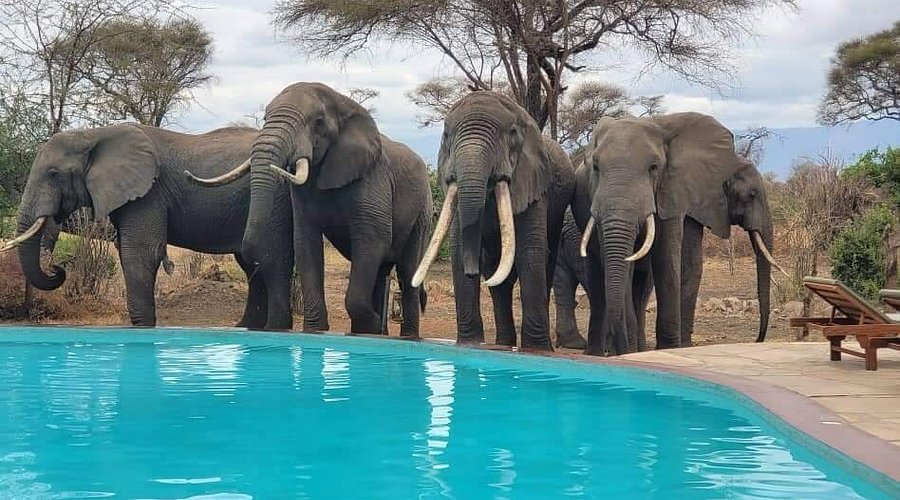
Tarangire's reputation rests on elephants, and in the dry months it earns it. As seasonal water sources across the wider ecosystem dry out, animals converge on the Tarangire River, which holds water when almost nothing else in the region does. The result is one of the densest elephant concentrations in East Africa, with large breeding herds moving through the valley in numbers that genuinely surprise people who thought they had already seen elephants elsewhere on their trip.
From an escarpment position you watch this from above, which changes it. Herd structure becomes visible in a way it never is from a vehicle at ground level. You can see the matriarch leading, the calves in the middle, the outriders, and the whole procession moving as a unit towards the water. Guests who have spent a fortnight on safari often describe an hour on the terrace watching elephants below as the image they take home. It costs nothing and requires no vehicle.
When to visit Tarangire
If elephants are the priority, come between June and October. The dry-season concentration builds through those months and peaks in the later part of it, roughly August to October, when the surrounding country is at its driest and the river valley is doing all the work. This is also when the terrace view is at its most productive, because the vegetation has thinned and animals are visible at distance rather than hidden in green scrub. It is the straightforward answer for a first Tarangire visit.
The green season, from November through to around May with a break in the shorter rains, is a different proposition. The park is beautiful, the birding is exceptional, and the crowds thin considerably, but the elephant concentration disperses because water is available everywhere. Some travellers prefer it. If you are visiting in the green months we would usually shorten Tarangire to a single night and weight the trip towards the Serengeti, where the calving season is running in the south.
Who it suits, and who it does not
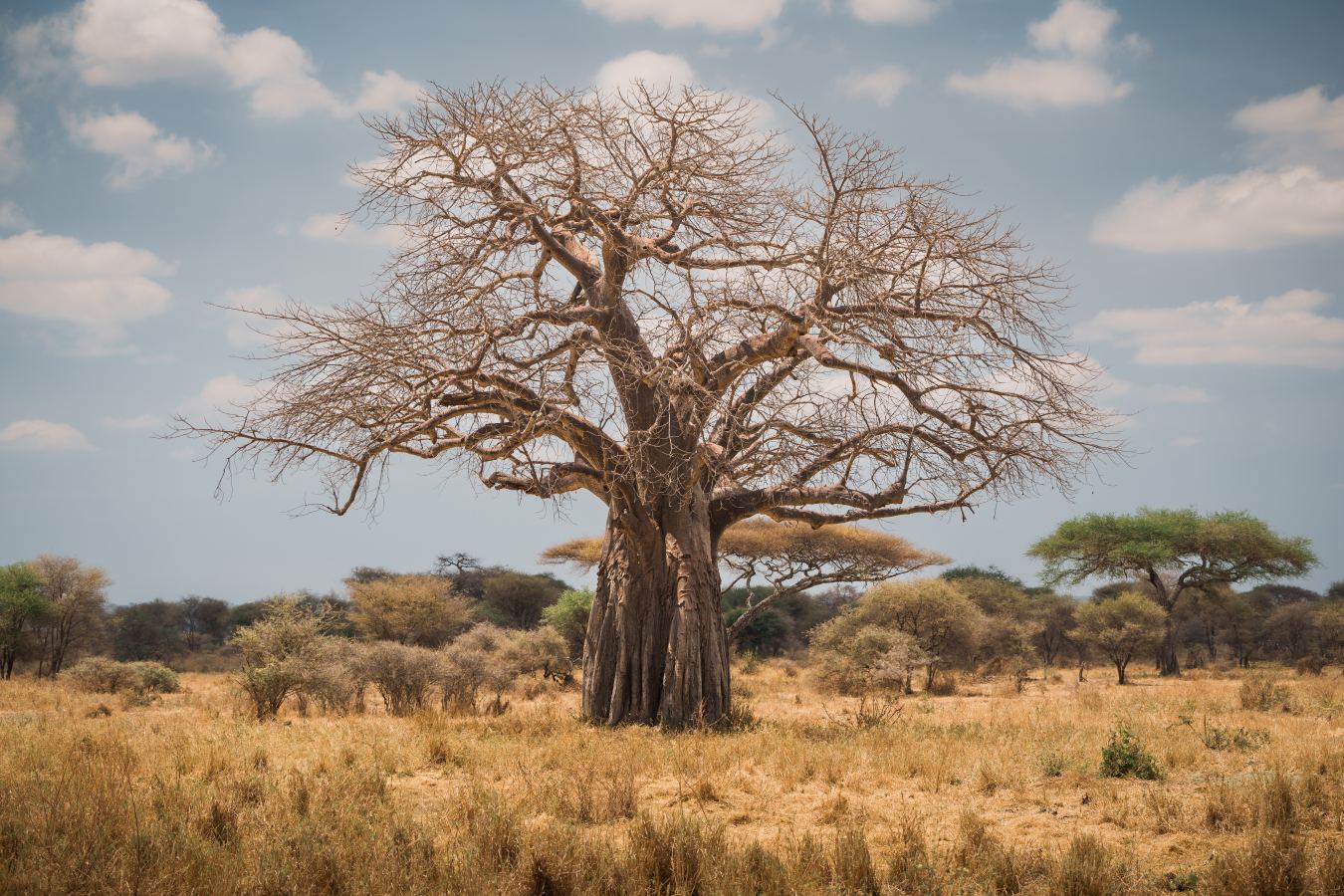
The travellers who love this lodge are usually the ones who value where they are over what they are sleeping in. First-time safari-goers on a classic northern circuit, photographers who want a permanent elevated vantage point, families who need somewhere the children can be entertained without a game drive, and returning visitors who already know what they want from Tarangire all tend to leave very happy. So do travellers on a mid-range budget who want an inside-the-park address without a premium camp rate.
It suits some people less well. Honeymooners expecting seclusion and a hushed, romantic camp of six tents may find it larger and busier than they pictured. Travellers who need reliable air conditioning, or who simply do not enjoy sleeping under canvas, should choose a permanent lodge instead. And anyone whose trip is built around ultra-luxury standards throughout will find the gap between this and their Serengeti camp jarring. None of that is a criticism of the property; it is a question of matching a traveller to a place.
- Long-established tented lodge inside Tarangire National Park
- Escarpment position looking down over the Tarangire River valley
- Classic comfortable tented rooms, not ultra-luxury
- Best for elephants June to October, peaking August to October
- Around two and a half hours from Arusha by road
- Best used as a one or two night northern-circuit opener
You are not paying for the room here. You are paying for the ground the room happens to be standing on, and in Tarangire that is the better purchase.
Alternatives if you want more luxury or more budget
If your standard is higher, Tarangire has genuinely luxurious options, including small camps in the private concessions on the park's edges where night drives and walking safaris are permitted, activities that are not available inside the national park itself. Those concessions cost more and sit further from the river valley, so you trade the famous view and the elephant density for exclusivity and a broader activity list. For a second visit to Tarangire, or for travellers who have already seen the classic circuit, that is often the better trade.
At the other end, there are perfectly decent lodges outside the park boundary near Kikoti and along the Arusha road that will save you a meaningful amount per night. We are candid with clients about what that saves and what it costs: you keep the money, you lose the dawn and dusk hours, and on a short two-night stay that is a significant share of your actual game viewing. If the budget is genuinely tight we would rather cut a night elsewhere and keep you inside the park.
How Tarangire fits the northern circuit
Tarangire is the natural first stop on a northern itinerary because of where it sits on the road from Arusha. Two and a half hours of driving puts you in the park in time for an afternoon game drive on day one, which means your holiday starts with wildlife rather than with a transfer. From there the route runs on to the Ngorongoro highlands and the Serengeti, so nothing is backtracked and no day is wasted repositioning between parks.
The usual question is how many nights to give it. One night works and is what most packaged itineraries offer, but it delivers one afternoon and one morning drive and no time on the terrace at all, which rather misses the point of staying here. Two nights is our standard recommendation in the dry season. It gives you a full day in the park, an unhurried middle-of-the-day stretch above the river, and enough time for the elephant herds to come to you rather than the other way round.
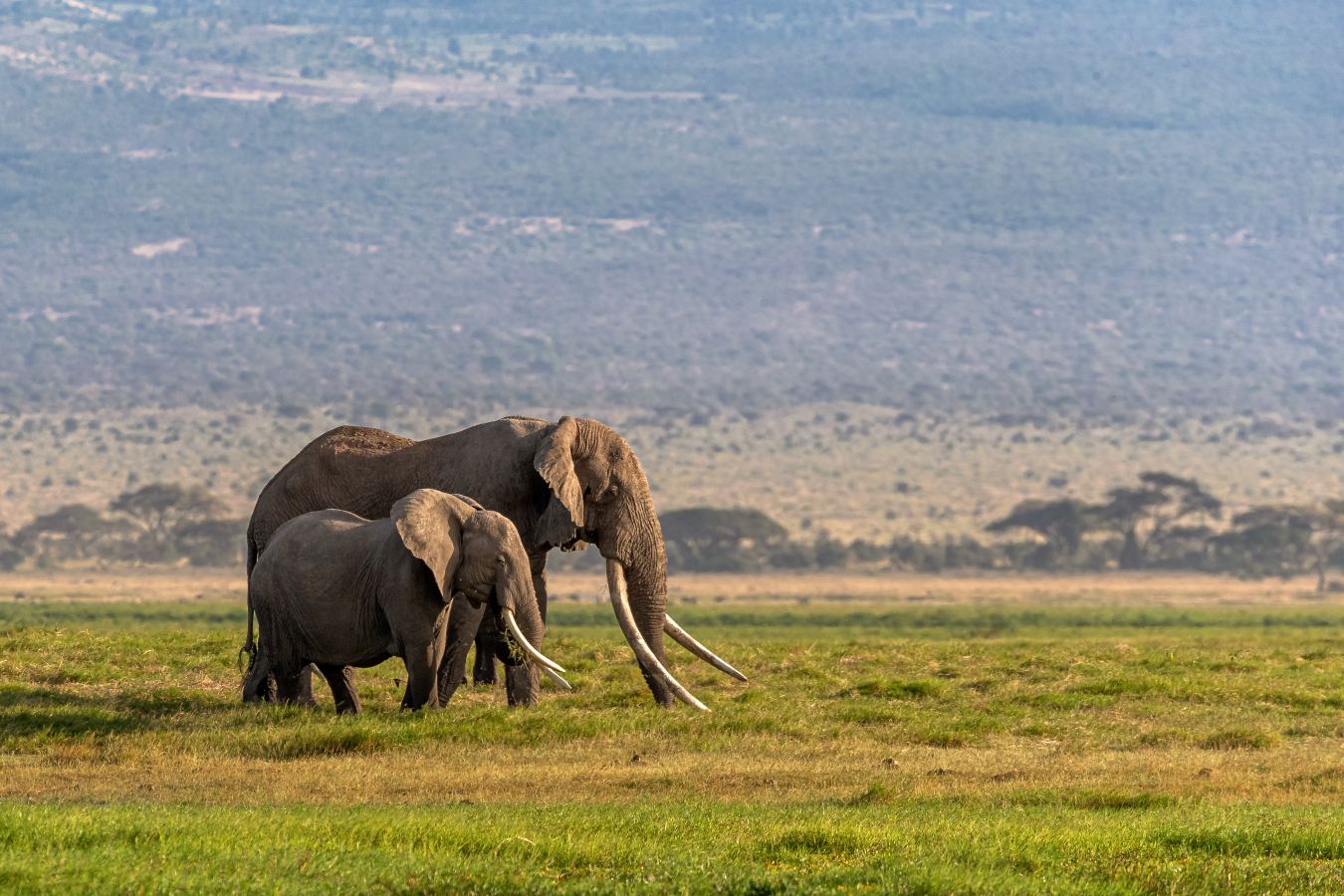
One scheduling detail worth knowing is that Tarangire rewards patience in a way the Serengeti does not always require. The Serengeti gives up its wildlife readily across open plains, whereas Tarangire's game is tied to the river and the baobab country around it, and the best sightings often come from sitting still near water rather than covering ground. A guide who knows the park will spend more time waiting and less time driving, and an elevated lodge lets you keep doing that when you are off duty.
Booking is the other practical constraint. The best-known lodges inside Tarangire have a finite number of rooms and a very high repeat-visitor rate, and the dry-season months fill early. For a June to October trip we would want to be securing Tarangire nights well in advance, often before the rest of the itinerary is finalised, because the inside-the-park inventory is the part most likely to be gone. If your dates are fixed, that is the booking to make first.
Plan your stay above the Tarangire River
Tarangire Safari Lodge is a straightforward proposition once you understand what it is selling. It is not the most luxurious address in northern Tanzania and it does not pretend to be. It is a long-established, comfortable tented lodge in an exceptional position inside the park, and for a great many travellers that is exactly the right trade. Where it goes wrong is only when someone arrives expecting a boutique camp, which is a planning failure rather than a lodge failure.
Tarangire is two and a half hours from our office in Arusha, and we place guests there throughout the season, so we know how the park reads month by month and which rooms and lodges are worth holding. Tell us your dates, your budget and whether the view or the finish matters more to you, and we will build the northern circuit around it and place you above the river. Get in touch with Sokwe Africa Safaris and we will take it from there.