
Tarangire is the park many first-time visitors skip, because it lacks the fame of the Serengeti and the crater. It is also the park that guests most often name as a surprise highlight. It sits roughly two hours south of Arusha, it is one of the easiest parks to reach, and it is a place where timing makes all the difference. If you are weighing whether to include it, or whether to spend a day or a few nights there, this guide gives an honest account of what Tarangire does well, where it falls short and who we think should go.
The short answer
Yes, Tarangire is worth visiting, particularly in the dry season, from around June to November, when large herds of elephants and other animals gather along the Tarangire River. It is known for its elephants, its baobab trees and its quiet, uncrowded feel compared with some of the northern circuit parks. It is less compelling in the wet season, when animals disperse across a much larger area, and it does not offer the migration spectacle of the Serengeti or the density of wildlife in Ngorongoro Crater. For most first-time northern circuit itineraries, we recommend including it for at least one night.
What Tarangire is
Tarangire National Park covers roughly 2,850 square kilometres in Tanzania's Manyara Region, about two hours' drive south of Arusha, and was established in 1970. It is named after the Tarangire River, which flows through the park and is the main source of fresh water for wildlife during the dry season. The landscape is a mix of granite ridges, river valley, swamps, acacia and combretum woodland, seasonally flooded grassland and, most famously, ancient baobab trees, some of them hundreds of years old.
The park is part of a much larger ecosystem, and its wildlife is strongly seasonal. During the rains, animals spread out over a huge area outside the park, and during the dry season, they concentrate along the river, which is why the park fills with game between about June and November. That seasonal rhythm is the key to understanding Tarangire. If you visit at the right time, it can feel like a mini-migration, with thousands of animals gathered in a relatively small area.
The elephants
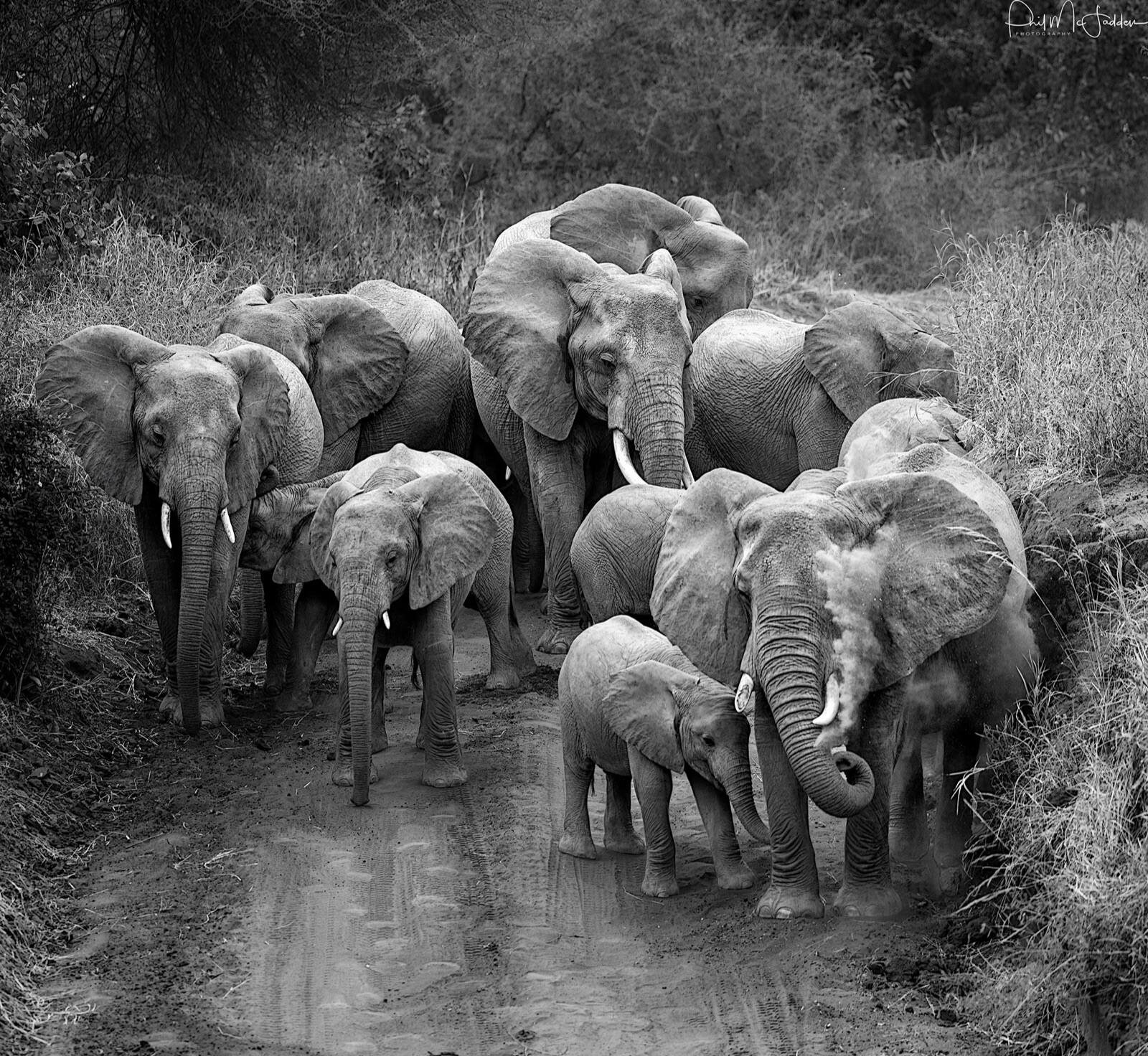
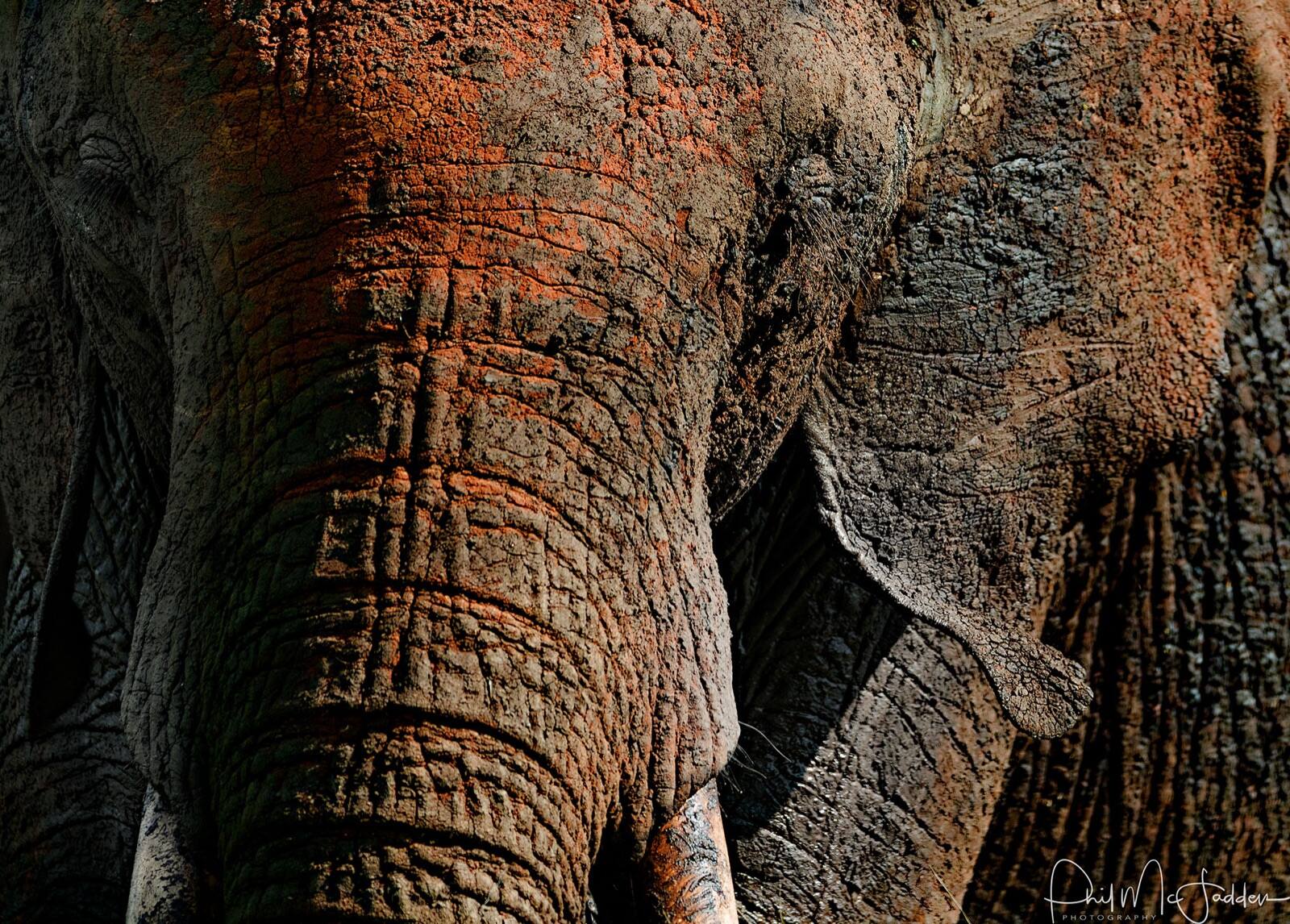
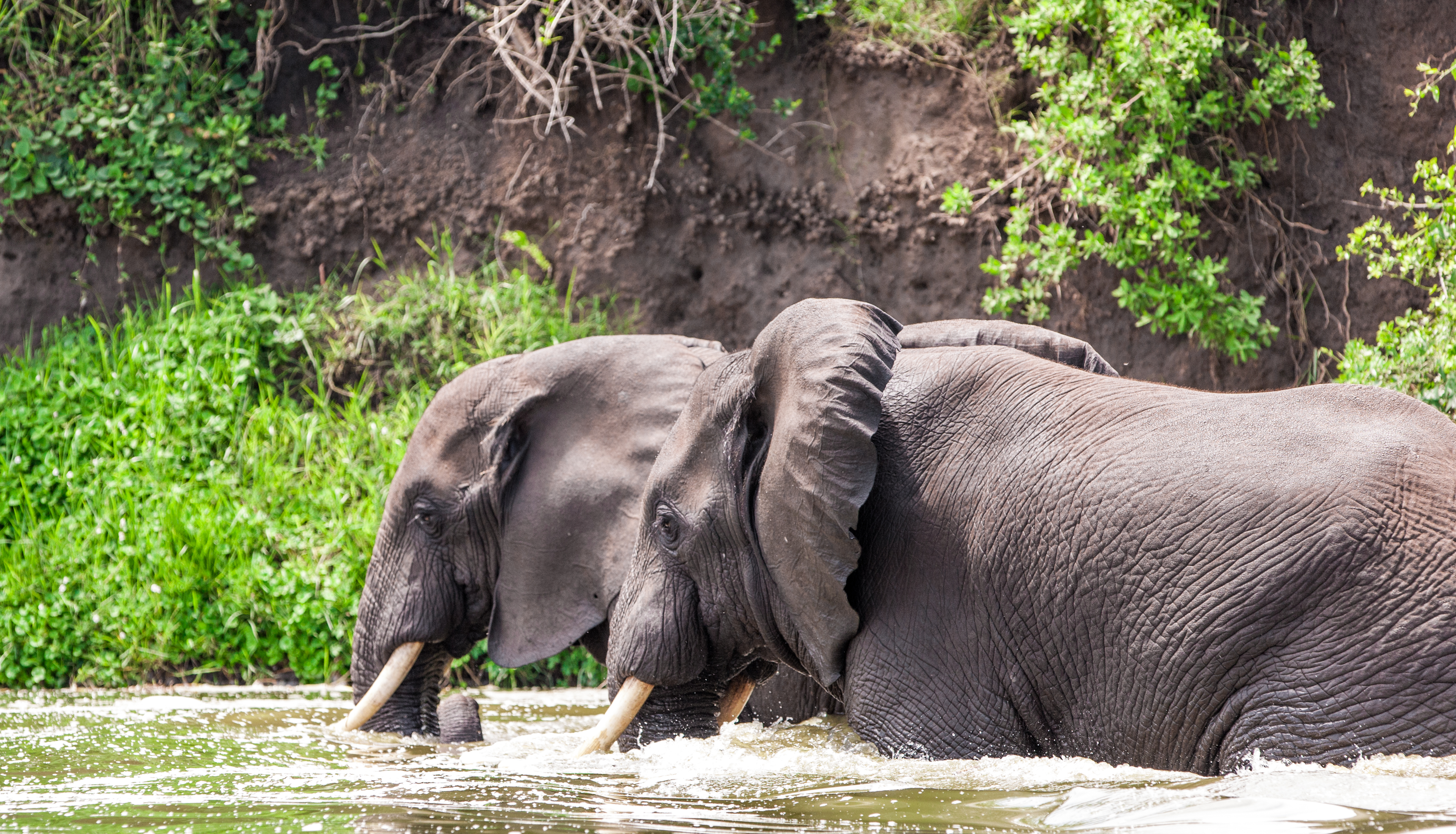
Tarangire is best known for its elephants, and for good reason. Large family herds come to the river to drink and bathe, and in the dry season you can see dozens at a time, with calves tucked among the adults. They dig for water in the dry riverbed, move through the baobab-dotted landscape and are often relaxed around vehicles, which makes for superb viewing and photography. Watching an elephant family at the river in the late afternoon light is, for many guests, one of the most memorable experiences of their trip.
A good guide will keep a respectful distance and read the mood of the herd, and you may find yourself sitting quietly as a family crosses the road in front of you. Be patient and allow time, since the most rewarding moments often come after waiting. In the wet season, elephants are present but more dispersed, and sightings are less concentrated, so this is one area where season matters a great deal.
Plan your visit: Tarangire National Park guide, Tarangire safari guide, birds of Tarangire, best time to visit and safari from Arusha. See our private Tanzania safari options.
The baobabs and the landscape
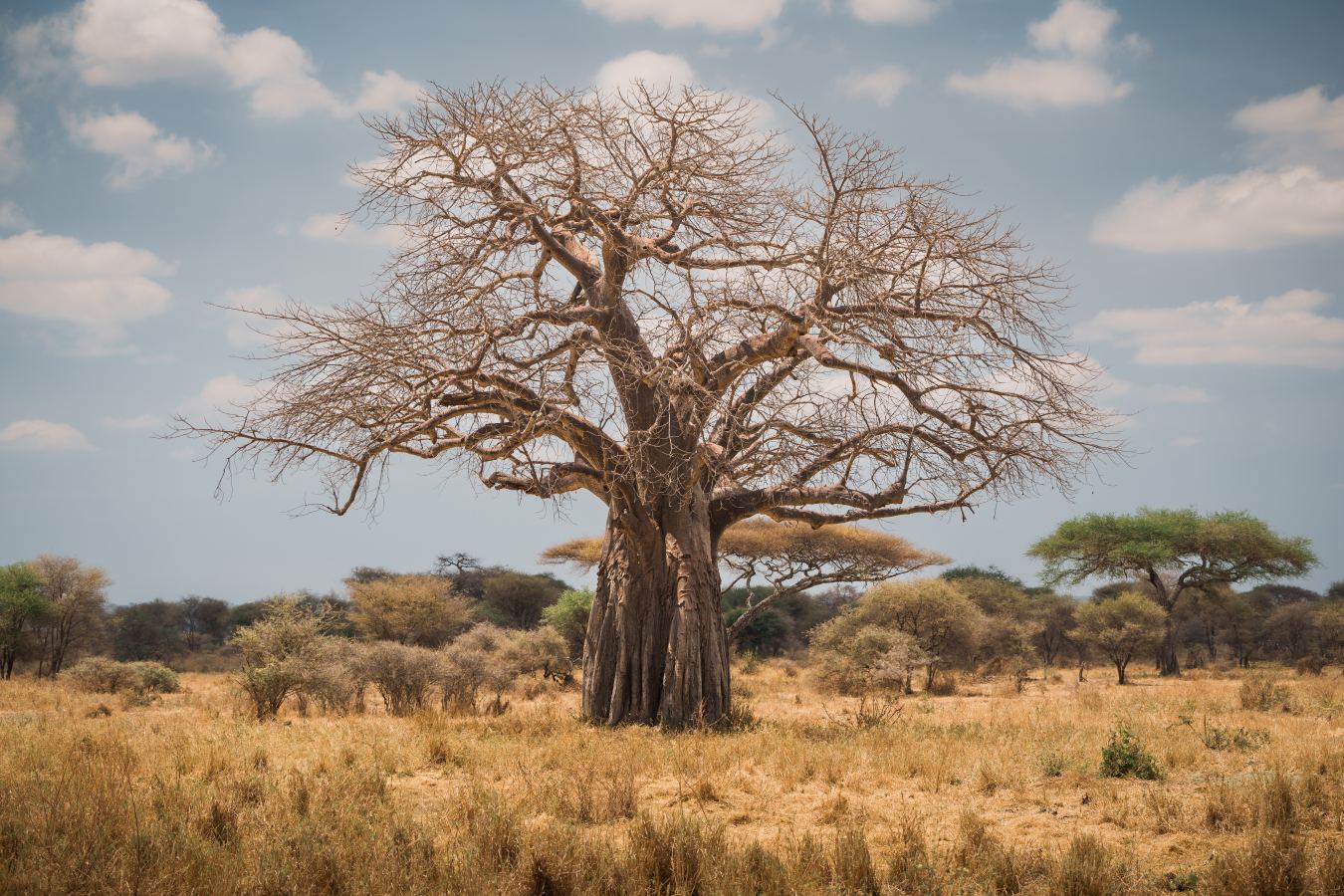
The baobab trees give Tarangire its character. They are enormous, often hollow, with thick, odd-shaped trunks that look like roots reaching into the sky, and they dot the hillsides and plains. In the golden hours of morning and evening, with elephants walking beneath them, they make for some of the most distinctive wildlife photographs in Tanzania. Some are huge enough to shelter animals, and old baobabs are used by local people and by wildlife in many ways.
The scenery varies more than many visitors expect, from the river and its sandy bed to granite outcrops, swamps such as the Silale area and open woodland. Birdlife is exceptional, with hundreds of species recorded, and the park is a favourite of birdwatchers. The roads are generally good for a game drive, and you can cover a lot of ground, so a long day is rewarded with a varied picture of the ecosystem. It is not a dramatic landscape like the crater, but it is beautiful in a quiet way.
Other wildlife
Elephants dominate, but Tarangire has plenty more. Giraffes, zebra, wildebeest, buffalo, impala, eland, waterbuck, gazelles and warthogs are common, and in the dry season they gather in large numbers. Lions are present and sometimes seen resting in trees or among termite mounds, and leopards and cheetahs also occur, though sightings are never guaranteed. African wild dogs are present in the wider ecosystem but are rarely seen. Tarangire is a recognised Lion Conservation Unit, and the park supports a large and varied bird population.
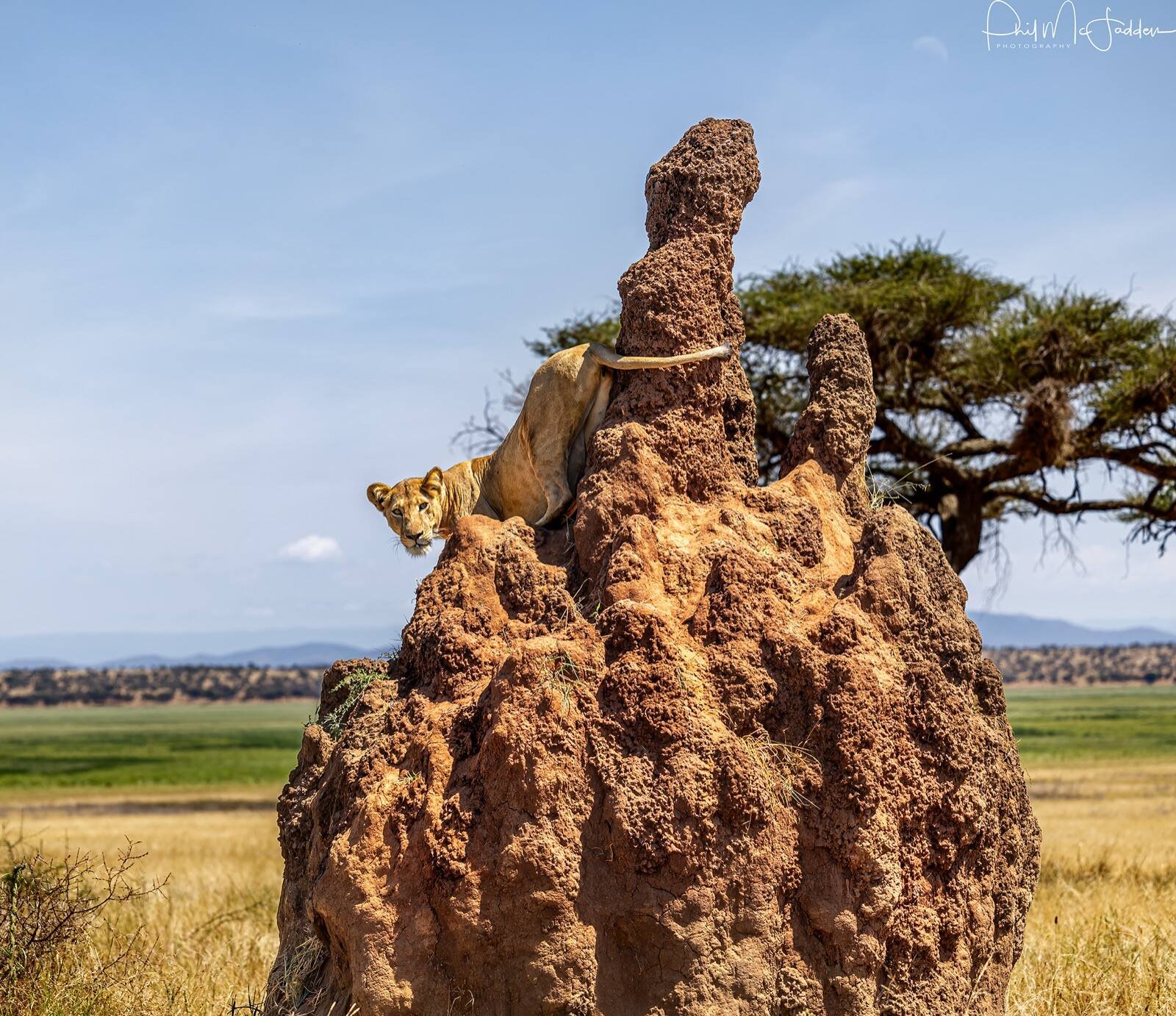
Small details add to the pleasure: dwarf mongooses living in old termite mounds, hornbills and eagles in the baobabs, and the many birds along the river. It is a park that rewards slow, observant viewing, and a good guide will point out the things that make it special. If you like watching behaviour more than ticking off species, Tarangire is excellent.
What Tarangire is not
To be fair, there are things Tarangire does not offer. It lacks the vast open plains and the great migration of the Serengeti, and it does not have the dramatic caldera of Ngorongoro. In the wet season, wildlife is dispersed, and the park can feel quiet in a different, less rewarding way. It is not the best place for a guaranteed lion or leopard sighting, and some roads can be muddy after rain. Tsetse flies can be a nuisance in some areas, so wear neutral colours and avoid dark blue and black.
It is also a smaller part of a larger ecosystem, so the park's own boundaries do not contain all the wildlife. Visitors who go in the green season with expectations of dry-season concentrations may be disappointed. Our advice is to go with the right expectations for the time of year: concentrated wildlife and elephants from June to November, quieter, greener, bird-rich scenery at other times.
The best time to go
The dry season, from about June to November, is the best time for Tarangire, with the peak of concentration usually in the later months, around August to October, when water elsewhere has dried up. Early morning and late afternoon are best for activity, with a quieter period in the middle of the day. In the green season, from roughly December to May, the park is lush and very beautiful, with good birdlife and fewer visitors, and lower rates, though animals are widely scattered.
If you can only choose one season, choose the dry season for elephants and large herds. If you prefer a quiet park, lower prices and green scenery, and you have other priorities such as birds, the wet season has its charm. Ask us what is happening in the park at your dates, because conditions vary from year to year and the timing of the rains affects how soon animals gather.
How long to stay
Many itineraries include one night in Tarangire, either at the start of the northern circuit or the end, with a full day of game drives. Two nights allow more time for the best light and a more relaxed pace, and a single day trip from Arusha is also possible, as our one-day safari guide explains. If you are combining it with Lake Manyara, Ngorongoro and the Serengeti, one or two nights is typical, and a fuller itinerary might give it two.
A few lodges and camps lie inside the park and many outside, in the surrounding areas, and the choice affects the experience. Inside, you can start early and stay late, and sometimes enjoy a more remote feel. Outside, there are more options and sometimes lower prices, and some offer activities not permitted inside the park, such as walks or night drives. Ask us which suits you, and we will explain the trade-offs.
Practical tips for Tarangire
Bring binoculars, since elephants are close but birds and smaller animals are often not, and a camera with a good zoom if you have one. Wear neutral colours and a hat, apply sunscreen and carry plenty of water, because the dry season is hot and dusty. Take malaria precautions as advised by your doctor, since Tarangire is in a risk area, and use repellent in the evening. Entry fees are charged per person per day, so ask your operator what is included and how the fees work for your itinerary.
Be patient and quiet at sightings, and let your guide decide when to move. Animals use the river at predictable times, so a good guide will position the vehicle where the action is likely to be, and often the best wildlife comes after a wait. If you are staying outside the park, ask about the timing of the gates and how early you can enter, since an early start gives you the best light and the most active animals.
Who should go
Tarangire suits elephant lovers, photographers, birdwatchers, families who want an easier drive than to the Serengeti and anyone who wants a quieter alternative to the busiest parks. It is a good first stop on a northern circuit, because it is close to Arusha and gives a gentle introduction to the safari rhythm. It is less suited to travellers who are focused solely on seeing the migration or on the dense wildlife of the crater, who might prefer to spend their limited time elsewhere.
Our view is that Tarangire is a park that is easy to underestimate and hard to regret. If you have the time, include it. If you have only a few days, choose between it and Lake Manyara based on your priorities, as we discuss in our comparison. And whichever you choose, go with a guide who loves the park, since a good one makes Tarangire come alive.
Want Tarangire to fit well into your itinerary? Talk to Sokwe Africa Safaris and we will recommend how long to stay and which season suits you.
Frequently asked questions
Is Tarangire National Park worth visiting?
Yes, especially in the dry season from June to November, when elephants and other wildlife gather along the Tarangire River. It is quieter than some parks, close to Arusha and known for its baobabs and birdlife.
When is the best time to visit Tarangire?
The dry season, roughly June to November, with the peak concentration around August to October. The green season is beautiful and quiet, but animals are more scattered.
How long should I spend in Tarangire?
One night with a full day of game drives is typical, and two nights allows a more relaxed pace. A day trip from Arusha is possible, though it is a long day.
How far is Tarangire from Arusha?
Roughly two hours' drive south of Arusha, depending on traffic and road conditions, which makes it one of the easiest parks to reach.
Does Tarangire have lions and leopards?
Yes, lions are present and sometimes seen, and leopards and cheetahs also occur, though sightings are never guaranteed. Elephants are the star attraction.
Is Tarangire better than Lake Manyara?
They are different. Tarangire is better for elephants, big herds and baobabs, especially in the dry season, while Lake Manyara offers forest, birds and variety in a compact park. Many itineraries include both.