
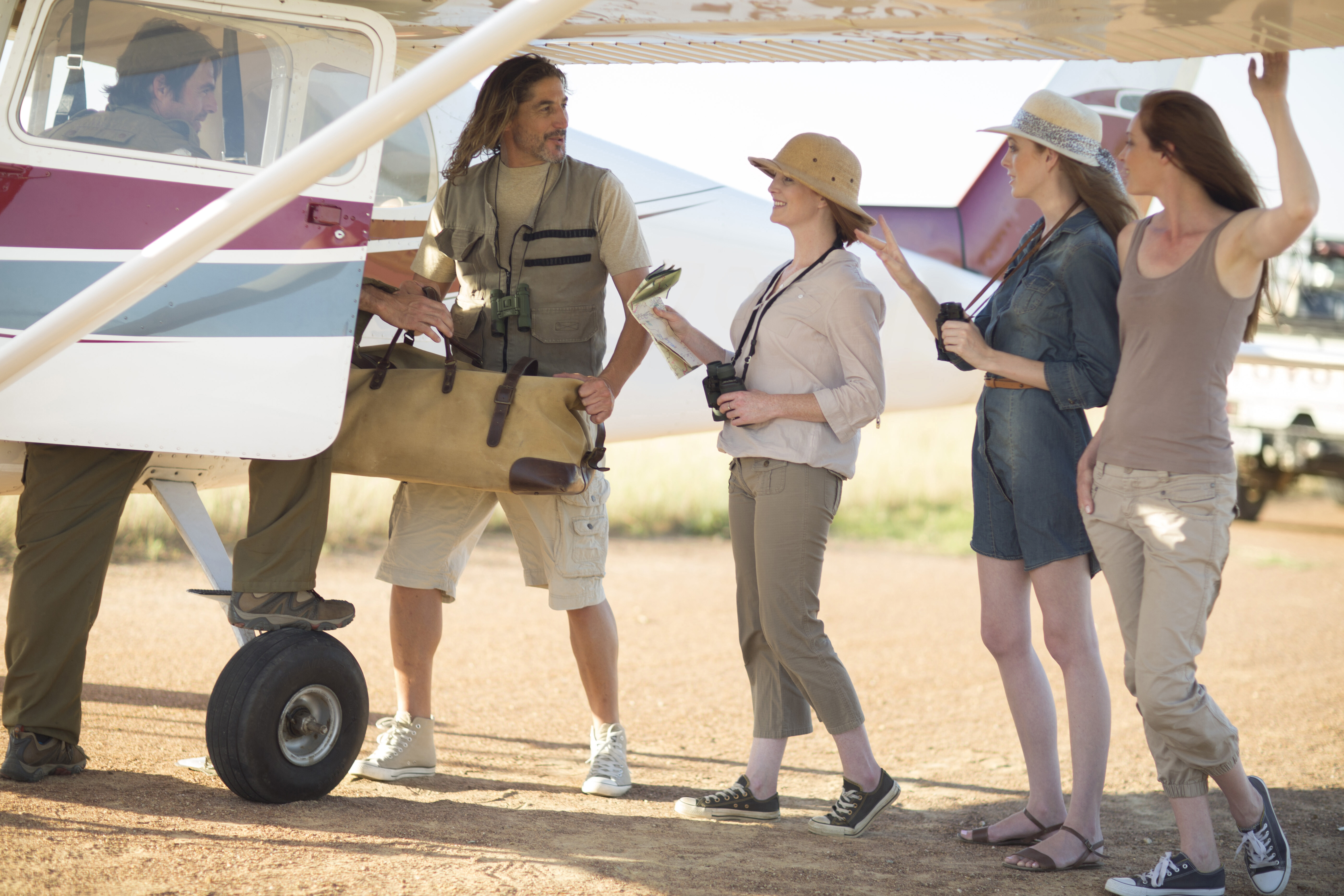
The Serengeti does not have an international airport, and that single fact leads to a surprising amount of confusion. Visitors ask whether they should fly into Kilimanjaro, Arusha or Dar es Salaam, how they then reach the park and whether they should fly or drive. The answer is straightforward once the pieces are laid out. For most northern circuit safaris, you fly into Kilimanjaro International Airport, which is the usual gateway, and reach the Serengeti by road or by a short bush flight from Arusha or from airstrips in other parks. This guide explains each airport and how they fit together.
The short answer
For almost all Serengeti safaris, fly into Kilimanjaro International Airport, code JRO, which lies between Arusha and Moshi and is roughly an hour from Arusha by road. From there you either drive on the northern circuit, which takes a full day or more to the central Serengeti, or fly from Arusha Airport or other airstrips to the Serengeti in an hour or so. Dar es Salaam is the main international gateway to the south and to Zanzibar, and Zanzibar has its own international airport, but they are not the usual way into the Serengeti.
Kilimanjaro International Airport (JRO)
Kilimanjaro International Airport is the main gateway for northern Tanzania. It is served by a number of international carriers, with connections commonly routed through hubs such as Amsterdam, Addis Ababa, Doha, Istanbul and Nairobi, and flight options change from season to season, so check what is currently available. It is a small, manageable airport, and most visitors find arrival straightforward, with immigration, visa processing and baggage reclaim in a compact terminal. Your operator will normally meet you outside arrivals and take you to your lodge.
The airport is roughly an hour from Arusha, depending on traffic, and a little closer to Moshi. Many international flights arrive in the evening or at night, so a night at a lodge near Arusha is common before the safari starts, and it helps with jet lag. Flights home also often leave in the evening, which gives you a day to fill after your safari, something we cover in our guide on what to do after safari. Check the entry requirements, including your visa, before you travel, and allow extra time for arrival formalities.
Arusha Airport (ARK)
Arusha Airport is a small domestic airport on the edge of the city, used by light aircraft and charter flights. It is the usual departure point for fly-in safaris to the Serengeti and other parks, and for some flights to Zanzibar. It does not receive long-haul international flights, so you cannot fly there from Europe or North America directly. If your itinerary includes a bush flight, your operator will arrange your transfer from your lodge to the airstrip and handle check-in.
A flight from Arusha to the central Serengeti typically takes somewhere around an hour or so, depending on the route and stops, compared with a long day on the road. It saves time, offers superb views and is often worth the cost for travellers with a limited schedule or a short trip. Schedules and routes vary by season and operator, so book early for peak months, and be flexible, since weather and demand can affect timings.
More on getting there: Kilimanjaro International Airport guide, flights to Tanzania, fly-in safaris and visa and entry. See our private Tanzania safari options.
Dar es Salaam and Zanzibar
Julius Nyerere International Airport in Dar es Salaam is Tanzania's largest and the main gateway to the south, including Nyerere National Park, and a common connection point for flights to Zanzibar. If you plan a southern or combined itinerary, it may be your entry airport, with a domestic flight onward to the parks. For the Serengeti, flying into Dar es Salaam adds a domestic leg, so it is usually only chosen when it fits a wider itinerary or when fares make it sensible.
Zanzibar's international airport receives flights from some European and Middle Eastern cities, and it is usually reached at the end of a safari as a beach extension, with a domestic flight from the Serengeti, Arusha or Kilimanjaro. Check luggage rules on the domestic legs, and the visa and entry formalities, which apply when you arrive on the island. If you start in Zanzibar and go to the Serengeti, you would fly to Arusha or Kilimanjaro and continue from there.
The airstrips in the Serengeti and elsewhere
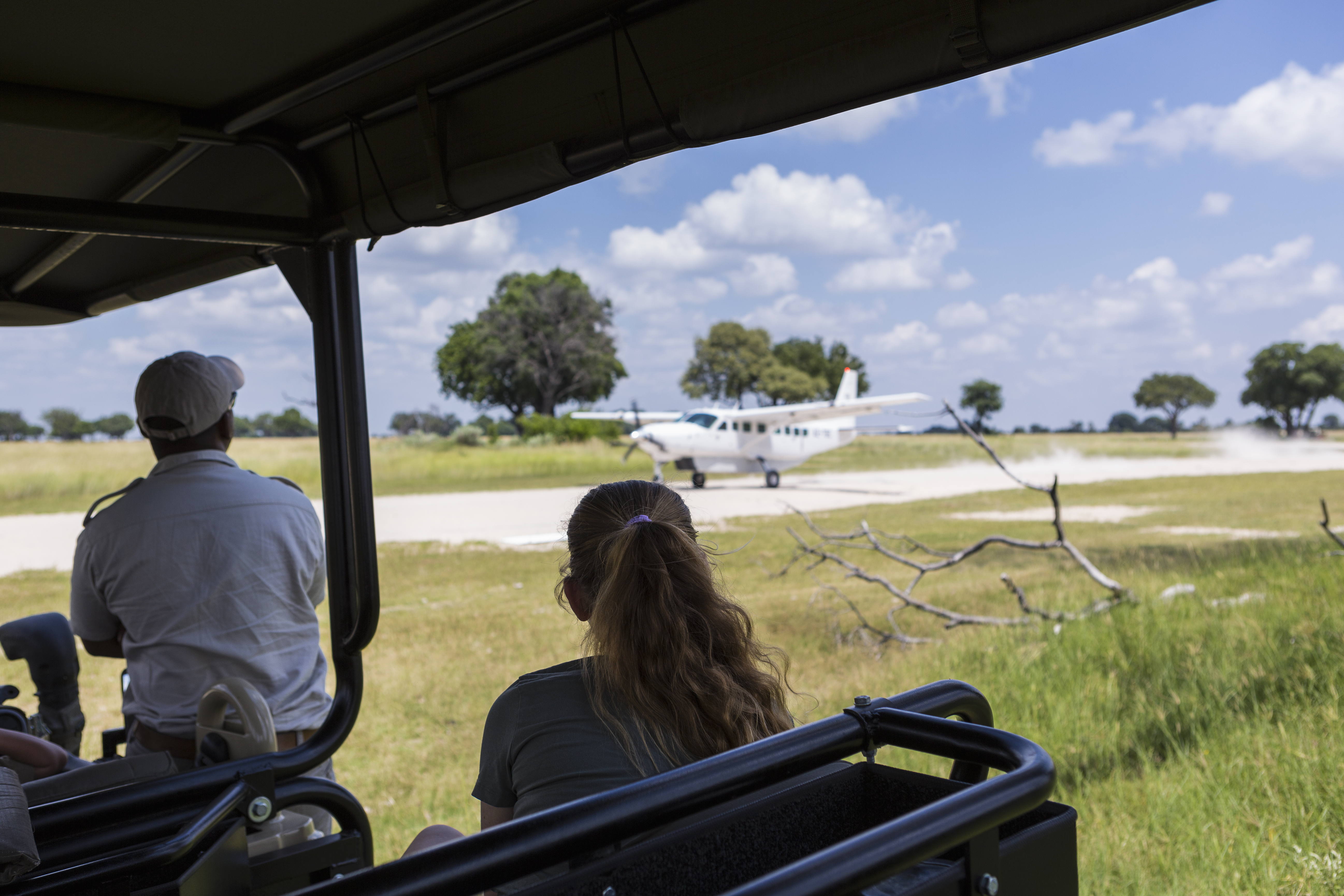
Inside the Serengeti there are several airstrips, serving different areas, including the central Serengeti around Seronera, the north near Kogatende and the Mara River, the south and Ndutu area and the western corridor. Other parks have airstrips too, such as Lake Manyara and Tarangire. These are simple strips with minimal facilities, and your camp will arrange a vehicle to meet you. The right airstrip depends on where you are staying and the time of year, which is why we choose the flight route with you, based on where the animals are.
Flying into the Serengeti gives a sense of the scale of the landscape, and often a first sighting of animals from the air. You land, are met by your guide and can be on a game drive within the hour. Scheduled and charter flights both operate, with scheduled services linking several airstrips in a loop and charters offering flexibility at a higher price. We can advise which suits your plan and budget, and handle the bookings and the transfers.
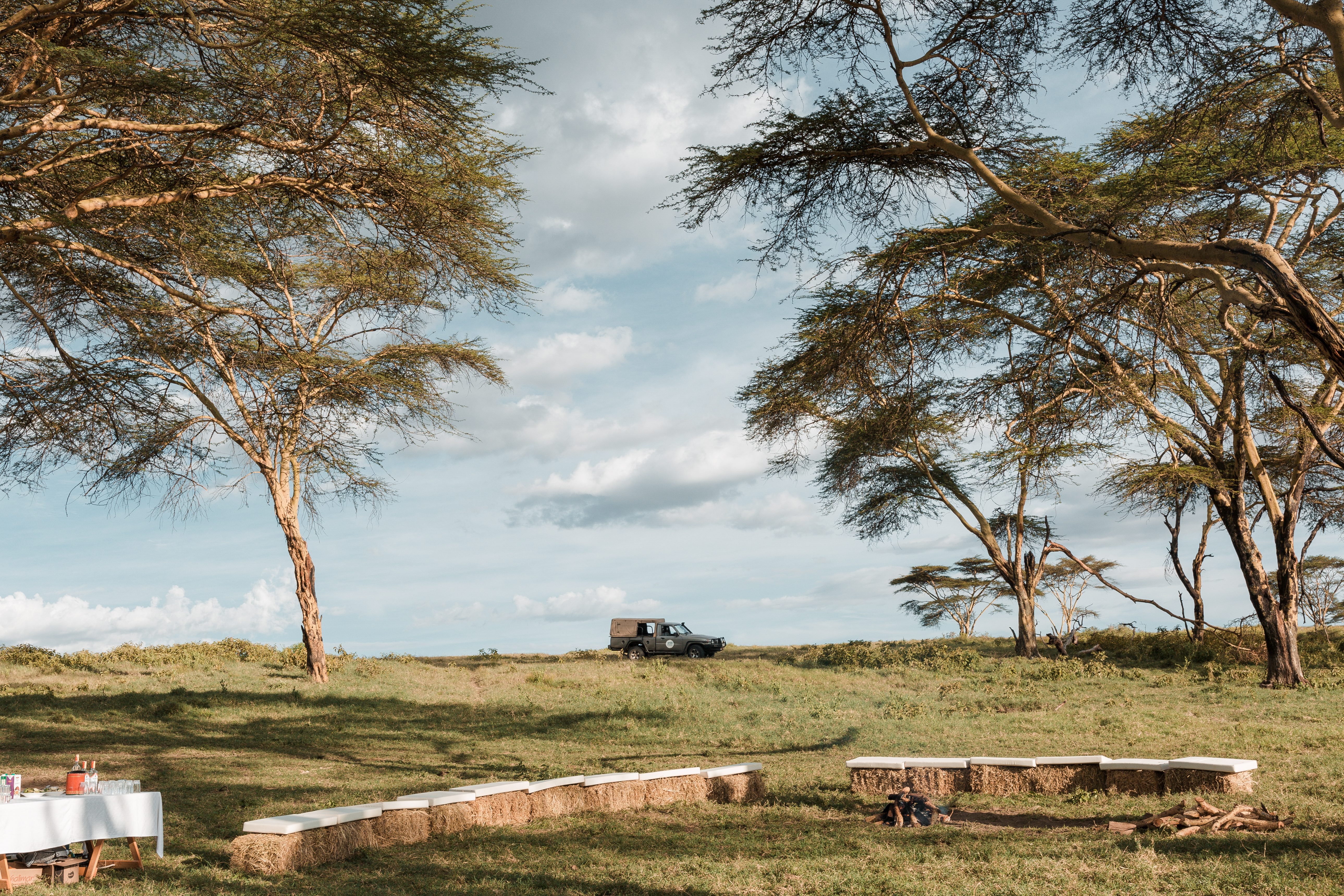
Fly or drive to the Serengeti?
Both are good, and many itineraries combine them. Driving takes you through Tarangire, Lake Manyara and Ngorongoro, which are wildlife destinations in their own right, so the road trip is part of the safari, not wasted time. It is cheaper and lets you see the landscape change. Flying saves hours, avoids long rough roads and suits shorter trips, older travellers, families with young children and anyone who would rather spend time watching animals than sitting in a vehicle.
A common pattern is to drive on the way in, enjoying Tarangire and Ngorongoro, and fly out of the Serengeti back to Arusha, saving a long drive at the end of the trip. Another is to fly in and out and spend more days in the Serengeti. Think about your total days, your budget and how you feel about long road legs. If you are unsure, we will suggest options and explain the cost and time trade-offs.
Luggage on bush flights
Light aircraft have strict luggage limits, often in the region of 15 to 20 kilograms per person, including hand luggage, and they require soft bags with no wheels or frames, because space in the hold is limited. Limits vary between operators, so confirm them before you pack, and if you are travelling with a lot of luggage, ask whether you can leave some in Arusha or at your lodge, which most operators will do. Camera equipment counts, so plan carefully.
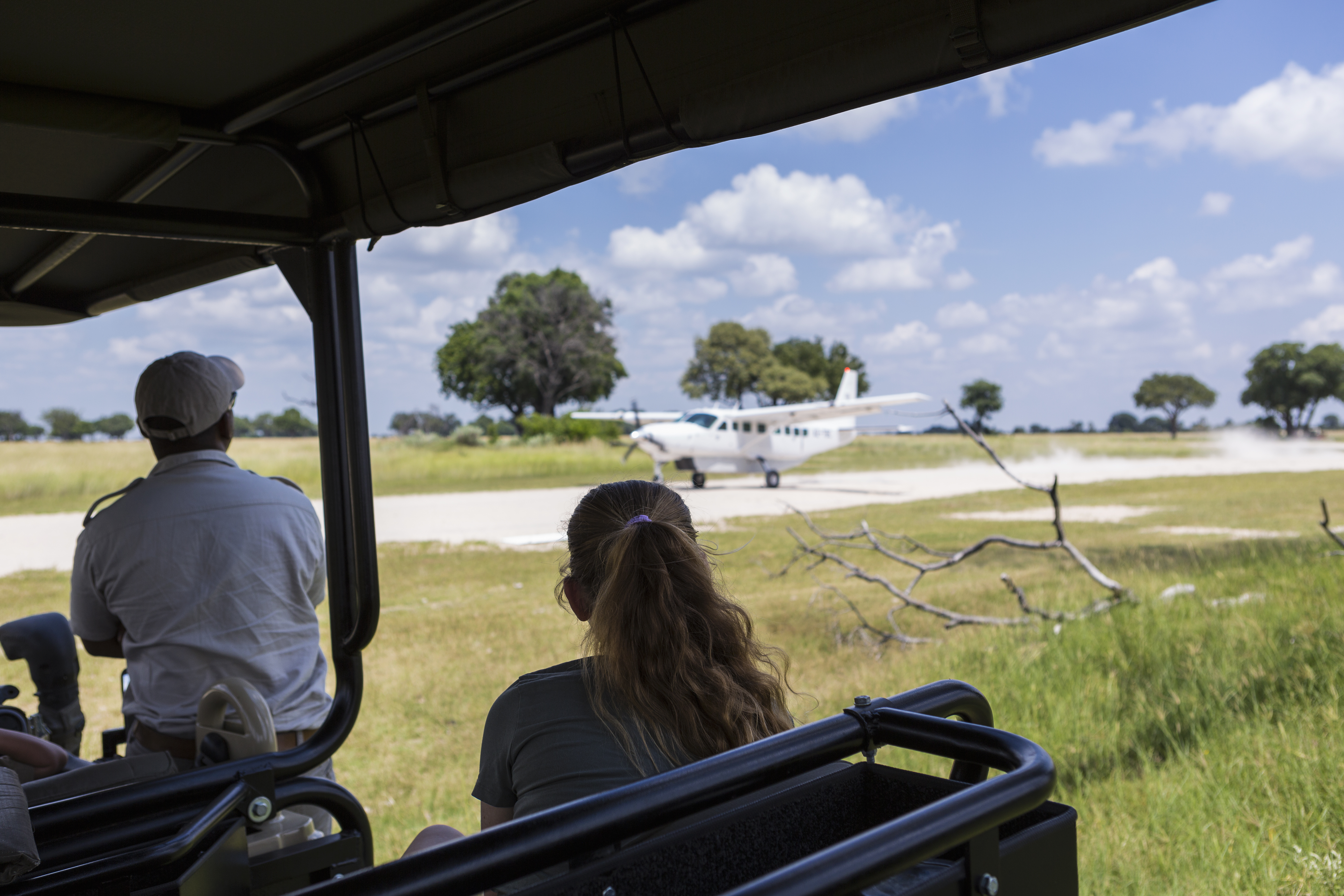
Pack in layers and choose lightweight clothing, since laundry is available at most camps. Take your valuables and medication in your hand luggage, and keep your passport accessible. If you exceed the limit, you may be charged for extra weight or asked to send items by road, which is slow. A little planning before you leave home saves stress at the airstrip, and your operator should send you a clear briefing on the limits for your flights.
Arriving: visas and what to expect
Before you travel, check the visa requirements for your passport, since many nationalities need a visa and the process can be done online in advance or on arrival, depending on current rules. Our visa and entry guide explains the options. At the airport, you will pass through health screening, if it is in place, immigration and customs, and then collect your bags. Keep your passport, visa, return ticket and accommodation details handy, and allow extra time, because queues can be long when several international flights arrive together.
Outside the terminal, your operator's representative should be waiting with a sign, and you can then settle into the transfer. Avoid accepting help from strangers who approach you in the arrivals hall, and use only the transport arranged in advance or an official taxi. If you have a long wait or a delay, send a message to your operator, who can adjust the pickup. Having your operator's phone number saved before you land is one of the simplest ways to avoid a stressful arrival.
A final tip on timing: if you are arriving late at night, ask your operator whether the first night is booked at a lodge near the airport or in Arusha, so that you are not driving long distances when you are tired. Many guests prefer to sleep close to the airport and start the next morning refreshed. Equally, if your departure flight is late in the evening, ask about a day room or a late checkout, so that you have somewhere to rest, shower and repack before you leave for the airport.
Other ways in
Some travellers fly into Nairobi in Kenya and cross into Tanzania by road, and others combine a Kenya safari with Tanzania, using the border crossing at Namanga or flying between the two countries. This can suit combined itineraries, but it adds border formalities and time. Others arrive by road from Mwanza in the west, which serves the western Serengeti, though this is less common. For most visitors, the simplest and most reliable plan is to fly into Kilimanjaro, stay near Arusha for a night and start from there.
Whichever route you choose, allow slack in your plan, because flights are sometimes delayed or rescheduled and you do not want to miss a connection. Book your international flights so that you arrive a day before the safari starts, and leave a day before any onward flight if you can. A good operator will help you check timings, advise on the best flights and arrange your transfers at each end, so you are never left standing at an airport wondering who is meeting you.
We will advise on the best flights and arrange your transfers at both ends. Talk to Sokwe Africa Safaris about your dates and route.
Frequently asked questions
Which airport do I fly into for the Serengeti?
Most visitors fly into Kilimanjaro International Airport (JRO), then travel by road or by a short flight from Arusha to the Serengeti. There is no international airport in the Serengeti itself.
How far is Kilimanjaro Airport from Arusha?
Roughly an hour by road, depending on traffic. Many flights arrive in the evening, so a night at a lodge near Arusha is common before the safari starts.
Can I fly directly into the Serengeti?
Only on domestic flights to the park's airstrips, usually from Arusha or other airports. International flights arrive at Kilimanjaro, Dar es Salaam or Zanzibar first.
Is it better to drive or fly to the Serengeti?
Driving is cheaper and passes through Tarangire, Manyara and Ngorongoro, so it is part of the safari. Flying saves hours and suits short trips, so many itineraries combine both.
What is the luggage limit on bush flights in Tanzania?
Often around 15 to 20 kilograms per person including hand luggage, in soft bags without wheels. Limits vary by operator, so confirm before you pack.
Should I fly into Nairobi or Kilimanjaro for a Serengeti safari?
Kilimanjaro is usually simpler for a Tanzania-only trip. Nairobi suits combined Kenya and Tanzania itineraries, with a road crossing or a flight between the countries.