
What Dar es Salaam actually is
Dar es Salaam is Tanzania's biggest city, its busiest port and its commercial capital — but it is not the capital of Tanzania. That title belongs to Dodoma, the official seat of government inland, a fact that surprises almost everyone who arrives assuming otherwise. What Dar is, in practice, is the beating economic heart of the country: a sprawling, humid, energetic Indian Ocean city of well over five million people, whose Arabic name translates as "haven of peace". For most international travellers it is a gateway rather than a destination, and knowing how to use it well can save you time, money and stress.
We say this as a Tanzanian operator with no reason to oversell it: Dar es Salaam is not a safari destination and it is not a beach resort. It is a real, working African metropolis — chaotic in places, fascinating in others — that happens to sit at the crossroads of everything a Tanzanian holiday needs. The ferries to Zanzibar leave from its waterfront, the flights to the wild southern parks leave from its airport, and some of the country's best food and liveliest culture live in its streets. This guide explains what to do with it, honestly.
Where is Dar es Salaam?
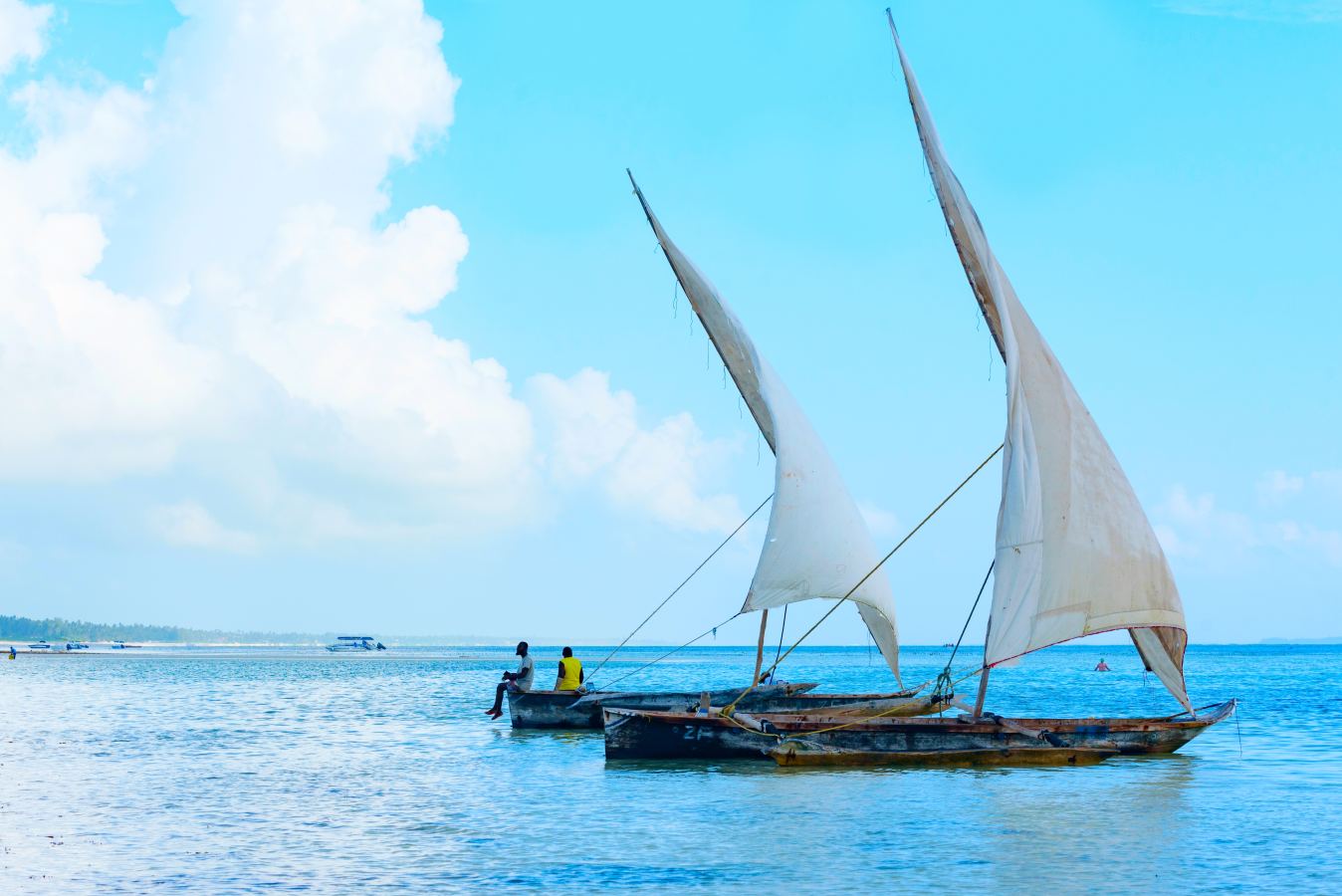
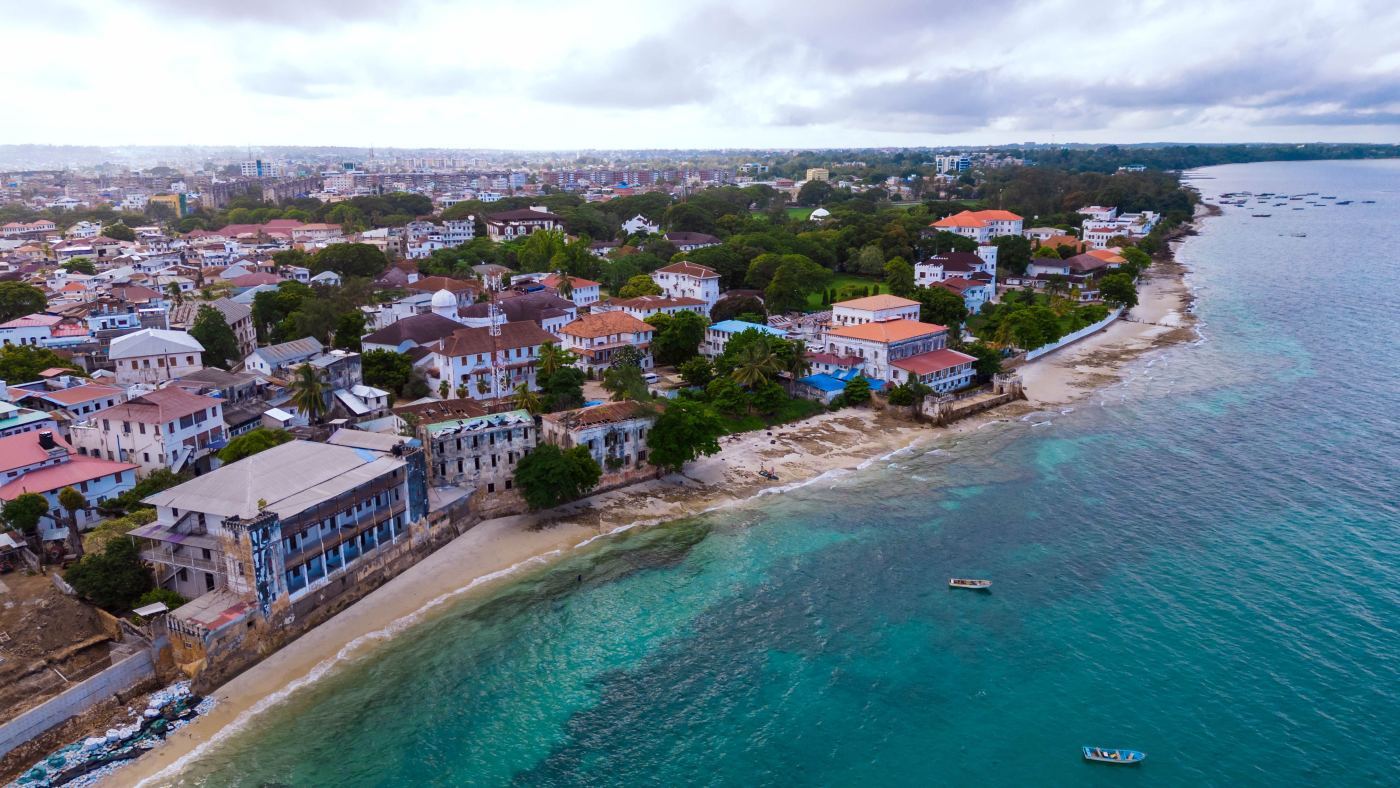
The location of Dar es Salaam explains almost everything about it. The city sits on a superb natural harbour on Tanzania's central Indian Ocean coast, roughly 45 kilometres south of Bagamoyo and about 75 kilometres — two hours by ferry — from Zanzibar, whose low silhouette is visible offshore on a clear day. That harbour made Dar the country's main port and, from there, its largest city and commercial capital, even after the government formally moved to Dodoma. Everything flows through it: cargo, commerce, and a large share of the country's international visitors.
You will almost certainly arrive at Julius Nyerere International Airport, about twelve kilometres southwest of the city centre and Tanzania's busiest airport by some margin. It handles direct flights from the Gulf, Europe and across Africa, plus the dense network of domestic flights that safari travellers rely on. One crucial local truth: Dar traffic is genuinely bad, and the airport road can take twenty minutes at dawn or two hours at rush hour. Whenever we book clients through Dar es Salaam, we build that traffic into the schedule — you should too.
Should you stop in Dar or fly straight through?
Here is our honest answer: most safari travellers should fly straight through, and many never need to touch Dar es Salaam at all. If your trip is the classic northern circuit — Serengeti, Ngorongoro, Tarangire — you will fly into Kilimanjaro International Airport near Arusha and Dar is simply irrelevant. If you are heading directly to Zanzibar, plenty of international routings land you on the island itself, or connect through Dar airside in an hour without ever clearing the city traffic. There is no obligation to stop, and no shame in not stopping.
That said, there are three situations where Dar es Salaam earns a place on your itinerary. First, if you are taking the ferry to Zanzibar, which requires being in the city. Second, if you are flying to the southern parks — Nyerere and Ruaha — whose light aircraft depart from Dar, sometimes at hours that make an overnight sensible. Third, if you land late in the evening on an international flight, an airport-area or peninsula hotel beats a bleary midnight connection. In each case, one night is usually enough; two lets you actually see something of the city.
The best things to do in 24 to 48 hours
If you do stop, Dar es Salaam rewards a curious day far more than its reputation suggests. Start early — genuinely early, before 7am — at Kivukoni fish market on the harbour mouth, where dhows and outrigger boats land the night's catch and the auction is loud, fast and completely unstaged. It is one of the most authentic hours you can spend in Tanzania. From there the National Museum offers a compact morning's context, including hominid finds from Olduvai Gorge that connect neatly to a northern safari, and the waterfront colonial-era buildings around it make for an easy stroll.
For the afternoon, choose your energy level. Kariakoo, the vast market district west of the centre, is commerce at full volume — spices, kitenge fabric, electronics, everything — and worth an hour with your wits about you and valuables left at the hotel. Gentler options sit on the Msasani Peninsula: the Slipway waterfront for craft shopping and a harbour-view dinner, or Coco Beach on the Oyster Bay side, where the city itself comes to relax at weekends. With a second day, take the short boat trip to Bongoyo Island marine reserve for sand, snorkelling and grilled fish.
- Kivukoni fish market at dawn — the real Dar, unfiltered
- National Museum and the old waterfront quarter
- Kariakoo market for full-volume Tanzanian commerce
- Coco Beach and the Msasani Peninsula for a gentler afternoon
- Bongoyo Island marine reserve — a proper beach 30 minutes from the city
- Dinner at the Slipway or a peninsula seafood restaurant
Where to stay in Dar es Salaam
Dar es Salaam splits neatly into three accommodation zones, and choosing the right one depends entirely on why you are there. The city centre and Kivukoni waterfront hold the international business hotels — reliable, well-run towers with harbour views, five to ten minutes from the Zanzibar ferry terminal. If you are catching a morning ferry, stay here; the difference between a five-minute transfer and a cross-town crawl at 8am is the difference between a calm departure and a missed boat. Expect roughly $100 to $250 a night for the established names.
The Msasani Peninsula and Oyster Bay, north of the centre, are the leafy, breezier choice — boutique hotels, ocean-facing restaurants and a more relaxed evening, favoured by travellers with a full day or two in the city. Finally, the airport area offers functional hotels within fifteen minutes of the terminal, which is exactly what you want for a late arrival and early domestic departure and for nothing else. For a fuller picture of options and honest pricing across the country, our Tanzania hotels guide covers all three zones and beyond.
Getting to Zanzibar: ferry or flight?
The Dar es Salaam to Zanzibar decision is the most common question we field about the city, so here are the plain numbers. The modern catamaran ferries — Azam Marine's Kilimanjaro fleet is the established operator — run several times daily from the terminal on the city waterfront and take around two hours to Stone Town. Fares for foreign visitors run roughly $35 to $50 depending on class, and the VIP cabin is worth the small premium for air conditioning and guaranteed seating. Buy tickets from the official office or through your operator, and ignore the freelance "agents" who work the terminal approach.
The flight, by contrast, takes about twenty minutes wheels-up to wheels-down, costs roughly $60 to $90 one way, and turns a half-day logistics exercise into a short hop — often connecting directly from your international arrival without leaving the airport. Our honest steer: fly if your time is short, if you are prone to seasickness (the afternoon crossing can roll in the June to September winds), or if you are connecting same-day from an international flight. Take the ferry if you enjoy arriving by sea — sailing into Stone Town harbour past the dhows is a genuinely lovely way to reach Zanzibar.
One practical warning either way: schedules and international flights do not always cooperate, and the classic mistake is booking a tight same-day chain of long-haul arrival, cross-town transfer and afternoon ferry. Dar traffic, immigration queues or a delayed inbound can break that chain, and the last ferry waits for no one. If your connections are tight, either fly to the island or build in an overnight. When Sokwe handles the routing we hold this margin for you automatically, because we have seen every version of how it goes wrong.
Dar es Salaam and the southern safari circuit
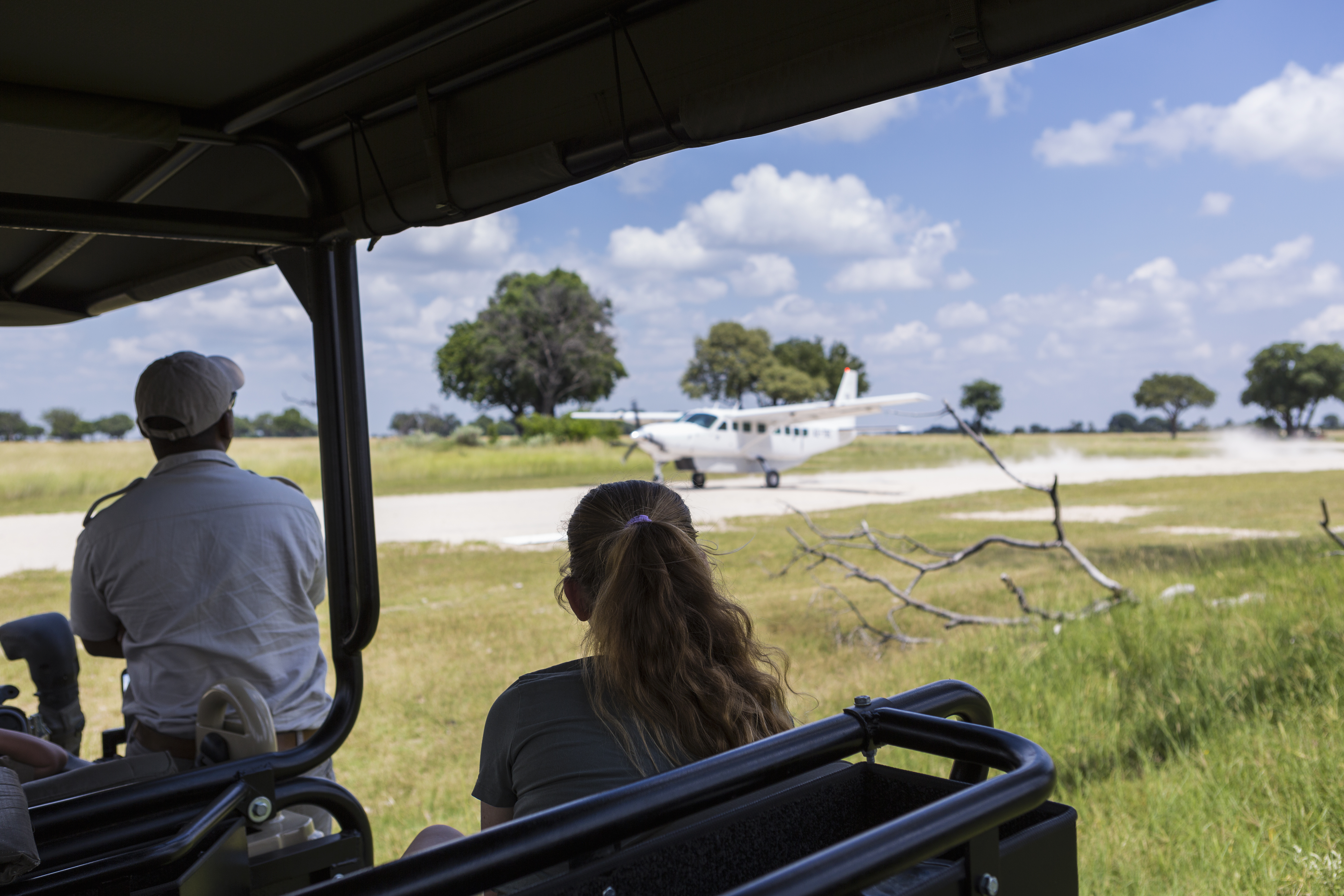
The other job Dar es Salaam does brilliantly is launching the southern safari circuit. The light-aircraft flights to Nyerere National Park — around 45 minutes over the coast and the Rufiji delta — and to Ruaha, further inland, depart from Julius Nyerere Airport most mornings in season. This makes Dar the natural gateway to a southern Tanzania safari in exactly the way Arusha serves the north, and a city overnight followed by an early bush flight is the standard, sensible pattern. By mid-morning you can be watching hippos from a boat where a few hours earlier you were in city traffic.
The southern parks deserve far more attention than they get: vast, uncrowded, and offering boat and walking safaris the northern circuit largely cannot. They also pair beautifully with Zanzibar, since both are short flights from Dar, letting you build a bush-and-beach trip that never touches the busier north. If that combination appeals, our full southern Tanzania safari guide covers Ruaha and Nyerere in depth — when to go, what they cost and how the flights sequence. It is, in our view, the single best reason to route a holiday through Dar es Salaam.
Safety and practical basics
Is Dar es Salaam safe? Broadly yes, with the standard big-city rules applied firmly. Violent crime against tourists is rare; opportunistic theft is not. Use ride-hailing apps or hotel taxis rather than hailing on the street, keep phones and bags away from open car windows in traffic — snatch theft through windows is the classic Dar incident — and avoid walking on beaches or quiet streets after dark. Kariakoo demands the same pickpocket awareness as any dense market on earth. None of this should frighten you; it is the same advice we would give for dozens of cities worldwide.
A few practicalities complete the picture. The currency is the Tanzanian shilling, though hotels and ferries quote in dollars; ATMs are plentiful and cards work in established places. The climate is hot and humid year-round — this is a sea-level equatorial port — with the heaviest rain from March to May and the most comfortable, breezier weather from June to September. Dress is relaxed but modest away from hotel pools, as Dar is a culturally mixed and substantially Muslim city. And allow ninety minutes minimum for any airport transfer that touches rush hour; two hours if a missed flight would hurt.
Planning the wider trip? Read our southern Tanzania safari guide, compare places to stay in the Tanzania hotels guide, see what awaits on Zanzibar, and sort your routing with our guide to flights to Tanzania — or talk to us and we will do it all for you.
Dar es Salaam is not the capital and it is not a resort — it is the hinge of a Tanzanian holiday, and a well-planned twenty-four hours there beats a badly planned connection every time.
When a Dar stopover actually makes sense
Pulling this together, here is how we actually use Dar es Salaam when we build itineraries. For a Zanzibar-by-ferry trip: land in Dar, one night at a waterfront hotel, dawn at Kivukoni fish market, morning ferry to Stone Town — a stopover that costs you nothing in time and adds a memorable first morning in Tanzania. For the southern circuit: evening arrival, airport or peninsula hotel, early bush flight to Nyerere or Ruaha. For a longer city stay of two nights, add the museum, Kariakoo and a Bongoyo Island afternoon, and you will leave with a far truer sense of Tanzania than resort corridors ever give.
And here is when it does not make sense: if you are doing the northern circuit, fly to Kilimanjaro and forget Dar exists; if you are Zanzibar-only and can fly direct or connect airside, do that; and if your schedule forces a rushed same-day ferry chain, change the plan rather than gamble on the traffic. Dar es Salaam punishes tight connections and rewards unhurried ones. That is really the whole art of the city in one sentence, and it is why itineraries through Dar benefit from someone local who knows which margins matter.
Let us make Dar es Salaam work for you
This is precisely the kind of connective planning Sokwe Africa Safaris does every week from our base in Tanzania: we arrange every connection — international arrivals, ferry tickets, bush flights and the right hotel in the right district — so Dar es Salaam works for you rather than against you. Tell us your dates and whether the pull is Zanzibar, the wild southern parks or both, and we will build a route where every transfer has margin, every morning starts calmly, and the biggest city in Tanzania becomes the easiest part of your trip.
Plan your Tanzania trip with Sokwe Africa Safaris