
December and January are among the most popular months to travel, because of school holidays, Christmas and the winter escape from the northern hemisphere. They are also months about which people have doubts, because they fall in a transition between the rainy and dry periods, and many travellers have heard that the migration is "somewhere else". The honest answer is that these are good months for a safari, with some real advantages and some things to plan around. This guide explains what to expect, so that you can decide with accurate information.
The short answer
Yes, December and January are good months for a Tanzania safari, particularly in the southern Serengeti and Ndutu area, where the large herds typically gather and the calving season begins towards the end of January. The landscape is green, the light is soft, the birdlife is excellent with migrant species present and the weather is generally warm. The trade-offs are showers, especially in December, higher prices and crowded camps over Christmas and New Year, and the fact that the dramatic river crossings of the north happen at other times of the year.
The weather
The short rains typically fall in November and December, bringing showers that are often brief and in the afternoon or evening, with long sunny spells between them. By January the rains usually ease, and it is typically warm and drier, though showers can still occur. Temperatures in the parks are generally warm to hot by day and pleasant at night, with the highlands such as the Ngorongoro rim staying cooler. Because the pattern varies from year to year, no one can promise dry days, and it is wise to plan with a little flexibility.
The rain brings real benefits. The grass is green, the air is clear and dust is minimal, so photographs often look richer, with dramatic skies and good light. Roads can be muddier, and some tracks slow down or become difficult, which is where experienced guides and sturdy vehicles matter. If rain is forecast, guides adjust the day, drive earlier or later and make the most of dry windows. Many guests find the changeable weather adds to the atmosphere and the photography.
Where the animals are
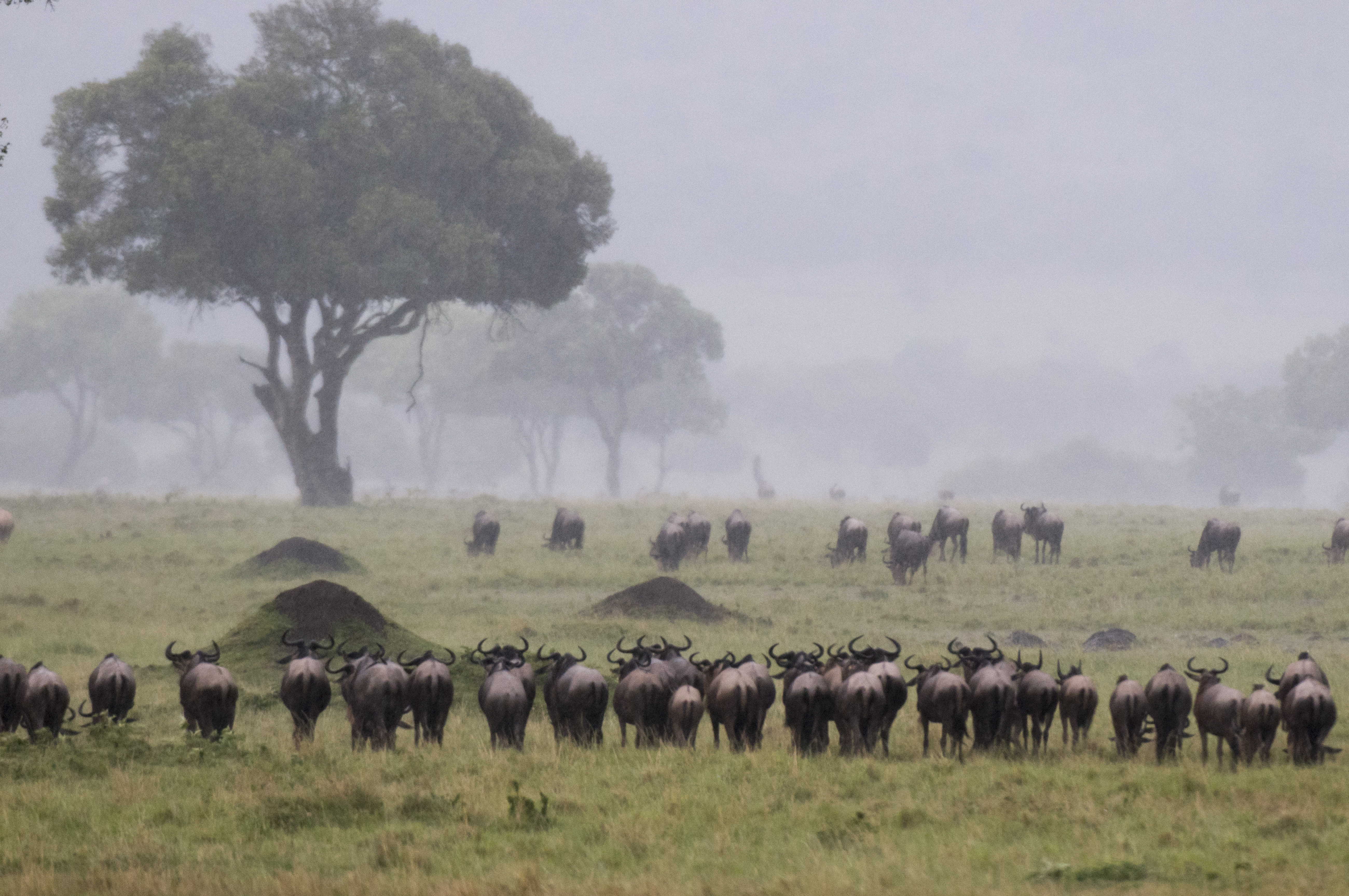
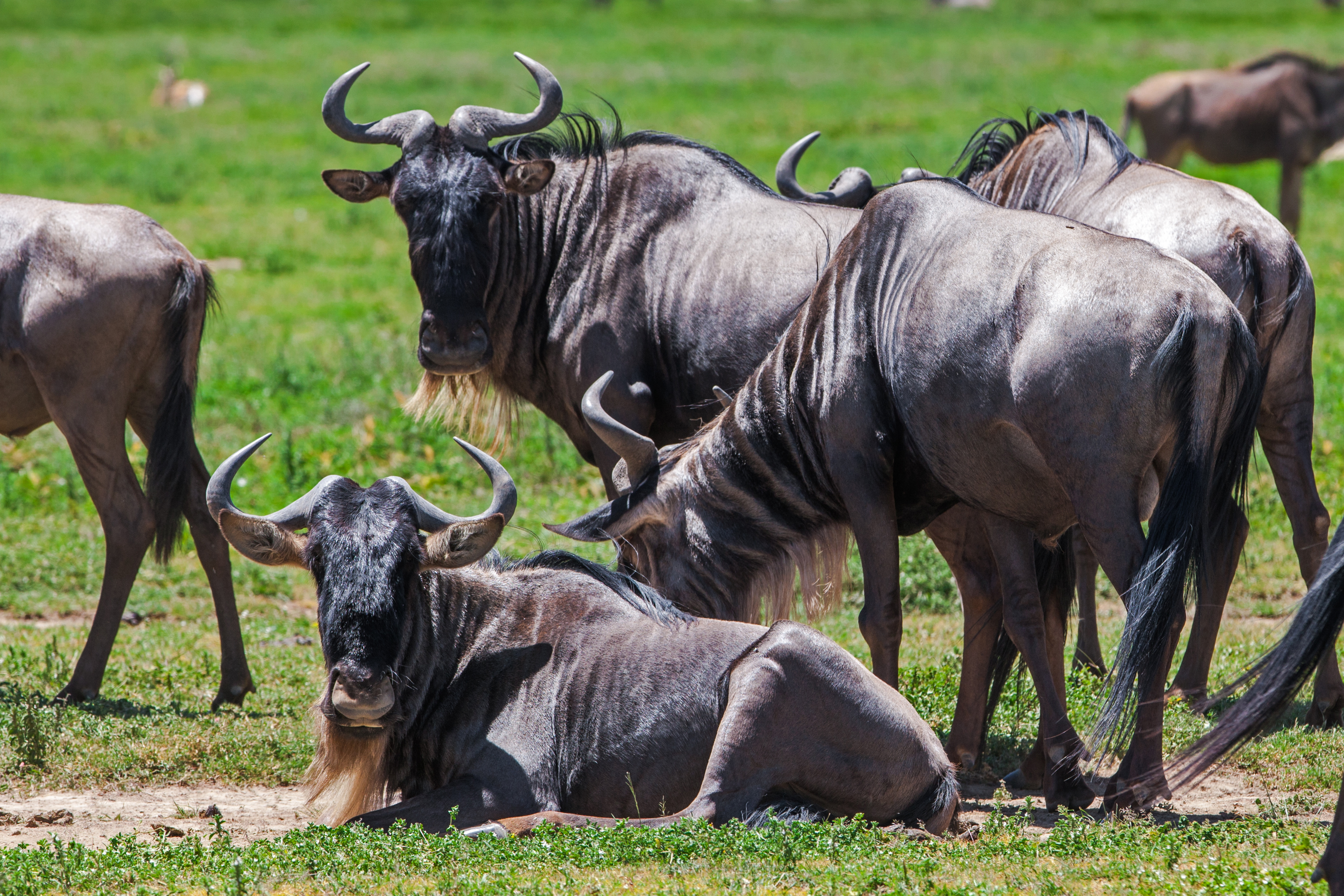
In December, the great herds of wildebeest and zebra typically move south and east, from the northern and central Serengeti towards the short-grass plains of the south and the Ndutu area, drawn by the new grass that follows the rains. By January, large numbers are commonly found in the southern Serengeti and around Ndutu, and the first calves begin to arrive, with the calving peak generally in February. Movements vary year to year, so your guide will track where the herds are in real time.
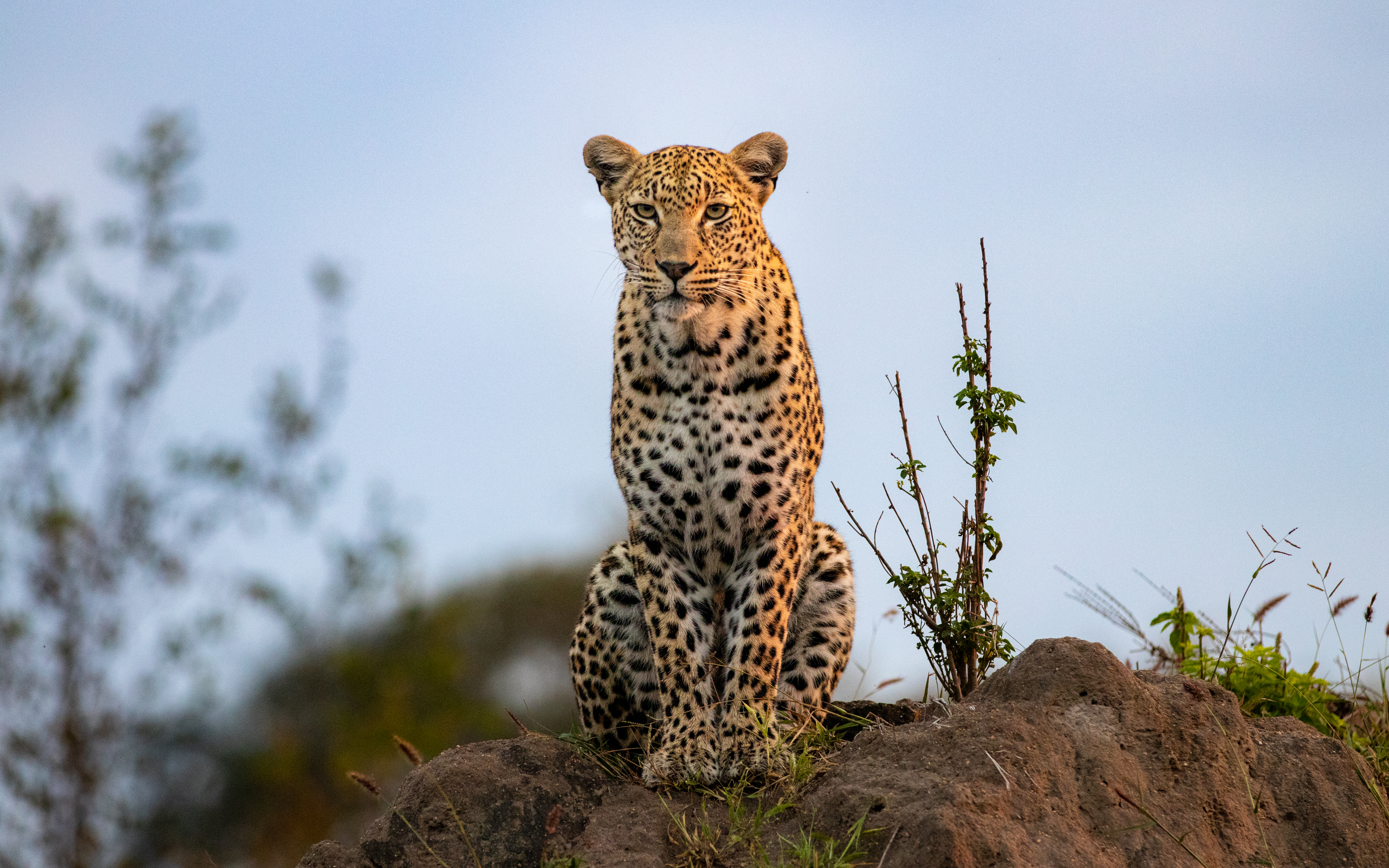
Wherever the herds are, predators follow, and the southern plains in this period are well known for lions, cheetahs and hyenas hunting among the herds, particularly once calves arrive. Elsewhere, Tarangire National Park is quieter and greener than in the dry season, and elephants disperse as water becomes widespread, though you still see many. Ngorongoro Crater is good all year, and the green season brings flamingos and migrant birds to many areas. If your priority is big cats and newborn animals, January and February in the south are hard to beat.
Plan with our guides to the Ndutu calving season, green season safaris, best time to visit Tanzania and our private Tanzania safari options.
If you are planning this route, read Best month for a Tanzania safari: a month-by-month guide to weather, wildlife and prices.
What you will not see
Honesty matters here. The dramatic Mara River crossings, which many people associate with the migration, happen in the north of the Serengeti typically between July and October, not in December or January. If seeing a crossing is your priority, choose those months. December and January offer a different experience: the herds spread across open plains, large numbers close together, newborn calves and the predators that follow, rather than the spectacle of the river. Many guests find this as rewarding, and often quieter and more intimate.
Also be realistic about the movements of the herds. They respond to rain and grass, and their timing varies, so no operator can guarantee exactly where they will be on a particular date. A good itinerary positions you in the right area for the time of year and allows flexibility to move if the herds shift. If an operator promises that the herds will be at a specific spot on a specific day, treat that as a warning sign.
Christmas and New Year: crowds and prices
The period around Christmas and New Year is peak season for pricing and demand. Camps and lodges charge their highest rates, many have minimum stays and the best properties sell out many months in advance, sometimes a year ahead. If you want to travel over the festive period, book as early as you can, be prepared for higher prices and consider whether the exact dates are fixed. Moving your trip by a week, either side of the peak dates, can give you better availability and sometimes better value.
Crowds are also a factor, particularly in the southern Serengeti and Ndutu area, where many vehicles gather around sightings during the calving period. A good guide knows how to avoid the worst of this, and a private vehicle gives you flexibility to leave when it is busy. Early starts help, as do quieter areas away from the main concentrations. If you prefer fewer people, consider early December, when it is quieter and rates are lower, or late January before the February peak.
Pros and cons at a glance
The advantages of December and January are a green, photogenic landscape, large herds in the south, the start of calving, excellent birding, comfortable temperatures and the festive atmosphere for those who want it. The disadvantages are showers, particularly in December, muddier roads, higher peak prices, busy camps over Christmas, the lack of river crossings and the fact that some areas are harder to reach in wet conditions. Weighing these against your priorities is the key, and no month suits everyone.
If you travel in early December, expect a quieter, greener safari with some rain and lower rates. If you travel over Christmas and New Year, expect festive pricing, busy camps and a lively atmosphere, with wildlife viewing that depends on where the herds are. If you travel in January, expect warmer, often drier days, the herds in the south and the first calves, with February following as the busiest time for calving. Each has its charm, and each suits different travellers.
What a December or January itinerary looks like
A typical route for these months puts the most nights where the herds are, which is usually the southern Serengeti and Ndutu area, with a night or two at Ngorongoro, either on the rim or in Karatu, and optionally a couple of nights at Tarangire, which is green and quieter at this time. A seven-night version might be three nights in the south, one at Ngorongoro, two at Tarangire and a night at the start or end near Arusha. Shorter trips can cut Tarangire; longer ones can add the central Serengeti for more variety.
Flexibility is the key feature. Because the herds follow the rain, the best camp for your dates may depend on where the grass is greenest, and a good operator will choose accommodation with that in mind, sometimes in more than one area in the south. Mobile and seasonal camps are positioned to follow the herds and can be especially rewarding. If you have fixed dates, ask us to watch the conditions as your trip approaches and to adjust where it makes sense.
Practical tips for December and January
Pack for varied weather: light clothes for the day, a warm layer for early mornings and evenings, a waterproof jacket, good sun protection and insect repellent. Bring binoculars and a camera with a weatherproof bag, since dust is low but showers can come quickly. Allow flexibility in your plan, so that your guide can adjust the day around the weather and the movements of the animals. Book accommodation early, particularly for the festive period, and talk to your operator about which areas are best at your dates.
Take malaria precautions as advised by your doctor, since mosquitoes are more active in wetter weather, and use repellent in the evening. Tsetse flies can be a nuisance in some areas, particularly in the central and western Serengeti and Tarangire, so wear neutral colours and avoid dark blue and black. Bring a reusable water bottle, and keep your valuables in a waterproof bag. Above all, be patient with the weather: the best moments often come just after a shower, when the light breaks and the animals come out.
A word on booking. The best camps for December, January and the calving season fill early, and the properties best placed in the southern Serengeti are often the first to sell out for the festive period. If your dates are fixed, start the conversation as soon as you can, ideally many months ahead, and be ready to be flexible about the exact camp. If you are booking closer to the date, tell us what matters most, and we will look for the best available combination of location and comfort.
Who should choose these months
December and January suit travellers who want to see the great herds and the predators that follow them, those who want to combine a safari with a festive break, photographers who love dramatic light and green landscapes and families travelling in school holidays. They suit people who are comfortable with a bit of rain and some crowds. They are less suited to those who want guaranteed dry weather, who are set on seeing the river crossings or who prefer a quiet, remote experience at the lowest price.
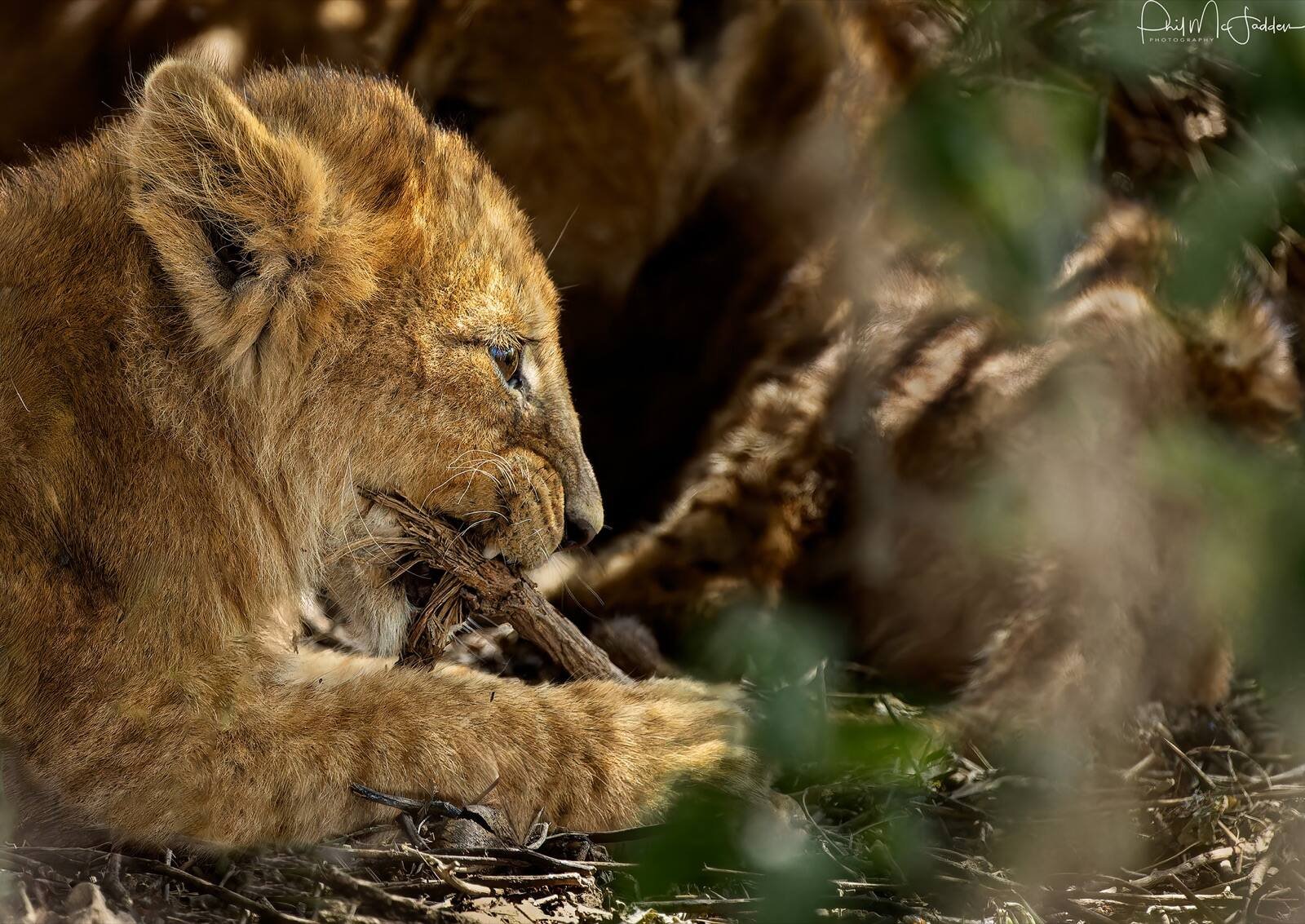
If you are unsure, tell us what you most want to see and when you can travel, and we will tell you honestly whether December or January is the right choice, or whether another time would serve you better. We would rather recommend a different month than sell you a trip that does not match your hopes. With the right planning, these months can deliver some of the most memorable days a safari can offer.
Thinking of travelling in December or January? Talk to Sokwe Africa Safaris. We will tell you honestly where the herds are likely to be and what is available.
Frequently asked questions
Is December a good time for a Tanzania safari?
Yes, though showers are likely, especially in the afternoon. The herds typically gather in the south, the landscape is green and birdlife is excellent. Christmas and New Year are peak periods with higher prices, so book early.
Is January a good time for a Tanzania safari?
Yes. January is typically warmer and drier than December, the herds are commonly in the southern Serengeti and Ndutu, and the calving season begins towards the end of the month, bringing predators and newborn animals.
Will I see the Great Migration in December and January?
You can see the great herds, which typically gather in the southern Serengeti and Ndutu area at this time. You will not see the Mara River crossings, which happen in the north usually between July and October.
Is it very rainy in December in Tanzania?
December is part of the short rains, so showers are common but often brief and in the afternoon or evening, with sunny spells between. The pattern varies year to year, so plan with some flexibility.
Is Christmas a good time for a safari in Tanzania?
It is popular and festive but also peak season, with the highest prices and busy camps. Book as early as possible, and consider travelling slightly before or after the peak dates for better availability and value.
Is the Ndutu calving season in January?
The calving season typically begins towards the end of January and peaks in February, though timing varies with the rains. Our Ndutu calving guide explains what to expect and how to plan.