
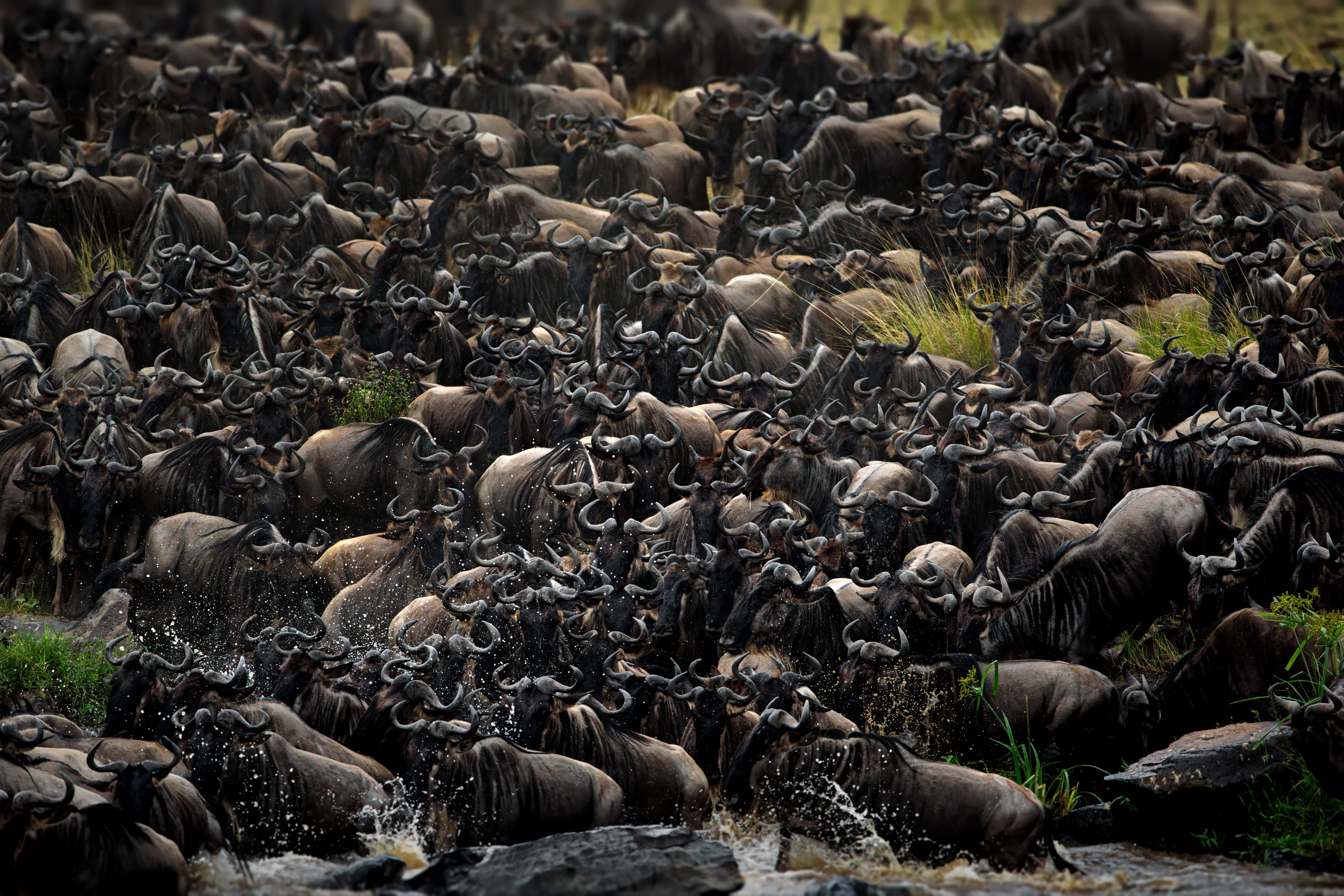
Questions about the best time to visit Tanzania usually arrive month by month: is April a good time, is June too early, is November a mistake? There is no single best month, because the answer depends on what you most want to see and what you are prepared to put up with. Below is a month-by-month verdict, based on the typical pattern of rains and animal movements. Nature does not follow a calendar, so treat the dates as guides, and ask an operator what is happening this season before you commit. We have tried to be honest about the weak points of each month as well as the strengths.
The short answer
For classic game viewing with dry weather and easy roads, June to October is the most popular window, and for the Mara River crossings in the northern Serengeti, July to October is the usual period. For the calving season in the southern Serengeti and Ndutu, with newborn animals and the predators that follow them, January to March is the time. For lower prices, fewer visitors, green scenery and good birding, November and the March to May green season are rewarding, though rain is likely. Every month has something to offer, and the right one for you depends on your priorities.
January
January is typically warm, and the short rains have usually eased, so there are more dry days. The great herds are commonly in the southern Serengeti and the Ndutu area, and the calving season begins towards the end of the month. The landscape is green and photogenic, birdlife is excellent and predators are active. Prices over the Christmas and New Year period are high, but they ease later in January. It is an excellent month for big cats and for photographers, though river crossings are not part of it.
February
February is generally the peak of the calving season in the southern plains around Ndutu, with tens of thousands of calves born within a few weeks, and lions, hyenas and cheetahs hunting among the herds. It is warm and often dry, with some showers, and it is one of the best times for wildlife drama. The south can be busy, and the best camps book out early. Tarangire is green and quiet, and Ngorongoro is excellent as always.
March
March is still part of the calving season in some years, but the long rains typically begin during the month, so showers become more frequent, particularly in the afternoon. The herds begin to spread out across the southern and central Serengeti, and the landscape is lush. Visitor numbers fall and some lodges offer lower rates. It is a good month for photographers who like dramatic skies and for those who prefer fewer people, though you should be ready for rain and occasional muddy roads.
April and May
April and May are typically the wettest months, the heart of the long rains, and many camps and lodges close or run reduced services. Rains can be heavy, roads can be difficult, and some areas become hard to reach. In return, rates are the lowest of the year, the parks are very quiet, the landscape is a deep green, and there are fewer vehicles at sightings. It is not the best time for first-time visitors who want classic game viewing in dry conditions, but it suits experienced travellers, birders and photographers who accept the weather. Many travellers ask if May is a good month; the answer is that it depends on your tolerance for rain and your priorities.
Go deeper: best time to visit Tanzania for safari, green season safaris, Ndutu calving season, Mara River crossings and December and January. See our private Tanzania safari options.
See also our guide: Best time to visit Zanzibar: month-by-month weather, beaches, diving and crowds.
June
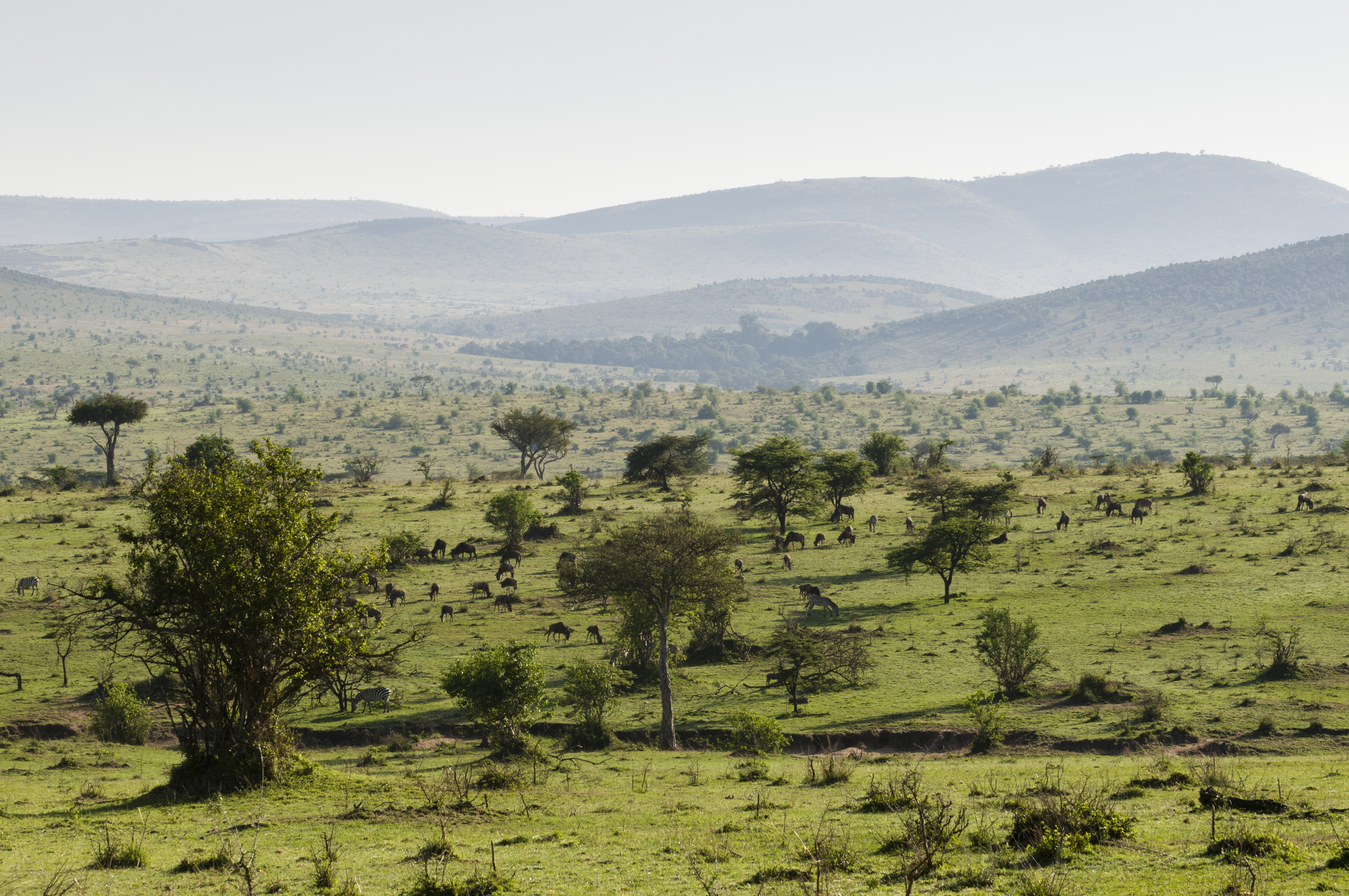
June marks the start of the dry season, with rains fading, roads improving and days warm and clear. The great herds commonly move north and west across the central Serengeti, and in the western corridor the Grumeti River crossings can begin, though their timing and drama vary from year to year. It is an excellent month for game viewing, with fewer crowds than July and August and slightly lower prices. Tarangire begins to fill with animals as water dries elsewhere, and the mornings can be cool.
July and August
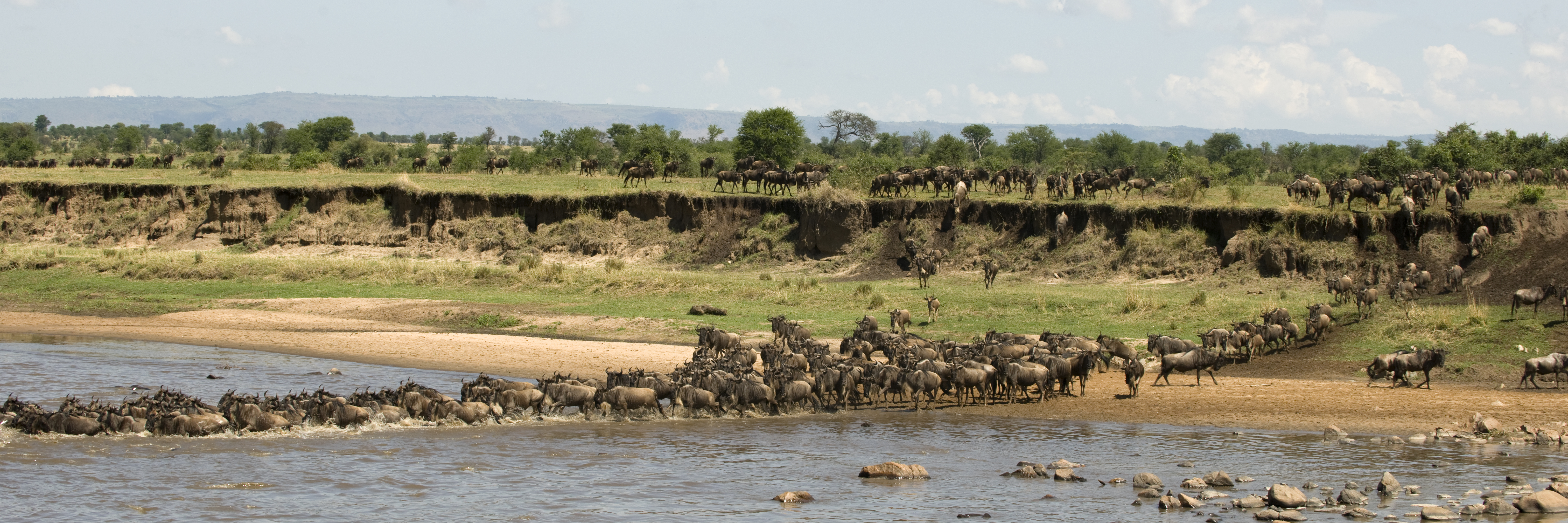
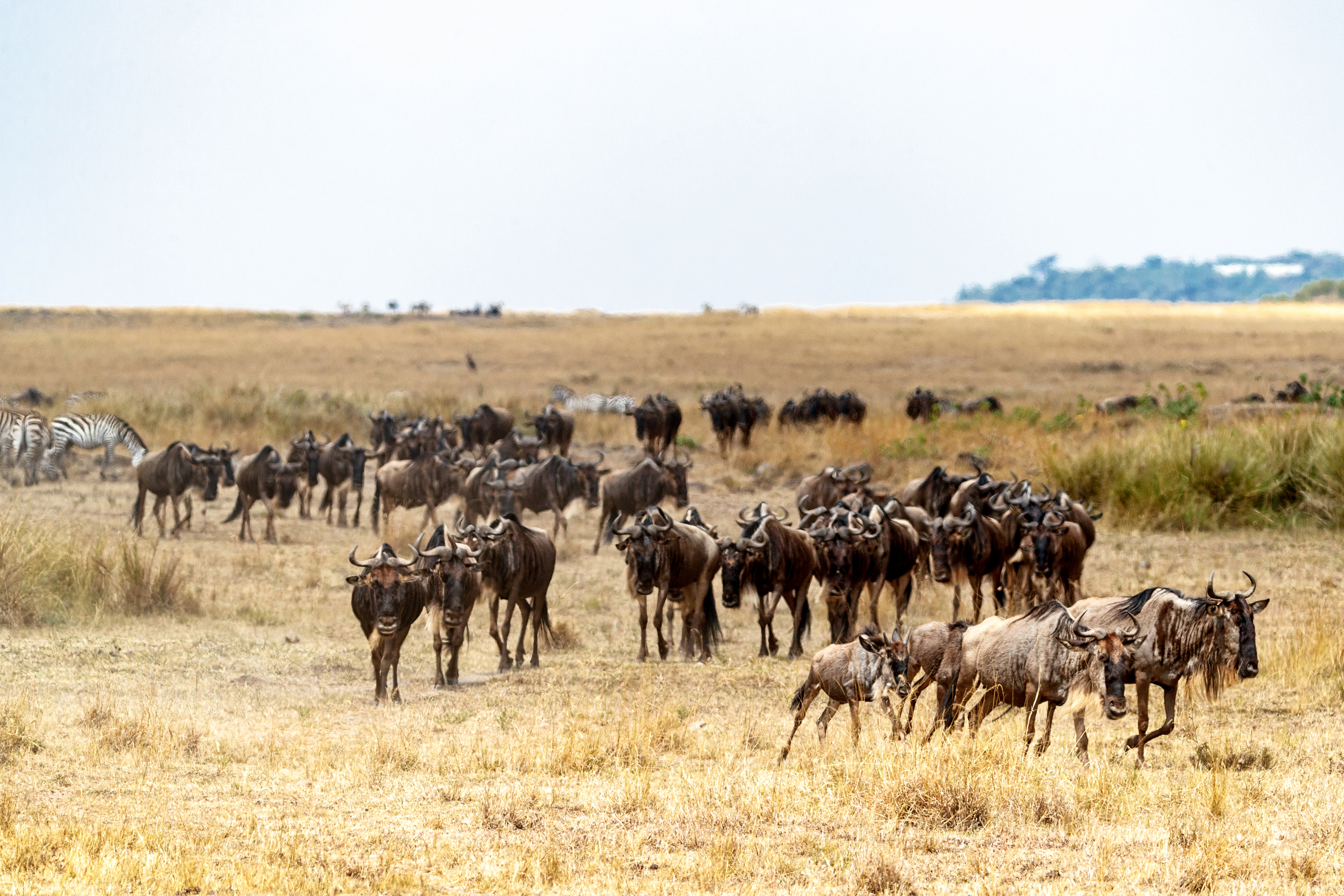
July and August are the heart of the dry season and the most popular months overall. The weather is dry, sunny and cool at night, game viewing is superb in Tarangire and the Serengeti, and the herds are commonly in the north or heading there, with Mara River crossings from late July or August in many years. It is also the busiest and most expensive period, so camps book out many months ahead, and popular sightings and crossings can be crowded. If you want to be here, book early and choose your camps carefully.
September and October
September and October are still dry and excellent, and many experienced guides consider September one of the best months, with the herds in the north and the crossings still active, but with slightly fewer visitors than in August. By October the herds begin their move south again, and the first rains may arrive, particularly late in the month. Prices begin to ease from the peak, game viewing remains very good, and dust and heat can build in the lowlands. It is a lovely time to travel if you can be flexible about exactly where the herds are.
November
November is typically the start of the short rains, with showers that are often brief and in the afternoon. The herds are commonly beginning to move back towards the south and east, drawn by the new grass. It is a quiet, green and good-value month, with fewer visitors and lower rates, though weather is less predictable, and some roads can be slow. Many travellers ask if November is a good time to visit Tanzania; for those who do not need dry weather and who want a quieter safari with excellent birds, it can be an excellent choice.
December
December continues the short rains, with showers but plenty of sunny periods, and the herds typically gather in the southern Serengeti and Ndutu area ahead of calving. The landscape is green, and the light is beautiful. The Christmas and New Year period is peak season for prices and demand, so book very early if you want to travel then. Early December is quieter and cheaper than the festive weeks, and a good choice if you want a green, atmospheric safari with fewer people.
Matching the month to your priorities
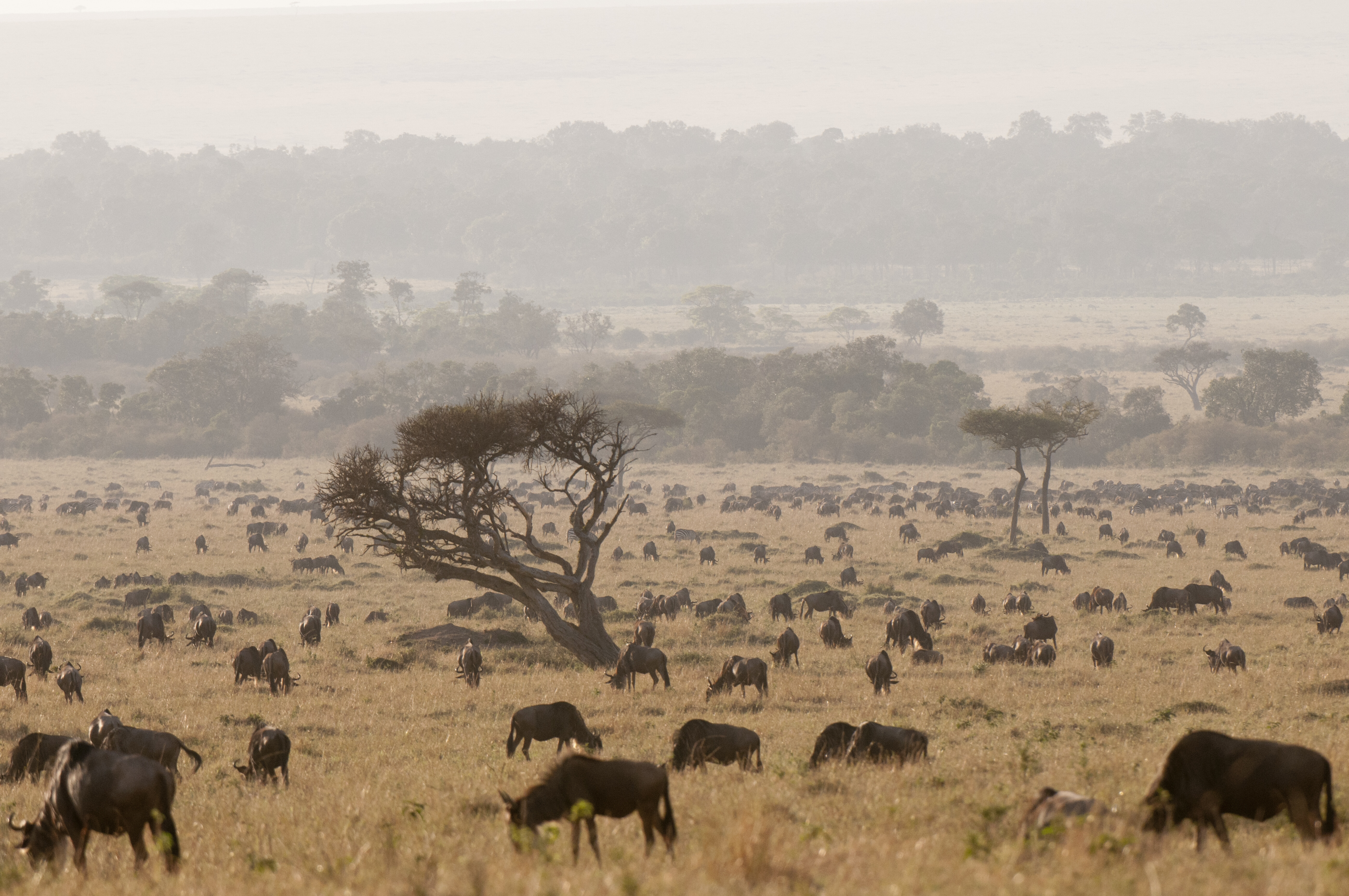
If your main priority is dry weather and the best chance of classic game viewing, choose June to October. If it is the Mara River crossings, choose late July to October and aim for the northern Serengeti. If it is newborn animals and big cats, choose January to March in the south. If it is value and quiet, choose November or March to May, accepting some rain. If it is a combination with Kilimanjaro or Zanzibar, remember that their seasons differ: the main Kilimanjaro climbing windows are in the drier months, and Zanzibar's long rains fall around March to May.
Be wary of anyone who promises exactly where the herds will be on a given date. Movements depend on rainfall and grass, and they shift from year to year. A flexible itinerary, a good guide and an operator who watches conditions give better results than a rigid plan. Ask your operator which camps they would choose for your month and why, and be sceptical of an answer that is the same for every month.
Combining a safari with Kilimanjaro or Zanzibar
If your plans include Kilimanjaro, the main climbing seasons are generally the drier periods, roughly January to March and June to October, with the long rains from about March to May and the short rains in November making the mountain wetter and the trails muddier. Many people schedule a climb first and a safari afterwards, so that they finish with something restful. Zanzibar is best for beach weather in the drier months, from about June to October and from December to February, with the long rains around March to May when some resorts reduce services.
This means that a combined trip has its own best months. June to October suits a safari with a Zanzibar finish, with the herds in the north and the coast warm and dry. January and February suit calving in the south, followed by the beach, which tends to be hot and dry. The long rains are the awkward time for a combined trip, since both the parks and the coast are wet. If you are building a longer itinerary, tell us everything you want to include and we will suggest the months that work for all of it.
Shoulder months and being flexible
The shoulder months, such as early June, late October, November and early December, are the sweet spot for many experienced travellers. The weather is generally good or good enough, prices are lower than at the peak, parks are quieter and the wildlife remains excellent. The trade-off is less predictability: the herds may be in different places from where you hoped, and showers are possible. If you can be flexible about dates, even moving by a couple of weeks can change availability and price, so it is worth asking.
Flexibility in the itinerary matters as much as flexibility in dates. A route that allows you to change camps if the herds move, or that spends extra nights where the game is best, gives you a better chance of the experience you want. A good operator will build this in, and will keep watching conditions as your trip approaches, adjusting where it makes sense. That ability is more valuable than any promise about a particular month.
What about prices?
As a rule, prices are highest in the peak months, roughly July to October and the Christmas and New Year period, and lowest in the long rains, around April and May, with shoulder months in between. The difference can be considerable, and the value of travelling in a shoulder month can be high if you are flexible about the weather. Our cost guides explain how pricing works, and we are glad to quote for several months so that you can compare the trade-offs between cost, weather and wildlife.
Tell us your dates and what you hope to see, and we will tell you honestly what the month offers. Talk to Sokwe Africa Safaris.
Frequently asked questions
What is the best month for a Tanzania safari?
It depends on what you want. June to October is the classic dry season, July to October is best for Mara River crossings, January to March is calving season in the south, and November and March to May offer value and quiet with some rain.
Is April a good time to visit Tanzania?
April is in the long rains, so showers are likely and some camps close. Rates are low and the parks are quiet and green, which suits experienced travellers and photographers, but it is not ideal for classic dry-season game viewing.
Is June a good time to visit Tanzania?
Yes. June is the start of the dry season, with improving roads, warm clear days, fewer crowds than July and August and, in some years, Grumeti River crossings in the west.
Is July a good time to visit Tanzania?
Yes, it is one of the most popular months, with dry weather, superb game viewing and the herds in the north, though it is busy and expensive, so book early.
Is November a good time to visit Tanzania?
It can be. November is the start of the short rains, with brief showers, green scenery, fewer visitors and lower rates. It suits travellers who do not need dry weather.
Can I see the Great Migration in any month?
The herds are in the Serengeti ecosystem all year, but where they are changes with the seasons. River crossings are typically July to October, while calving is January to March. Timing varies, so ask your operator.