
What a river crossing actually is
The Mara River crossing is the most photographed moment in African wildlife, and also the most misunderstood. It is not a single event that happens on a schedule. It is a behaviour that repeats, unpredictably, over roughly four months, as the wildebeest migration moves back and forth across a river that stands between the herds and the grazing on the far bank. Understanding that difference is the single most useful thing you can do before booking a trip around it.
The wildebeest do not cross once and continue north. They cross, graze, and frequently cross back days later. A herd may stand on the bank for six hours and then walk away without entering the water at all. Another may pour across without hesitation at a place nobody expected. Guides who have worked the northern Serengeti for years will tell you honestly that they can predict where a crossing is likely, but never when.
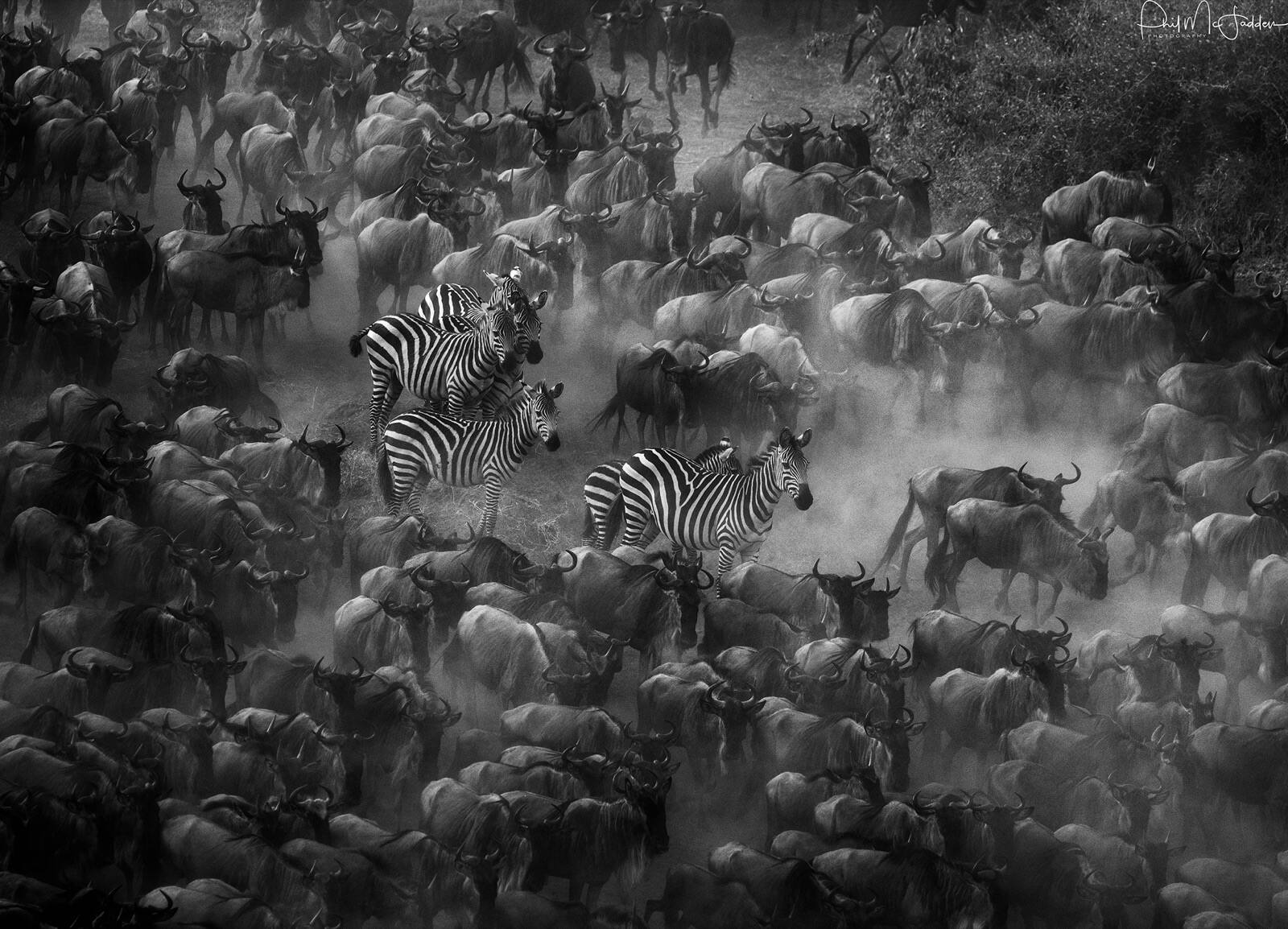
What makes it extraordinary is not the drama alone but the scale. Somewhere between a million and a million and a half wildebeest, together with several hundred thousand zebra, move through this system every year. When a crossing commits, the noise carries a kilometre — a continuous low roar of grunting animals and water — and it can run for over an hour without a break.
When do crossings happen?
The realistic window is July through October, with August and September the most consistent months. In a typical year the herds reach the northern Serengeti and the Mara River from late June or early July, and they remain in that northern country until the short rains draw them south again from late October. Crossings can occur at any point within that period.
We are deliberate about the language here because the industry often is not. There is no such thing as "crossing season" in the sense of a guaranteed spectacle. Rainfall patterns shift the timing by weeks in either direction, and the herds respond to grazing conditions rather than to the calendar. A very dry June can bring them north early; a wet one can hold them south well into July.
What we can say with confidence is this: if you are camped near the river in the northern Serengeti for four consecutive nights during August or September, your chances of witnessing a crossing are good. For two nights they are considerably worse. This is the most important planning decision on the whole trip, and it is the one most often compromised to fit a shorter itinerary.
Where to be: Kogatende and the northern Serengeti
The crossing points sit along the stretch of the Mara River running through the far north of Serengeti National Park, most accessibly around the Kogatende area. This is roughly a two-hour flight from Arusha or a very long drive, and most guests fly in to the Kogatende airstrip. Camps in this area put you within reasonable driving distance of multiple crossing points, which matters enormously when a herd gathers at short notice.
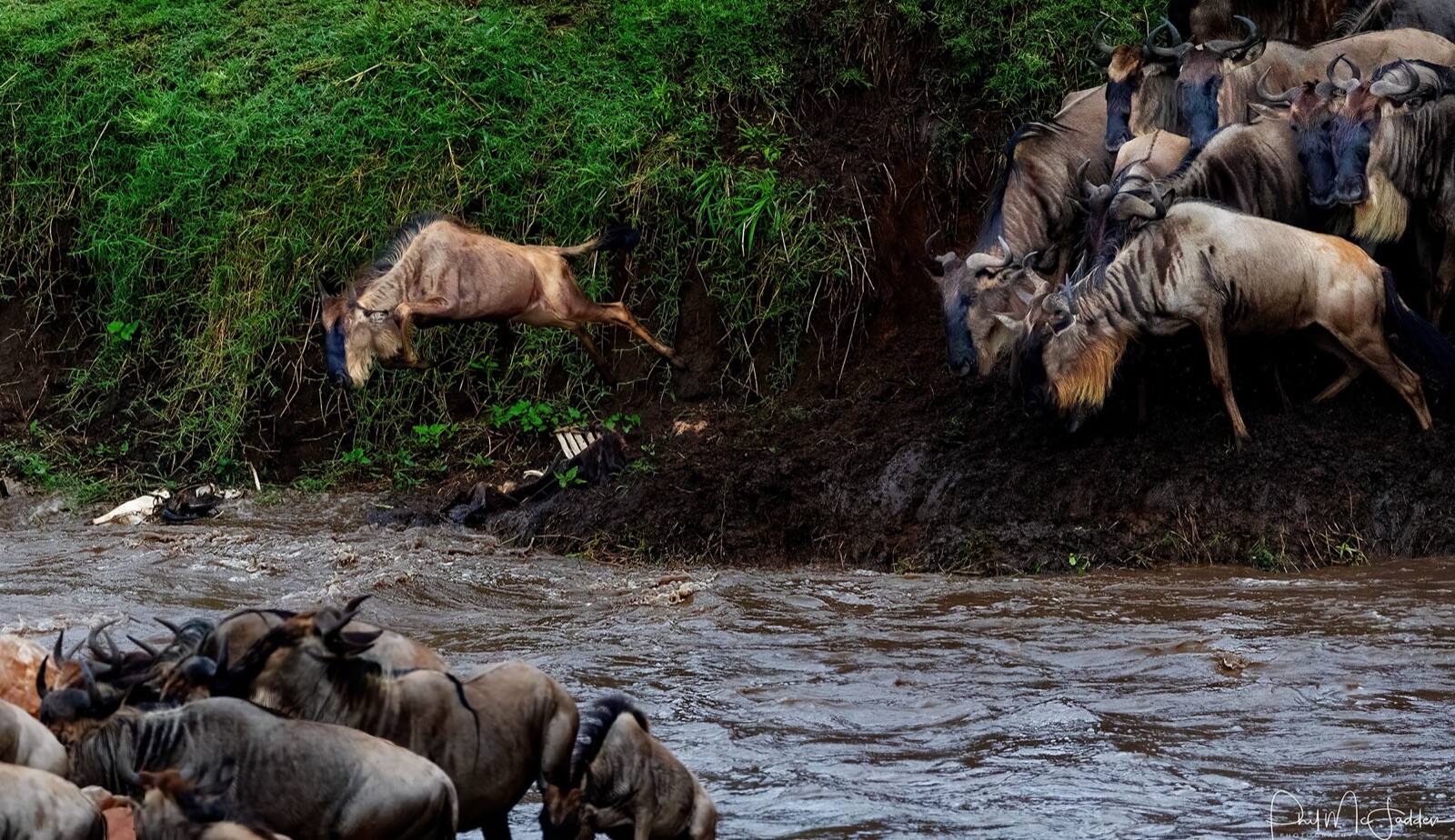
There are several established crossing points along the river, each with its own character. Some have shallow approaches and gentle exits; others drop steeply into fast water and are where most of the losses occur. Experienced guides know the individual points by name and can judge from the way a herd is massing which is most likely to be used.
A word on the Kenyan side. The Masai Mara sits across the border and the same herds move between the two. Crossings are visible from either country. The northern Serengeti is generally quieter in terms of vehicle numbers, which we think improves the experience considerably, though the Mara has a longer-established tourism infrastructure. Both are legitimate choices; we simply operate from the Tanzanian side.
Why crossings fail, and why waiting is the job
A crossing that does not happen is the normal outcome of any given morning. Herds gather on the bank, sometimes thousands strong, and then something — a crocodile surfacing, a vehicle moving badly, or nothing visible at all — breaks the building tension and the whole mass turns and drifts back. It can happen after four hours of waiting.
This is why the discipline of the guide matters more here than anywhere else on a Tanzanian safari. The temptation is to reposition constantly, chasing whichever gathering looks most promising. In practice, movement is what most often collapses a crossing. Our approach is to choose a position early, shut the engine off, and stay. Guests who understand that this is the method rather than passivity have a far better time.
It also means the day is long. A crossing morning starts before first light and may not produce anything until mid-afternoon. We pack a full breakfast and lunch into the vehicle and treat it as a day in the field, not a game drive with a return for lunch. Anyone booking a crossing trip should know this in advance and pack accordingly.
The crocodiles, and an honest word about what you will see
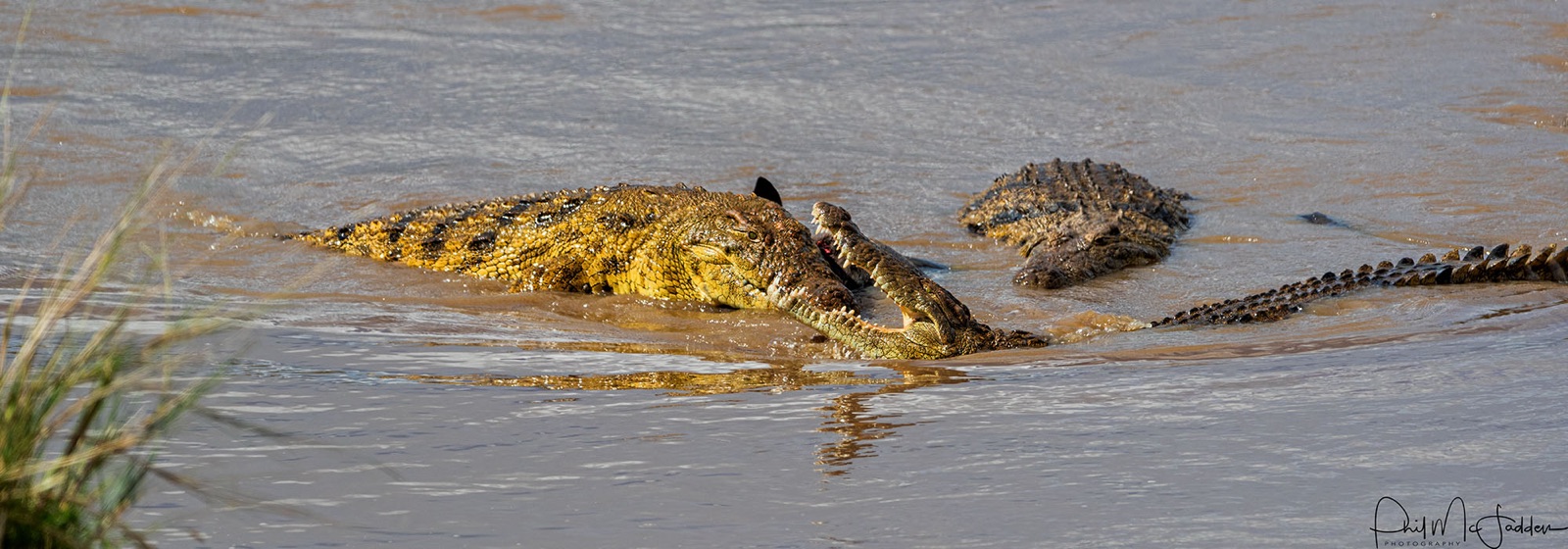
The Mara River holds very large Nile crocodile, some of them well over four metres, and they concentrate at the crossing points because the crossings are the most reliable food source of their year. You will very likely see them. Whether you see a kill is another matter, and many crossings pass without one.
There is a harder truth in this that we would rather state plainly than let guests discover unprepared. A river crossing involves animal deaths — from crocodile, from drowning, from being trampled, and from broken legs on the steep exits. Calves are separated from mothers. Some guests find it more distressing than they expected. It is not a cruel spectacle, it is an ecological process that has run for a very long time, but it is not sanitised, and you should go knowing that.
How many days you need
Our honest recommendation is a minimum of three nights in the northern Serengeti, and four is materially better. Each additional night raises your chance of a crossing substantially, because you are buying more mornings at the river rather than more scenery. Two nights is a gamble that we will tell you is a gamble.
Most guests pair the north with time in the central Serengeti and the Ngorongoro Crater, which gives a rounded trip in the event that the crossings do not deliver. A common shape is three nights central Serengeti, four nights north, two nights Ngorongoro, with a flight in and out. That structure means nobody goes home having seen only a river.
If your dates fall outside July to October, we will say so rather than sell you a crossing itinerary that cannot work. The migration is present in Tanzania all year — it simply is not at the Mara River. In February the same herds are calving on the southern plains, which is a different and in some ways greater spectacle.
The migration runs year-round — read the wildebeest migration explained or our guide to the best time to visit the Serengeti.
See also our guide to crossing from Kenya into Tanzania at Namanga.
Related: the Amboseli to Arusha crossing day.
The rest of the cast, and why the north is worth it anyway
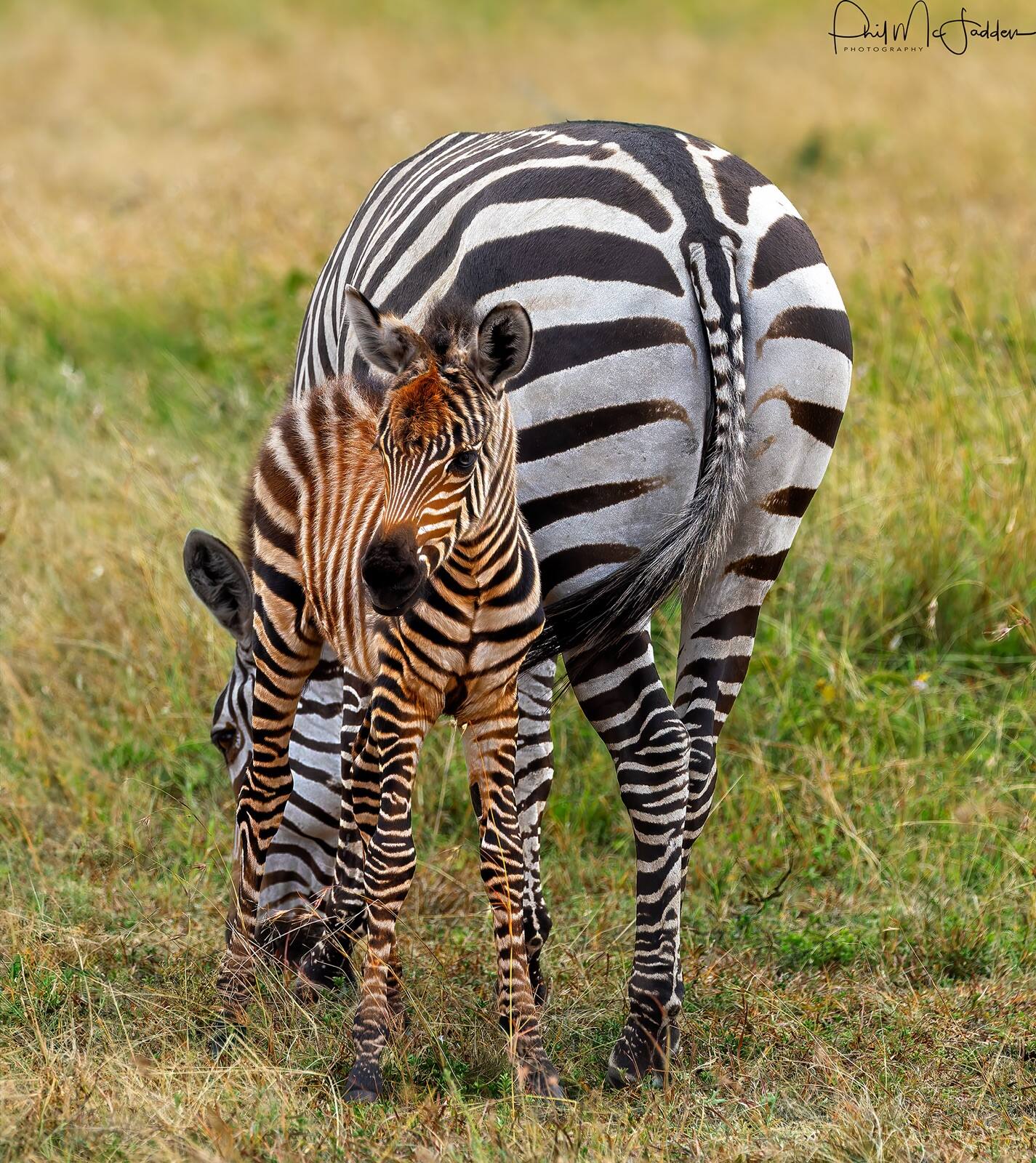
The wildebeest get the billing, but they do not travel alone. Several hundred thousand zebra move with them, and the relationship between the two species is one of the quieter marvels of the system. Zebra crop the tall, coarse top growth that wildebeest cannot digest efficiently, exposing the shorter, more nutritious grass beneath. The two graze in sequence rather than in competition, which is why you so often see them mixed on the same ground.
Zebra also behave differently at the water. They are stronger swimmers, more decisive, and frequently lead a crossing that the wildebeest have been hesitating over for hours. Watching a small group of zebra walk down the bank and simply enter the river, and then watching the wildebeest mass follow within a minute, is one of the most reliable pleasures of a morning at the Mara.
The northern Serengeti is also excellent country in its own right, which is the insurance policy on any crossing trip. Lion density along the Mara is high because the prey base is enormous for those months. Elephant move through the riverine woodland in good numbers. Giraffe are abundant on the rolling ground between the river and the Kenyan border. Even a week without a single crossing is a week of outstanding general game viewing, and we think it is important that guests understand that before they arrive rather than afterwards.
Photographing a crossing
Bring more lens than you think and more card than you think. A crossing produces an enormous number of frames in a short burst, and the action ranges from a wide herd panorama to a single animal in the water at two hundred metres. A mid-range zoom and a long telephoto covers it; changing lenses mid-crossing is a good way to miss the best of it.
Position matters more than gear. The best images are made when the light is behind you and the herd is entering the water across your field of view rather than towards you. Dust and spray at the entry point catch low morning light beautifully. Ask your guide to explain where he intends to park and why — a good one will have a reason involving sun angle, not just a clear view.
Planning a crossing safari with Sokwe
We build crossing trips around time rather than distance: fewer camps, more consecutive nights on the river, and days that run from before dawn until the light goes. Every safari runs with a private 4x4 and your own guide, which on a crossing day is the difference between staying for the sixth hour and leaving in the fourth because someone else in the vehicle has had enough.
We will also be honest with you at the enquiry stage about what your dates can realistically deliver. If you can only travel in May, we will build you something excellent that is not about the Mara River. Selling a crossing to someone travelling outside the window is the kind of thing that produces one very unhappy guest and no repeat business.
Plan your migration safari
Tell us your travel dates and we will tell you honestly where the herds are likely to be and what a crossing trip would look like. If your window fits, we will build it around consecutive nights on the river rather than a tour that passes through.
Ready to make it real? Explore luxury Tanzania safari or talk to us about dates and prices.
Plan your safari with Sokwe Africa Safari
Frequently asked questions
When is the best time to see the Mara River crossing?
July to October, with August and September the most consistent. There is no fixed date — the herds respond to rainfall and grazing, so timing shifts by weeks year to year. Four consecutive nights on the river in August or September gives you a good chance.
How many days do I need to see a river crossing?
Three nights in the northern Serengeti is our minimum recommendation and four is materially better. Each extra night buys another morning at the river. Two nights is a genuine gamble and we will tell you so.
Is the crossing better in Tanzania or Kenya?
The same herds cross the same river and both sides work. The northern Serengeti is generally quieter in terms of vehicle numbers; the Masai Mara has longer-established infrastructure. We operate from the Tanzanian side at Kogatende.
Are river crossings guaranteed?
No, and any operator who guarantees one is misleading you. Herds regularly gather for hours and then turn away without entering the water. Time on the river is the only thing that meaningfully improves your odds.
Will I see crocodiles at the Mara River?
Very likely. Large Nile crocodile concentrate at the crossing points during the migration months. Whether you witness a kill is far less certain, and many crossings pass without one.
Is a river crossing upsetting to watch?
It can be. Crossings involve drownings, trampling and predation, and calves are separated from their mothers. It is a natural process rather than a cruel one, but it is not sanitised and we think guests should know that before they go.