
It is the question every first-time safari planner asks, and the answers on the internet are mostly written by someone selling one country or the other. We are a Tanzanian company, so you should read what follows with that in mind, and we will try to compensate by being fair. Both countries offer world-class wildlife, and the Great Migration crosses between them. The real answer depends on what you want, how much time you have and what kind of trip suits you. We will set out the differences plainly, including where Kenya has the advantage.
The short answer
Neither country is better in every way. Tanzania generally offers larger, wilder spaces, the Serengeti and Ngorongoro Crater, a more spread-out feel and the chance to add Zanzibar or Kilimanjaro. Kenya generally offers shorter, easier access from Nairobi, the Masai Mara and its private conservancies, Amboseli's elephants with Kilimanjaro behind them and a wider range of styles of safari in some areas. For a first trip with about a week, either can be excellent. If you have two weeks or more and want to see the most, combining both is hard to beat.
Wildlife and the Great Migration
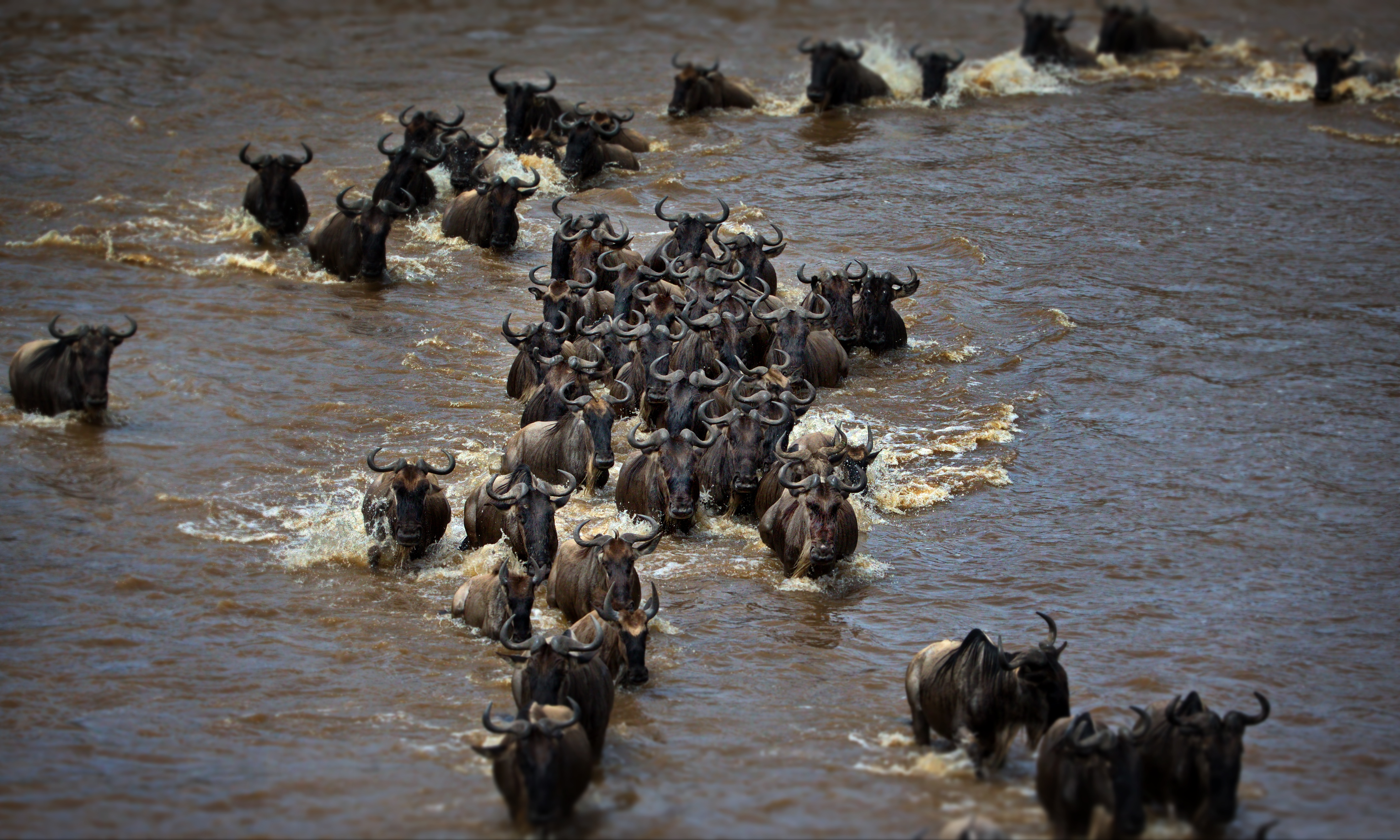
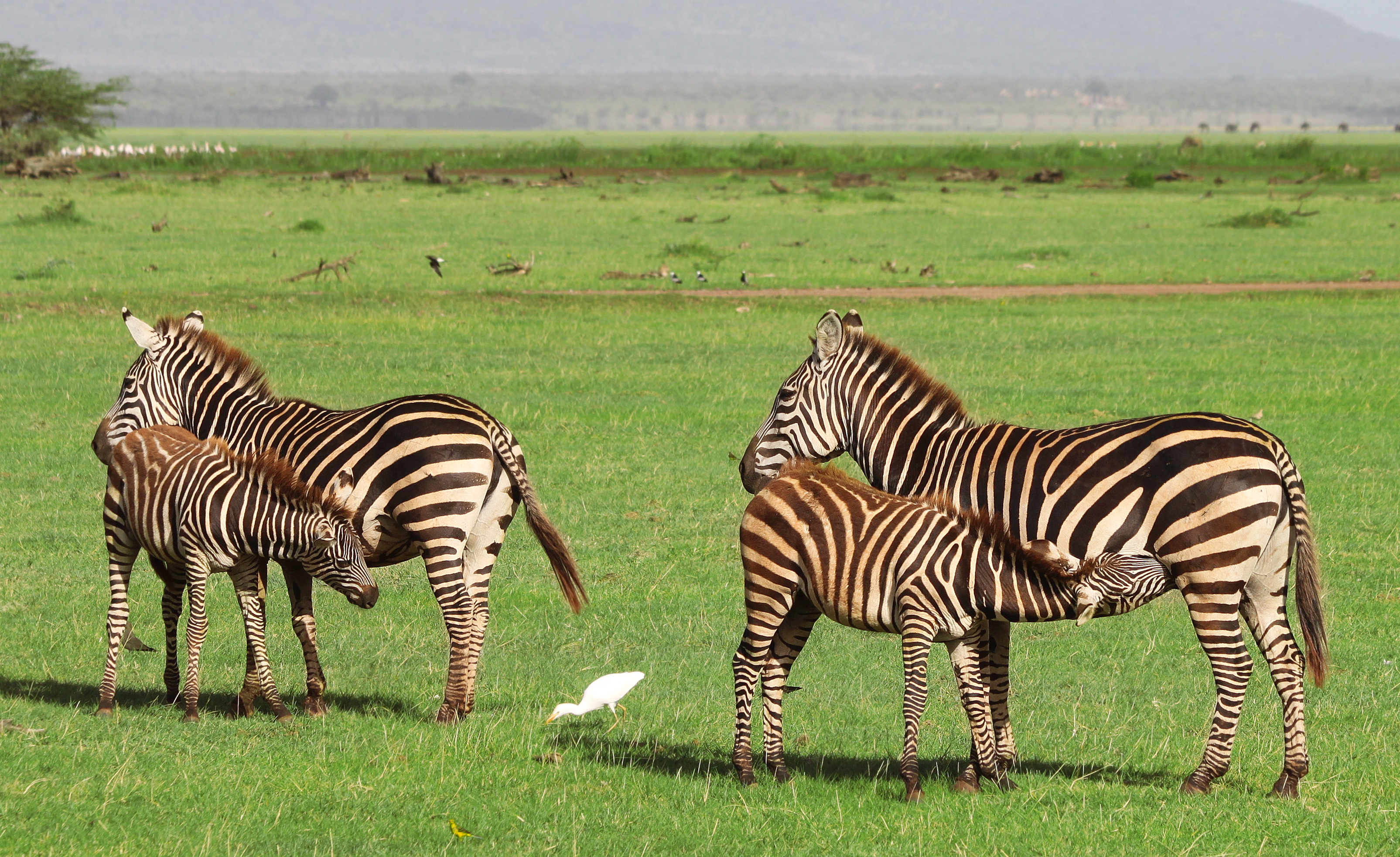
The wildlife is broadly similar, since the same ecosystem spans the border. The Serengeti in Tanzania and the Masai Mara in Kenya are two halves of the same landscape, and the wildebeest and zebra move between them through the year. The herds are in Tanzania for much of the year, including the calving season in the south from around January to March, and they typically cross into Kenya's Masai Mara in the later part of the dry season, around July to October, before heading back. The famous river crossings occur on both sides, depending on the year.
Beyond the migration, both countries have lions, leopards, cheetahs, elephants, buffalo, giraffes and the wide range of plains game. Tanzania has Ngorongoro Crater, which is outstanding for density of wildlife, and the southern parks such as Ruaha for wilderness. Kenya has Amboseli for large elephant herds, Samburu in the north for species such as Grevy's zebra and reticulated giraffe and conservancies around the Mara and Laikipia with excellent predator viewing and a range of activities. For raw variety, they are about even.
Crowds and the feel of the place
Tanzania's parks are generally larger and the visitor density lower, which is part of its appeal, though the central Serengeti, the crater and the main river crossings can be busy in peak season. Kenya's Masai Mara reserve itself is smaller and can be crowded at popular sightings, especially in the migration season, which is why many visitors choose the private conservancies around it, where vehicle numbers are limited and the experience is more exclusive. The honest summary is that both can be crowded in the wrong place, and both can be quiet in the right one.
A good guide and sensible planning matter more than the country. In either, early starts, flexible timing and a willingness to leave a busy sighting improve the experience, and choosing a quieter area or a conservancy helps a great deal. If crowds are your main concern, ask any operator, including us, where they would send you at your dates and why, and be wary of any who promise that one country is always quiet.
More comparisons: Serengeti vs Masai Mara, Kenya and Tanzania safari, South Africa vs Tanzania and which Tanzania safari is best. See our private Tanzania safari options.
Getting there and travel time
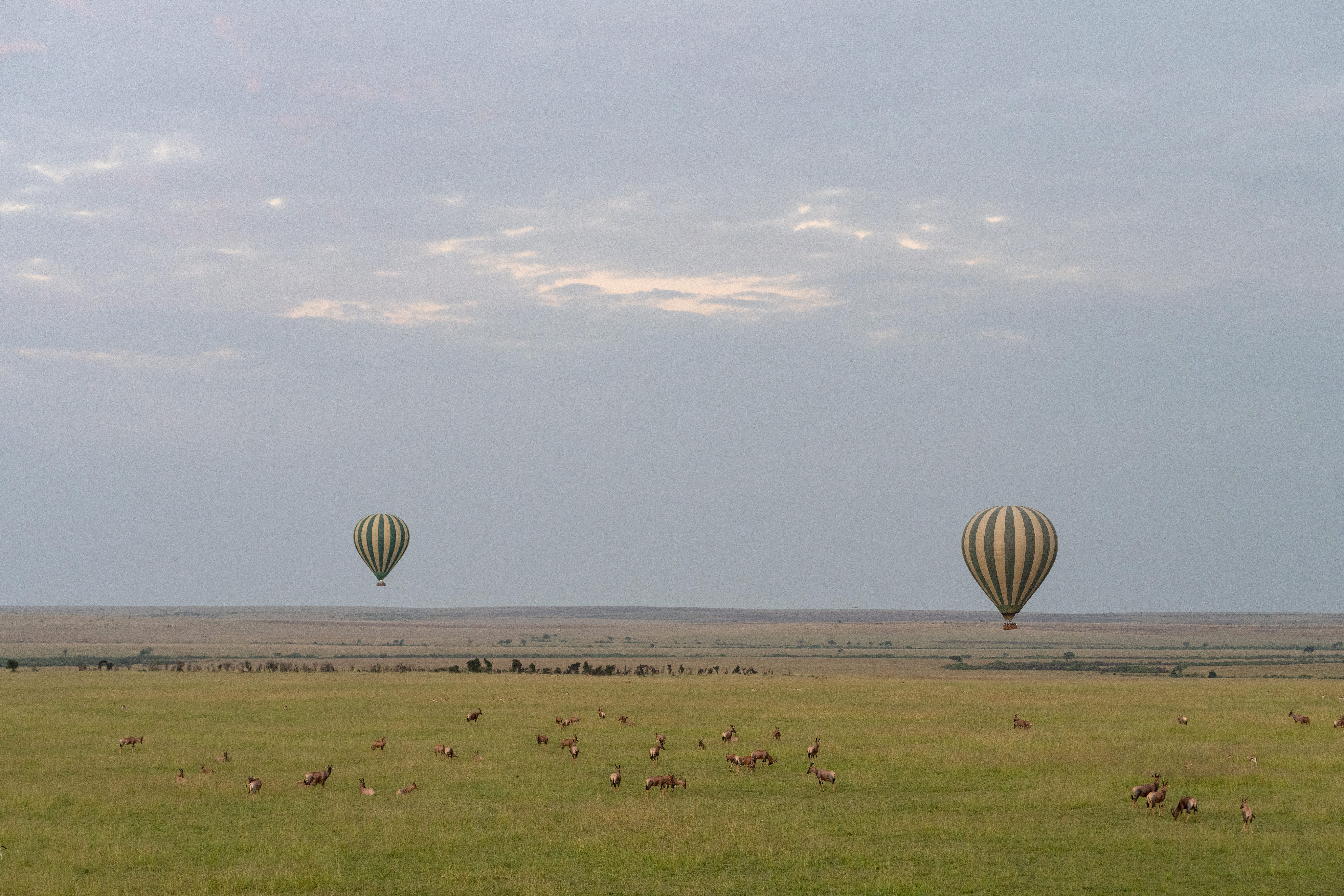
Kenya has the advantage on access. Nairobi is a major international hub, and the Masai Mara is a short flight or a long road drive away, so a short trip of four or five days is practical. Amboseli and the other parks are reachable in a few hours from Nairobi. Tanzania's northern circuit is reached through Kilimanjaro International Airport near Arusha, which has fewer international connections, though they are good, and the main parks are a few hours' drive or a short bush flight away. A week suits Tanzania better than a long weekend.
Both countries have domestic flights to many parks, and both have long road transfers that are best avoided by flying if time is short. If you are combining them, you can cross by road at Namanga or fly between the countries, and some itineraries include the Masai Mara and the Serengeti. Our guide on which airport to use explains the Tanzanian gateways. If you want the quickest and simplest route to a classic safari from a long-haul flight, Nairobi and the Mara is hard to beat; if you want space and variety, Tanzania offers more.
Variety of activities
Kenya's private conservancies allow activities that national parks do not, such as night drives, walking safaris, off-road driving to follow animals and horse riding or cycling in some areas. Laikipia and Samburu offer an even wider range, including camel-supported walks and visits to community projects. Tanzania's parks are more regulated, though some private concessions and areas outside the parks allow walks and night drives, and the southern parks such as Ruaha and Nyerere offer walking and boat safaris. Tanzania adds Zanzibar and Kilimanjaro, which Kenya cannot match.
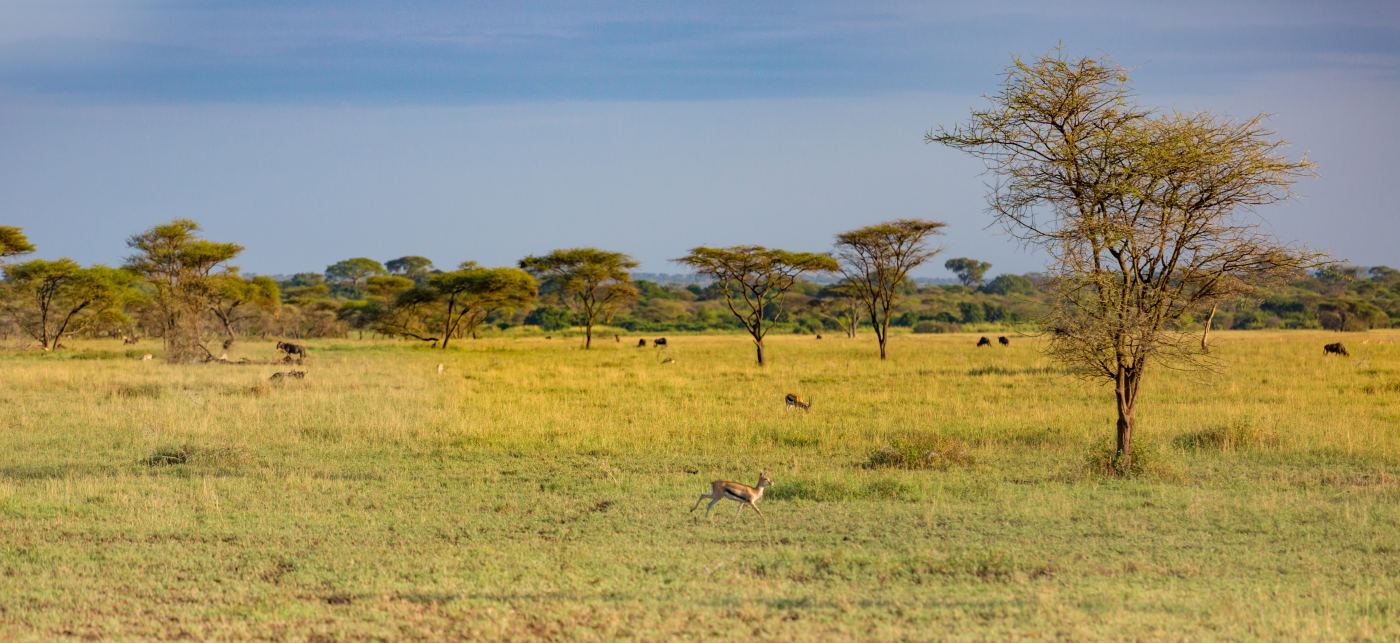
If your priority is a wide range of activities in a safari, Kenya's conservancies are excellent, and if your priority is a beach or a mountain, Tanzania is the better choice. If you want a classic game-drive safari in large, wild landscapes, either works. Think about how you like to spend your days, and match the country to that. We would rather you chose the place that suits you than the one we happen to operate in.
Cost
It is not possible to say that one country is simply cheaper, because it depends on where you stay, how you travel and which parks you visit. Both countries charge significant park and conservancy fees, which are set by the authorities and change from time to time, and accommodation ranges from simple camps to ultra-luxury lodges in both. Kenya's private conservancies can carry high fees, and Tanzania's northern circuit has high park and crater fees. Our cost guides explain the elements, and the best approach is to ask for quotes for the same length and standard in each country and compare like with like.
Flights and transfers are part of the picture. A short Kenya safari may save on internal travel, while a longer Tanzanian itinerary may involve more road or air transfers. Visa and entry costs also differ, and Tanzania has introduced a mandatory inbound travel insurance policy for foreign visitors from October 2026, which adds a modest cost, as we explain in a separate guide. Add up everything, including international flights and extras, before you decide.
Entry requirements and current conditions
Rules change, so check the current requirements for both countries before you decide. Tanzania requires a visa for most visitors and, from 1 October 2026, a government inbound travel insurance policy for foreign visitors, with details in our guide. Kenya has an electronic travel authorisation system for most visitors, which you should check on the official site. Both countries have different health requirements, such as yellow fever rules for travellers arriving from certain countries, and both are in malaria areas.
Conditions in the region also change. Government travel advisories differ for each country and for different areas, and there is a large Ebola outbreak in the eastern Democratic Republic of Congo, with Kenya having reported a single imported case early in October 2026 and Tanzania tightening entry screening. We cover Tanzania in our dated guides, and you should check the official advice for both countries before you book and again before you fly. A good operator in either country will tell you honestly what is happening.
Which suits which traveller
If you have about a week and want the biggest, wildest classic safari, with the Serengeti, Ngorongoro and possibly Zanzibar, Tanzania is a strong choice. If you have four or five days and want an easy, high-impact safari from Nairobi, or you want the conservancy experience and activities, Kenya is excellent. If you are travelling with children, Kenya's shorter distances and Tanzania's lodge options can both work, and the best choice is the one with the fewest long transfers. If you are a photographer, both offer superb opportunities, and a private vehicle matters more than the country.
For honeymooners, both countries have romantic camps, and Tanzania's combination with Zanzibar is a natural draw. For seniors, easier access and shorter transfers can tip the balance towards Kenya's Mara or Amboseli, or a Tanzanian itinerary built around bush flights. For repeat visitors, a combination of both countries or a less-visited area such as Ruaha, Samburu or Laikipia offers something new. Be honest about what you value most, and the answer usually becomes clear.
Combining Kenya and Tanzania
Many travellers do both, and it can be an excellent trip with a minimum of about ten days. A typical route flies into Nairobi, visits Amboseli and the Masai Mara, crosses to Tanzania by road or air and continues to the Serengeti, Ngorongoro and Tarangire, ending at Kilimanjaro or with a beach stay on Zanzibar. The migration timing can make a combination especially rewarding, with the Mara and the northern Serengeti both in play in the dry season.
The trade-offs are time, border formalities and cost, since crossing between countries adds transfers and some paperwork. Think carefully about how many camps you want to stay in, because moving every night is exhausting. A well-designed combination spends several nights in each area and uses flights where sensible. We work primarily in Tanzania, so for the Kenyan part of a combined trip we are honest about what we can arrange and where a Kenyan specialist would serve you better.
Our view
If you are asking us, as a Tanzanian operator, we will naturally say that Tanzania is wonderful, and we believe it. But the honest answer is that both countries deliver, and the better one is the one that fits your time, your tastes and your budget. If you tell us what you want, we will give you a candid recommendation, even if that is to consider Kenya for part or all of the trip, and we will tell you plainly where we think another plan would serve you better.
Weighing the two? Talk to Sokwe Africa Safaris and we will give you a candid recommendation, even if that means suggesting Kenya for part of your trip.
Frequently asked questions
Which is better for a safari, Kenya or Tanzania?
Neither is better in every way. Tanzania offers larger, wilder landscapes, Ngorongoro, Zanzibar and Kilimanjaro, while Kenya offers easier access from Nairobi, the Masai Mara and conservancies with a wider range of activities.
Is the Great Migration better in Kenya or Tanzania?
It is one ecosystem. The herds are in Tanzania's Serengeti for much of the year, including calving from January to March, and move to Kenya's Masai Mara around July to October, with river crossings on both sides depending on the year.
Is Kenya or Tanzania cheaper for a safari?
It depends on where you stay and how you travel. Both charge significant park fees and offer a range from simple to luxury. Ask for quotes for the same length and standard in each and compare like with like.
Is Kenya or Tanzania less crowded?
Tanzania's parks are generally larger and less dense, but busy spots exist in both. Kenya's private conservancies limit vehicle numbers and are quieter than the Masai Mara reserve itself.
Can I combine Kenya and Tanzania on one safari?
Yes. A typical combination takes about ten days or more, crossing by road at Namanga or flying between the countries. It adds transfers and paperwork, so choose few camps and several nights in each.
Do I need a visa for both Kenya and Tanzania?
Yes, for most visitors. Tanzania requires a visa and, from 1 October 2026, mandatory inbound insurance, and Kenya uses an electronic travel authorisation. Check the official sites for your nationality.