
Two names, one ecosystem
The Serengeti vs Masai Mara question is the one we are asked more than any other, and it deserves a straighter answer than most of the internet gives it. These are not two separate wildernesses but two halves of a single ecosystem, divided by the Kenya–Tanzania border: the wildebeest that thunder across the Mara River in August are the same animals that calve on the Serengeti's southern plains in February. Yet the safari experience on each side is genuinely different — in scale, in season, in cost and in feel — and choosing well depends on when you travel and what kind of trip you want.
We are a Tanzanian operator, based in Arusha, so you might expect us to simply wave the Serengeti flag and be done. We will not. We have planned trips on both sides, we send travellers across the border every year, and there are months and travel styles for which the Mara is honestly the better call. What follows is the comparison we give our own guests: the real numbers on size and fees, the real migration calendar, and a verdict that depends on your month rather than on our passport.
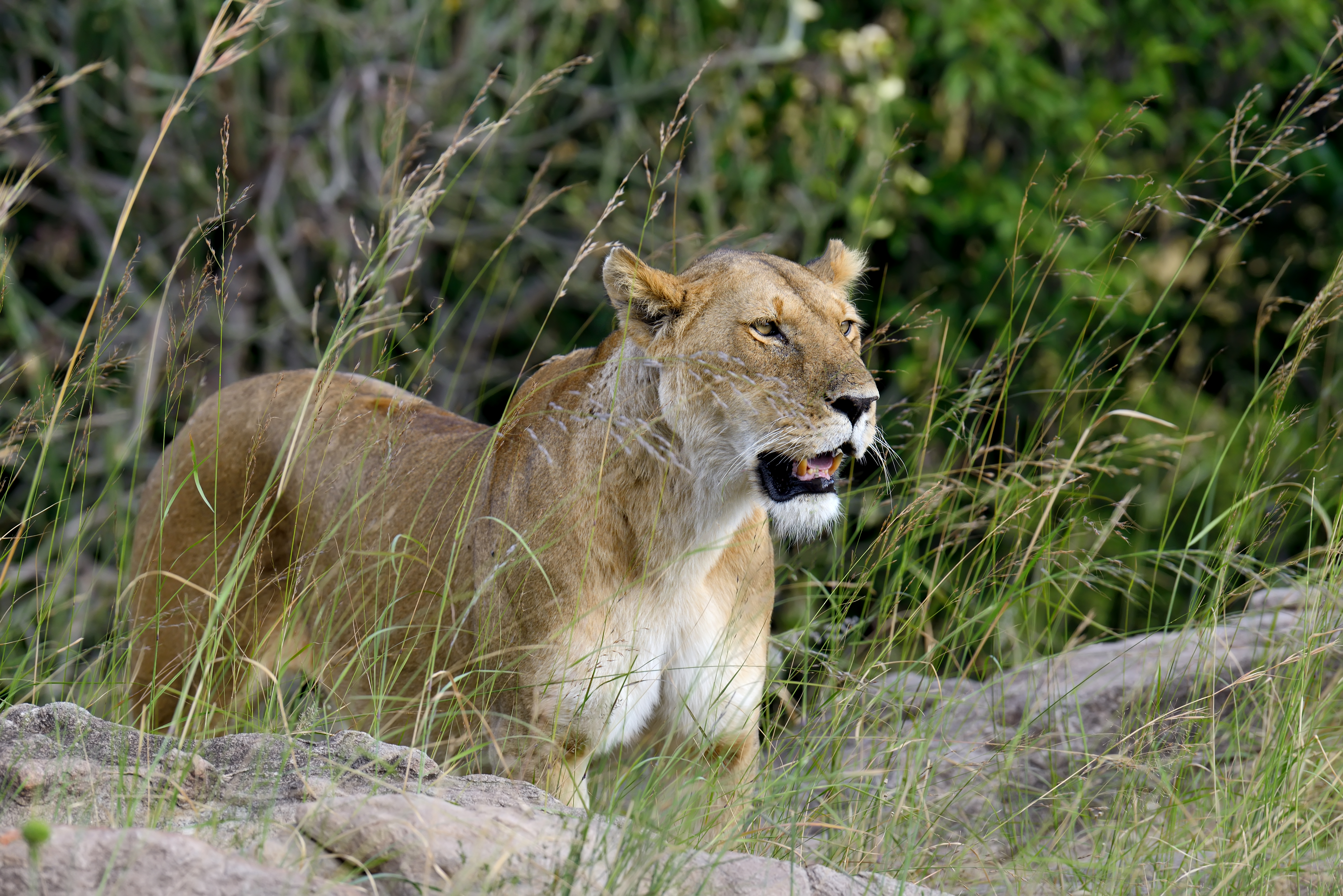
Size and space: the Serengeti's trump card
Start with the raw geography, because it shapes everything else. Serengeti National Park covers roughly 14,750 square kilometres — endless short-grass plains in the south, riverine woodland in the west, rolling hills and the Mara River in the north. The Masai Mara National Reserve is about 1,510 square kilometres, and even when you add the surrounding private conservancies, the Kenyan side of the ecosystem is only around a sixth of the Serengeti's size. The Serengeti is not slightly bigger; it is a different order of magnitude, closer to a small country than a park.
What that means on the ground is space. In the Serengeti you can drive for an hour between sightings and see no other vehicle, choose between distinct regions — Ndutu, Seronera, the Western Corridor, Kogatende — that each feel like their own park, and stay in camps set genuinely alone in the landscape. The Mara compresses a remarkable density of wildlife into a compact area, which is thrilling, but it also compresses the vehicles. If a sense of wilderness and horizon matters to you, the Serengeti wins this category outright, and it is not close.
The migration calendar: who has the herds when
Here is the single most important fact in the whole debate: the great migration spends roughly eight to nine months of the year in Tanzania and about three in Kenya. The herds are typically in the Masai Mara from late July or August until October, sometimes lingering into early November. For the rest of the year — the dramatic calving season on the southern Serengeti plains from January to March, the long columns marching north in April and May, the Grumeti River crossings in June — the migration is a Serengeti story, and a great migration safari Tanzania itinerary can find the herds in any month.
The part many first-time planners miss is that the famous Mara River crossings are not exclusive to Kenya. The river flows through the northern Serengeti too, and from July to October the herds cross it repeatedly on the Tanzanian side, around Kogatende and the Lamai Wedge — the same heart-stopping spectacle, generally with far fewer vehicles at the riverbank. So the honest summary is this: if you travel between November and June, the Serengeti is the only sensible choice for the migration; if you travel July to October, both sides hold crossings, and the decision comes down to crowds, cost and style.
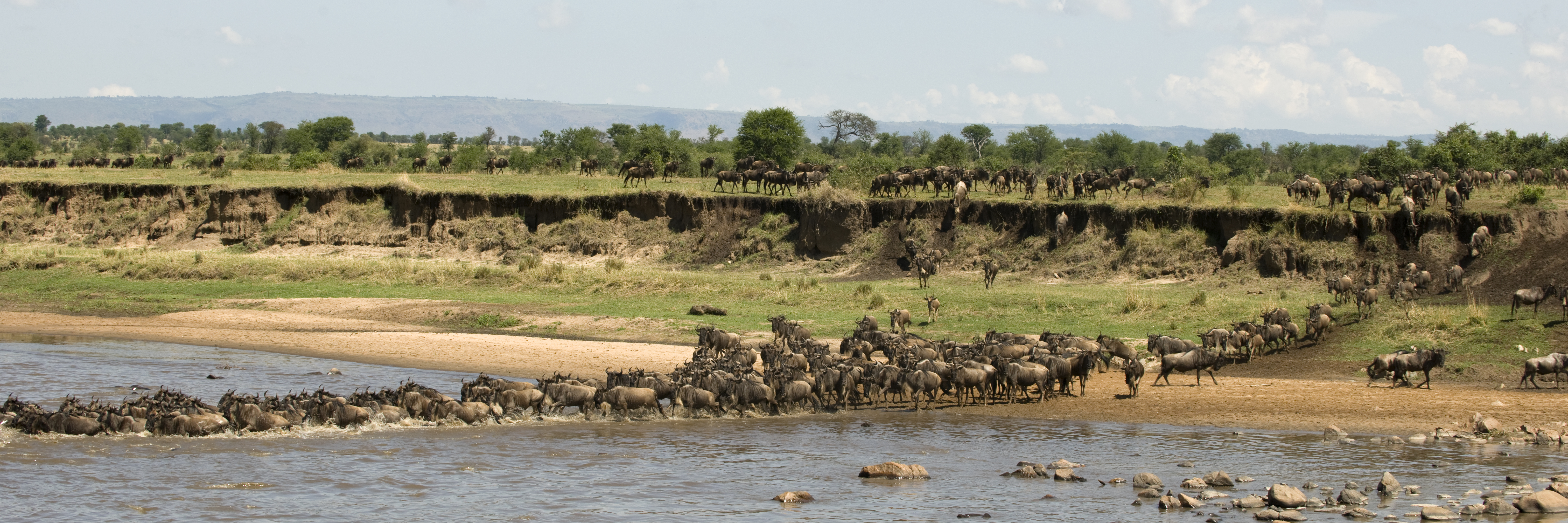
For a month-by-month breakdown of where the herds are and how the crossings actually work, our great migration guide goes deeper, but the calendar above is the honest skeleton of it. Build your trip around your month first and your park second, and you will never be on the wrong side of the river.
Crowds: compact intensity versus room to breathe
The Mara's density is both its glory and its problem. Because the reserve is small, superbly accessible and rightly famous, peak-season sightings can draw twenty or more vehicles, and a river crossing in August can feel like a grandstand event, with a long line of Land Cruisers jostling along the bank. Kenya has responded intelligently with the private conservancies bordering the reserve — Naboisho, Olare Motorogi, Mara North and others — which cap vehicle numbers, allow night drives and walking, and deliver a genuinely exclusive experience, though at a meaningful price premium.
The Serengeti has its own busy corner: Seronera, the central hub, sees plenty of traffic year-round because its resident game is so reliable. But the park's sheer size means the pressure dissolves as soon as you leave the centre. In the north at crossing time, or in Ndutu during calving season, you can watch extraordinary scenes with a handful of other vehicles, sometimes none. Our rule of thumb for guests: if you want the migration without the grandstand, the northern Serengeti in August or September is the single best-kept non-secret in East Africa.
Costs and park fees: the numbers as of 2026
Money is where the conventional wisdom has flipped in recent years. Kenya was long considered the cheaper option, but the Masai Mara National Reserve now charges non-resident adults 200 US dollars per person per day in the high season from July to December, and 100 dollars in the low season. Serengeti National Park fees are around 70 to 83 dollars per adult per day depending on season and VAT. For a family of four on a five-day safari, that difference alone runs into thousands of dollars before you have booked a single bed.
Total trip cost is more nuanced. Kenya's dense tourism industry means more budget and mid-range lodges within reach of the Mara, and shorter transfers keep logistics cheap, so an entry-level Mara package can still undercut an entry-level Serengeti one. At the quality end, however — small camps, private guiding, flying itineraries — Tanzania generally delivers more wilderness per dollar once the Mara's fees and conservancy levies are counted. Expect a well-run mid-range Serengeti safari from around 450 to 700 dollars per person per day, with luxury camps from 1,000 dollars upwards on either side of the border.
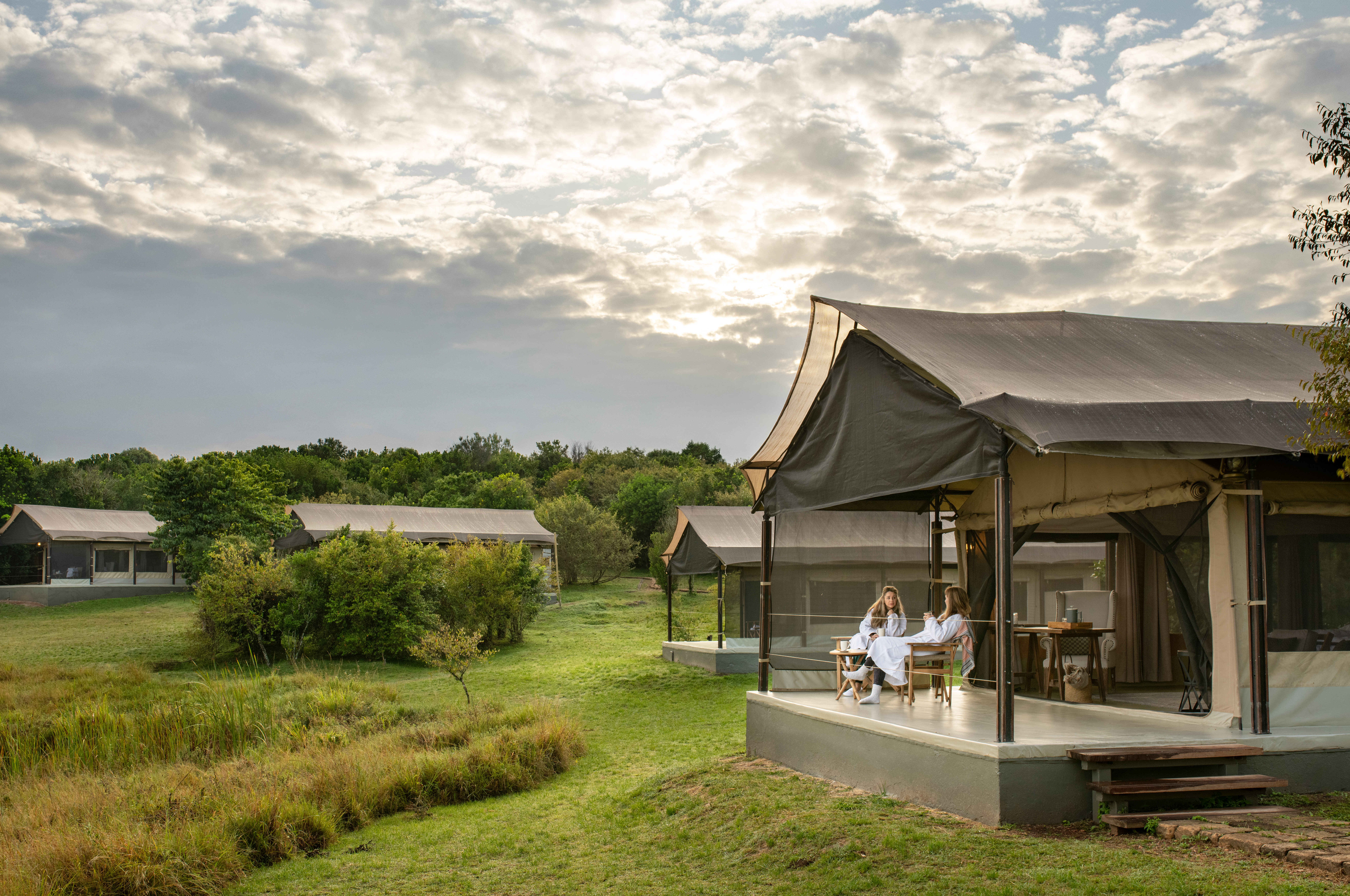
Flights and logistics: getting there
Logistics are the Mara's strongest suit. Nairobi is one of Africa's great flight hubs, served by dozens of long-haul carriers, and from Wilson Airport it is a 40-to-45-minute hop to any of a dozen airstrips in the Mara. You can land in Nairobi in the morning and be watching lions by mid-afternoon. For travellers with limited time — a three- or four-night safari bolted onto a business trip or a longer holiday — that compactness is a genuine and sometimes decisive advantage.
The Serengeti asks a little more of you. Most travellers fly into Kilimanjaro International Airport, overnight in or around Arusha, then either take a spectacular one-to-two-hour light aircraft flight to a Serengeti airstrip or drive the northern circuit through Tarangire and Ngorongoro over several days. The reward for the longer approach is everything the drive passes through: the Rift Valley escarpment, the crater highlands, Maasai country. Our advice is simple — under five nights, the Mara's logistics shine; six nights or more, the Tanzanian circuit repays the journey many times over.
The wildlife beyond the migration
Strip away the wildebeest and both sides remain world-class. The Mara is arguably the easiest place in Africa to see big cats: its open grasslands and habituated, well-studied lion prides and cheetah families deliver close, reliable sightings in a small area, which is why the film crews base themselves there. Resident game — elephant, buffalo, giraffe, topi — is excellent year-round, and the conservancies add rarities such as black rhino sightings and superb nocturnal viewing on night drives.
The Serengeti matches the cat density — Seronera has one of the highest concentrations of lion and leopard anywhere — and adds variety of habitat that the Mara simply cannot: kopjes where lions drape themselves at dawn, woodland full of elephant, and plains that stretch to a curved horizon. Crucially, the Serengeti's resident game means the park never has an off month, even when the herds are across the border. Neither side loses this category; the Mara concentrates the spectacle, the Serengeti spreads it across a canvas six times the size.
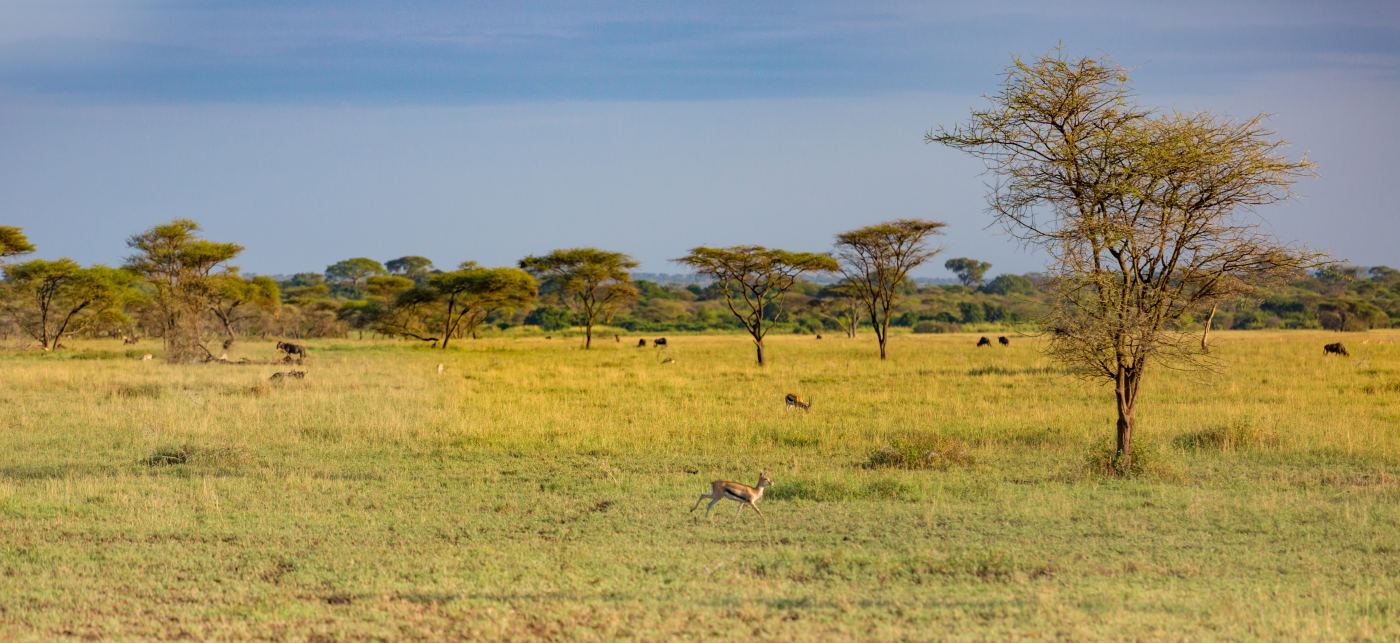
Which traveller suits which side
After years of planning trips on both sides, the pattern is consistent. Choose the Masai Mara if your dates fall between late July and October and you are short on time; if you want maximum wildlife action per day in a compact area; if easy flight connections through Nairobi matter; or if you are working to a tighter budget outside the reserve's high-fee season. Choose a conservancy rather than the reserve itself if you can stretch to it — it is the single biggest upgrade Kenya offers.
Choose the Serengeti if you travel in any month from November to June, when it is simply the only place the migration is; if space, silence and a feeling of true wilderness rank above convenience; if you want calving season drama, Grumeti crossings or quieter Mara River crossings on the Tanzanian bank; or if your safari is part of a longer Tanzanian journey taking in Ngorongoro, Tarangire and Zanzibar. Browse our safari packages and you will see that most of our Serengeti itineraries are built around exactly these seasonal windows.
The herds spend nine months of the year in Tanzania and three in Kenya — build your trip around your month first and your park second.
- Serengeti — 14,750 km², migration November to June and crossings July to October
- Masai Mara — compact intensity, herds late July to October
- Mara reserve fees 200 dollars per day in high season; Serengeti around 70 to 83
- Nairobi to the Mara in 45 minutes; Serengeti via Kilimanjaro and Arusha
- Fewer vehicles at Serengeti crossings; conservancies fix the Mara's crowds at a price
Can you combine both? Yes — and when you should
The border question has a happy answer: you do not always have to choose. A combined Kenya and Tanzania safari is one of the great East African itineraries — typically Nairobi and the Mara, then across the border at Isebania or via a Migori–Tarime flight connection into the northern Serengeti, or the classic reverse route ending in Kenya. There is no direct flight between the two parks and border formalities take a little planning, including separate visas and park fees in each country, which is precisely the kind of logistics an operator earns its keep on.
When is combining worth it? With ten nights or more in July to October, seeing crossings from both banks of the river is an extraordinary, once-in-a-lifetime structure for a trip. With less than a week, the border crossing eats too much time and money, and you are far better served going deep on one side. We wrote a full route-by-route breakdown in our Kenya and Tanzania safari guide, and the wider story of how the two parks share one ecosystem is told in our piece on the Mara Serengeti river region.
Your next step
Still weighing the Serengeti against the Mara? Start here:
- Combining Kenya and Tanzania on one safari
- The best luxury safari lodges in the Serengeti and Ngorongoro
Or tell us your dates and what you want from the trip and our Arusha team will reply with a tailored proposal, usually within 24 hours — contact Sokwe Africa Safaris.
Plan your safari: explore the Mara Serengeti ecosystem, compare routes in our Kenya and Tanzania safari guide, time the herds with the great migration guide, or browse our safari packages.
Related reading: Masai Mara safari guide: when to go, where to stay, what it costs.
If you are planning this route, read Singita Sasakwa: inside the Serengeti's most exclusive address.
Our honest verdict
So, Serengeti vs Masai Mara — which wins? The truthful answer is that the month decides it. From November through June there is no contest at all: the calving, the rut and the river-bound columns are in Tanzania, and the Serengeti is the only place to be. From late July to October the Mara holds the herds too, and it becomes a genuine choice: the Mara for compact, high-octane intensity and easy access, the Serengeti's northern reaches for the same river crossings with more space, fewer vehicles and, since the Mara's fee increases, often better value.
If we are pushed to a single answer for a single trip, we say this: the Serengeti, because it offers everything the Mara does for eight or nine months of the year plus the space that makes a safari feel like wilderness rather than theatre. But we say it with respect for the other side of the river. Travellers who choose the Mara in September with a good conservancy camp have a magnificent safari, and we will tell you so to your face. The only genuinely wrong choice is picking a park before checking the calendar.
Torn between the two? Ask us straight
This is the conversation we have with guests every week, and it takes ten minutes to get right: tell us your month, your nights and the style of trip you want, and we will tell you honestly which side of the border wins — even on the occasions when the answer is Kenya. Sokwe Africa Safaris is built on that kind of straight answer, and if the Serengeti is your match we will design the itinerary, the camps and the timing to put you exactly where the herds are. Get in touch and let us settle the Serengeti vs Masai Mara question for your dates, not in general.
Tell us your month — Sokwe Africa Safaris will tell you which side wins