
What Singita Sasakwa actually is
Ask any Arusha operator which address sits at the very top of the Tanzanian market and the answer comes back quickly: singita sasakwa serengeti. Sasakwa Lodge is the flagship of the Singita group's presence in the western Serengeti, set high on a hill inside the private Grumeti reserve rather than within the national park itself. It is built in the manner of an Edwardian manor house — stone, verandas, deep lawns, long views over the plains below — and it is deliberately unlike the canvas camps that most travellers picture when they imagine a Serengeti safari. That difference is the whole point, and it is worth understanding before you decide whether it belongs in your trip.
We should be straightforward about our position. Sokwe Africa Safaris is an independent Tanzanian operator based in Arusha; we do not own or manage Sasakwa. We book it, and the other lodges in the Grumeti reserve, when it genuinely suits the traveller in front of us, and we say so plainly when it does not. What follows is the honest version: what the property is, what the private concession around it changes about the safari itself, the conservation model that funds it, when the western Serengeti is at its best, and where the whole thing sits in a sensible itinerary.
Why a private concession changes the safari
The single most important thing to understand about singita serengeti is that the reserve is a private concession, not part of Serengeti National Park. Inside the national park, the rules are strict and sensible: vehicles stay on designated tracks, game drives end at sunset, and walking outside designated areas is not permitted. Those rules protect an ecosystem that receives an enormous number of visitors each year. On a private concession, the concession holder sets the activity rules within the terms of its agreement, and the practical result is a materially different day in the bush.
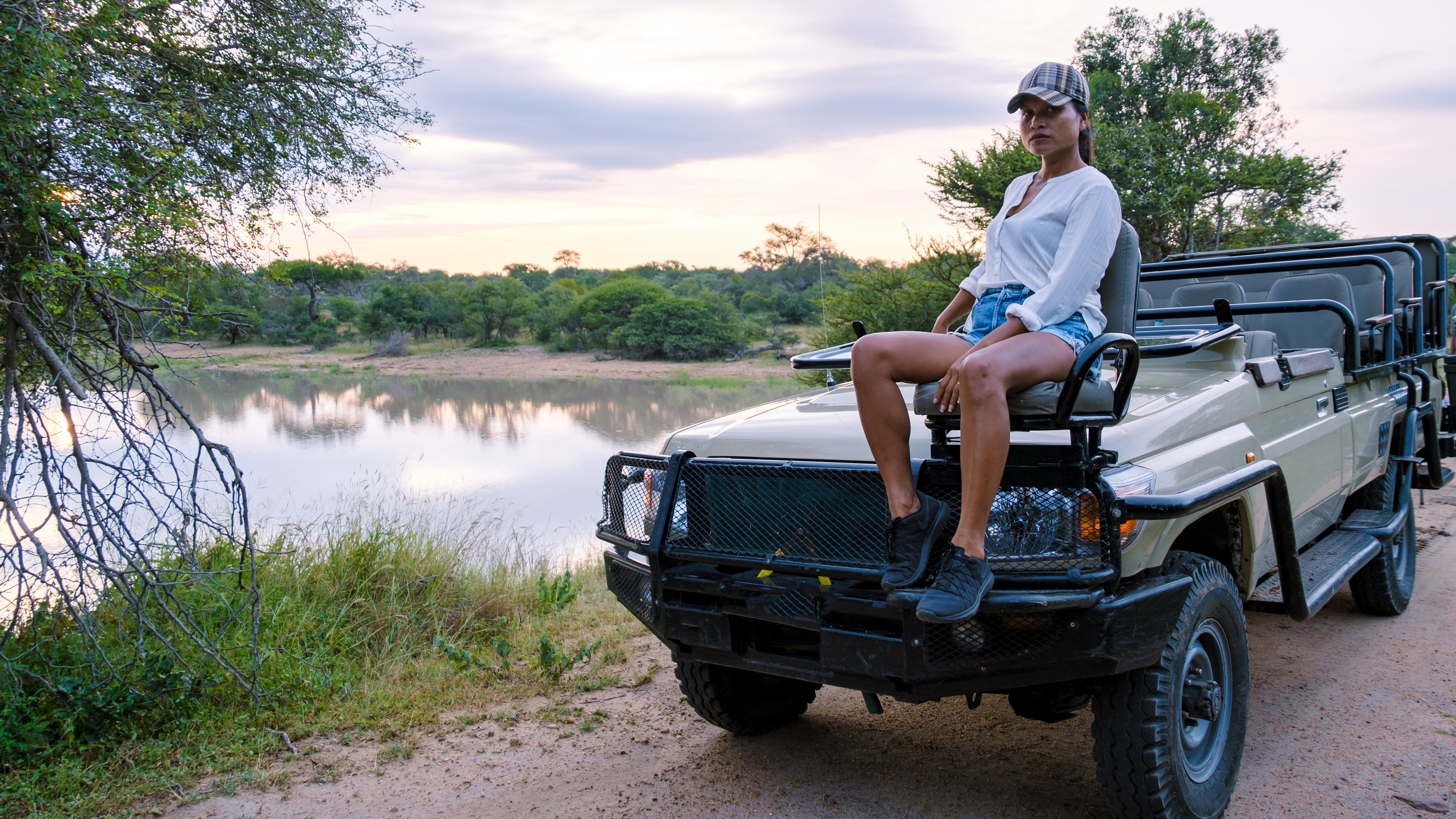
Off-road driving is the first change, and for photographers it is the big one. Rather than watching a leopard from a track two hundred metres away, a guide on a concession can, within their own guidelines, leave the track and position the vehicle for the light. Night drives are the second: a spotlit drive after dinner opens up a different cast of animals — genets, civets, bushbabies, and predators that only begin working once the heat has gone. Guided walking is the third, and it changes the scale of the place entirely, from a landscape you look at to one you stand in.
The fourth change is the quietest and, for many guests, the one they remember. Vehicle density on a private concession is controlled by the number of beds, and the Grumeti reserve is very large relative to the number of guests it takes. In practice that means sightings without a queue. Anyone who has sat behind eight vehicles at a river crossing in high season knows what that is worth. Exclusivity is an overused word in safari marketing, but on a concession it has a concrete meaning: fewer beds, fewer vehicles, and time to stay with a sighting.
The conservation model behind the Grumeti reserve
The Grumeti reserve's story is a conservation story before it is a hospitality one. This corner of the western Serengeti had been badly depleted by poaching before long-term private investment and a dedicated non-profit conservation programme took on its management, and the recovery of wildlife numbers across the concession is well documented and widely cited within the industry. Anti-poaching patrols, habitat management, veterinary work and community programmes in the villages along the reserve's boundary are all funded through the model, with guest revenue and philanthropy carrying the cost of protecting a very large piece of land.
This matters commercially as well as ethically, because it explains where the money goes. Guests at singita grumeti pay a conservation levy in addition to the nightly rate — a standard arrangement across the reserve, and one we set out clearly in a quotation rather than letting it appear as a surprise. If you want to know that a high nightly rate is doing something beyond thread count, this is one of the clearer examples in East Africa of a luxury property with a stated conservation purpose behind it.
The manor-house style, and who it suits
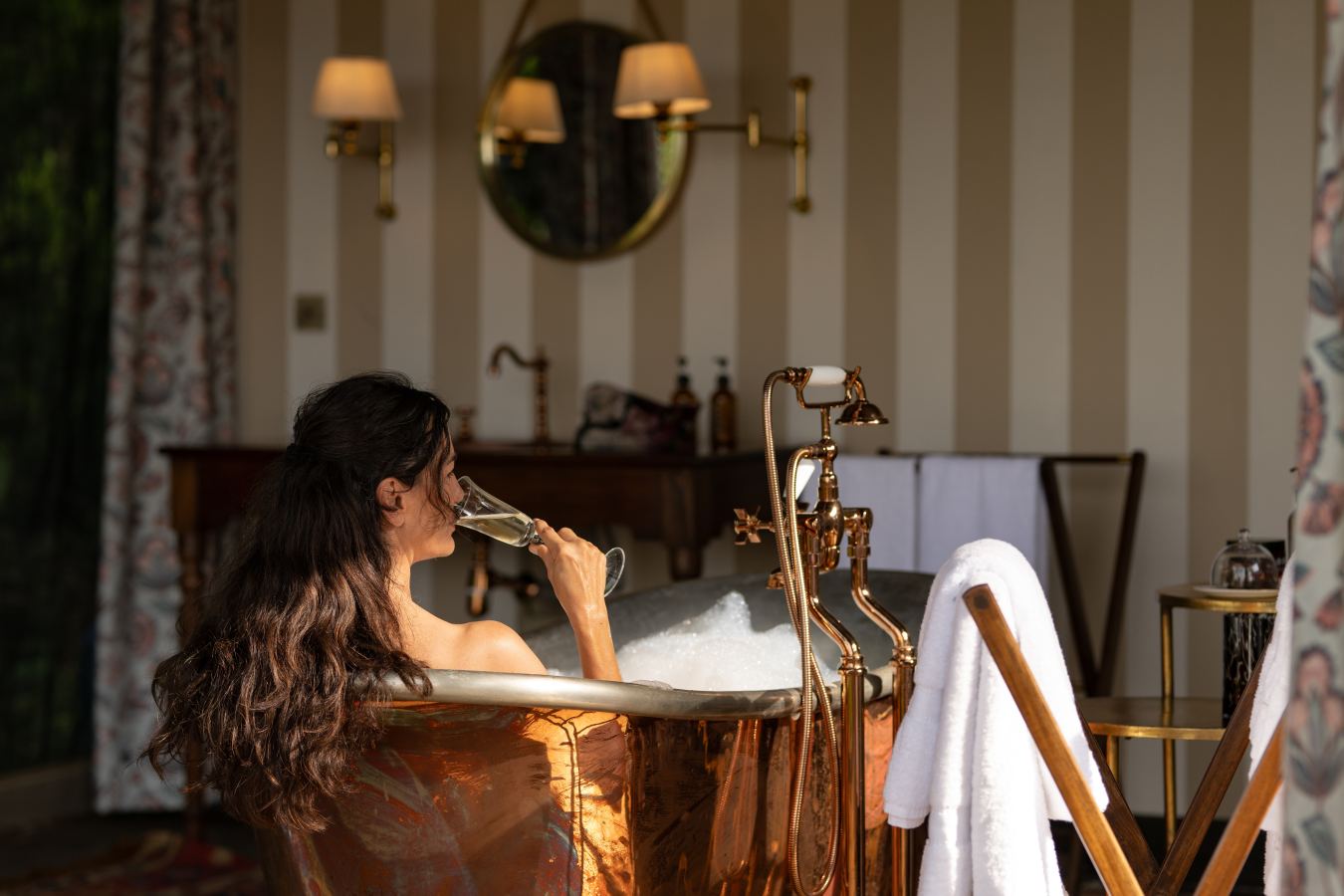
Sasakwa lodge is architecturally unusual for the Serengeti. Where most high-end properties in Tanzania are permanent tented camps built to feel light and temporary, Sasakwa is a stone-built manor in the Edwardian colonial idiom, with individual cottages arranged around the main house and a hilltop position that gives it an extraordinary outlook across the plains. Guests arrive at something closer to a country estate than a bush camp — formal dining rooms, libraries, drawing rooms, terraces and lawns — and the atmosphere is that of a grand private house in which you happen to be the guest.
That style suits particular travellers very well. Multigenerational families who want children and grandparents comfortable in the same place, guests who dislike the sounds and thin walls of canvas, travellers who want a proper base for four or five nights rather than a series of one-night stops, and anyone who wants space between the day's game drives — a swim, a long lunch, a reading afternoon — will find the format works for them. It also suits people who simply want the top of the market. There is no shame in that, and we plan a good number of trips exactly that way.
And who it doesn't suit
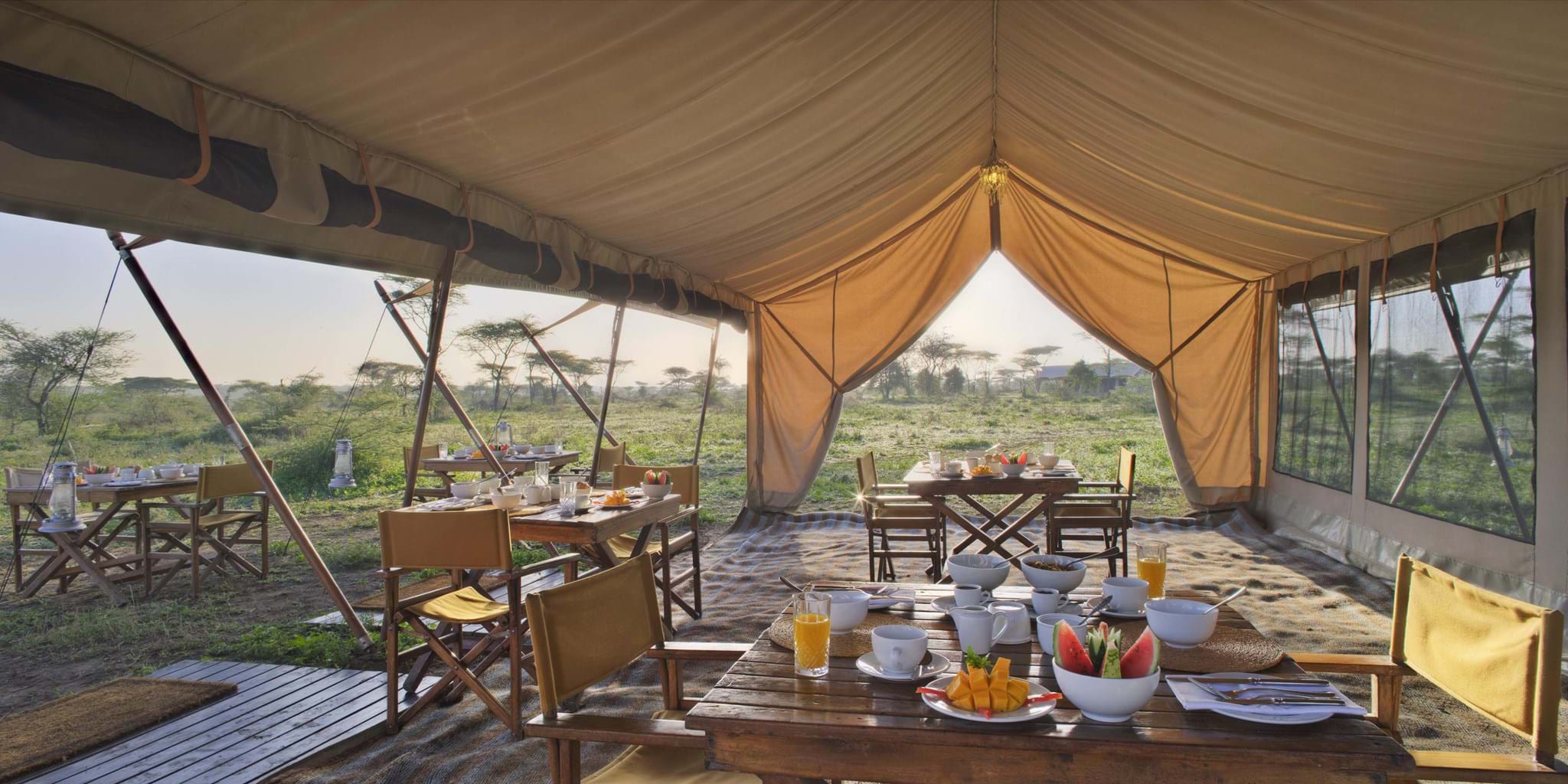
It would be dishonest to present a lodge of this kind as the right answer for everyone, because for a meaningful number of our guests it simply is not. Some travellers come to Tanzania precisely for canvas: for the sound of the guy ropes at night, for a lantern-lit path to a tent, for the sense that the camp is a temporary and slightly precarious thing pitched in a very large wilderness. A stone manor with a formal dining room, however beautifully run, is a different emotional experience, and no amount of luxury substitutes for the one you actually wanted.
There is also a purist argument worth taking seriously. Sasakwa sits on a hill and looks out over the plains, which is magnificent, but a hilltop lodge is by definition a place you drive down from and back up to. Guests who want to wake with wildebeest grazing past the tent, or to sit in the middle of the migration in season, are often better served by a mobile camp that moves with the herds. If that is your priority, we will say so and show you the alternatives rather than talking you up a price bracket.
Timing, the western corridor and the migration
The western Serengeti has its own migration calendar, and it is not the one most travellers have in their heads. The famous Mara River crossings in the far north are broadly a July-to-October event. The western corridor comes earlier: in a typical year the herds push west and north through this part of the ecosystem around late May, June and into early July, and the Grumeti river crossings — smaller, tenser, crocodile-heavy affairs rather than the mass spectacle of the Mara — belong to that window. Nature does not read calendars, and the rains shift things by weeks in either direction, but that is the working shape of it.
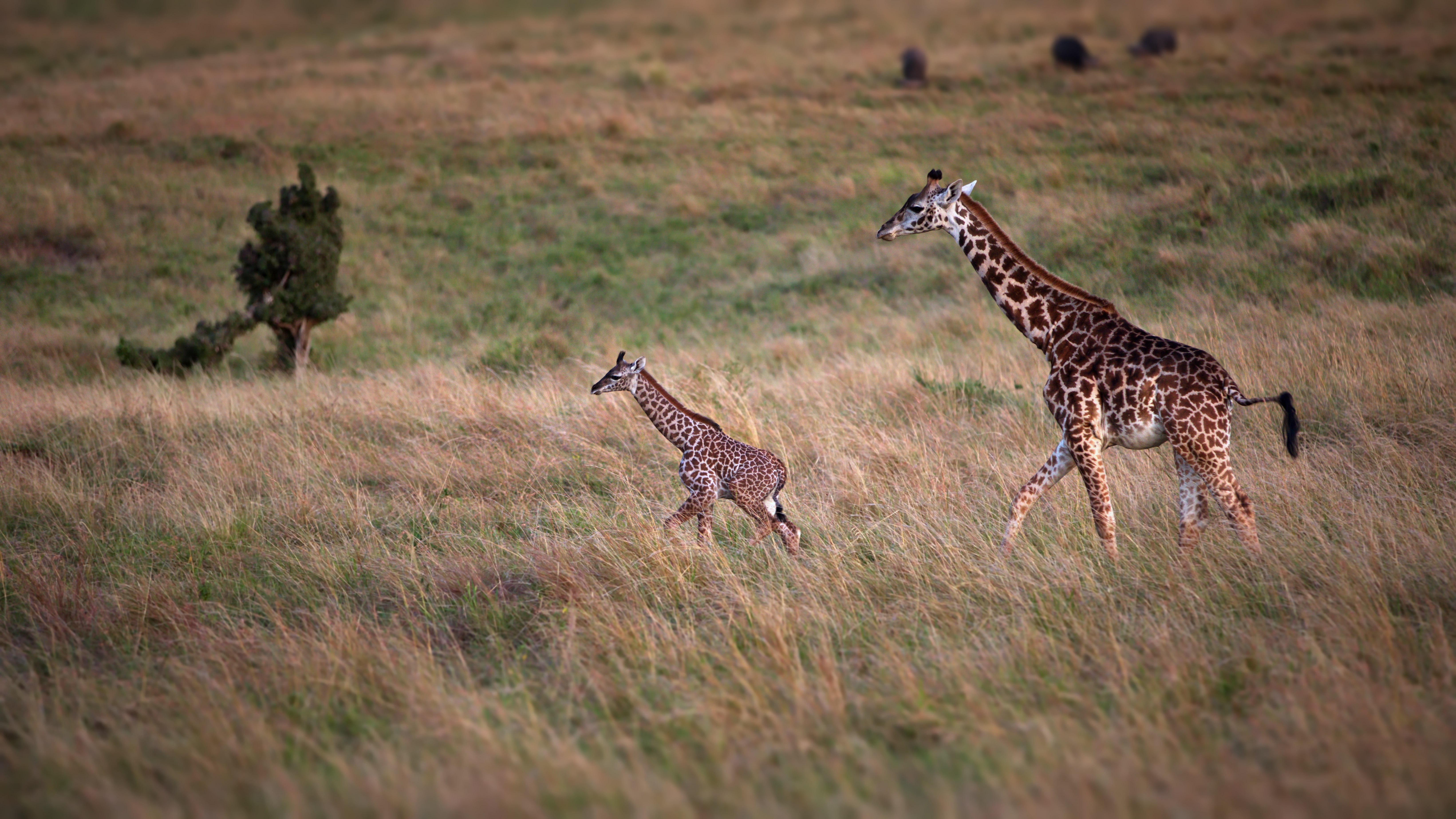
This gives the western Serengeti a genuine advantage. June is a quieter, cheaper and less contested month across the northern circuit than August, and it is precisely when this corner is at its most interesting. Outside the migration window the reserve still holds strong resident game — lion, elephant, buffalo, giraffe and good leopard country — so a stay here in, say, February or October is far from a wasted trip; it is simply a resident-game safari rather than a migration one. We would rather set that expectation honestly at the planning stage than have you arrive in the wrong month hoping for herds.
How it fits into a Serengeti route
Very few travellers should build an entire Tanzanian holiday around a single lodge, however good. The route that works best in our experience puts the western Serengeti in the middle or at the end of a northern circuit trip: two nights in Tarangire or the Ngorongoro Crater area first, then three or four nights in the Grumeti reserve, reached by light aircraft into one of the western airstrips rather than by a long transfer road. Four nights is the number we push for, because a concession's advantages — night drives, walks, off-road time — only pay off if you are there long enough to use them.
The other honest option is to split your Serengeti time between styles. Three nights in a mobile camp positioned for the herds, followed by three at a permanent lodge with a pool and a view, gives most travellers the best of both and avoids the two common regrets: too much canvas for the comfort-minded, and too much formality for the romantics. On a longer trip, the western Serengeti also pairs neatly with the northern Serengeti in the same visit, or with a Zanzibar finish. Our guide to the western Serengeti covers the region's wider geography in more detail.
What it costs, and why we quote live
We publish a great deal of pricing on this site, and we deliberately do not publish rates for third-party lodges at this level. The reason is practical rather than coy. Rates at properties of this kind move by season and are structured in tiers, availability at four or five nights in peak months is limited, and the final number depends on the shape of your itinerary — charter legs, park and concession fees, the conservation levy, vehicle arrangements and the number of guests sharing. A published headline figure would be misleading within a season, and we would rather quote you something real.
What we will tell you plainly is that this sits at the very top of the Tanzanian market and should be planned as such: book well ahead for the June window in particular, expect the conservation levy as a separate line, and budget for the light-aircraft legs that make a western Serengeti stay work properly. If the number that comes back is beyond what you had in mind, that is useful information rather than a failed enquiry, and there are excellent properties a tier below that deliver a great deal of the same experience. We will show you those too.
A private concession does not just buy you a better room — it buys you off-road driving, night drives and walking, three things the national park will never permit.
- Private concession, not national park — different activity rules
- Off-road driving, night drives and guided walking permitted
- Manor-house architecture, not canvas — a deliberate choice
- Western corridor migration is roughly late May to early July
- Conservation levy applies in addition to nightly rates
- Best used as three or four nights within a wider northern circuit
Related reading: Private safari Tanzania: why going private changes everything.
See also our guide: Four Seasons Safari Lodge Serengeti: what to know before you book.
How an independent operator books it
Sokwe books the Grumeti reserve the way we book everything else: as one component inside a complete journey we are accountable for end to end. We handle the northern circuit nights either side, the charter flights, the airstrip transfers, the park and concession fees and the guiding for the rest of your trip, and we hold the itinerary together when something moves — a delayed flight, a change of dates, a lodge that fills. Being independent also means we can tell you when a different property, or a different reserve entirely, is the better use of the same budget.
Ask us whether Sasakwa is worth it
We book the Serengeti's most exclusive camps and lodges as part of complete journeys, and the most useful conversation you can have with us is not "can you get me into Sasakwa" but "is Sasakwa the right thing for this trip". Tell us your dates, who is travelling, whether you are chasing the migration or the resident game, and how you feel about canvas versus stone, and we will come back with a live quotation, an honest recommendation and the alternatives worth considering alongside it. If the answer is that something else suits you better, we will say that too.