
Lake Manyara and Tarangire are neighbours on the northern circuit, both close to Arusha, both often squeezed into a single trip, and both frequently the victims of a hard decision when time is short. Guests ask which is better, whether Lake Manyara is worth visiting at all and what makes each special. The answer is that they are quite different, and the right choice depends on what you want from a day or two of safari. This guide gives the facts about Lake Manyara, compares it honestly with Tarangire and helps you decide.
The short answer
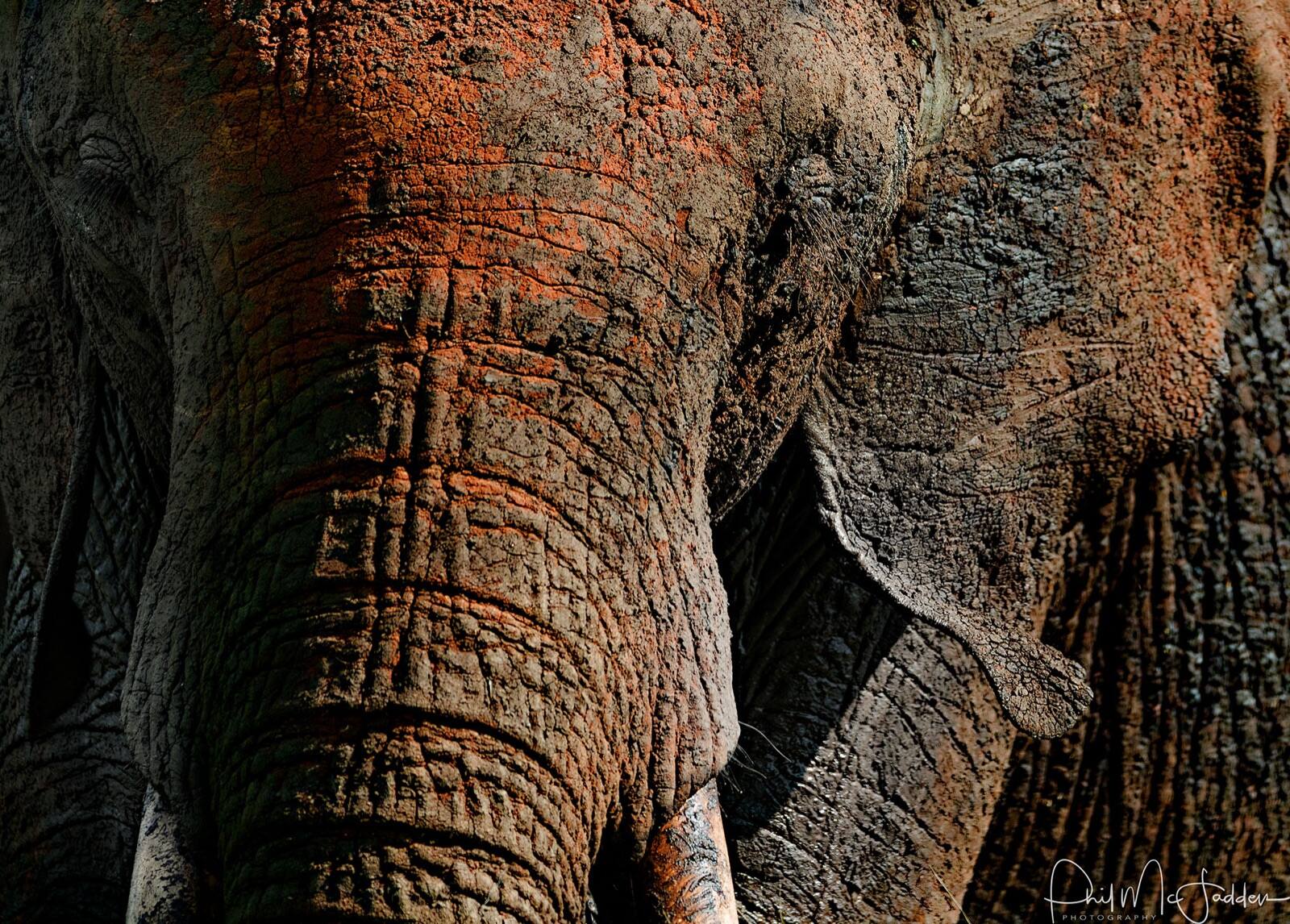
Choose Tarangire if you want elephants, big herds and baobabs, particularly between June and November, and a wide-open feel. Choose Lake Manyara if you want variety in a compact park, with forest, birds, baboons, hippos and the chance of its famous tree-climbing lions, and a shorter drive. If you have time for both, include both, since a night at each makes a good start to a northern circuit. If you have to choose one and it is the dry season, most guests prefer Tarangire; in the green season, Lake Manyara's forests and birdlife can be the more rewarding of the two.
Lake Manyara: the basics
Lake Manyara National Park lies between the Rift Valley escarpment and the shore of Lake Manyara, about 126 kilometres from Arusha, a drive of roughly an hour and a half to two hours, close to the town of Mto wa Mbu. It began as a game reserve in 1957 and became a national park in 1960. It is a compact park of a few hundred square kilometres, a large share of which is the lake itself, a shallow alkaline lake with no outlet whose size changes dramatically with the rains and which has at times dried almost completely.
The western wall of the Great Rift Valley rises steeply behind the park, so the setting is dramatic, with the escarpment forming a backdrop for much of your visit. The park is part of the Lake Manyara Biosphere Reserve, designated by UNESCO in 1981. Published figures for the park's area differ between sources, because they depend on whether the lake is included and how it is measured, so we have not quoted a single number. What matters for a visitor is that it is small, easy to navigate and varied.
What Lake Manyara is famous for
Lake Manyara is best known for three things. The first is its groundwater forest, a lush, shady woodland at the park entrance, fed by springs from the escarpment, where you can see large troops of olive baboons, blue monkeys and, in the trees, many birds. It feels very different from the open plains elsewhere. The second is its birdlife, with several hundred species recorded, including large flocks of flamingos and pelicans on the lake when conditions are right, which varies with the water level and season.
The third is its tree-climbing lions, which are often mentioned in descriptions of the park and which do sometimes rest in the branches of acacia trees. Sightings are not guaranteed and are less frequent than the legend suggests, so treat them as a bonus, not a promise. Other wildlife includes elephants, giraffes, buffalo, zebra, wildebeest, impala and hippos, which can be watched from a viewing point at the hippo pool. It is a park for variety and atmosphere more than for big concentrations of animals.
Plan with our guides: Lake Manyara safari guide, is Tarangire worth visiting, Tarangire guide, one-day safari from Arusha and how many days you need. See our private Tanzania safari options.
Tarangire: the basics
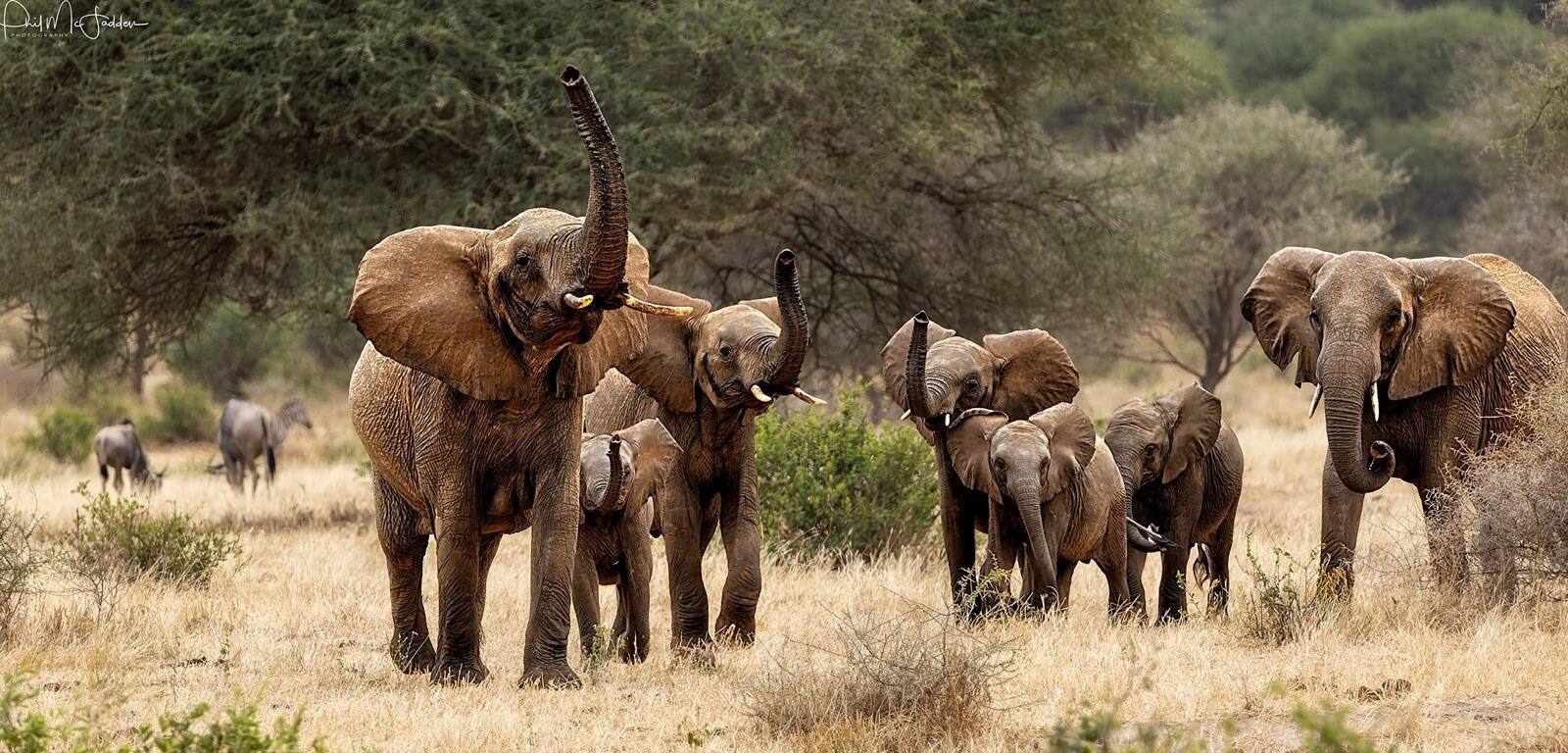
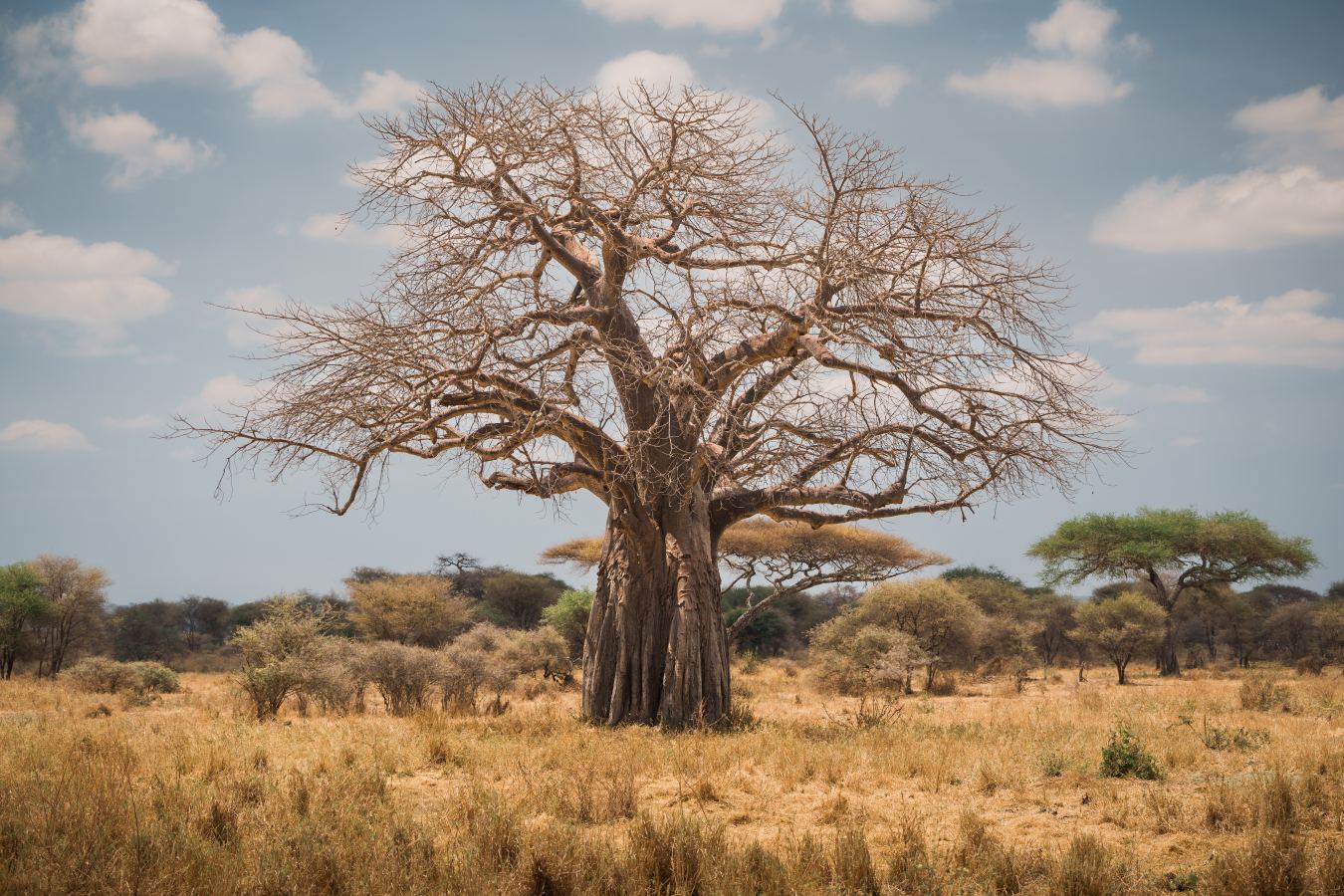
Tarangire National Park lies about two hours south of Arusha, was established in 1970 and covers roughly 2,850 square kilometres, much larger than Lake Manyara. It is built around the Tarangire River, which draws large numbers of animals in the dry season, and is known for its elephants, baobabs and varied birdlife. It is part of a larger ecosystem, and its wildlife moves in and out with the seasons, so when you go matters a great deal.
Where Lake Manyara is compact and wooded, Tarangire is open, with granite ridges, river valley, woodland and grassland. It tends to have fewer visitors and a more spacious feel, and in the dry season the concentration of elephants and other game is outstanding. Our separate guide on whether Tarangire is worth visiting sets out what to expect, and the main point here is that the two parks reward different tastes.
How they compare
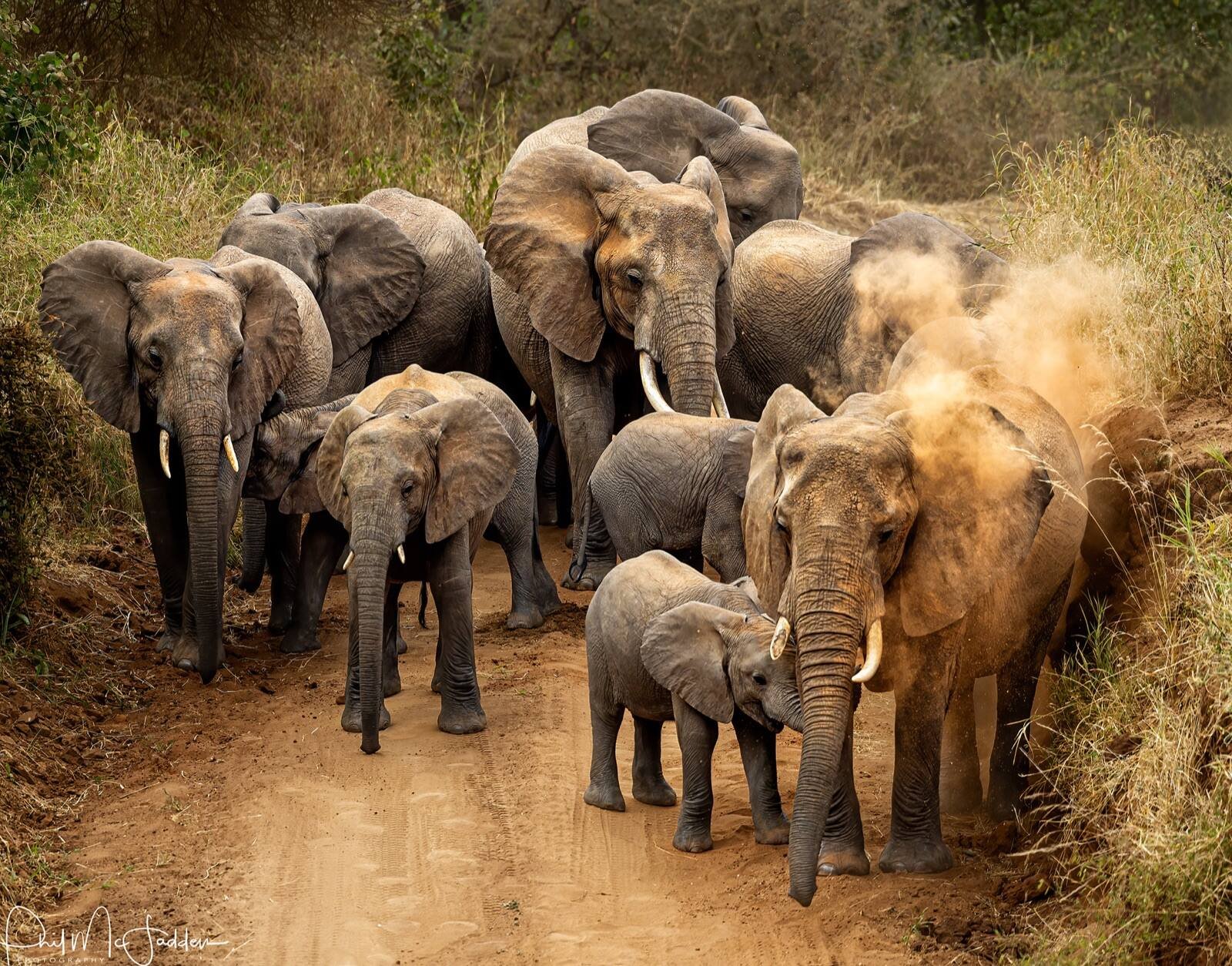
On wildlife, Tarangire wins for elephants and large herds, especially in the dry season, while Lake Manyara offers more variety in habitat and birds in a smaller area. On scenery, Manyara has the escarpment, the forest and the lake, and Tarangire has baobabs and river valley, and both are beautiful in different ways. On predators, both have lions, but neither is a guaranteed place for big cats, and Tarangire has the greater chance of seeing leopards, cheetahs and lions in its wider spaces.
On convenience, Lake Manyara is a little closer to Arusha and smaller, so you can see much of it in half a day, which makes it a good stop on the way to Ngorongoro. Tarangire is a longer drive but gives you a full day and often an overnight. On crowds, both are generally less busy than Ngorongoro and the central Serengeti, though they can fill up in the peak months. On season, Tarangire is at its best in the dry season, and Lake Manyara is more consistent through the year.
Which park suits which traveller
If you are a first-time visitor who wants a wide, classic safari with elephants and baobabs, Tarangire is probably the better choice. If you love birds, forests and a different kind of landscape, or you have limited time and want a gentler, shorter day, Lake Manyara is a lovely option. If you are travelling with children, either works, though Lake Manyara's shorter distances can be easier. If you are a photographer, Tarangire's elephants and baobabs in good light are hard to beat, while Manyara's forest and flamingos offer a different challenge.
Think too about where each fits in your route. A common northern circuit starts with Tarangire or Lake Manyara, then goes to Ngorongoro and the Serengeti, so the first park is a gentle introduction. If you are driving from Arusha to the crater, Lake Manyara is almost on the way, so a morning there costs little extra time. If you are starting from Kilimanjaro Airport, either is manageable. We are happy to design the route around your priorities.
Where to stay near each park
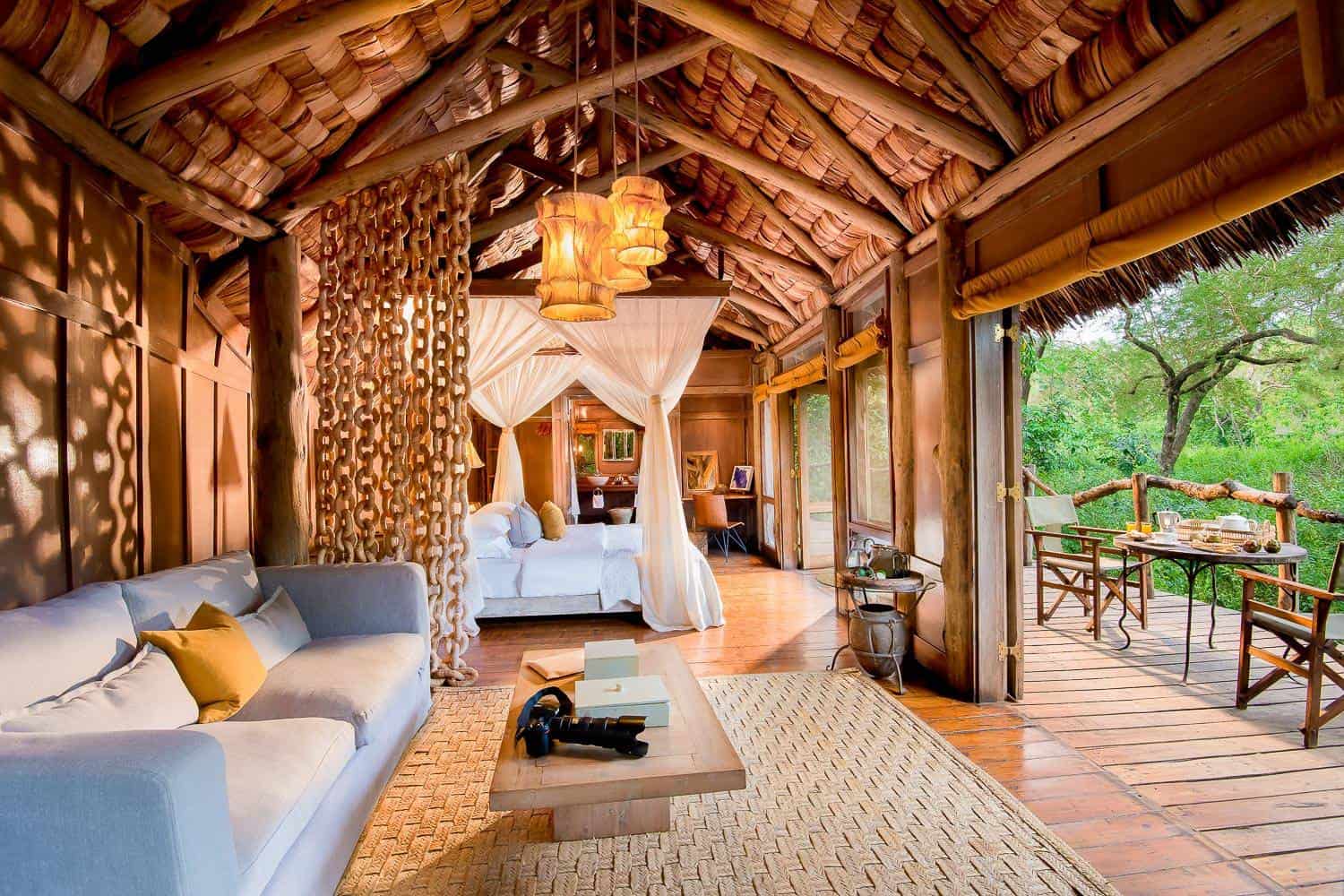
Both parks have lodges and camps inside or close to their boundaries, and the choice shapes the experience. Near Lake Manyara, many guests stay on the escarpment above the park or in the greener farmland towards the crater highlands, with views over the Rift Valley, while others stay in or near Mto wa Mbu. Near Tarangire, there are camps inside the park, where you can start early and finish late, and lodges and camps outside it in the surrounding areas, some of which offer walks or night drives that are not permitted inside the park.
A night at either park is usually enough to see it well, and many itineraries combine them with a different type of stay, such as a tented camp at Tarangire and a lodge near Manyara or Ngorongoro. Think about comfort, location and the length of the next day's drive, since early starts and long transfers are what tire people most. If you tell us your priorities, we will suggest camps that suit them, and explain the trade-offs between price, atmosphere and convenience.
Two sample plans
If you have two days before heading to Ngorongoro and the Serengeti, one plan is a night at Tarangire, with a full day of game drives, then a morning at Lake Manyara and a drive on to the crater rim for the next stage. This gives you the elephants and baobabs, the forest and birds, and keeps the driving manageable. A simpler plan, if you want fewer changes, is a single night at Tarangire and a straight drive to Ngorongoro the next day, giving you a longer rest and a calmer pace.
If you have only a day, or if one park will be a day trip from Arusha, choose according to the season and your interests. Tarangire is the better day trip in the dry season, with its animals gathered at the river, while Lake Manyara is a shorter drive and a gentler day at any time of year. In either case, an early start makes a big difference, and a private vehicle lets you stay longer at the places you enjoy most.
When to go
Tarangire is best in the dry season, from around June to November, when the river draws the animals, and quieter and greener in the rains. Lake Manyara can be visited all year, with its forest and birdlife good in the wet months, though the lake level and flamingo numbers vary, and some roads can be affected by heavy rain. If you are going in the long rains, around April and May, check conditions and plan flexibly, since some camps close.
Bring layers, since mornings can be cool, and sun protection, binoculars and a camera. Take malaria precautions, as both parks are in a risk area, and use repellent in the evening. Ask your operator about the fees for each park, because they are charged per person per day and affect the overall cost. And be realistic about what you will see, since wildlife is wild and the best experiences come with patience.
Can you do both?
Yes, and many itineraries do. A night in Tarangire followed by a morning in Lake Manyara on the way to Ngorongoro is a classic combination, and a seven or eight-day northern circuit often includes both. If you are short of time, choose one and spend the saved hours elsewhere, perhaps on an extra night in the Serengeti, which gives the largest return. We are happy to help you work out the best combination for your dates and interests.
Not sure which to choose? Talk to Sokwe Africa Safaris and we will recommend the best mix of parks for your dates and interests.
Frequently asked questions
Is Lake Manyara National Park worth visiting?
Yes, especially for variety, birdlife and forest scenery in a compact park, and as an easy stop on the way to Ngorongoro. It is less about large concentrations of animals than Tarangire in the dry season.
What is Lake Manyara National Park famous for?
Its groundwater forest, birdlife including flamingos and pelicans at times, large baboon troops, hippos and the tree-climbing lions that are sometimes seen resting in acacia trees. Lion sightings in trees are not guaranteed.
Where is Lake Manyara National Park located?
In northern Tanzania, between the Rift Valley escarpment and Lake Manyara, about 126 kilometres from Arusha, roughly an hour and a half to two hours by road, near Mto wa Mbu.
When was Lake Manyara National Park established?
It began as a game reserve in 1957 and became a national park in 1960. It was designated a UNESCO biosphere reserve in 1981.
Which is better, Lake Manyara or Tarangire?
They are different. Tarangire is better for elephants, big herds and baobabs, especially from June to November, while Lake Manyara offers forest, birds and variety in a compact park. Many itineraries include both.
Can I visit Lake Manyara and Tarangire on the same trip?
Yes. A night in Tarangire followed by a morning at Lake Manyara on the way to Ngorongoro is a classic combination on the northern circuit.