
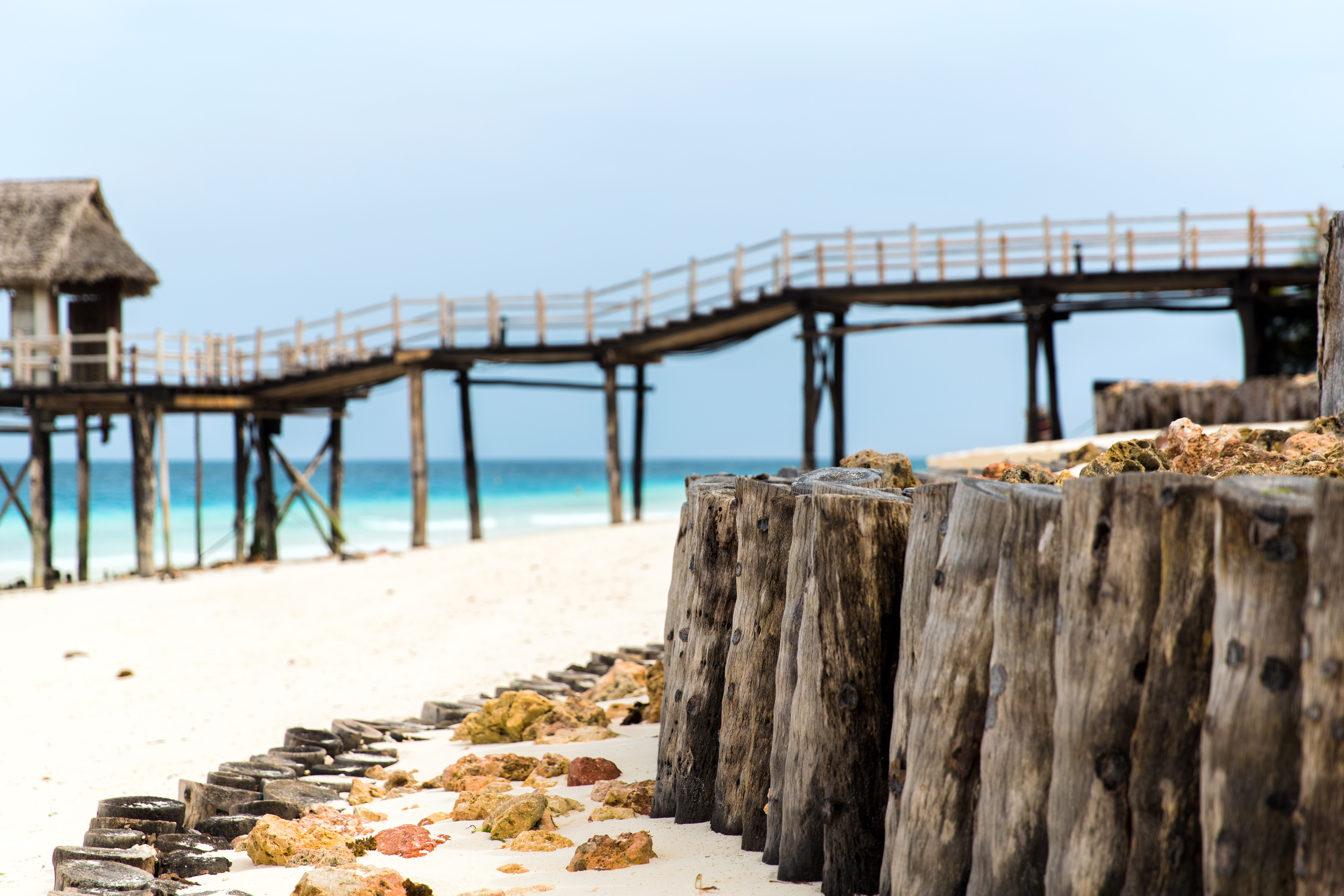
Where Moshi sits and what it is for
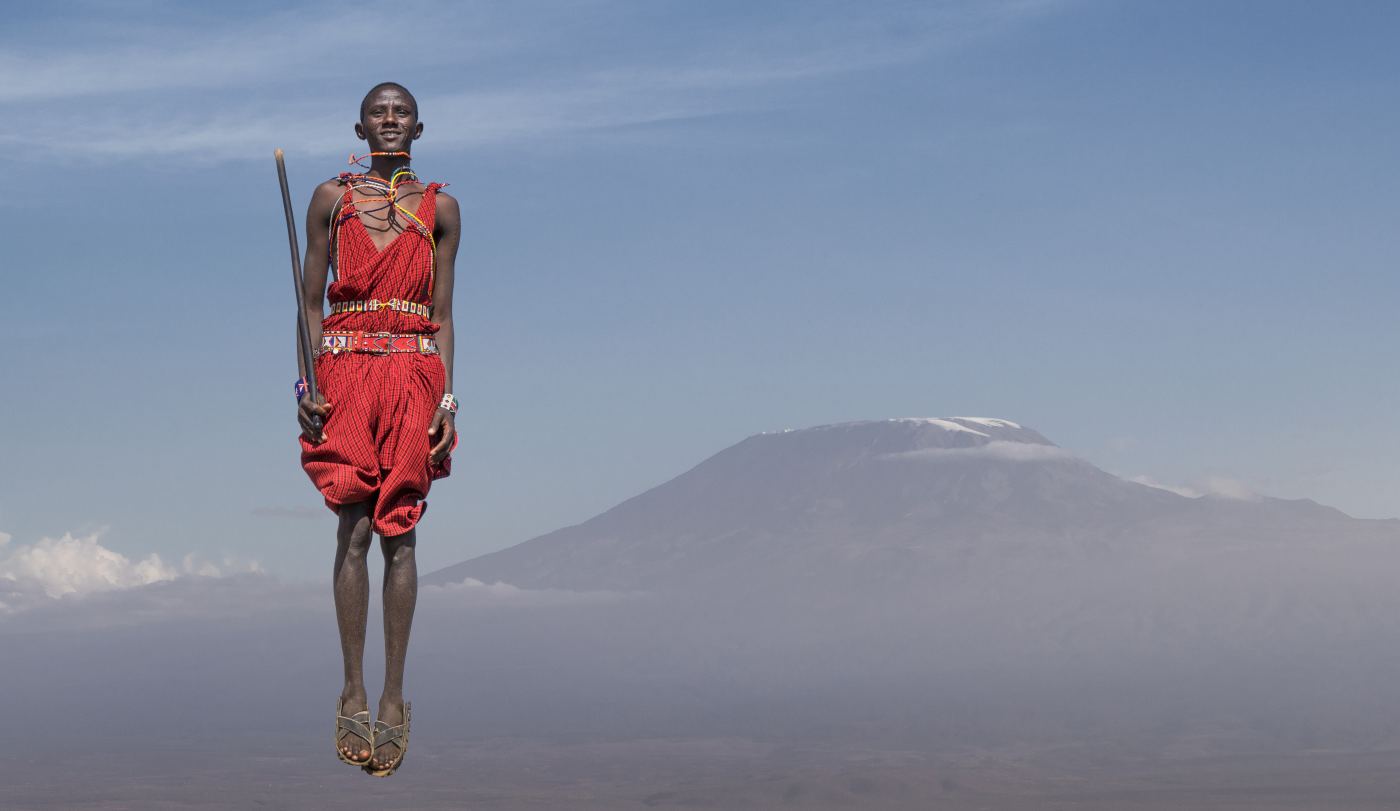
Moshi, Tanzania is a small, green town on the southern slopes of Mount Kilimanjaro, roughly 45 minutes by road from Kilimanjaro International Airport and about 80 kilometres east of Arusha. It is the traditional base for Kilimanjaro climbs, the home of the Chagga people who farm the mountain's fertile lower slopes, and the centre of Tanzania's best-known coffee country. On a clear morning the mountain fills the northern sky above the rooftops, and on a cloudy afternoon it vanishes completely — which is part of Moshi's character, and one reason visitors tend to linger a day longer than they planned.
This guide covers what Moshi town is actually like, how it compares with busier Arusha as a base, the things worth doing in and around it — coffee farms, Materuni waterfalls, Marangu village, hot springs and markets — where to stay at each budget, and how to get there. Sokwe Africa Safaris runs trips across northern Tanzania every week and Moshi comes up constantly: climbers need somewhere to prepare and recover, and safari travellers landing at JRO often want one relaxed night before the long drive west the following morning.
The character of Moshi town
Moshi is compact enough to walk. The centre is a grid of low buildings around the clock tower and the main market, with tree-lined streets, small cafés, tailors and an unhurried flow of people. At around 800 metres the air is warmer than Arusha's but the evenings stay pleasant, and the surrounding countryside is intensely green — banana, coffee and maize climbing the slopes behind the town. There is little of the hard-sell tourist pressure some visitors brace for; you can sit over a coffee for an hour and be left alone.
That relaxed quality is Moshi's real asset. The town has a genuine small-town rhythm — the market busiest early, football on the television in the evening, a long student and NGO presence that has quietly shaped its café scene. The mountain provides the drama. Moshi's Kilimanjaro views are best at dawn and in the hour before sunset, particularly from June to October and in the clear spells of January and February; through the long rains of March to May you can spend three days in town and never see the summit.
Moshi vs Arusha: choosing your base
The honest comparison matters, because most northern Tanzania trips have to pick one. Arusha is the bigger, busier, more commercial town — the safari capital, headquarters for most operators, with better hospitals, more banks, a wider spread of restaurants and lodges, and the advantage of sitting at the gateway to the northern circuit. Moshi is smaller, quieter, greener and much closer to the mountain. Neither town is an attraction in itself; both are places you use for a night or two, and the right choice depends almost entirely on what you have come to Tanzania to do.
If you are climbing, Moshi wins on nearly every count. It is closer to the Marangu, Machame and Rongai trailheads, the town is geared to trekkers, and the atmosphere before and after a climb — gear shops, kit hire, briefings, guides you will meet again on the mountain — is part of the experience. If you are going on safari, Arusha wins: Tarangire, Lake Manyara, Ngorongoro and the Serengeti all lie to the west, and starting from Moshi adds roughly an hour and a half of driving at the front of your trip and the same again at the end.
Where it becomes a genuine toss-up is the combined trip and the arrival night. Both towns are served by the same airport, and Moshi is marginally closer. If you land late and want a calm, green, easy first night before a long drive, Moshi is the pleasanter place to spend it. If you want to meet your guide, settle logistics and be pointed west at dawn, Arusha is more efficient. Our rule of thumb: climbers base in Moshi, safari-only travellers base in Arusha, and combined trips use both in whichever order the flights dictate.
Things to do in Moshi
The list of things to do in Moshi is shorter than Arusha's and better for it, because almost everything sits within an hour's drive and most of it is genuinely local rather than built for visitors. The core of it: a coffee farm tour with a Chagga family, the Materuni waterfall walk, Marangu village with its caves and falls, the Kikuletwa hot springs, the town market on a weekday morning, and the quiet lanes threading through the coffee and banana shambas on the lower slopes.
Two days covers it comfortably, three if you want one of them slow. Most visitors combine the Materuni waterfall and a coffee tour into a single outing, since they are in the same village, and keep the hot springs for a separate half day. If you have one free day and must choose, take the coffee and waterfall combination: it tells you most about how people actually live on Kilimanjaro.
- Coffee farm tour with a Chagga family — half to full day
- Materuni waterfalls — 45 minutes from town, 1 hour walk in
- Marangu village, caves and Chagga museum — gentle full day
- Kikuletwa (Chemka) hot springs — 90 minutes west, half day
- Moshi central market and clock tower — an easy morning
- Mountain views at dawn from the coffee slopes above town
Coffee farms and the Chagga people
The Chagga people have farmed Kilimanjaro's southern slopes for centuries using an ingenious home-garden system that layers coffee beneath banana beneath shade trees, watered by furrows channelled off the mountain's streams. A coffee farm tour is the usual way to see it, and the good ones are run by the families themselves rather than by an agency in town. You pick the cherries, pulp them by hand, dry them, roast over a wood fire, pound the beans in a wooden mortar to a work song, and drink the result on a bench in the garden.
It sounds like a set piece and it is, a little — but it is accurate, unhurried and rooted in a working farm, and the conversation is usually the best part. Expect to pay around 25 to 45 USD per person including lunch, generally with the waterfall walk attached. Ask for a farm in Materuni or Uru rather than the largest operator in town: smaller means more of your money stays with the family and fewer groups pass through the same garden in one morning.
Nobody comes to Tanzania for Moshi. Almost everybody who spends a day there leaves wishing they had given it two.
Materuni waterfalls, Marangu and the hot springs
Materuni waterfalls sit above the village of the same name, about 45 minutes from Moshi on a road that deteriorates gently as it climbs. The walk in takes 40 minutes to an hour each way through farmland and forest, muddy after rain, and ends at a single fall of around 70 metres dropping into a very cold pool. Wear shoes with grip, bring a swimming costume, and expect to be soaked by the spray whether you swim or not. It is the most popular half day out of Moshi.
Marangu, on the eastern side of the mountain, is the more historic option — the village at the Marangu Gate, the traditional Chagga heartland, with underground caves dug as refuges during the nineteenth-century wars, waterfalls, a small museum and a reconstructed Chagga homestead. It suits anyone who wants context rather than exercise, and doubles as a first look at the gate you may walk through later. Kikuletwa, also called Chemka, is different again: a warm, startlingly clear spring-fed pool in dry country about 90 minutes west of town.
Chemka is the one people extend. The water holds a steady, comfortable temperature, fig roots arch over the pool, and there is nothing to do but swim, eat and doze — which, the day after a Kilimanjaro descent, is precisely the right prescription. It gets busy at weekends and in the middle of the day, so go early on a weekday if you can, and note that the last stretch of road in is rough enough to want a 4x4 during the rains.
Where to stay in Moshi, by budget
Moshi's accommodation is straightforward and good value, and it divides cleanly by budget. At the budget end, 15 to 40 USD a night gets a clean guesthouse or hostel room near the town centre, usually with a garden, breakfast and a climbing-focused crowd — comfortable, and the norm for independent trekkers. In the middle, 60 to 130 USD buys a well-run small hotel or lodge with a pool, reliable hot water, a proper restaurant and, more often than not, a mountain view from somewhere on the property.
Above that, 150 to 350 USD a night opens up the coffee-plantation lodges on the slopes just outside town — old farmhouses and estate cottages in mature gardens, with the finest Kilimanjaro views in the district and a quiet the town centre cannot match. These are our usual choice for a post-climb night, when a long bath, a good dinner and a lawn to sit on are worth more than they cost. Book ahead for the July to September and January to February climbing peaks.
Getting to Moshi
Kilimanjaro International Airport sits between Moshi and Arusha, and the transfer to Moshi takes about 45 minutes on good tarmac — the shorter of the two runs, and one more reason arrival nights here are easy. A private transfer costs roughly 40 to 60 USD for the vehicle, with shared shuttles cheaper. From Arusha, buses and shuttle vans cover the 80 kilometres in 90 minutes to two hours depending on traffic through Boma la Ng'ombe, and regular coaches run on to Dar es Salaam and Nairobi.
A word on arrival timing. Most European flights land at JRO late in the evening, which means visa queues, luggage and a drive in the dark; if that is your itinerary, a Moshi bed 45 minutes away is a genuine kindness compared with the longer haul across to Arusha. Flights from Nairobi and Dar es Salaam arrive in daylight and allow more flexibility. Whichever you are on, arrange the transfer in advance rather than negotiating at the terminal at midnight — the price is much the same and it removes the friction people remember.
See also our guide: Arusha Coffee Lodge: sleeping in a working coffee plantation.
How climbers and safari travellers use Moshi differently
Climbers use Moshi as a bracket around the mountain: a night or two beforehand for the briefing, gear check and kit hire, then five to nine days on the route, then a night or two afterwards that nobody regrets booking. The town's rhythm is built around that cycle, and the day after a descent — a long sleep, the hot springs, a coffee farm at walking pace — is quietly one of the better days in Tanzania. If you are climbing Kilimanjaro, plan the recovery night before you plan anything else.
Safari travellers use the town more briefly, usually as a first or last night on either side of the drive west. That is a sensible way to use Moshi, but it is worth knowing the town is not on the way to anywhere on the northern circuit — every safari day starting in Moshi begins with the road to Arusha. If your trip is safari-only, we would generally put you in Arusha at the start and bring you back to Moshi at the end, when the pace slows and a waterfall and a coffee farm feel like the right way to finish.
Plan your time in Moshi
Moshi rewards the traveller who gives it a day rather than a night. It is the friendliest, greenest and most relaxed of northern Tanzania's towns, and the only one where the mountain is genuinely part of daily life rather than a distant view. Whether you are here to climb, to break a journey, or simply to drink very good coffee where it grows, we can arrange the stay, the airport transfers and the day trips around your trek or safari — tell us your flight times and what you want from the days in between, and we will build the rest around them.