
The most important roadside stop in Africa
Halfway along the dusty road between the Ngorongoro Crater and the Serengeti, in northern Tanzania, Olduvai Gorge cuts a ragged scar through the plains — and it is, quite simply, the most important archaeological site on Earth. This is where the Leakey family unearthed the fossils that proved humanity was born in Africa, where layer upon layer of rock reads like the opening chapters of our shared story. Most travellers arrive as a brief stop on safari and leave strangely moved: from the viewpoint you are looking at the very landscape where our earliest ancestors lived, made tools and died almost two million years ago.
We have taken hundreds of guests to the gorge over the years, and the reaction is remarkably consistent. People expect a quick leg-stretch between parks; what they get is goosebumps. There is something about standing at the rim, with the wind coming off the plains and the layered cliffs falling away below, that makes the abstract idea of human origins suddenly, physically real. This guide covers what the gorge actually is, the discoveries that made it famous, the remarkable Laetoli footprints, what a visit looks like today, and the practical business of folding it into a northern circuit safari.
What is Olduvai Gorge?
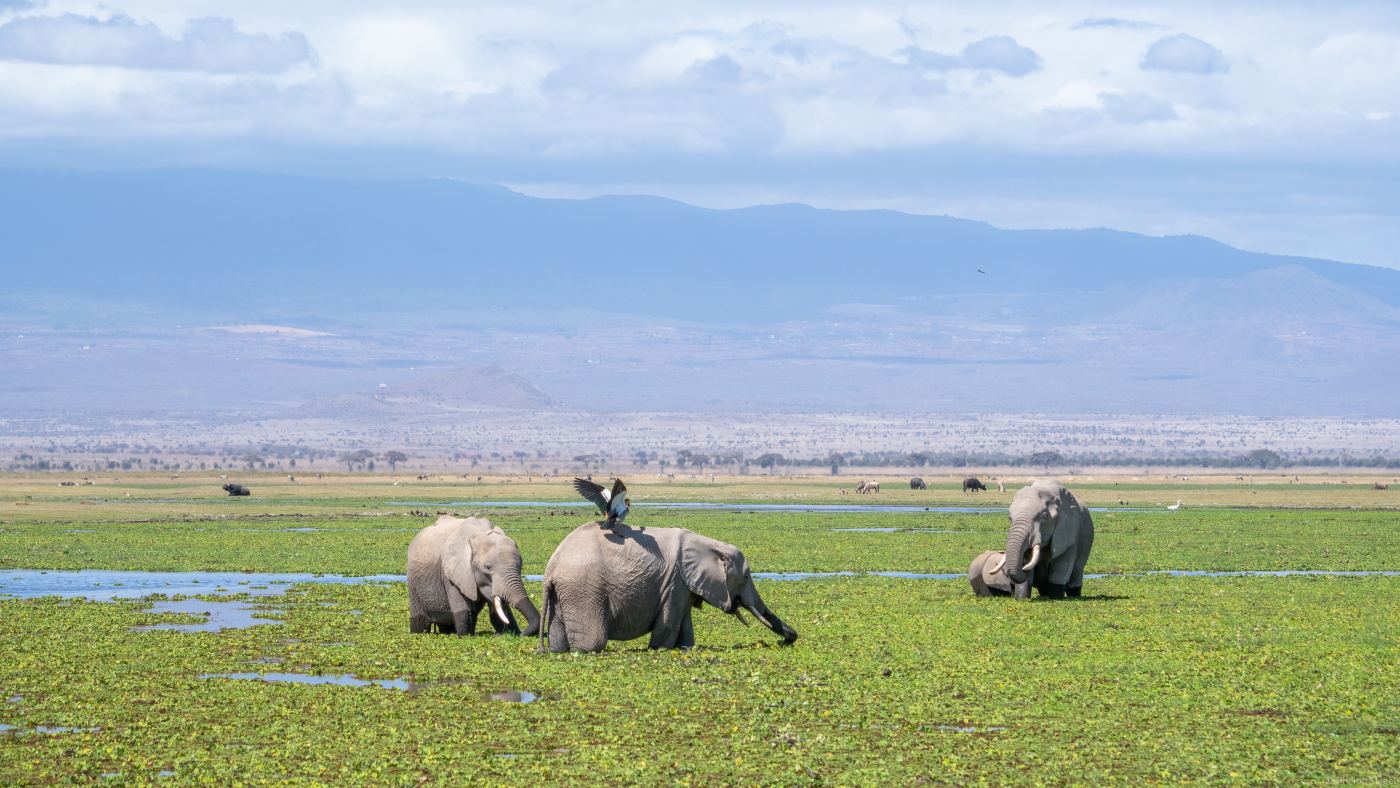
Olduvai is a steep-sided ravine roughly 48 kilometres long and up to 90 metres deep, carved by seasonal water through the eastern edge of the Serengeti plains, within the Ngorongoro Conservation Area. What makes it priceless is what the erosion revealed. Around two million years ago this was a shallow lake basin where early hominins lived along the shore; volcanic eruptions from the nearby highlands periodically buried the landscape in ash, sealing bones and stone tools in neat, datable layers. When a river later sliced down through those deposits, it exposed a near-continuous geological record spanning almost two million years.
The oldest beds at the bottom of the gorge date to about 1.9 million years, and the sequence above them runs, layer by layer, almost to the present day. Nowhere else on the planet can you read so long and so legible a record of human evolution in a single place — the tools becoming gradually finer, the species succeeding one another, the climate shifting through the ash and sediment. Archaeologists call it the Cradle of Mankind for good reason, and UNESCO lists it as part of the Ngorongoro World Heritage Site.
Oldupai, not Olduvai: getting the name right
Here is a correction your guide will enjoy making: the gorge's real name is Oldupai, not Olduvai. Oldupai is the Maasai word for the wild sisal plant, Sansevieria ehrenbergii, which grows in spiky green clumps all through the ravine and which the Maasai have long used for rope, bedding and treating wounds. Early German researchers misheard and misspelt the word, and the error stuck for a century in textbooks and atlases. Tanzania has officially restored the correct spelling — the museum on the rim is the Oldupai Museum — though the old form persists in most of the world's literature.
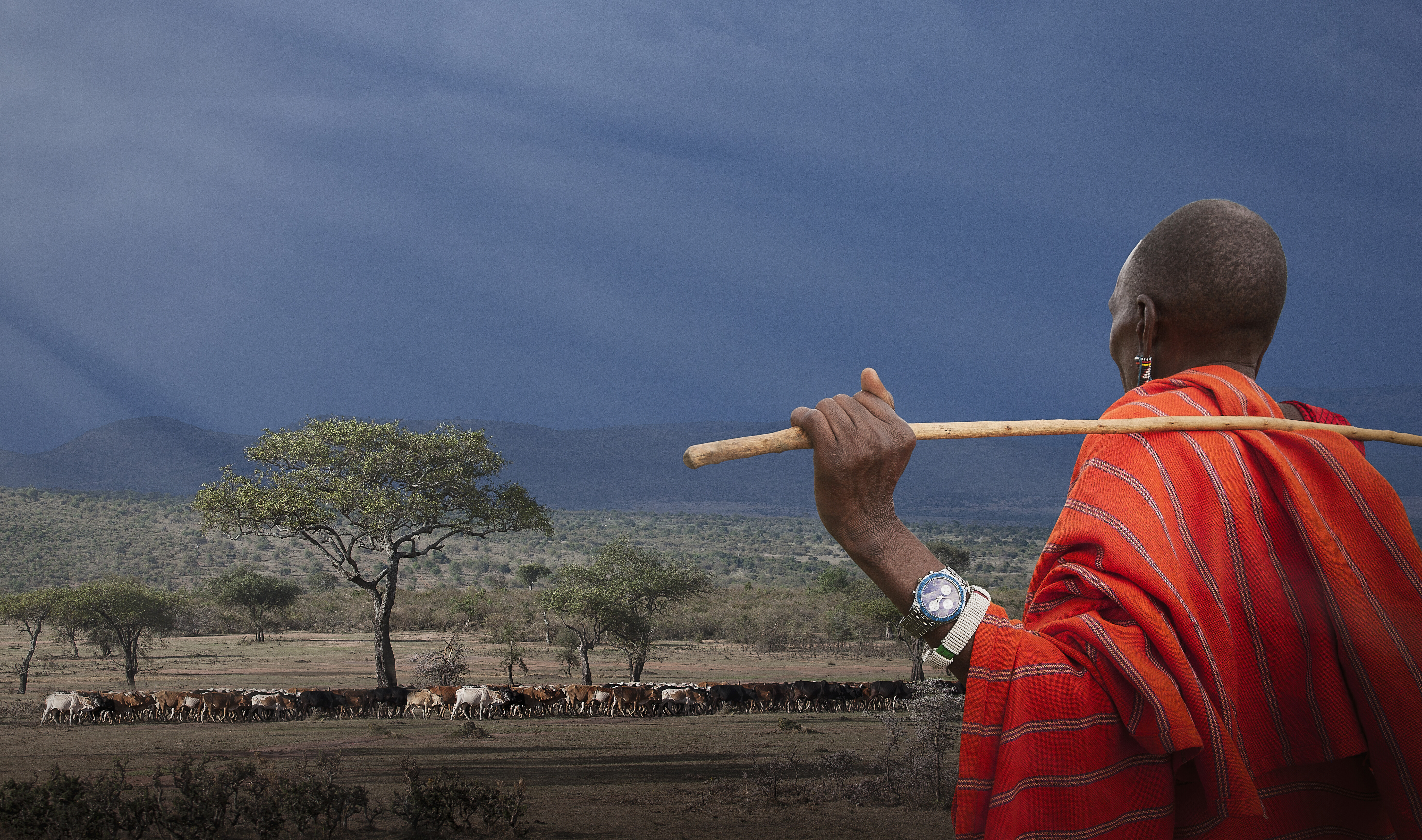
The naming story matters because it roots the site in its living culture, not just its ancient one. This is Maasai land, grazed by cattle today just as the plains were walked by hominins two million years ago, and the Ngorongoro Conservation Area around the gorge is a rare experiment in people and wildlife sharing a landscape. Guests who enjoy this human dimension often pair the gorge with a village visit or a broader cultural safari, which turns a fossil stop into a much richer story about East Africa, past and present.
The Leakeys: the family who rewrote human history
The gorge's fame rests on the Leakey family, whose persistence here ranks among the great stories of science. Louis and Mary Leakey began working Olduvai's beds in the 1930s, convinced — against the prevailing wisdom that humanity arose in Asia — that Africa was our birthplace. For nearly three decades they found stone tools in abundance but not the toolmakers, digging season after season on thin funding through heat, dust and professional scepticism. It is worth remembering, when you stand at the rim for twenty minutes, that this family gave the place the better part of their lives.
The breakthrough came on 17 July 1959, when Mary Leakey spotted teeth and skull fragments eroding from Bed I. Painstakingly reassembled, the 1.75-million-year-old skull — nicknamed Zinjanthropus, now classified as Paranthropus boisei and affectionately known as Nutcracker Man for its massive jaws — made world headlines and transformed the search for human origins overnight. Funding poured in, and Olduvai became the most famous excavation on Earth. Zinj proved Louis right: the deep human past lay in Africa, and specifically in East Africa's Rift Valley, of which the gorge is a part.
An even more significant find followed. In the early 1960s the Leakeys uncovered remains of a smaller, larger-brained creature found alongside simple stone tools, and in 1964 they announced it as Homo habilis — the handy man — then the earliest known member of our own genus at around 1.9 million years old. The claim was fiercely debated, but it reshaped the human family tree and cemented Olduvai's status. Successive generations of the family, and Tanzanian and international teams since, have kept working the beds, and discoveries continue to this day.
The Laetoli footprints: a 3.6-million-year-old walk
If the fossils impress, the footprints astonish. At Laetoli, about 45 kilometres south of the gorge, Mary Leakey's team uncovered in 1976 a trail of hominin footprints pressed into wet volcanic ash and preserved when the ash set like cement. They are around 3.6 million years old — nearly twice the age of the oldest Olduvai beds — and were left by Australopithecus afarensis, the species made famous by the Lucy skeleton. Two, possibly three, individuals walked side by side across the ash; at one point a trail suggests someone paused and turned, as you might.
The footprints proved something no bone alone could: our ancestors were walking fully upright, heel-to-toe like you and me, more than a million years before large brains evolved. Walking came first; thinking followed. The original trackway is reburied for protection, but the Oldupai Museum displays a superb cast alongside the story of the discovery, and seeing those small, unmistakably human prints — a family out walking an African plain 3.6 million years ago — is the moment that most often silences our guests entirely.
Visiting today: the museum, the viewpoint and the lecture
A visit today is short, simple and superbly worthwhile. The modern Oldupai Museum, thoroughly rebuilt in 2017, sits on the rim of the gorge and does the site justice at last: well-curated galleries of fossils, casts and stone tools, the Laetoli footprint display, the story of the Leakeys, and clear timelines that make two million years of evidence genuinely digestible. Resident guides give a short, engaging lecture — usually on a terrace overlooking the gorge itself — walking you through the beds visible in the cliffs opposite and pointing out exactly where Zinj was found.
From the shaded viewpoint you look straight into the gorge, its layered walls banded in greys and browns, each stripe a chapter of deep time, with the wild sisal that named the place growing along the slopes. Visits with a museum tour and lecture typically take 60 to 90 minutes, which is precisely why the gorge fits a safari so neatly. Those with a deeper interest can arrange to descend to active excavation areas with a site guide when conditions allow — worth requesting in advance if palaeoanthropology is your passion rather than a passing curiosity.
Right on the Ngorongoro–Serengeti road
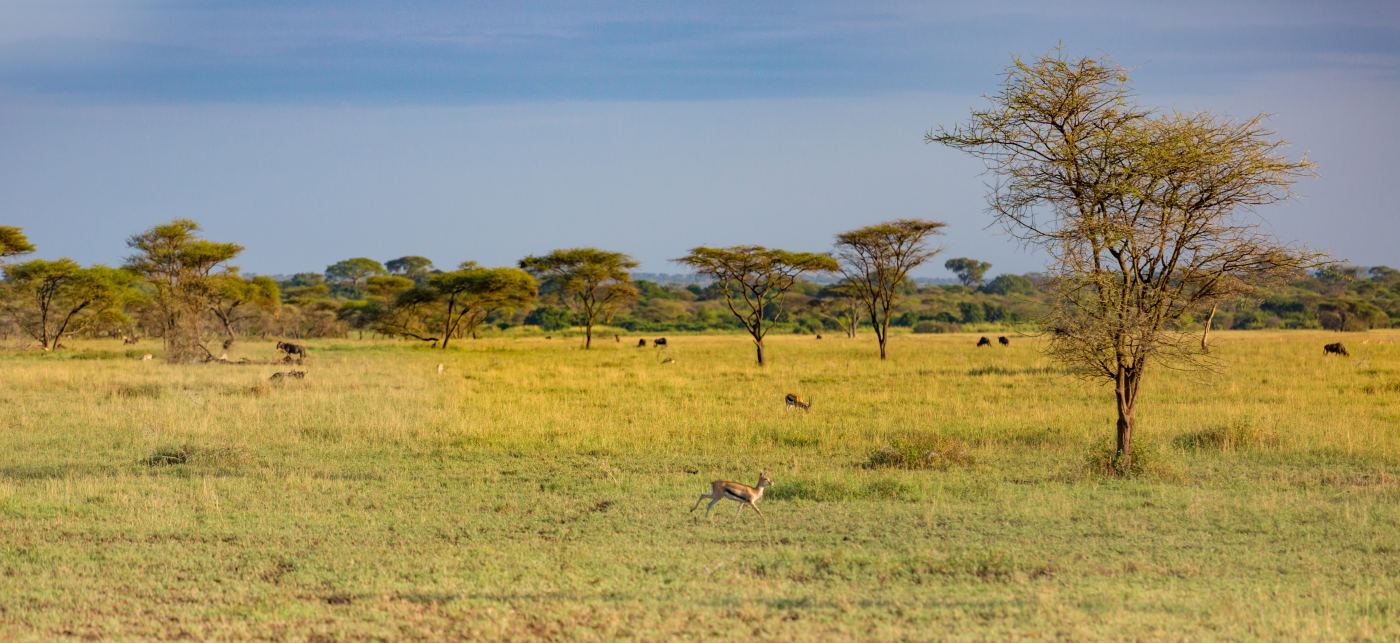
Now the practical beauty of it: Olduvai requires almost no detour. The gorge lies a few kilometres off the main road that every safari takes between the Ngorongoro Crater and the Serengeti's Naabi Hill gate, roughly two hours from the crater rim and under an hour from the park boundary. Nearly every northern circuit itinerary drives this road anyway, usually around the middle of the day when wildlife viewing is quietest — which makes the gorge the perfect 90-minute stop, breaking a long transfer with one of the great stories on Earth rather than a nondescript picnic site.
The entrance fee is modest — around 30 US dollars per person on top of the Ngorongoro Conservation Area fees you are already paying — and there are clean facilities and shaded picnic tables, so many of our guests simply take lunch there. Sokwe builds the stop into the day's rhythm: descend into the crater at dawn for the morning's game viewing, climb out for a late-morning drive across the highlands, pause at Oldupai for the lecture and lunch, then roll on to the Serengeti in time for an afternoon game drive. Nothing is lost; a great deal is gained.
Where to stay nearby: the best luxury lodges in the Serengeti and Ngorongoro.
You expect a leg-stretch between parks; you get the opening chapter of the human story, read from the very cliffs where it was found.
- The world's most important archaeological site, in the Ngorongoro Conservation Area
- Oldupai is the correct Maasai name — after the wild sisal plant
- Zinjanthropus found by Mary Leakey in 1959; Homo habilis announced in 1964
- Laetoli footprints — upright walking 3.6 million years ago
- Rebuilt museum, rim viewpoint and expert lecture, 60–90 minutes
- Sits right on the Ngorongoro–Serengeti road — a natural safari stop
How we fold Olduvai into a safari itinerary
On a classic seven-day northern circuit — Tarangire or Lake Manyara, the Ngorongoro Crater, then three or four nights in the Serengeti — the gorge slots into the transfer day between crater and plains, exactly as described above. It costs you no game-viewing time and adds a dimension no wildlife sighting can: context. Guests consistently tell us afterwards that the Serengeti felt different for having stood at Oldupai first — the plains stop being scenery and become the stage on which the whole human drama opened, which is a genuinely rare thing for a lunch stop to achieve.
Travellers with a stronger interest can go further. We can schedule the stop on the return leg as well, arrange the extended site tour towards the excavations, or add the striking shifting sands — a crescent of black volcanic dune that migrates across the plain near the gorge — and a visit to a Maasai boma the same day. In the December to March season, the road towards Ndutu puts you among the wildebeest calving herds within an hour of the museum, one of the most satisfying single days we know: humanity's origins in the morning, a hundred thousand newborn wildebeest by afternoon.
Practical tips for your visit
Timing is easy, because the gorge works year-round: it sits outside the parks proper, the museum is open daily through the day, and the stop suits any season your safari runs. The middle of the day is ideal, both for your itinerary and because the site is quietest then. Bring a hat and water — the rim is exposed and can be fiercely hot by noon — plus a camera for the layered cliffs and a few dollars if you would like to support the local Maasai craft sellers by the car park. Photography is welcome throughout the museum and viewpoint.
Manage expectations honestly: this is not a wildlife stop, and children under about eight may find the lecture long, though the footprint casts and the nutcracker-jawed skull reliably win them over. Allow 60 to 90 minutes, a little more with the shifting sands added. And take the lecture rather than wandering solo — the resident guides are excellent, the story is what makes the place, and questions are warmly encouraged. If human origins are a genuine passion, tell us when booking and we will build a half-day around the site rather than squeezing it between transfers.
Stand where mankind took its first steps
Few travel moments genuinely change how you see the world; looking into Oldupai Gorge, with the Laetoli footprints fresh in your mind, is one of them. Every Sokwe northern circuit safari can pause where mankind took its first steps — it costs little, takes ninety minutes, and stays with you for life. Tell us your dates and interests, and we will design a crater-and-Serengeti itinerary with the Cradle of Mankind woven naturally into the route — just ask, and we will make the time.
Plan your Tanzania safari with Sokwe Africa Safaris