
Why safari vacations start with who is travelling
Most safari vacations are sold by destination — Serengeti, Ngorongoro, the migration — when the more useful question is who is actually travelling. A honeymooning couple, a family with a nine-year-old, a solo traveller and a group spanning three generations all want different things from exactly the same parks, and the itinerary that delights one will quietly frustrate another. So this guide sorts safari holiday ideas by traveller type rather than by map: first-timers, honeymooners, families, solo travellers, photographers, multigenerational groups, returning travellers and the budget-conscious, each with an ideal length, the best months and an honest 2026 budget band.
We are an Arusha-based operator, so the numbers here are what we actually quote and what our guests actually report back, not brochure optimism. All ranges are per person, sharing a twin or double, and cover park fees, vehicle, guide, accommodation and meals on safari — everything except international flights, visas, tips and drinks. Where a trip type carries a cost that is easy to miss, such as a single supplement or a light-aircraft charter, we have said so. Read the section that matches your group, then the one beside it, because most real trips are a blend of two.
First-timers: the classic seven-day northern circuit
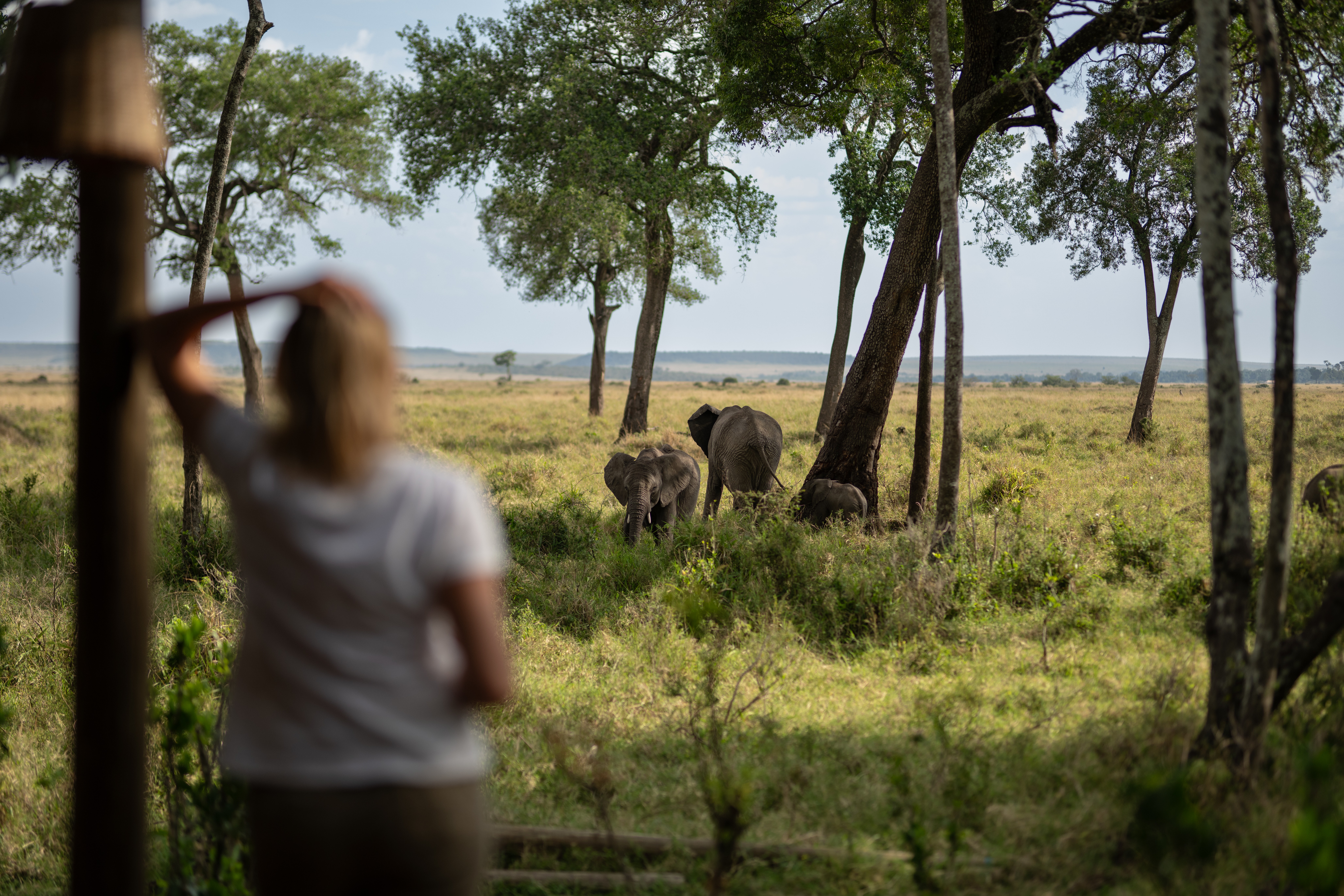
If this is your first safari vacation, resist the urge to see everything. The northern circuit — Tarangire, the Ngorongoro Crater and the Serengeti — is popular because it genuinely works: three completely different landscapes within sensible driving distance of Arusha, holding the densest concentration of big game in the country. Seven days on the ground, meaning six safari nights plus your arrival day, is the shape we recommend more than any other. Crucially, it allows three nights in the Serengeti rather than one, which is the single change that most improves a first trip.
A shape that works: land at Kilimanjaro and sleep near Arusha, then a night in Tarangire among the baobabs and elephants, a night on the crater rim with a full morning descent, and three nights in the Serengeti — ideally flying back to Arusha from an airstrip rather than repeating the long road. Best months are June to October for dry-season game viewing, or late January into February for the calving herds around Ndutu. Budget in 2026: roughly $2,900 to $4,200 per person for solid mid-range lodges, and $5,500 to $8,500 for genuine luxury camps.
The mistake we correct most often is over-packing the route. Adding Lake Manyara and Lake Eyasi to a seven-day trip sounds generous but simply converts game-viewing hours into transfer hours, and first-timers underestimate how tiring consecutive travel days are at altitude and on rough roads. Two nights minimum in each area, one long drive maximum per day, and one afternoon with nothing scheduled — those three rules improve a first safari more than any upgrade. If you have ten days rather than seven, add nights to the Serengeti before you add new parks to the list.
Honeymooners: privacy first, Zanzibar second
Honeymoon safari vacations succeed or fail on privacy, and privacy in the bush means two specific things: your own vehicle, and a camp small enough that dinner is not a canteen. A private vehicle costs more than a seat on a shared departure, but it decides your wake-up time, how long you linger with a leopard, and whether lunch happens under a tree you chose. Ask for camps of ten tents or fewer, request a tent at the quiet end of the row, and tell us it is a honeymoon at the enquiry stage rather than at check-in, when it is too late to arrange anything.
The classic shape is four or five nights on safari followed by four or five on Zanzibar — ten days in total, joined by one short flight from a Serengeti airstrip. Do the bush first: you arrive at the beach tired in the best possible way, and nobody willingly leaves a beach for a 5.30am game drive. June to October suits both halves; March and April bring heavy rain to the coast and are best avoided for the beach leg. Budget $6,000 to $9,500 per person for a strong ten-day combination, and appreciably more at the private-camp tier.

Families: which ages work and how to shorten the days
The honest answer on age is that six is about the earliest most children genuinely enjoy a safari, and eight to twelve is the sweet spot — old enough to hold binoculars and stay interested through a slow hour, young enough to find everything astonishing. Several camps set minimum ages of six or twelve for safety, and a handful accept younger children only on an exclusive-use basis, so age shapes where you can stay before it shapes anything else. Family tents and interconnecting rooms exist across every price tier, but there are few of them and they are booked first.
Design family safaris around shorter driving days: fly one leg instead of driving it, keep game drives to three hours rather than six, and choose lodges with a pool and space to run. Tarangire and the Serengeti reward children more than the crater rim, which is cold at 2,300 metres and involves an early start. The July and August school holidays and mid-December are the busiest and priciest windows; book eight to twelve months ahead for them. Budget $2,600 to $4,000 per person mid-range, with children usually 25 to 30 per cent less and reduced park fees under sixteen.
Solo travellers: group departures or a private vehicle
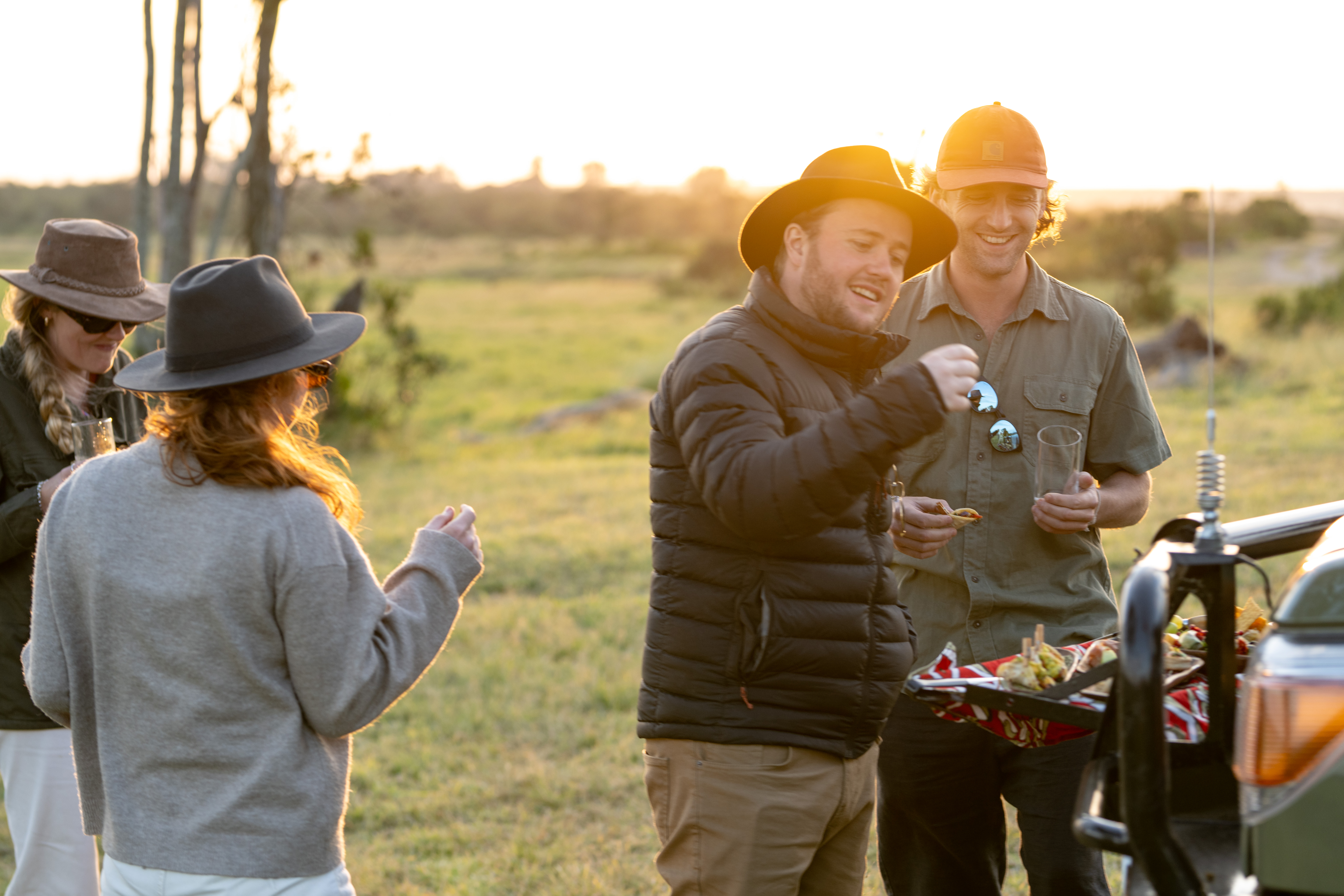
Solo travellers have two sensible routes. The first is a scheduled small-group departure, typically four to seven guests sharing a vehicle with one guide, which is far and away the cheapest way to reach the Serengeti properly: expect $2,200 to $3,200 for seven days at mid-range level. Ask two questions before booking — the maximum group size, and whether every guest is guaranteed a window row. A vehicle sold with seven seats and filled with seven adults is a poor place to watch wildlife, whatever the brochure photograph suggests.
The second route is a private trip, where you carry the whole vehicle and guide alone. It typically costs 1.6 to 1.8 times the shared price but buys complete control of the day, which suits photographers and returning travellers. Either way the single supplement is the number to interrogate: most camps charge 30 to 50 per cent of the room rate for sole occupancy, and a good many waive it entirely in the green season of March to May. Tanzania is a straightforward and welcoming destination for solo travellers, including solo women, when the ground arrangements are properly handled.
Photographers: vehicle setup, light and timing
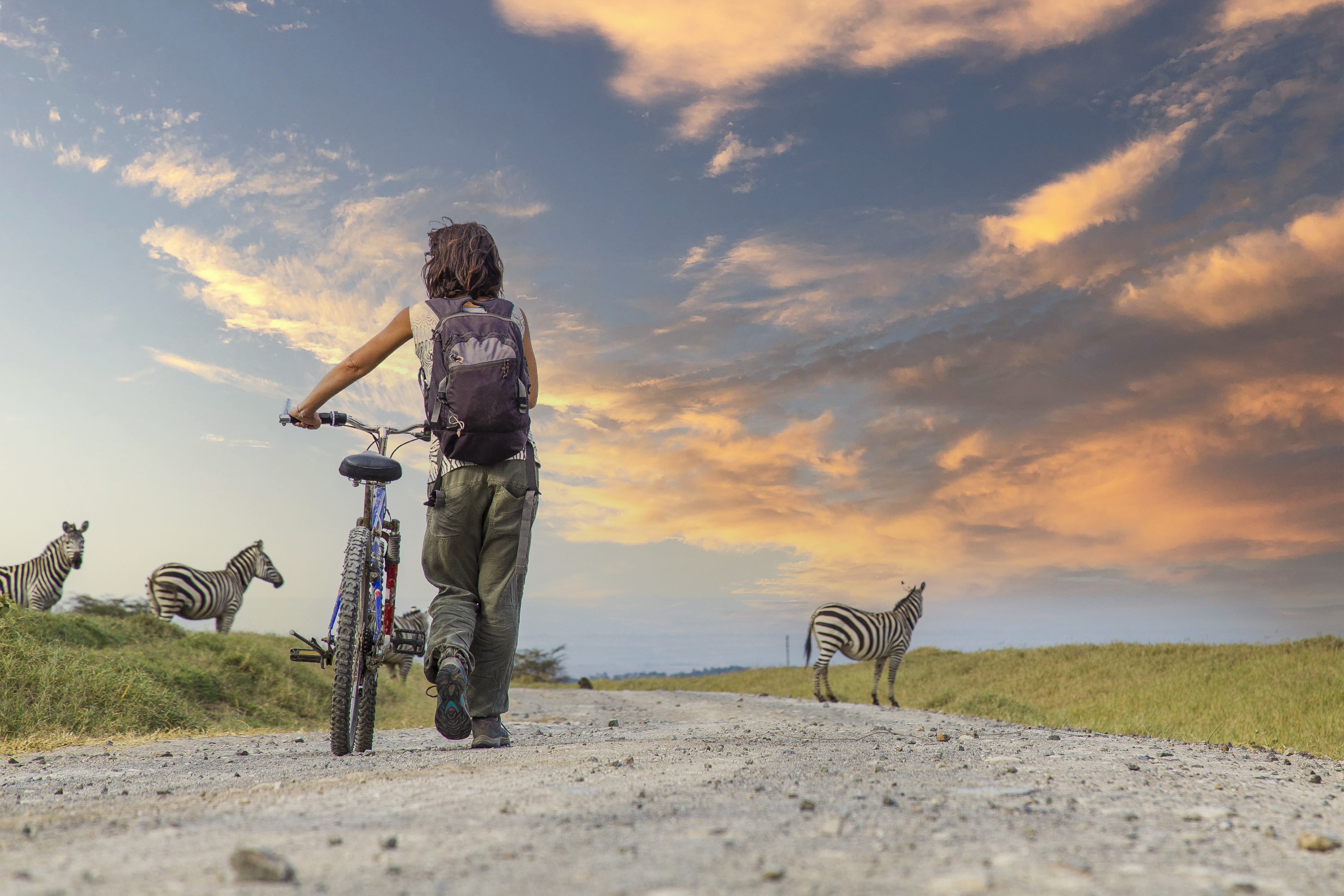
Photographic safari vacations are decided by the vehicle more than the destination. You want a pop-top roof for standing and shooting down, plus open side windows for low, eye-level frames; bean bags rather than tripods; charging points that actually work off the engine; and no more than three or four people in a seven-seat vehicle so everyone owns a full row. Either buy the empty seats or book a private vehicle outright — sharing with non-photographers ruins sightings, because their patience runs out about an hour before yours does.
Timing matters just as much. The light is usable for about ninety minutes after sunrise and before sunset, so full-day drives with a packed lunch beat returning to camp at midday. Central Serengeti is the most reliable for cats year round; Ndutu in February gives calving-season predator action at close range; the Mara River crossings run roughly July to September but are genuinely unpredictable and should never be the sole reason for the trip. Budget $5,500 to $9,000 per person for eight or nine days with a private vehicle and guide.
Multigenerational groups: pace and logistics
Multigenerational safari vacations — grandparents, parents and children, usually eight to fourteen people — live or die on pace and logistics rather than on wildlife. Two vehicles is almost always the right answer: it gives the group flexibility to split when the youngest need an early lunch and the keenest want another two hours out. Stay longer in fewer places, three nights rather than two, and prioritise lodges with family units or interconnecting rooms and a communal area big enough for the whole party to eat together without booking out a restaurant.
Watch the physical details that nobody mentions in the planning calls. The Ngorongoro crater rim sits above 2,300 metres and the nights are genuinely cold; the descent road is steep and bumpy; walking distances between tents at some camps are longer than older guests expect, and are escorted after dark. Ask for ground-floor rooms, factor in an afternoon off midway, and carry proper medical cover. Best months are June to October. Budget $3,200 to $4,800 per person mid-range, with the per-person vehicle cost falling nicely once each vehicle is well filled.
Returning travellers: the south and the west
If you have already done the northern circuit, the interesting safari holiday ideas lie south and west. Ruaha and Nyerere offer walking safaris with an armed guide and boat safaris on the Rufiji, activities the northern national parks largely do not permit, alongside superb elephant, lion and wild dog viewing with a fraction of the vehicles. The western Serengeti and the Grumeti corridor deliver migration drama in June without the July crowding, while Katavi and Mahale — the latter for chimpanzee trekking — are as remote as East African travel gets.
The trade-off is that these areas are reached by light aircraft rather than road, which adds cost and means a fly-in trip rather than a driving one. That same remoteness is precisely what keeps them empty. June to October is the strongest window, and several southern camps close during the heaviest rains of March to May. Budget $5,000 to $8,500 per person for seven or eight days including internal flights, and expect fewer camps to choose from, all of which fill early for the peak dry-season weeks.
Related reading: Solo female safari in Tanzania: a practical guide.
The best safari itinerary is not the one with the most parks on it — it is the one built around the people in the vehicle.
- First-timers — 7 days, northern circuit, $2,900–$4,200 mid-range
- Honeymooners — 10 days, safari then Zanzibar, $6,000–$9,500
- Families — 7–8 days, short drives, best for ages 8–12
- Solo travellers — group departure from $2,200, or private for control
- Photographers — private vehicle, full days, $5,500–$9,000
- Multigenerational — two vehicles, three-night stays, $3,200–$4,800
- Returning travellers — Ruaha, Nyerere, the west, $5,000–$8,500
- Budget-conscious — green season and group departures, from $1,600
Budget-conscious safari vacations: green season and group departures
The single largest saving available on a safari vacation is the calendar. Camp and lodge rates fall 30 to 40 per cent during the green season of March to May, and the same trip that costs $4,000 in August can be had for well under $3,000 in April. The trade-offs are real and worth stating: afternoon rain, muddy tracks that occasionally close, taller grass that hides cats, and some camps closed altogether. In exchange you get dramatic skies, exceptional birding, newborn animals and parks that feel almost empty of other vehicles.
The second saving is sharing. A scheduled group departure with a basic tented or public campsite arrangement can bring seven days on the northern circuit down to $1,600 to $2,300 per person, which is remarkable value for the same parks and the same wildlife. What we would not cut is the guide and the vehicle: an experienced guide who reads the terrain and a well-maintained 4x4 with a working roof determine what you actually see. If a quote looks dramatically cheaper than everything else, that is almost always where the money has been taken out.
Tell us who is travelling
Every trip on this page uses the same parks and often the same camps — what changes is the pace, the vehicle, the length of the driving days and where the nights are spent. That is why we start by asking who is coming rather than where you want to go. Tell us the ages, the dates, the budget you are comfortable with and the one thing that would make the trip for you, and we will design the safari around the travellers, not the other way round. Sokwe Africa Safaris is based in Arusha, and we would be glad to help you plan it.