
A country of 120 tribes and no majority
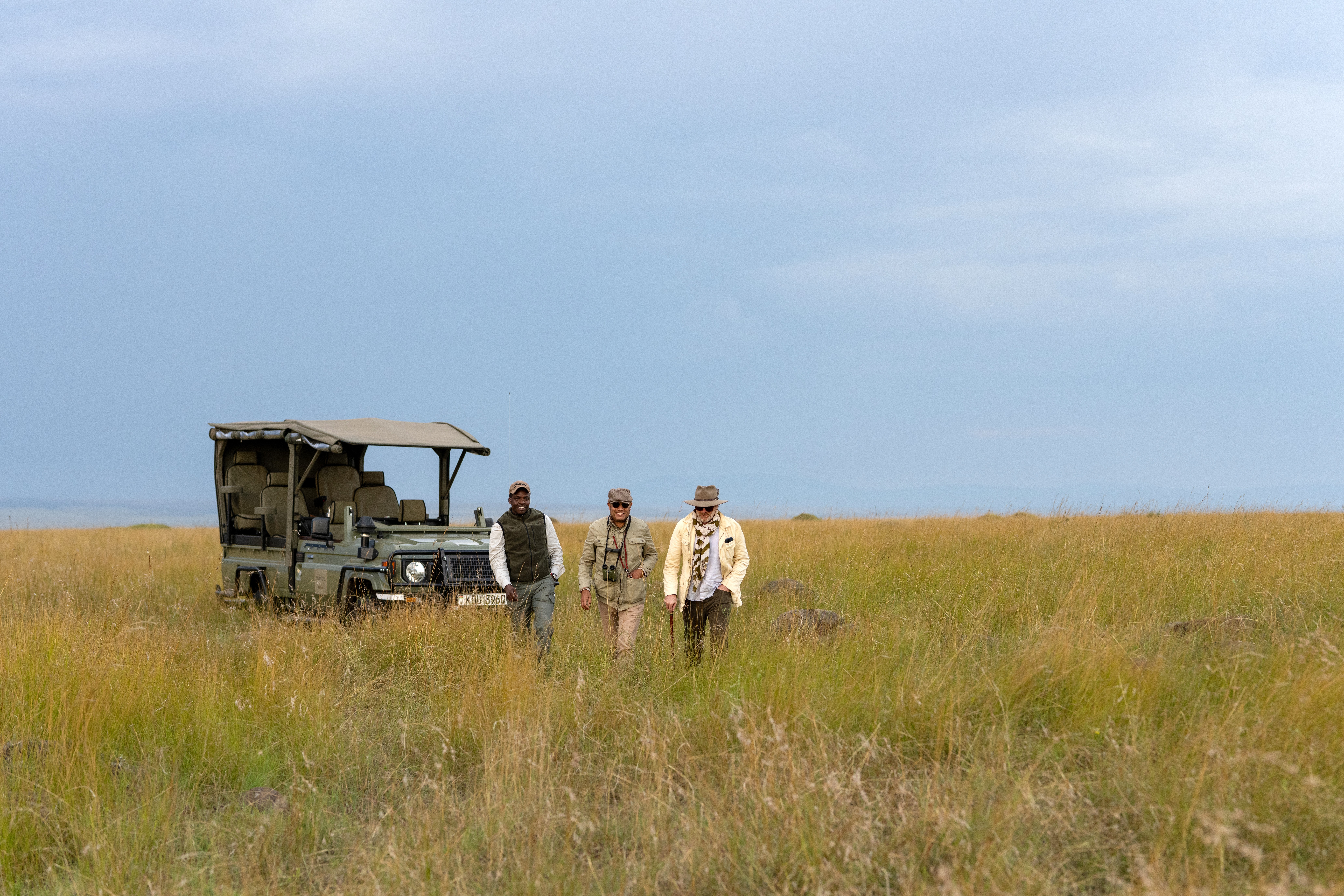
Ask about the wildlife and Tanzania answers with the Serengeti; ask about Tanzania people and the answer is far harder to summarise, because there are more than 120 distinct ethnic groups within one set of borders and not one of them is a majority. The largest, the Sukuma, account for roughly a sixth of the population. Everyone else is a minority, which sounds like a recipe for tension and has instead produced one of the most stable and genuinely unified countries in Africa. How that happened tells you more than any list of tribes could.
The diversity here is not only in numbers but in kind. Tanzania is one of the few places on earth where all four of Africa's major language families meet: Bantu farmers who make up the great majority of the population, Nilotic herders such as the Maasai and Datoga, Cushitic groups with roots in the Horn of Africa, and the tiny Khoisan-speaking Hadzabe near Lake Eyasi. Add fifteen centuries of Indian Ocean trade along the coast, and you get a national culture borrowing from Arabia, Persia, India and the interior at once.
The bigger groups worth knowing
The Sukuma, around six million strong, live south of Lake Victoria around Mwanza and Shinyanga, farming cotton and maize and keeping large herds of cattle. They are Tanzania's largest group and yet almost invisible to visitors, because their homeland sits well away from the main safari circuits. The Nyamwezi, their close relatives around Tabora, were the great caravan people of the nineteenth century, walking trade routes from the lakes to the coast before any road existed.
On the southern slopes of Kilimanjaro you meet the Chagga, whose irrigated banana groves and coffee gardens climb the mountain in a system of furrows some of which are centuries old. The Chagga invested early and heavily in mission schooling, and today they are disproportionately represented in business, government and the tourism industry — a great many mountain guides and safari operators in Moshi and Arusha are Chagga. Around Bukoba on Lake Victoria, the Haya have a comparable reputation for coffee, education and an old kingdom tradition.
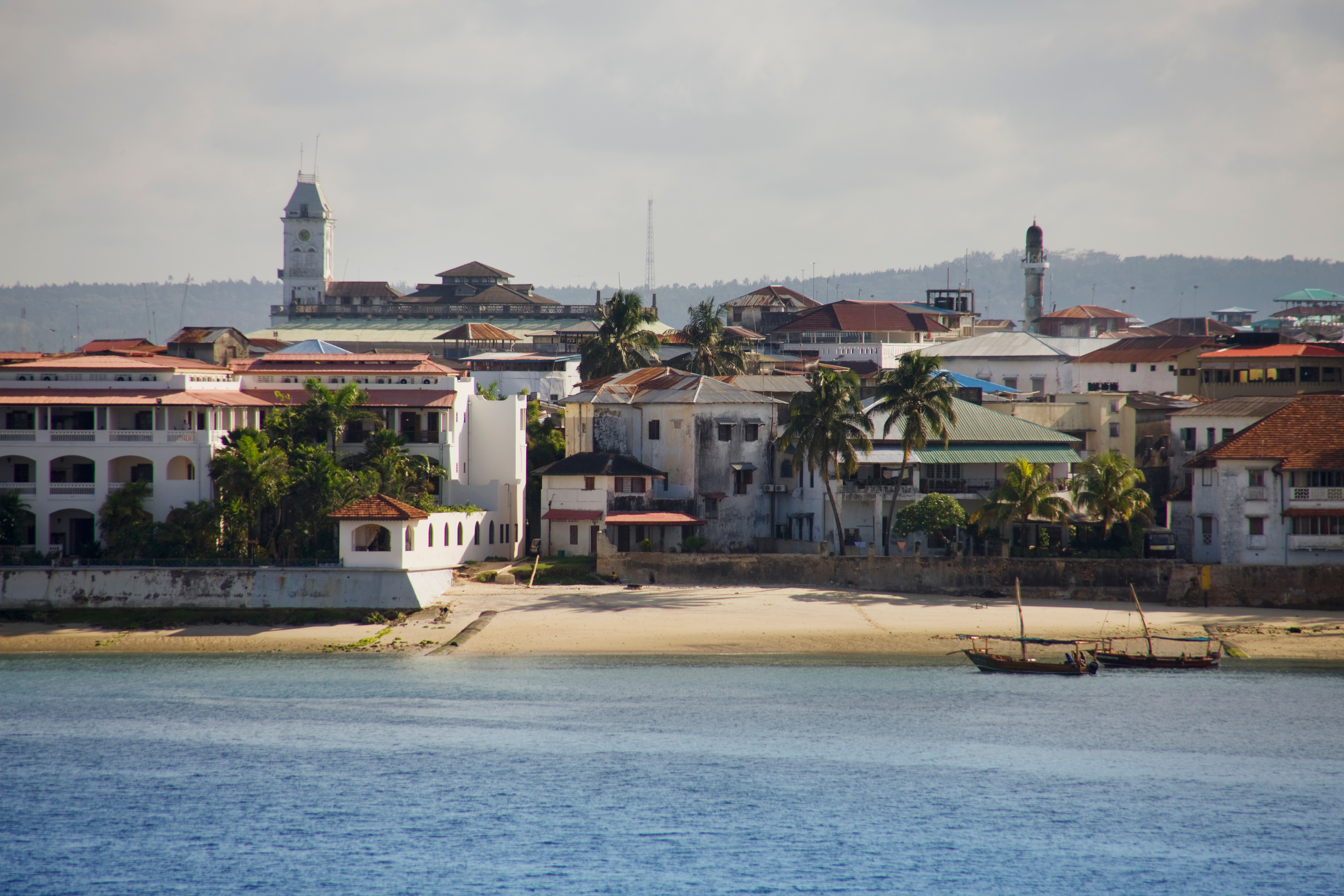
Along the coast around Dar es Salaam are the Zaramo, largely Muslim, historically matrilineal, and closely woven into the Swahili culture of the shoreline. That coastal identity is worth understanding on its own terms: it is not a tribe so much as a civilisation built by Bantu-speaking communities trading with Arab, Persian and Indian merchants across the monsoon. Its architecture, food, music and language are why Stone Town feels nothing like the Ngorongoro highlands.
The Maasai, the Hadzabe and the Datoga
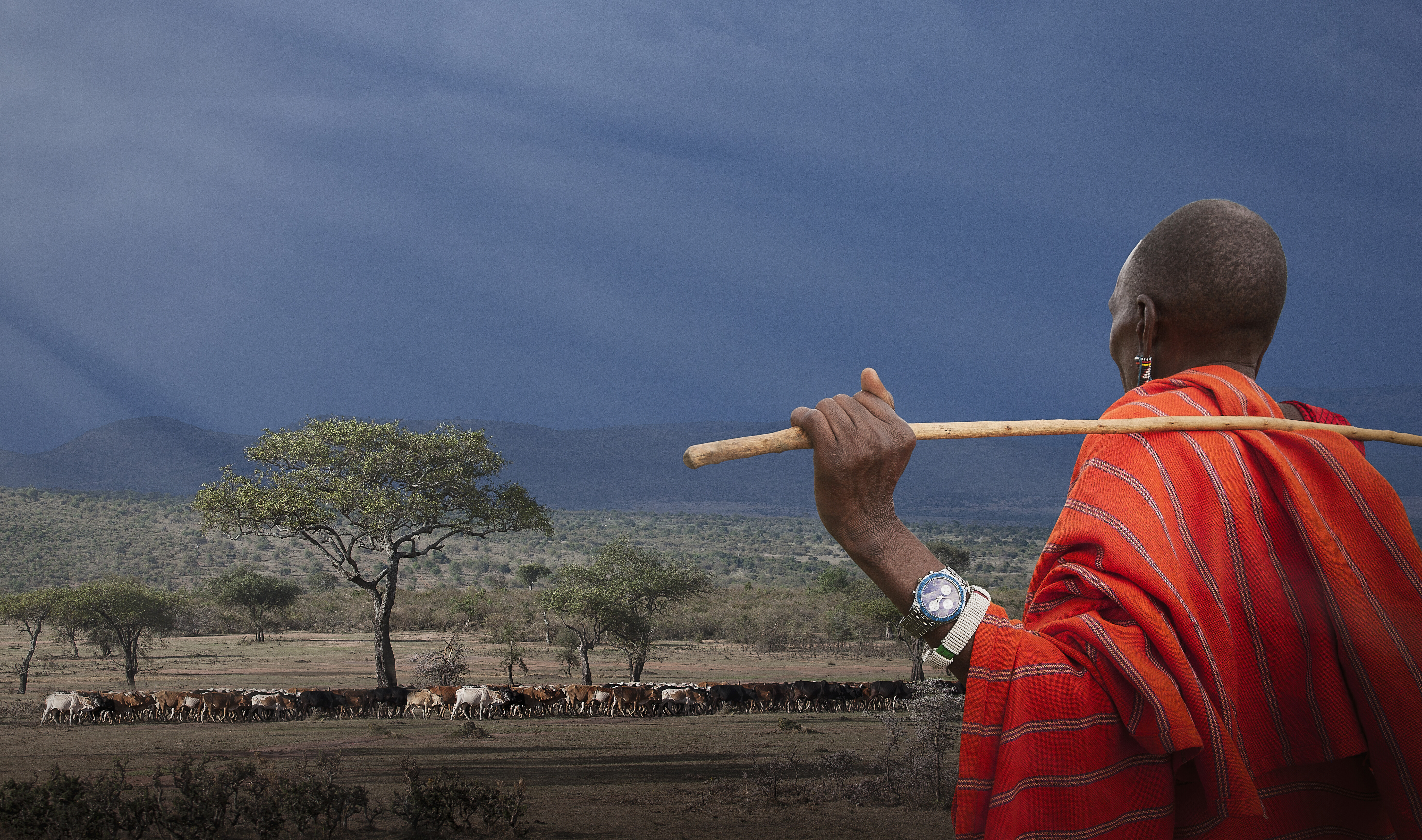
For most visitors the first of Tanzania's ethnic groups they encounter are the pastoralists of the north. The Maasai, Nilotic cattle herders who moved south into what is now northern Tanzania a few centuries ago, are the most photographed people in East Africa and consequently the most misunderstood. They are not a relic. Maasai families run mobile phone businesses while still measuring wealth in cattle, and much of the land around Ngorongoro, Longido and the Tarangire corridors is grazed by their herds under community arrangements that make conservation possible at all.
Near Lake Eyasi, a couple of hours from Karatu, live the Hadzabe — perhaps a thousand to fifteen hundred people, speaking a language full of clicks unrelated to any other, and among the last communities on earth still living largely by hunting and gathering. Their neighbours the Datoga, also called Barabaig, are Nilotic herders and skilled blacksmiths who forge arrowheads and jewellery from scrap metal. Both groups are under real pressure from land loss, and both are visited by tourists, which makes how you visit them a genuine ethical question.

Tanzania religion: two faiths, one street
On Tanzania religion, honesty is more useful than a statistic. The government has not asked about religion in a census since 1967, precisely to avoid making it a political scoreboard, so every figure you read is an estimate. The broad picture is a country roughly balanced between Christianity and Islam, with Christians somewhat more numerous on the mainland, Muslims dominant along the coast, and Zanzibar overwhelmingly Muslim. A smaller number follow traditional beliefs, and many blend them quietly with whichever book faith they profess.
What matters more than the split is how ordinary the coexistence is. Mixed families are common; it is unremarkable for a Muslim and a Christian to marry, or for a family to spend Eid at one house and Christmas at another. Public holidays cover both calendars — Eid al-Fitr, Eid al-Hajj, Christmas and Easter are all national days off. Tanzanians will tell you this coexistence is one of the things they are proudest of, and after a fortnight here you will see why they mention it.
How Swahili and ujamaa built a nation
The unity is not an accident. At independence in 1961 Julius Nyerere — universally called Mwalimu, the teacher — inherited the same ethnic patchwork that tore other new African states apart, and made two decisions that changed everything. The first was to make Kiswahili the national language of government, primary schooling and public life. It belonged to the coast rather than to any large interior group, so adopting it advantaged nobody in particular, and within a generation it gave a hundred and twenty peoples a common tongue carrying no tribal claim.
The second was ujamaa, the African socialism set out in the 1967 Arusha Declaration: villagisation, nationalisation, and a deliberate national identity placed above ethnic and religious ones. Economically ujamaa is widely judged to have failed, and Tanzanians debate it frankly to this day. Politically it succeeded to a degree few countries can match. Tanzanians identify as Tanzanian first, tribe second, in a way visitors from more fractured places find striking.
Nyerere gave a hundred and twenty peoples one language that belonged to none of them, and that single decision is why Tanzania holds together.
Everyday culture: greetings, elders and shared plates
Day to day, Tanzanian culture runs on greetings, and skimping on them is the fastest way to seem rude. You do not open with your question; you ask after the person, their work and their family first, and only then get to business. The most useful phrase you can learn is shikamoo, the respectful greeting to anyone noticeably older than you, answered with marahaba. Say it to an elder in a village and watch the temperature of the encounter change. Habari, karibu and asante sana carry you through the rest.
Respect for age is structural rather than sentimental. Elders are greeted first, served first and consulted on decisions, and a young person will lower their head or support their right forearm with their left hand when shaking hands with someone senior. The right hand does the giving, receiving and eating; the left is not used for any of them. Food is often shared from communal dishes, guests are pressed to eat more, and refusing hospitality outright lands badly. Accepting a little of everything is the right move.
- Shikamoo — respectful greeting to an elder, answered marahaba
- Habari? — how are things, the everyday opener
- Karibu — welcome, and karibu sana for emphasis
- Asante sana — thank you very much
- Pole — sympathy, for anything from a stumble to a bereavement
- Hongera — congratulations
Food, music and ngoma
The national plate is ugali, a stiff maize staple eaten with the right hand and used to scoop beans, greens or stew, and nyama choma — grilled goat or beef, shared over a long afternoon — is the closest thing Tanzania has to a national ritual. The coast eats richly: pilau and biryani heavy with cardamom and cloves, rice cooked in coconut milk, fresh fish, chapati, and in Zanzibar the tamarind-sour street soup called urojo. Mishkaki skewers, roast maize and fried cassava are the food of every roadside.
Music divides along similar lines. Ngoma, meaning both the drum and the dance, is the deep root: every group has its own ngoma for weddings, harvests and initiations, and what you see performed at a lodge is a thinned version of something that in the village runs for hours. Taarab, the sung poetry of Zanzibar, carries the Indian Ocean in its melodies. And bongo flava, the hip hop of Dar es Salaam, is what actually plays in the vehicle when your guide takes the aux cable.
Meeting communities respectfully
A cultural visit can be one of the best hours of a safari or one of the most uncomfortable, and the difference is almost entirely in the arrangement. The version to avoid is the drive-by boma: a bus arrives, a dance is performed, cameras go up, a fee vanishes into an intermediary, and everyone leaves having learned nothing. The version worth having is smaller, slower, arranged directly with the community, and built around a conversation rather than a performance.
Ask the practical questions before you book. Who receives the money, and how much of it reaches the village rather than the agent? Is there an interpreter, or a community member guiding, so this is a two-way exchange? Typical direct community fees run from around twenty to fifty US dollars per person, and a well-run visit will tell you plainly where that goes — a school, a water point, a grazing fund. Buy crafts from the maker rather than the stall at the gate, and agree a price without haggling to the bone.
The Hadzabe deserve a particular note. Visits there are common and can be done well, but a dawn walk with hunters going about their morning is a different thing from a staged demonstration for a midday bus, and the community gains far more from the former. If you are drawn to this side of Tanzania, say so at the planning stage rather than on the day, because the good arrangements are made in advance with people the operator actually knows.
If you are planning the route, read how to check a tour operator in Arusha.
Photography, dress and Ramadan
Photography is where visitors most often go wrong, and the rule is simple: ask first, every time, and accept no as an answer. Many Tanzanians dislike being photographed by strangers, and in some communities a payment is expected and reasonable — settle it before you lift the camera. Never photograph police, soldiers, government buildings, airports or border posts. In villages, showing people the picture you have just taken turns a transaction into an actual exchange, and it costs nothing but a moment.
On dress, Tanzania is more conservative than the safari brochures suggest. Shorts and vests are fine inside a camp and on a game drive; in a town, a village, a market or on Zanzibar they read as underdressed. Knees and shoulders covered is the working standard for both men and women, and in Stone Town a scarf to hand is genuinely useful. During Ramadan, which shifts through the calendar each year, Zanzibar's daytime restaurants largely close and it is poor form to eat, drink or smoke in the street while your hosts fast. Eat inside your hotel, and expect the island to come alive after sunset.
The culture comes from the people who live it
Tanzania's real distinction is not that it holds 120 tribes but that it holds them together, and does so with a warmth visitors notice within a day of landing. The people of Tanzania will greet you at length, feed you too much, correct your Swahili with delight and tell you frankly what they think of their own history. Travel here with curiosity and the country opens; travel with a camera and a schedule and it stays politely closed.
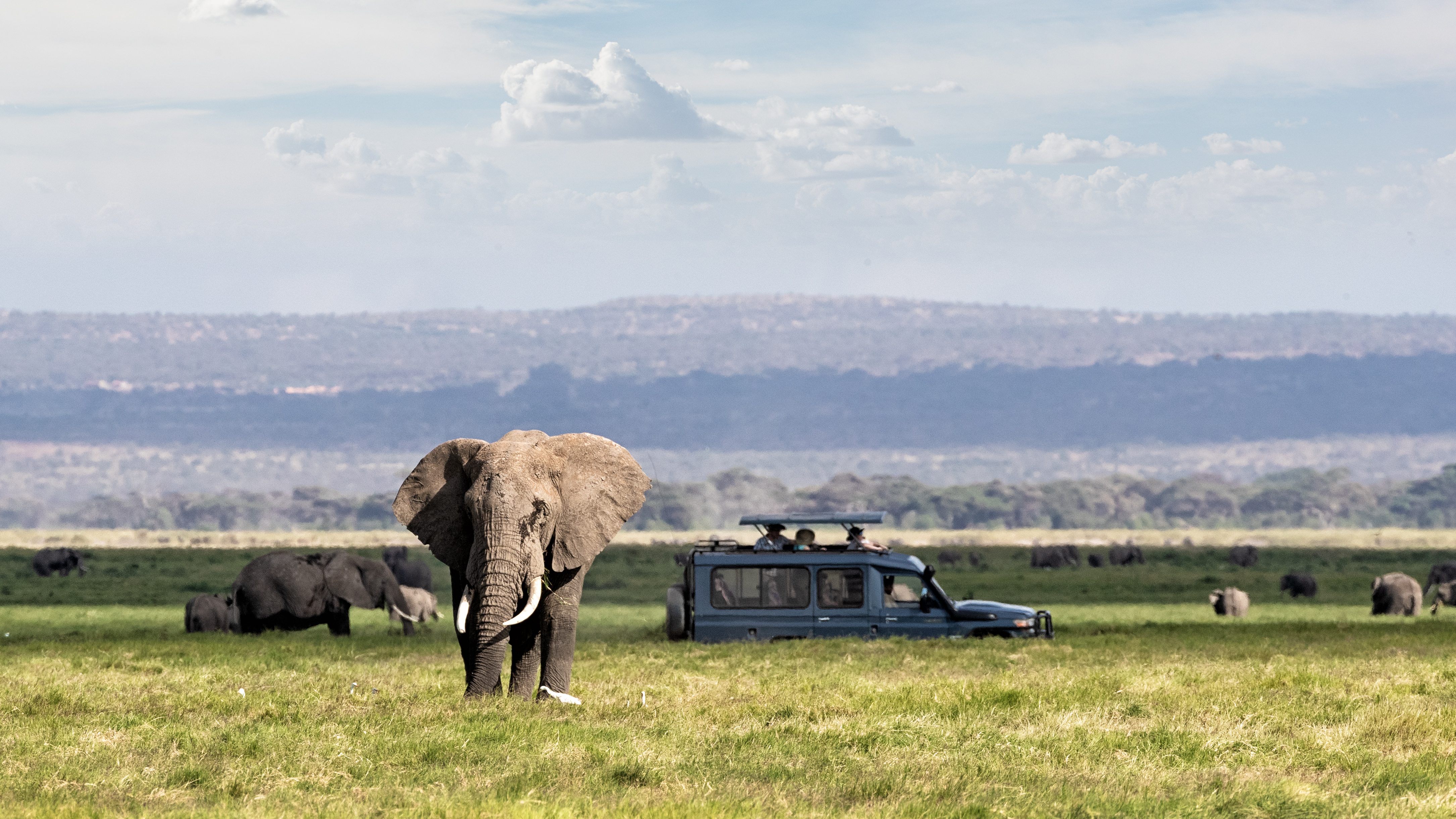
Every Sokwe guide is Tanzanian, from a real place with a real family and a firm opinion about ugali, and that is the whole point: the culture on your safari comes from the people who live it, not from a scripted stop on an itinerary. Tell us what you want to understand — the Maasai land around Ngorongoro, the Hadzabe at Eyasi, the Chagga farms on Kilimanjaro or a slow day in Stone Town — and we will build it into your route properly, arranged with communities we actually know. Get in touch and let us plan a safari that introduces you to the country as well as the wildlife.