
The honest safari dress code
Ask ten outfitters what to wear on safari and you will get ten versions of the same khaki catalogue. The honest answer is simpler and cheaper: most of what you need is already in your wardrobe, and the few things that genuinely matter — the right colours, a proper hat, and layers you can peel off as the day warms — matter for practical reasons, not for looking the part. After two decades of putting travellers into Land Cruisers across northern Tanzania, we can tell you exactly which safari clothes earn their place in the bag and which stay at the lodge unworn.
This guide deals specifically with clothing — what works, what does not, and why. If you want the complete rundown of everything else, from binoculars to power adapters, we keep a separate full safari packing list; this piece is the dress-code companion to it. Read on for the truth about neutral colours and tsetse flies, the layering rhythm of a safari day, footwear (you almost certainly do not need boots), what dinner at a lodge actually looks like, and how the 15-kilogramme soft-bag rule on bush flights quietly shapes every choice you make.
Neutral colours, and why tsetse flies hate your navy jacket
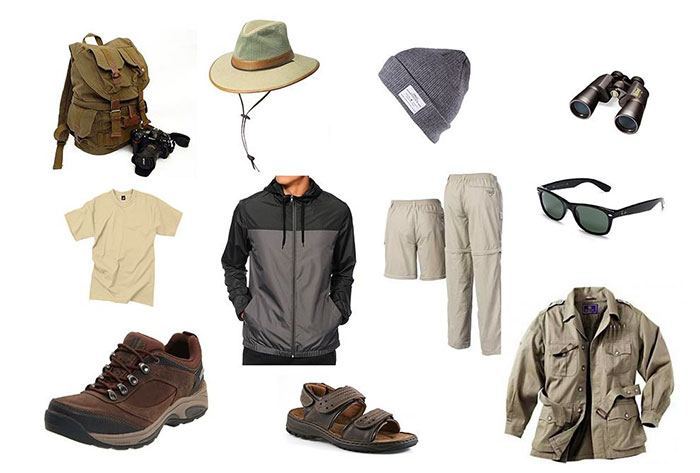
The one rule worth taking seriously is colour. Khaki, olive, stone, tan and soft brown are the safari palette for two good reasons. The first is wildlife: muted tones help you blend into the vehicle and the landscape, which matters most on walking safaris but is good manners everywhere. The second is more urgent — tsetse flies, found in wooded parts of Tarangire, the Serengeti's western reaches and Nyerere, are strongly attracted to blue and black. Their bite is a sharp nip rather than a danger in most areas, but a navy shirt in tsetse country is an open invitation.
White is the other colour to skip, for less dramatic reasons: it shows every speck of the red dust that coats everything in the dry season, and it makes you conspicuous in the bush. Bright reds and oranges are fine around camp but poor choices for game drives and hopeless for walking. You do not need to buy a new wardrobe — dig out anything khaki, green, grey or brown, and save the blues and blacks for evenings around the fire, when the tsetse flies have clocked off and nobody is looking at anything but the stars.
The layering rhythm: cold dawns, hot middays
Nothing surprises first-time safari-goers more than the cold. A 6am game drive in an open vehicle on the Ngorongoro Crater rim, at over 2,300 metres, can feel close to freezing in June and July, and even the Serengeti plains are genuinely chilly before sunrise. By 11am the same day will be pushing 28 to 30 degrees. The answer is not one warm outfit and one hot one, but layers: a T-shirt or light shirt, a long-sleeved shirt over it, a fleece or light down jacket on top, and ideally a windproof shell or the blankets your guide keeps in the vehicle.
The rhythm becomes automatic within a day. You leave camp wrapped up, shed the fleece as the sun climbs, drive through midday in shirtsleeves, and pull the layers back on as the light goes golden and the temperature drops with it. This is why three or four versatile mid-layers beat one heavy coat every time — a heavy coat is wrong for all but one hour of the day. In the green season, add a light packable rain jacket; showers are usually short and dramatic, and a cheap poncho does the job perfectly well.
Fabrics: what works and what does not
Fabric matters more than brand. Lightweight cotton and cotton-blend shirts and trousers are the classic choice for good reason — they breathe in the heat, dry overnight, and do not rustle. Modern quick-dry synthetics work well too and are lighter to pack, though pure polyester can hold odour after a hot day in the vehicle. Merino wool is the quiet overachiever of safari clothing: warm at dawn, cool at midday, odour-resistant for days, and worth the price for at least one base layer if you are also heading up Kilimanjaro or into cooler highland lodges.
What does not work: denim, which is heavy, slow to dry and stifling by mid-morning; anything that needs ironing; and technical gear with loud zips and crackly fabric, which you will curse the first time your guide whispers that a leopard is thirty metres away. Long sleeves and long trousers earn their place not for style but for sun and insects — a loose long-sleeved shirt is cooler than bare arms at midday and doubles as mosquito protection at dusk, when malaria-carrying mosquitoes become active and covering up is your first line of defence.
Hats, sunglasses and sun protection
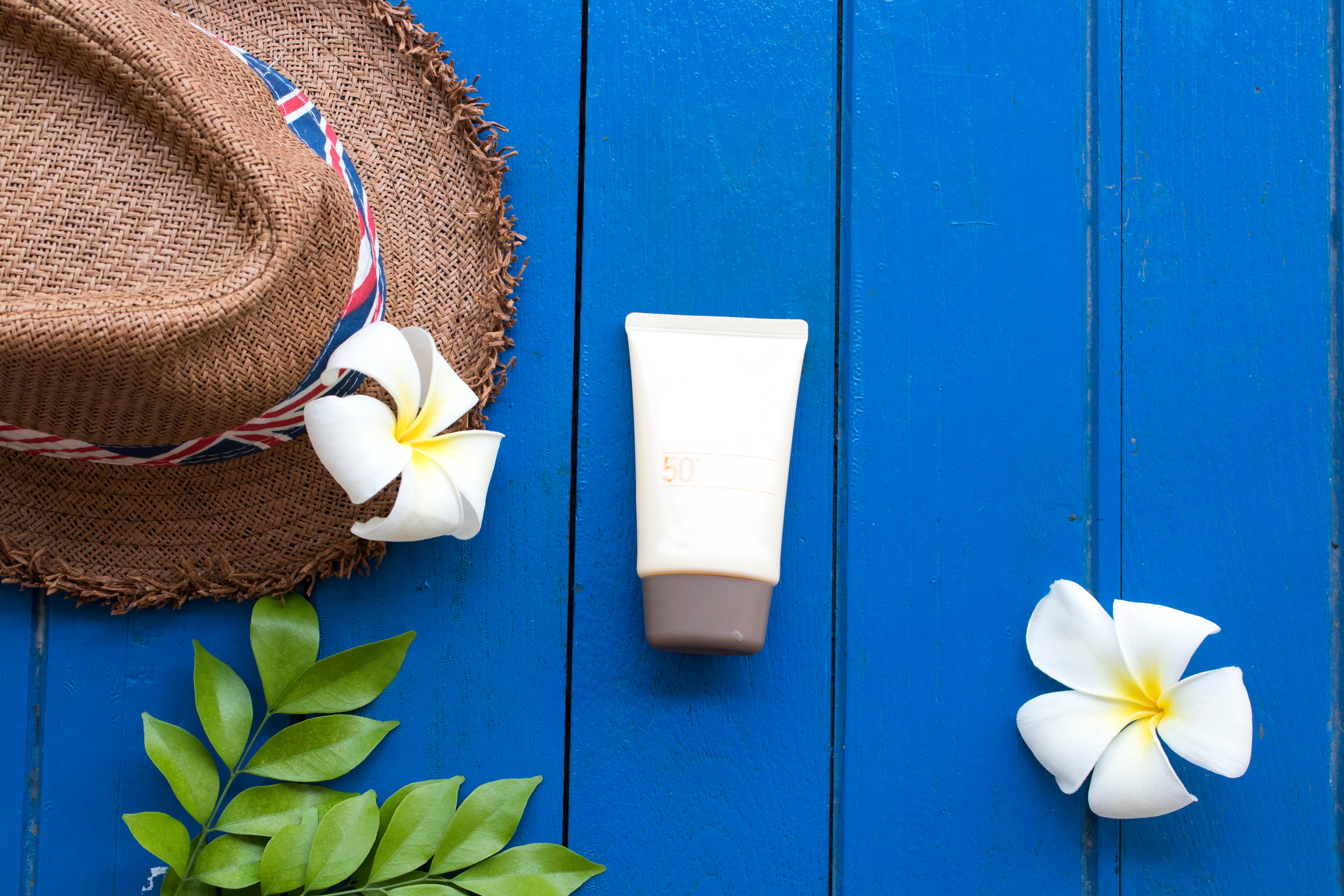
The equatorial sun is the one hazard that catches almost everyone. At altitude — and much of northern Tanzania sits between 1,000 and 2,300 metres — UV levels are ferocious even on overcast days, and an open-sided vehicle offers less shade than you expect. A proper safari hat with a full brim beats a baseball cap, which leaves your ears and neck to burn; add a cord or chin strap, because a moving Land Cruiser is a very efficient hat-removal machine. This is the one item genuinely worth buying before you travel rather than improvising.
Good sunglasses matter just as much, both for comfort and for spotting wildlife against glare — polarised lenses make a real difference scanning riverbanks and shaded thickets. Bring a high-SPF sunscreen and actually use it; the combination of cool morning air and strong sun is deceptive, and the classic first-day mistake is burning before lunch without feeling hot. A light cotton scarf or buff rounds out the kit: sun protection for your neck, a dust shield on dry-season roads, and an extra layer at dawn. Small things, but they decide how comfortable your week is.
The footwear truth: you probably do not need boots
Here is the truth the outdoor shops will not tell you: on a standard vehicle-based safari, you barely walk. You move from your tent to the vehicle, ride for hours, stroll to lunch and back. Trainers, comfortable walking shoes or even decent sandals are entirely sufficient, and heavy leather safari boots will sit in your bag as dead weight — the most commonly regretted purchase we see. Save the money, bring shoes you have already worn in, and add a pair of flip-flops or sandals for around camp and the shower.
The exceptions are real, though. If your itinerary includes walking safaris in areas like Ruaha or the crater highlands, closed shoes with proper soles are non-negotiable — light hiking shoes rather than expedition boots, in the same neutral colours, because on foot your visibility to wildlife suddenly matters. And if you are combining safari with a Kilimanjaro trek, that is a different discipline altogether, with worn-in waterproof boots at the top of the list. Match the footwear to the itinerary, not to the catalogue image of what a safari is supposed to look like.
Evenings and dinner: what people actually wear
Travellers regularly ask us whether they need to dress for dinner, picturing linen suits under chandeliers. The honest answer: Tanzania's lodges, even the very smartest, are relaxed. The standard evening uniform is simply a clean version of the daytime one — fresh trousers or a casual dress, a collared shirt or nice top, and a warm layer, because temperatures drop quickly after sunset and dinner is often outdoors. Nobody wears a jacket and tie on safari, and turning up smart-casual at the most exclusive camp in the Serengeti will never feel underdressed.
That said, one slightly nicer outfit earns its place, especially at the luxury end. A sundowner on a kopje, a private bush dinner or a celebratory last night are occasions people enjoy dressing up for a little — think a light dress or a linen shirt, not black tie. Closed shoes are sensible in the evening for the practical reason that camps are unlit bush, and a small torch matters more than what is on your feet. The real evening dress code is warmth, comfort and a touch of occasion, in that order.
Zanzibar and Stone Town: beach freedom, cultural respect
Most of our safaris end with a few days on Zanzibar, and the island has its own two-part dress code. At the beach resorts, anything goes — swimwear, shorts and sundresses are entirely normal within resort grounds, and your safari neutrals can finally give way to whatever colours you like. The packing win here is that beach wear is light and small, so a Zanzibar finale adds almost nothing to your luggage while giving half your safari wardrobe a well-earned rest.
Stone Town and the villages are a different matter. Zanzibar is a predominantly Muslim society, and wandering its streets, markets and mosques in beachwear is genuinely disrespectful. The simple rule for both men and women is shoulders and knees covered — a T-shirt and knee-length shorts or a light dress with a scarf is ample. Nobody expects visitors to dress locally, only modestly, and travellers who make the small effort are met with the warmth Zanzibaris are famous for. Pack one light, modest outfit specifically for town days and you are covered, literally and figuratively.
Notes for women travellers
Women ask us the practical questions the catalogues skip, so here are straight answers. A well-fitting sports bra is the single most appreciated item on game drives — the roads are honestly bumpy, and several clients have told us it mattered more than anything else they packed. Zip-off trousers, leggings under a safari dress, or lightweight trousers all work well; skirts are fine around camp but awkward climbing in and out of vehicles. Dark, quick-drying underwear is easiest given camp laundry customs, discussed below, and a pashmina or large scarf is the most versatile item in the bag.
On modesty: mainland safari areas are relaxed, and shorts and vest tops are perfectly acceptable in camps and vehicles. It is in towns — Arusha, Mto wa Mbu, and especially Stone Town — that covering shoulders and knees is the respectful norm. For hair, a serious word about dust: dry-season roads will coat everything, so a buff, cap or headscarf saves daily washing. And bring your usual toiletries in travel sizes rather than relying on lodge supplies; the luxury camps are well stocked, but the mid-range ones vary, and specific products are hard to find upcountry.
Laundry, the 15kg soft bag, and why less is more
Here is the fact that changes everything: nearly all safari camps and lodges offer laundry, often same-day and frequently included at the higher end. Clothes handed in at breakfast come back folded by evening. This means you genuinely need only three or four daytime outfits for a two-week trip, rotating and washing as you go. The one caveat is cultural: at many camps, staff will not wash underwear, so bring enough to hand-wash your own or choose quick-drying pieces — the camps provide soap and it dries in an hour in dry-season air.
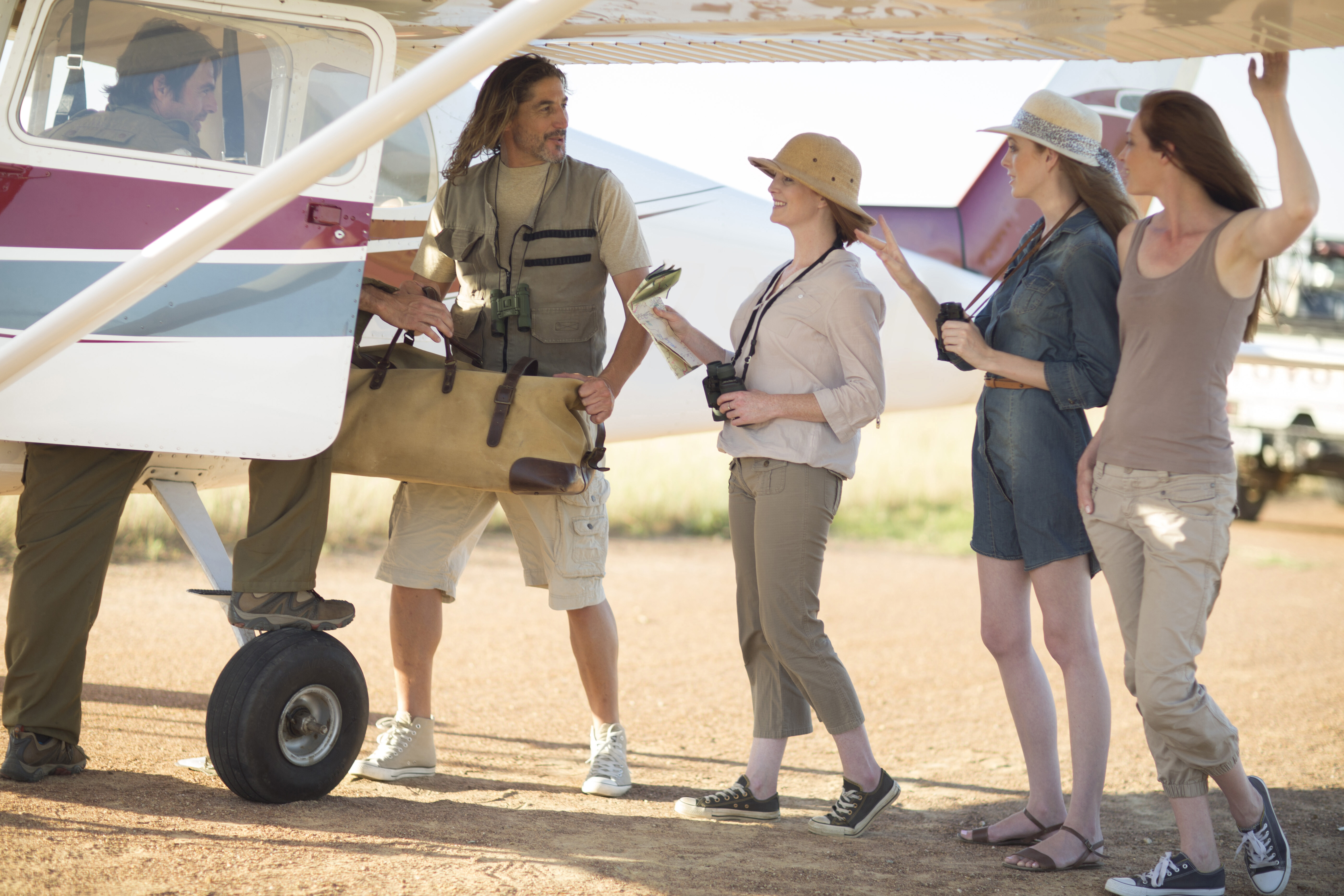
The other great discipline is the luggage rule. Internal bush flights — Arusha to the Serengeti, safari to Zanzibar — enforce a 15-kilogramme limit including hand luggage, in soft-sided bags only, because everything must squeeze into a Cessna's hold. Hard shells are routinely refused. Our guide to flights and luggage limits covers the details, but the clothing consequence is simple: the laundry service is not a luxury, it is the system that makes 15 kilogrammes work. Pack half of what instinct suggests, in one squashable duffel, and you will still come home with things unworn.
See also our guide: Can you wear shorts on safari in Tanzania? What to wear, what to avoid and local dress norms.
The best-dressed person on safari is the one in comfortable old clothes the colour of dry grass — warm at dawn, cool at noon, and invisible to tsetse flies.
- Neutral colours — khaki, olive, stone; no blue or black in tsetse country
- Layers for the 5am-to-midday temperature swing
- Full-brim safari hat, polarised sunglasses, high-SPF sunscreen
- Trainers, not boots — unless walking safaris or Kilimanjaro are on the itinerary
- Smart-casual plus a warm layer covers every lodge dinner
- Shoulders and knees covered in Stone Town
- One soft bag, 15kg — let camp laundry do the rest
What to leave at home
A quick word on what to skip, because what you leave behind matters as much as what you bring. Camouflage-patterned clothing is legally reserved for the military in Tanzania and can cause genuine problems, so leave it at home however safari-ish it looks. Skip the multi-pocketed safari waistcoat unless you are a photographer who will actually use it, the heavy boots already discussed, more than one pair of jeans, anything white, and expensive jewellery, which has no role in the bush and creates worry. Every item you cut makes room within that 15-kilogramme allowance for something you will actually wear.
The pattern behind all of this advice is the same: safari clothing is about function, not costume. The travellers who look most at ease after a week in the bush are the ones in soft, faded, comfortable clothes in quiet colours — nothing new, nothing stiff, nothing bought in a panic the week before. If in doubt about any specific item, ask us before you buy it; a two-line email can save you a hundred dollars and half a kilogramme, and we would far rather you spent both on an extra night in the Serengeti.
Still unsure what to pack? Just ask us
We put around five hundred travellers into safari vehicles every year, from honeymooners to families to photographers, and we have seen every packing triumph and mistake there is. When you book with Sokwe Africa Safaris, we send a packing note tailored to your actual itinerary — your season, your parks, your lodges, whether you are walking, climbing or finishing on Zanzibar — so you bring exactly what your trip needs and nothing more. Tell us your dates and your plans, and we will tell you precisely what to wear on safari, down to the hat.
Ask Sokwe what to pack for your safari
Frequently asked questions
What colours should you wear on safari?
Khaki, olive, stone, tan and soft brown. Muted tones help you blend into the vehicle and the landscape, which matters most on walking safaris. More urgently, tsetse flies in wooded parts of Tarangire, the western Serengeti and Nyerere are strongly drawn to blue and black. Skip white too, as red dust shows on everything.
Can you wear shorts on safari?
On the mainland, yes. Shorts and vest tops are perfectly acceptable in camps and vehicles, though loose long sleeves and trousers are cooler at midday and cover you against mosquitoes at dusk. Towns are different: in Arusha, Mto wa Mbu and especially Stone Town, shoulders and knees covered is the respectful norm.
Do you need boots on safari?
Almost certainly not, and heavy leather safari boots are the most commonly regretted purchase we see. On a vehicle-based safari you barely walk, so trainers or comfortable shoes you have already worn in are plenty, plus sandals for camp. Bring proper closed walking shoes only if walking safaris or Kilimanjaro are on your itinerary.
What should you not wear on safari?
Camouflage first of all, which is legally reserved for the military in Tanzania and causes genuine problems. Then denim, which is heavy and stifling by mid-morning; anything white; crackly technical fabrics with loud zips; the multi-pocketed waistcoat; and expensive jewellery. Every item you cut frees space within that fifteen-kilogramme allowance.
Do you need to dress for dinner on safari?
No. Tanzania's lodges, even the very smartest, are relaxed, and the evening uniform is simply a clean version of the daytime one: fresh trousers or a casual dress, a collared shirt or nice top, and a warm layer, because dinner is often outdoors. Nobody wears a jacket and tie on safari.
How cold does it get on a morning game drive?
Colder than almost anyone expects. A 6am drive in an open vehicle on the Ngorongoro Crater rim, above 2,300 metres, can feel close to freezing in June and July, and even the Serengeti plains are chilly before sunrise. By 11am you will be pushing 28 to 30 degrees, so layers beat one heavy coat.