
Start by narrowing the continent
The biggest mistake first-timers make when planning Africa holidays is treating Africa as a destination. It is fifty-four countries and roughly thirty million square kilometres, and the distance from Cairo to Cape Town exceeds the distance from London to Delhi. You cannot see it in a fortnight, and the brochures promising a whistle-stop trip through africa taking in pyramids, gorillas, wildebeest and Table Mountain are selling you three days of airports for every one day worth remembering. The useful first question is not where to go, but what you actually want from the trip.
We are a Tanzanian operator based in Arusha, so we will be upfront about our bias, and then argue for it honestly. Work backwards from the experience you want. Wildlife above all else means East Africa. Wildlife plus familiar infrastructure and the option to drive yourself means Southern Africa. History, architecture and food mean North or West Africa. Warm, clear water means the Indian Ocean islands, most of which sit conveniently beside an East African safari. Almost every good itinerary is built from one or two of those answers, never four.
Region by region: what each part of Africa does best
- East Africa — Tanzania, Kenya, Uganda, Rwanda: the highest concentration of big game on earth, the Great Migration, gorillas, Kilimanjaro and Zanzibar
- Southern Africa — South Africa, Botswana, Namibia, Zimbabwe, Zambia: superb wildlife plus tarmac roads, wine country, Victoria Falls and desert landscapes
- North Africa — Morocco, Egypt, Tunisia: five thousand years of history, medinas and deserts, and the shortest flights from Europe
- West Africa — Ghana, Senegal, Benin: music, markets and living culture, better for repeat travellers than first trips
- Indian Ocean islands — Zanzibar, Mauritius, Seychelles, Mozambique: the beach half of a bush-and-beach holiday
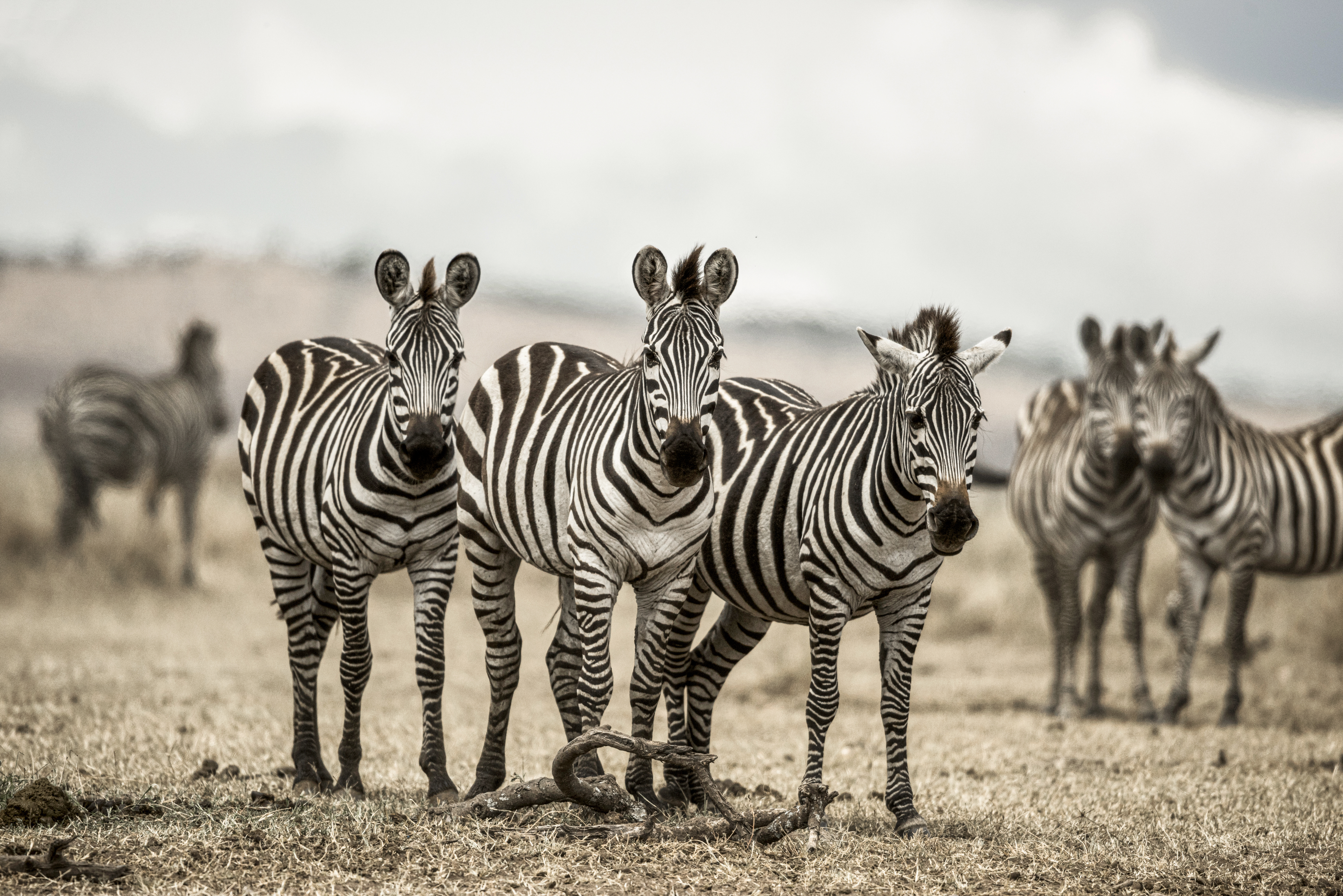
East Africa is where the safari image in your head comes from. The Serengeti, Ngorongoro Crater, Tarangire, the Masai Mara and the mountain gorillas of Rwanda and Uganda sit within an easy circuit of one another, and no other region matches the density of big game. The trade-off is roads: outside the main towns you will spend time on dirt, and light aircraft do much of the connecting. In exchange you get wildlife viewing that genuinely does not exist elsewhere, plus Kilimanjaro at 5,895 metres and Zanzibar an hour's flight from the plains.
Southern Africa suits travellers who want serious wildlife without leaving the comfort of good infrastructure. South Africa has motorways, world-class wine estates, Cape Town and malaria-free Big Five reserves in the Eastern Cape, which makes it the easiest African vacation to self-drive and a sound choice with small children. Botswana's Okavango Delta and Namibia's dunes are magnificent and correspondingly expensive. Game densities in most southern parks are lower than in the Serengeti, but the landscapes are extraordinary and the logistics are the gentlest on the continent.
North Africa is a different holiday altogether, and an excellent one. Morocco gives you Marrakesh, Fez, the Atlas Mountains and the Sahara within a week, at a fraction of safari prices and three or four hours from most European cities. Egypt gives you the Pyramids, Luxor and a Nile cruise, which for many travellers is a trip of a lifetime in its own right. Neither offers meaningful wildlife. If you want history and big game both, treat them as two separate holidays in africa rather than one exhausting hybrid.
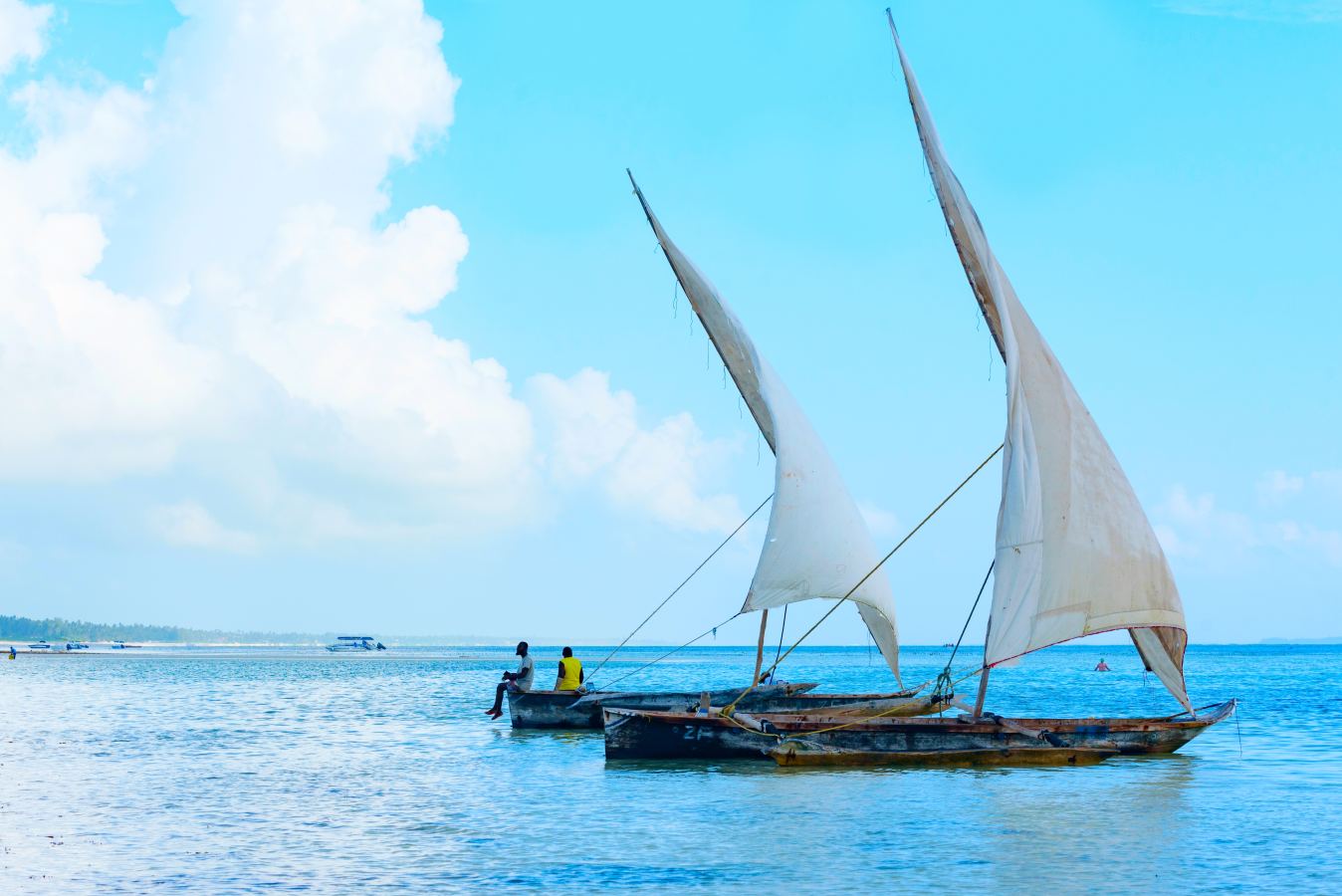
The Indian Ocean islands are why so many africa package vacation itineraries end on sand. Zanzibar is the most practical for a first trip: an hour's flight from the safari circuit, far cheaper than Mauritius or the Seychelles, with Stone Town's history alongside the beaches. Mozambique's Bazaruto archipelago is quieter and superb for diving. Mauritius and the Seychelles are beautiful but sit a long way east, which makes them a poor pairing with an East African safari.
When to go: dry season, green season and the rhythm of the year
For wildlife, seasons matter more than anything else you decide. East Africa's classic dry months run from late June to October, when the grass is short, the bush is thin and animals concentrate around the remaining water — the peak window, and when the wildebeest reach the Mara River. A second dry spell falls from late December to February, which in Tanzania brings the calving season on the southern Serengeti plains around Ndutu, when half a million calves are born within a few weeks and the predators follow them everywhere.
The long rains fall roughly from late March into May. Rates drop substantially, the landscape turns green and the light is beautiful, but grass grows tall, some tracks become difficult and a handful of remote camps close entirely. Southern Africa's dry season runs May to October, peaking in September when waterholes shrink and viewing in Botswana and Zambia becomes exceptional. North Africa reverses the logic: avoid July and August, when Marrakesh and Luxor turn genuinely uncomfortable, and travel in spring or autumn instead.
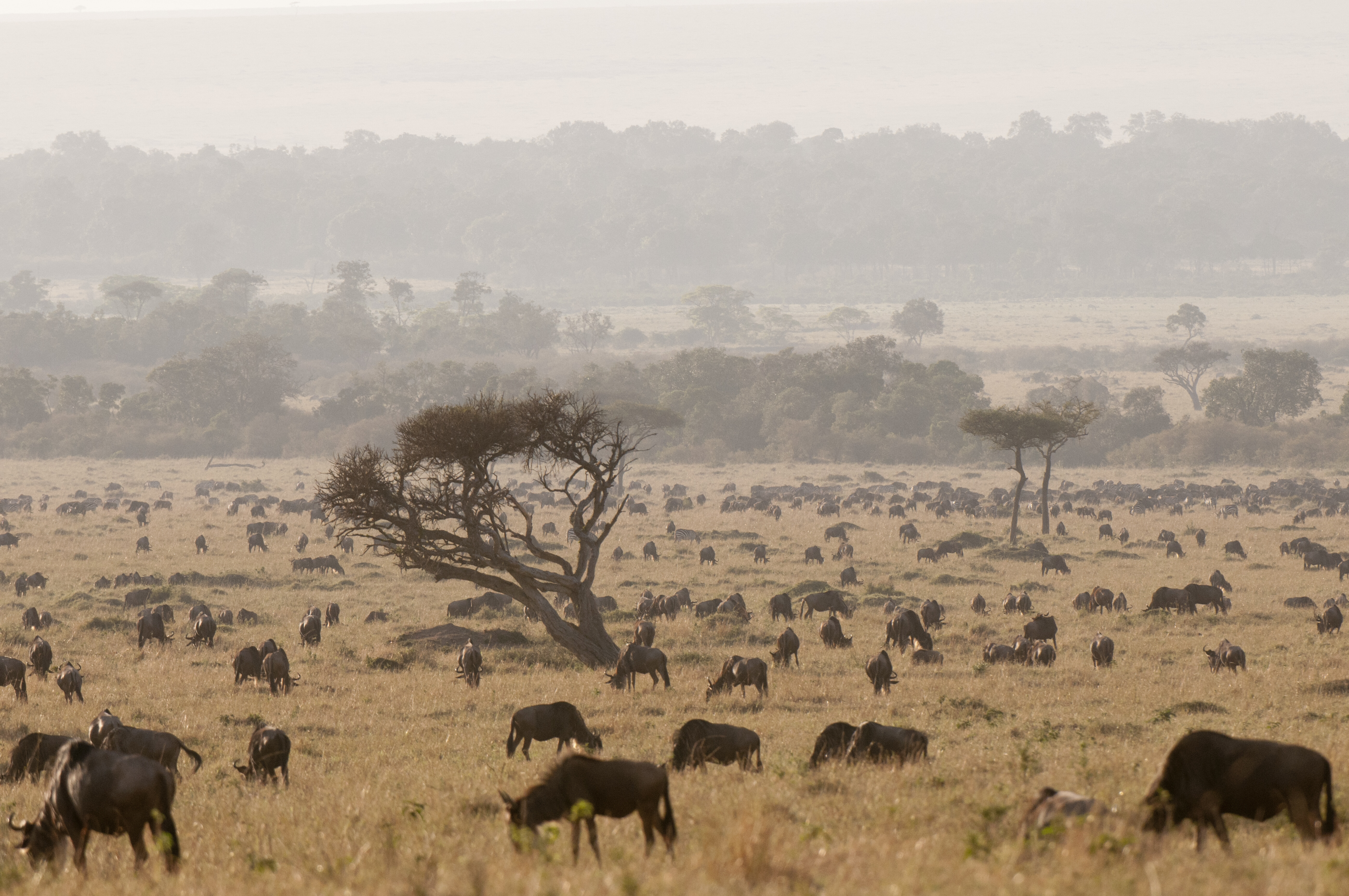
One honest caveat about peak season. June to October is the best time to travel in East Africa and everybody knows it, so northern Serengeti camps sell out twelve to eighteen months ahead for the river-crossing weeks of July and August. If your dates are flexible, June and October deliver close to peak conditions at noticeably lower rates and with fewer vehicles at sightings. If you have school-age children and no flexibility, book early rather than compromising on the camps that actually matter.
What Africa holidays actually cost
Costs vary more within Africa than between most other continents, so quoted averages are close to useless. What follows are realistic per-person, per-day land costs for East African safaris in 2026, excluding international flights. A genuine budget camping safari runs roughly 200 to 350 US dollars per day. Mid-range lodges and small tented camps sit around 400 to 650 dollars. Proper luxury camps with private vehicles run 750 to 1,200 dollars, and the ultra-luxury tier of exclusive-use camps and private guides starts near 1,500 and climbs without a ceiling.
Those numbers surprise people, and the reason is park fees. Tanzania charges roughly 70 to 100 dollars per person per day simply to be inside the Serengeti, plus a Ngorongoro Crater fee running to several hundred dollars per vehicle for a single descent, plus concession and camping levies. Around a third of a mid-range safari price is government fees no operator can discount. When africa tour packages are advertised at an impossibly low headline price, the fees are usually excluded or the nights are being spent outside the parks.
Elsewhere the arithmetic changes completely. A self-drive South Africa or Namibia trip can be done well on 120 to 250 dollars per person per day, because you are paying for a hire car and guesthouses rather than a guide, a vehicle and park levies. Morocco and Egypt sit comfortably in the 80 to 200 dollar range. Add international flights of roughly 900 to 1,600 dollars from the UK or United States, and a realistic first African vacation budget for two people, ten days, mid-range, lands near 12,000 dollars all in.
How long you need
For a first safari, seven to ten days on the ground is the honest minimum. Fewer than five nights and a disproportionate share of your holiday goes to transit and jetlag. A well-shaped ten-day Tanzania trip might run three nights in the Serengeti, one on the Ngorongoro Crater rim, two in Tarangire and three on Zanzibar, with internal flights removing the long drives. Two weeks lets you add the wilder southern parks, Ruaha and Nyerere, or a second country such as Kenya or Rwanda without the pace becoming punishing.
If you only have a week, choose one country and one circuit. If you have three weeks and genuinely want a multi-region journey, the sane version is two countries with a single long connection between them — Tanzania and Rwanda, or South Africa and Botswana — rather than four countries and six flights. Africa rewards depth over breadth, and the travellers who come home happiest are almost always the ones who stayed longer in fewer places than their first draft itinerary suggested.
Visas, vaccinations and the practical paperwork
Visas are straightforward and mostly online now. Tanzania issues an e-visa in advance for around 50 dollars for most nationalities, with US passport holders paying 100 dollars for a multiple-entry version; apply two to three weeks ahead rather than relying on arrival counters. Kenya uses an electronic travel authorisation, South Africa and Morocco are visa-free for many Western passports, and Egypt sells a visa on arrival. Check your passport's requirements with the embassy rather than a forum, and carry six months' validity and two blank pages.
On health, the requirement that catches people out is yellow fever. Tanzania and Kenya do not demand the certificate from travellers arriving directly from Europe or North America, but they do require it if you have been in a yellow-fever endemic country, including a lengthy airport transit, so check your routing carefully. Your travel clinic will typically recommend hepatitis A, typhoid and up-to-date tetanus, plus rabies cover for longer or more remote trips. Book that appointment six to eight weeks before departure, since some courses need staging.
Malaria, safety and money, honestly
Malaria is real and it is manageable. Most East African safari areas are malarial, and the sensible approach is prophylaxis prescribed by your doctor — atovaquone-proguanil or doxycycline are the usual choices — combined with repellent, long sleeves at dusk and the mosquito net your camp already provides. The Ngorongoro Crater rim and Kilimanjaro's higher slopes are effectively risk-free by altitude, and much of South Africa's Eastern Cape is malaria-free, which is worth knowing if you are travelling with young children.
Africa is fifty-four countries. Judging a Tanzanian safari by a headline from two thousand miles away is like cancelling a trip to Rome because of unrest in Minsk.
On safety, the honest position is that the safari regions of Tanzania, Kenya, Botswana, Namibia and rural South Africa are calm, and that the practical risks on a well-run trip are road travel and the sun rather than crime or wildlife. Cities require ordinary urban sense. The parks, meanwhile, are among the most controlled environments you will travel in. Read government advisories at country and region level rather than reacting to continental headlines, which are almost never about the place you are going.
Money is simpler than it looks. US dollars are widely accepted for park fees, tips and larger purchases across East Africa, and notes should be 2009 or newer or they may be refused. Carry small denominations for tipping, use local currency in markets, and expect ATMs in towns but not inside the parks. Cards work at lodges and larger hotels, rarely in between. Budget roughly 20 to 30 dollars a day for your driver-guide's tip and 10 to 15 for camp staff.
Related reading: Last-minute safari in Tanzania: how late can you book?.
Why Tanzania makes the strongest single first trip
Having laid out the alternatives fairly, here is our case. Tanzania concentrates more of what people actually come to Africa for into one manageable circuit than anywhere else: the Serengeti and the Great Migration, the Ngorongoro Crater with its permanent resident game, Tarangire's elephants and baobabs, Kilimanjaro for those who want to climb, and Zanzibar for the finish. You can experience all of it from a single arrival at Kilimanjaro International Airport, linked by short internal flights rather than long border crossings, in ten days.
None of that makes Tanzania right for everyone. If you want to drive yourself, go to South Africa or Namibia. If your passion is history rather than animals, go to Egypt or Morocco and do it properly. If you want to walk through big-game country with a guide, Zambia's South Luangwa does it better than anywhere. Good african vacations start with an honest match between the traveller and the place, and any operator claiming their own country answers every question is selling rather than advising.
Plan your first trip with us
If you have narrowed it down to East Africa, that is our home ground and we would be glad to help. We are based in Arusha, we drive these routes ourselves, and we would rather talk you into the right seven days than sell you a longer itinerary that spends its afternoons on the road. Tell us your dates, your rough budget and what you most want to see, and Sokwe Africa Safaris will send back a realistic plan with the park fees and the trade-offs shown honestly.