
Is Zanzibar a country? The short answer
Is Zanzibar a country? No. It is a semi-autonomous archipelago within the United Republic of Tanzania, which means it sits under the Tanzanian flag at the United Nations, uses the Tanzanian shilling and is defended by the Tanzanian army. But if you have been told that Zanzibar is simply an island off the Tanzanian coast, the way an island elsewhere is simply a province, you have been told something misleading. Zanzibar has its own president, parliament, flag, courts and immigration service, and you will meet at least one of those in person.
That combination catches travellers out constantly. People expect an internal hop from Arusha or Dar es Salaam and instead queue at a passport desk. Others assume they need a second visa and pay for something they already hold. As an Arusha-based operator moving guests between the mainland parks and the islands every week, we spend a lot of time explaining this relationship. It is worth understanding, because the history behind it is one of the more remarkable stories in East Africa.
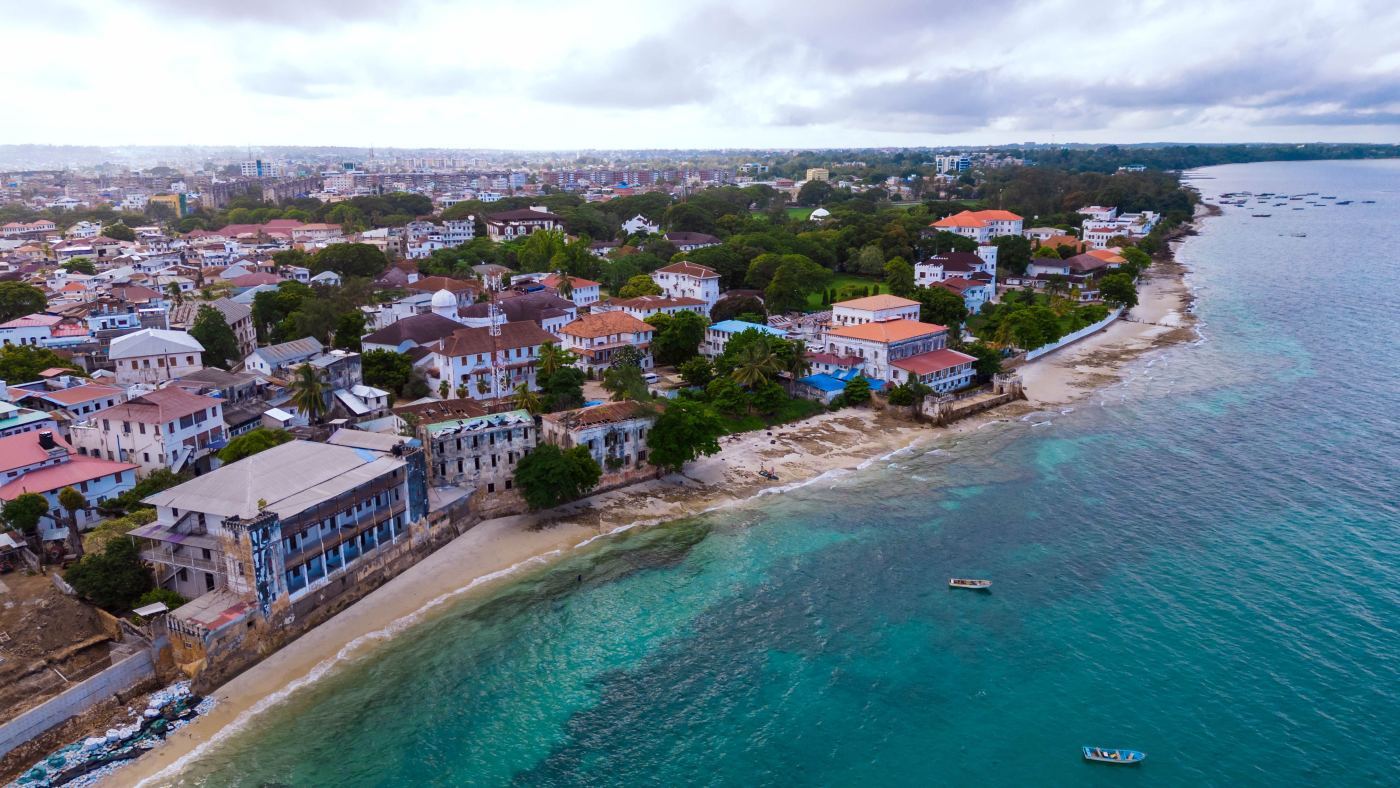
What semi-autonomous actually means here
Semi-autonomous is a phrase used loosely, so it helps to be concrete. Zanzibar is one of two parts of a union of two former states. The union has a president, a parliament and a government that handle an agreed list of matters for both. Everything not on that list, Zanzibar handles for itself, through its own Revolutionary Government of Zanzibar and its own House of Representatives. It is not a devolved region receiving powers from the centre; it is a founding partner that kept much of what it already had.
In practice that means Zanzibar sets its own budget, collects much of its own revenue, runs its own health and education systems, licenses its own hotels and controls who enters and leaves the islands. It also means the archipelago diverges from the mainland on things travellers notice — trading hours, alcohol rules, dress expectations, even the tourist levies charged at hotels. The islands are Unguja, which almost everyone simply calls Zanzibar, and Pemba to the north, plus a scatter of smaller islets.
Sultans, cloves and the Indian Ocean world
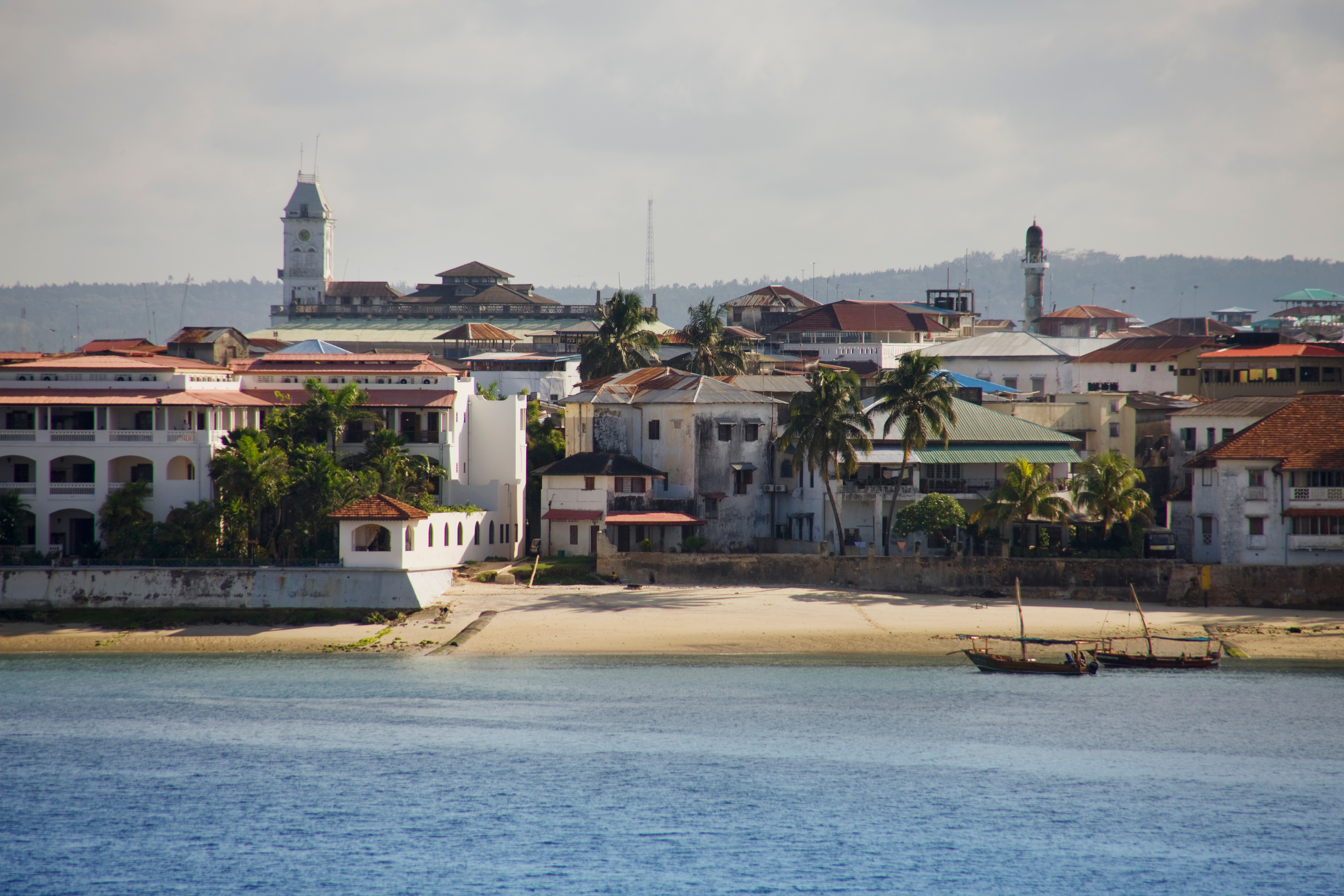
To understand why Zanzibar kept so much, you need to know that it was not a backwater that got absorbed. It was a capital. In 1840 the Omani ruler Seyyid Said moved his court from Muscat to Stone Town, making a small Indian Ocean island the seat of an Arabian empire. Its monsoon-driven trade in cloves, ivory and, notoriously, enslaved people made it one of the wealthiest ports on the east coast of Africa, with a sultan whose writ ran deep into the mainland interior.
That wealth is still legible in Stone Town's carved doors, its merchant architecture and its former slave market, now a sobering memorial. The Sultanate became a British protectorate in 1890 but was never a mere colony in the way Tanganyika was — the sultan remained, the institutions remained, and the island's identity as a distinct polity survived. When Britain granted Zanzibar independence in December 1963, it did so as a separate sovereign state with its own seat at the United Nations. For one month, Zanzibar genuinely was a country.
The 1964 revolution and how Tanzania got its name
It did not last. In January 1964, weeks after independence, a revolution overthrew the sultan and the Arab-dominated government that had inherited power. It was swift and violent, the sultan fled into exile, and a revolutionary government under Abeid Amani Karume took control. Zanzibar today dates its calendar from that event; Revolution Day on 12 January remains a public holiday, and the ruling structures still carry the word revolutionary in their formal names. The revolution is not distant history here — it is the founding act of the modern islands.
Three months later, in April 1964, Karume and Julius Nyerere of newly independent Tanganyika signed the Articles of Union. The two states merged into one, initially and clumsily called the United Republic of Tanganyika and Zanzibar. By October it had a name that has since become one of the most recognisable in Africa, formed by splicing the halves together: Tan from Tanganyika, Zan from Zanzibar. The country's name is quite literally a portmanteau of the two partners, which tells you something about how the union was meant to work.
What Zanzibar governs and what is a union matter
The Articles of Union set out a list of union matters — the areas handled jointly for both parts. Defence and security, foreign affairs, citizenship, national immigration policy, currency and central banking, and external trade all sit on that list, which has grown over the decades and been argued about ever since. This is why Zanzibar has no embassies of its own, no separate currency, no army and no seat at the United Nations, and why a Zanzibari passport is a Tanzanian passport.
Everything else is Zanzibar's own. The archipelago elects its own president, a substantial head of government rather than a ceremonial figure, and its own House of Representatives, which legislates for the islands. It flies its own flag alongside the Tanzanian one — a blue, black and green tricolour with the national flag in the canton — and runs its own immigration and customs service at its ports and airport. The is Zanzibar part of Tanzania question comes down to holding both halves of that sentence at once.
- Zanzibar's own: president, House of Representatives, flag, courts, budget, immigration service, tourism and hotel licensing
- Union matters: defence, foreign affairs, citizenship, currency, central bank, external trade
- Shared: Tanzanian passport, Tanzanian shilling, one visa covering both
- The name: Tanganyika plus Zanzibar equals Tanzania, from the 1964 union
The separate immigration desk most travellers do not expect
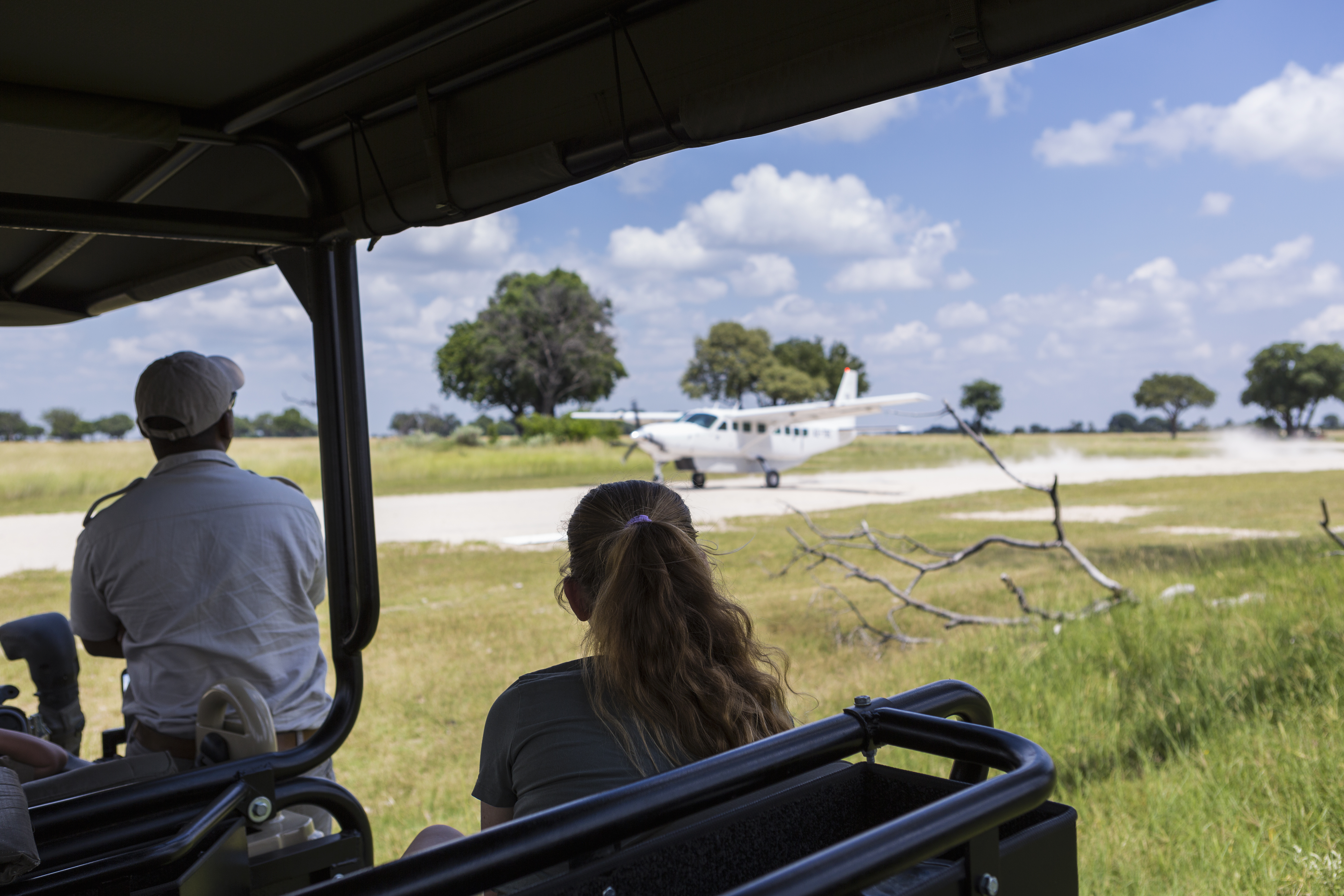
Here is the consequence that matters most on the day. When you fly from the mainland to Zanzibar — from Arusha, Kilimanjaro, Dar es Salaam or straight off a Serengeti airstrip — you land at Abeid Amani Karume International Airport and walk into an immigration hall. Your passport is checked and, in most cases, stamped, and you do the same in reverse when you leave. On paper it is a domestic flight. In reality Zanzibar controls its own border and exercises that control every time.
So carry your passport in your hand luggage on that flight, not buried in a bag going into the hold, and never leave it in a camp safe. We have had guests reach the airport with their passport three hours away in a lodge room, and the answer is always the same: the flight goes without them. The check itself is quick and good-natured, with no fee and little queue on a normal day, but you cannot talk your way through it without the document.
Visas, passports and the paperwork you actually need
The good news is that one visa covers both. Immigration policy is a union matter, so the ordinary Tanzanian tourist visa is valid in Zanzibar exactly as on the mainland, and moving between the two does not consume an entry on a single-entry visa. For most nationalities that visa costs around fifty US dollars; United States passport holders pay around one hundred for a multiple-entry visa. Applying through the official Tanzanian eVisa portal beforehand is far less stressful than queuing on arrival.
There is one Zanzibar-specific requirement that has caught people out since late 2024: an inbound travel insurance policy bought from the designated Zanzibar provider, payable per visitor for stays up to around three months and required in addition to whatever cover you already hold. It is bought online in advance and the confirmation may be asked for on arrival. Rules like this are set by Zanzibar, not by Dar es Salaam — precisely the point of this article — so check the current position when you book.
Flights, luggage and moving between mainland and island
Getting there is straightforward once you know the shape of it. From Dar es Salaam the flight takes about twenty minutes and costs seventy to ninety dollars, or the fast ferry crosses in roughly two hours for thirty-five to fifty. From Arusha or Kilimanjaro it is around ninety minutes in the air and typically two hundred and fifty to three hundred and fifty dollars per person one way. Coming directly off safari, light aircraft run from the Serengeti airstrips with a stop or two en route.
The luggage limit trips people up more than the immigration desk does. Light aircraft on the safari and island circuits generally allow fifteen kilograms per person in a soft-sided bag, with no rigid suitcases, and the limit is enforced with a set of scales rather than a shrug. Pack a soft duffel, keep hard cases in storage in Arusha or at your first hotel, and remember that beach clothes weigh almost nothing. Anything you cannot carry can usually be left with your operator and collected at the end.
A Muslim-majority island: what changes on the ground
The cultural difference between mainland and island is real and worth preparing for. Zanzibar is overwhelmingly Muslim, a legacy of a thousand years of Indian Ocean trade, while the mainland is split roughly between Christian, Muslim and traditional beliefs. In Stone Town and the villages you will hear the call to prayer and find that modest dress — shoulders and knees covered, for men as well as women — is expected rather than a formality. Beach resorts are their own world where swimwear is fine, but the moment you leave the sand, cover up.
Timing matters too. During Ramadan many local restaurants close in daylight hours, the pace of Stone Town changes noticeably and alcohol is harder to find outside hotels, though resorts serve guests as normal. None of this makes Zanzibar difficult to visit — it is a warm, hospitable and thoroughly tourism-literate place — but travellers who arrive expecting a generic Indian Ocean beach destination miss what makes it interesting. Treat the island as a distinct culture rather than an appendix to the safari.
Zanzibar is not a country, but it is not simply a province either — it is a former sultanate that joined a union in 1964 and kept its president, its flag and its border.
Bush and beach: how the two halves fit together
The Zanzibar Tanzania relationship is not just a constitutional curiosity — it is the reason the classic Tanzanian holiday works so well. One country, one visa, one set of internal flights, and two completely different experiences at either end of a ninety-minute hop. Most of our guests do the northern circuit first, six to nine nights across Tarangire, the Ngorongoro Crater and the Serengeti, then fly to the coast for four or five nights. Doing it in that order matters, because nobody wants a five o'clock game-drive alarm after a week of doing nothing.
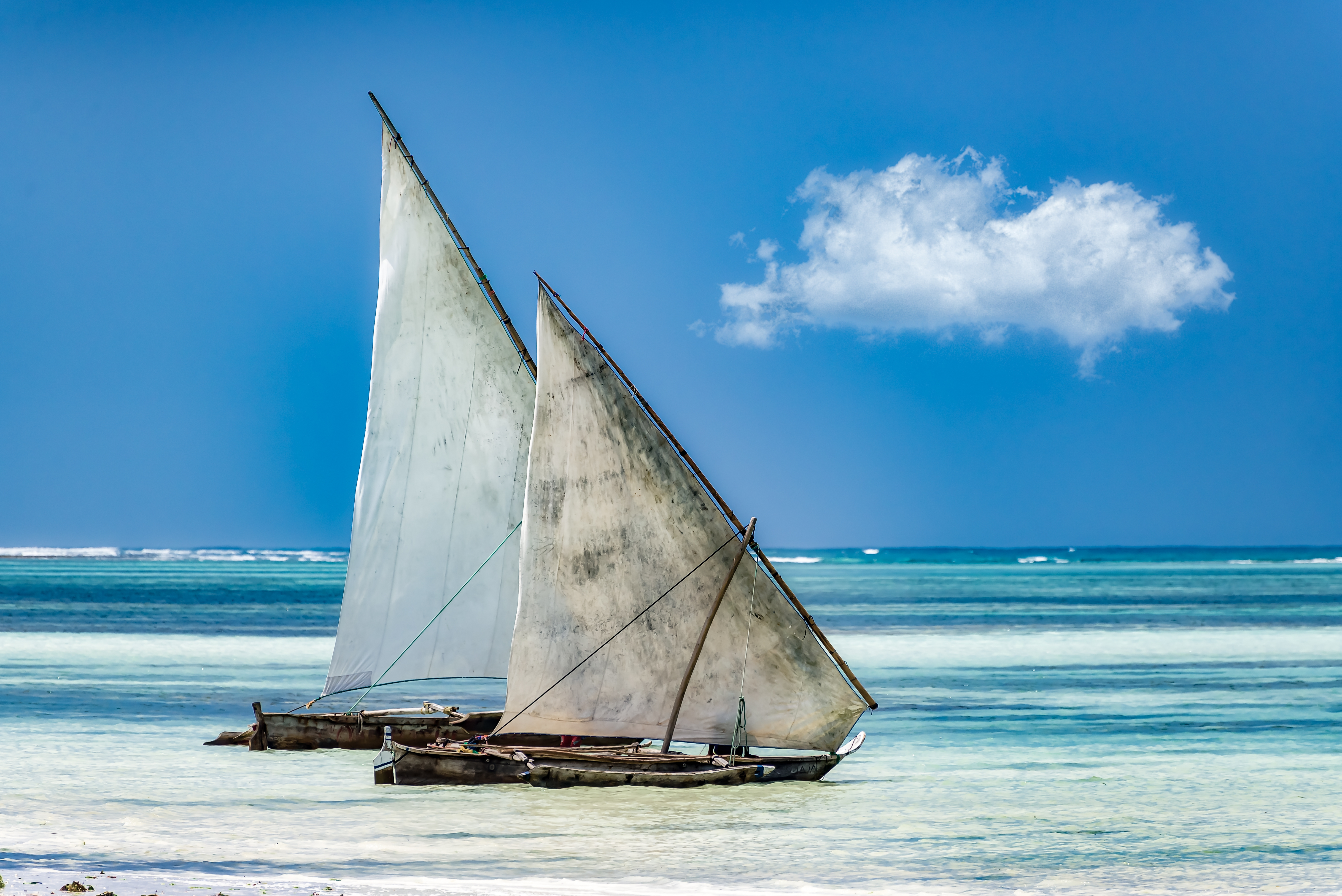
On the island itself, the honest advice is to split your time. Two nights in Stone Town gives you the history — the sultan's palace, the old fort, the slave market memorial, the spice farms inland — then three or four on the coast for the water. Nungwi and Kendwa in the north are swimmable at all tides; the east coast has vast tidal flats, beautiful but stranding at low water.
The logistics between the two halves are where trips are quietly won or lost. Safari camps run on bush schedules, light aircraft change their routings, and a missed connection in Arusha becomes a lost night on the beach. Sokwe Africa Safaris builds the whole chain — park to airstrip, airstrip to Zanzibar, immigration to resort transfer — as one continuous plan with sensible buffers rather than two bookings hoping to meet in the middle. That is the part travellers rarely picture, and the part that most determines how the trip feels.
Plan your Tanzania and Zanzibar trip
So: not a country, but not a mere province either. Zanzibar is a former sultanate that was independent for a month, had a revolution, joined a union in 1964, gave half its name to Tanzania and kept its president, parliament, flag and border. For you as a traveller that means one visa, one passport, one shilling — and a passport check on a domestic flight, a soft bag on the scales and a different culture at the other end. Mainland safari then island beach: tell us your dates and we will handle both halves and every transfer between them.