

The short answer: yes, with ordinary caution
Is Zanzibar safe? The honest answer, from a Tanzanian operator who sends guests to the island most weeks of the year, is yes — broadly and genuinely safe, and safer than a good many holiday destinations nobody thinks to ask about. Violent crime against tourists is rare. What does exist is opportunistic petty theft, persistent beach touts and a handful of well-worn scams. Those are irritations rather than dangers, and they are almost entirely avoidable once you know what they look like.
We say this without glossing over the problems. Bag snatching happens, particularly in the narrow lanes of Stone Town after dark. Phones left on sun loungers disappear, drivers overcharge, and a small number of visitors each year have genuinely unpleasant encounters. But the scale matters: the overwhelming majority of the hundreds of thousands of people who visit Zanzibar each year go home having lost nothing worse than an afternoon to a slow ferry. If you are weighing up whether zanzibar safety is a reason to change your plans, it is not.
What the real risks actually are
Rank the risks honestly and the list looks nothing like the one people arrive with. Petty theft comes first by a wide margin: unattended phones and wallets, bags left on beach towels, the occasional snatch in a crowded market. Second come road accidents, an under-discussed risk anywhere in East Africa. Third are health issues that have nothing to do with crime — sunburn, dehydration, an upset stomach. Fourth, and only fourth, come the confidence tricks that dominate the online forums.
Notice what is missing. Armed robbery of tourists is uncommon, and the political tensions that occasionally surface around Tanzanian election periods have not translated into danger for holidaymakers in the resorts. Zanzibar is a conservative, religious, family-oriented society with very low levels of interpersonal violence, and that cultural fabric is the real reason the island feels calm. Understanding this ordering helps you spend your caution where it counts — on your bag, on the road and on the sun.
Stone Town at night
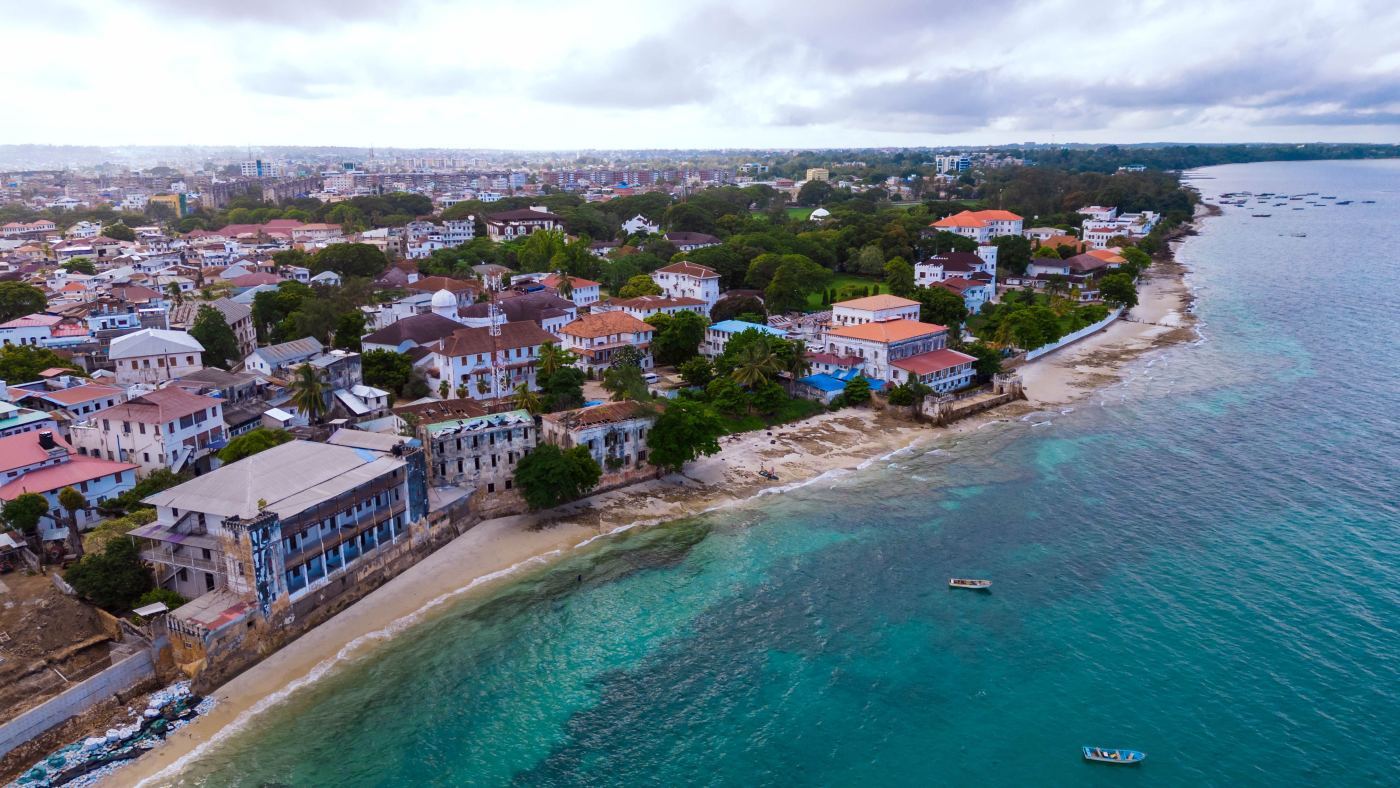
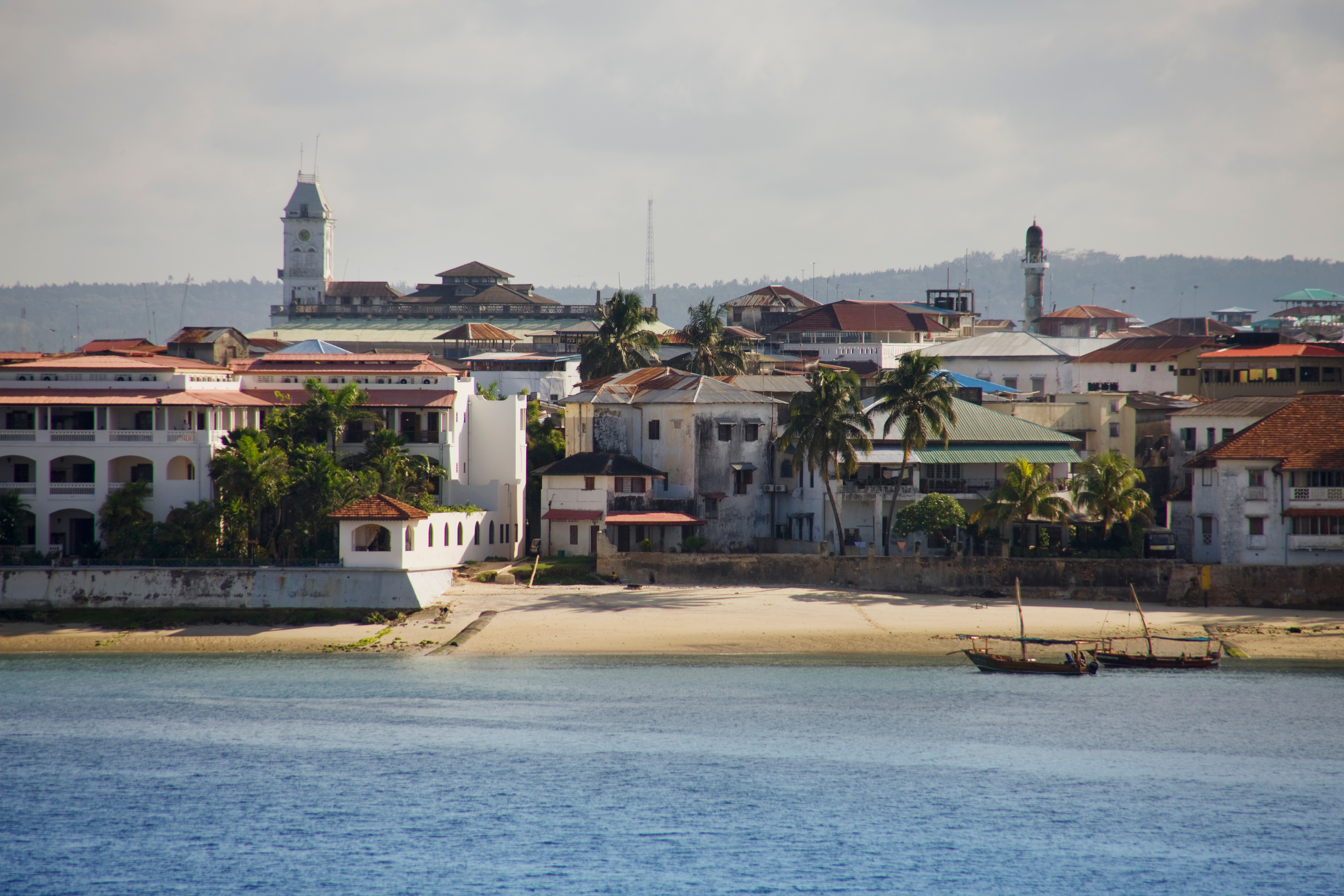
Stone Town is the one place where the question of is zanzibar safe for tourists needs a properly specific answer. By day it is busy, watched and entirely fine: markets, spice shops, museums, hundreds of people going about their business. After dark the character changes. The lanes are unlit in stretches, they twist unpredictably, and by ten or eleven o'clock large parts of the old town are empty. Narrow, dark and deserted is where the island's small number of bag snatches tend to happen, almost always to someone walking alone with a phone in their hand.
The answer is not to avoid Stone Town at night, which would be a shame, but to walk the lit and populated routes. The seafront from Forodhani Gardens past the House of Wonders stays busy until late, as do the streets around the main hotels. Take a taxi rather than walking back through the interior lanes; a short hop across the old town costs three to five US dollars and removes the question entirely. Walk with someone, keep your phone in a pocket rather than a hand, and Stone Town after dark is a pleasure.
Papasi and beach boys: how to decline politely
The word you will hear is papasi — Swahili for ticks, and the local nickname for the unlicensed touts who work the ferry terminal, the Stone Town waterfront and the busier beaches at Nungwi, Kendwa and Paje. They sell boat trips, tours, taxis and sunglasses, and the persistent ones will walk beside you for a hundred metres. On the beaches you will also meet the beach boys, young men offering snorkelling trips, jewellery, hair braiding and, with women travellers, sometimes companionship. Almost none of this is dangerous; nearly all of it is simply tiring.
The technique that works is warmth plus finality. Make brief eye contact, smile, say "hapana, asante" — no, thank you — and keep walking at the same pace. Do not stop, do not explain, and do not say "maybe later", which is heard as an opening. Do not take an item into your hand, because a bracelet placed on your wrist becomes a negotiation. If someone persists past two refusals, stepping into a hotel lobby or restaurant ends it, since papasi are unwelcome in those spaces and know it. Rudeness is unnecessary; consistency is what actually works.
The common scams, and how they work
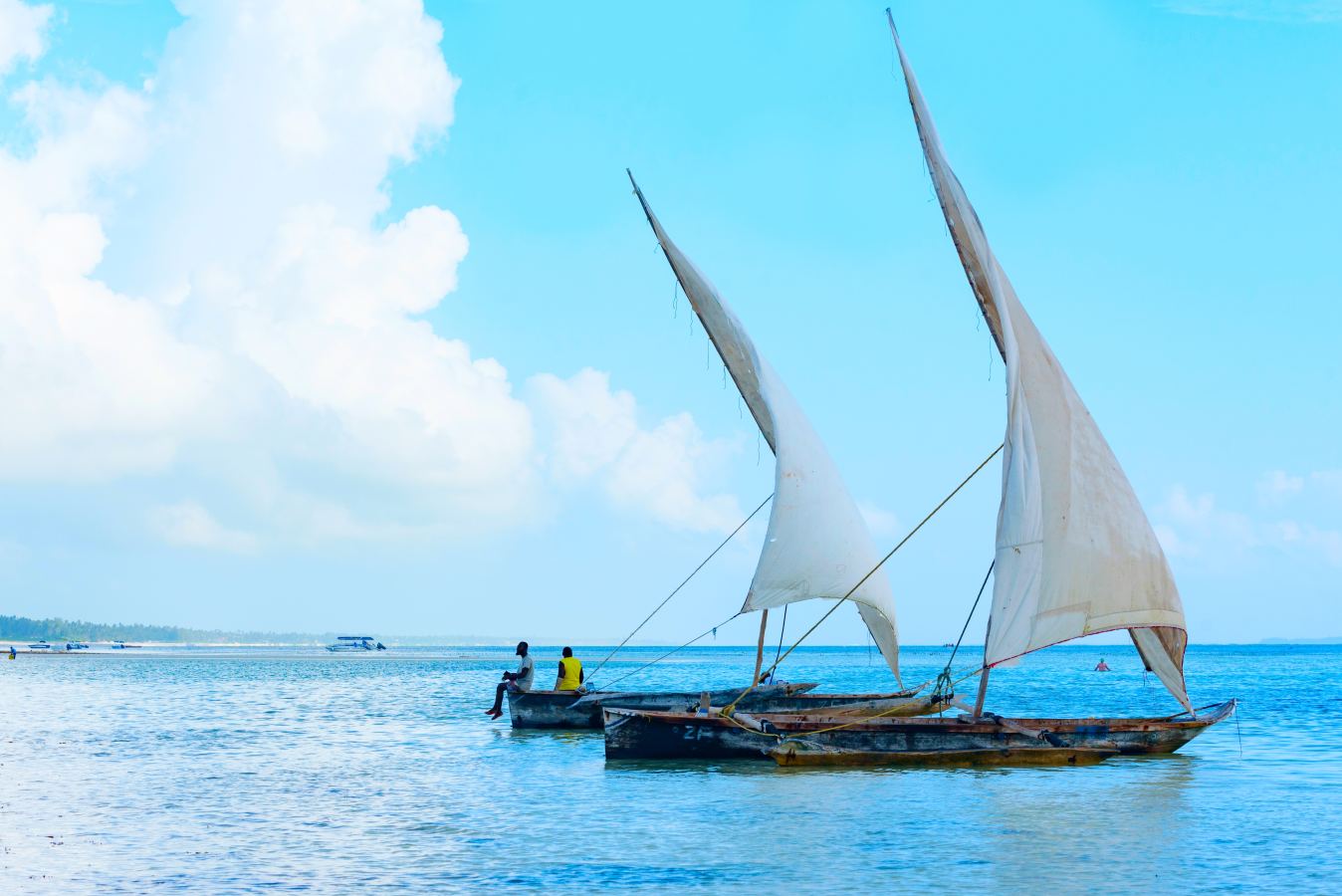
Zanzibar's scams are unimaginative, which makes them easy to spot. The commonest is the unlicensed boat trip: a very good price for a snorkelling excursion to Mnemba or a sandbank, paid in cash up front, on a boat with no radio, no life jackets and no insurance. Sometimes the boat simply never appears. The second is the taxi with a broken meter and a price agreed only at the destination, which then triples. The third is the spice tour or "free" cultural visit that ends in an aggressive sales pitch and an inflated bill for lunch nobody ordered.
The first of those is a safety issue rather than a money one: any excursion arranged on the sand carries no vetting whatsoever, and the sea around Zanzibar has real currents and enormous tidal ranges. The prevention is identical and boring in every case — book activities through your hotel or operator, agree taxi fares before you get in, never pay a stranger in full up front, and treat a price dramatically below the going rate as information about the operator rather than a bargain.
Getting around: taxis, roads and the sea
Transport is where the genuine physical risk on Zanzibar sits, and it gets far less attention than it deserves. The roads are narrow, unlit outside the towns and shared with scooters, dala-dalas and pedestrians; the drive from Stone Town to the north or east coast takes an hour to ninety minutes and is safer in daylight. Agree a price before departure — roughly fifteen to twenty US dollars from the airport into Stone Town, forty-five to sixty across the island to Nungwi, Paje or Jambiani — and use a driver your hotel knows rather than one who approached you.
Renting a scooter or quad bike is the single most likely way for a visitor to be seriously hurt on Zanzibar: unfamiliar roads, sand on the tarmac, no helmet culture and travel insurance that frequently will not cover you without the correct licence. We advise guests against it, plainly. The Dar es Salaam ferry is a reasonable option, but take the established fast-ferry services rather than the cheapest boat available, and if the sea looks rough, the short flight from Dar is money well spent.
Solo female travellers, couples and families
Zanzibar is a reasonable and popular destination for women travelling alone, and thousands do it happily every year. The honest caveats are these. You will get more attention than a couple would — conversation on the beach, questions about whether you are married, the occasional persistent admirer. It is almost always verbal rather than physical, and it responds to the same calm firmness that works with the papasi. Where it becomes a real problem is late at night, alone, on an unlit beach or lane. On whether Zanzibar is safe for solo female travellers, our answer is yes, with those specifics respected.
Choose accommodation in a walkable, populated area rather than an isolated stretch of coast, so an evening out does not end in a long dark walk home. Couples have an easier time of it — the attention drops sharply — and families have the easiest time of all. Zanzibaris are warm with children to a degree that surprises many visitors, and children are welcome almost everywhere. The real family risks are the sun, the enormous east-coast tidal range that empties the lagoons entirely at low water, and the roads — not people.
Health basics: water, sun and mosquitoes
Do not drink the tap water. This single sentence covers the great majority of holidays that go wrong on Zanzibar. Bottled or filtered water only, including for cleaning your teeth, and be alert to ice and to salads at the cheapest establishments. Reputable hotels and restaurants handle this properly, and food from a busy kitchen is generally fine. Street food at Forodhani Gardens is a genuine pleasure, but choose stalls with a queue and food cooked in front of you.
Zanzibar sits six degrees south of the equator, and the sun is stronger than nearly every visitor expects — burns happen within twenty minutes in the middle of the day, and the sea breeze hides it completely. High-factor sun cream, a hat, shade between eleven and three, and more water than you think you need. Malaria is present though far less prevalent than on the mainland: take prophylaxis as advised by your doctor, use repellent at dusk and dawn, and sleep under the net. Insure for medical evacuation to the mainland or Nairobi.
Ramadan, dress code and cultural respect
Zanzibar is a predominantly Muslim island, and this shapes how you dress far more than it shapes your safety. In the beach resorts and on hotel property, swimwear is entirely normal and nobody minds. In Stone Town, the villages and the local markets, covering shoulders and knees is the expectation for women and men alike, and a light scarf or kaftan over a swimsuit is all it takes. Be clear about why: the dress code is a matter of respect, not fear. It will not protect you from a threat that does not exist — it simply means you are treated with the warmth ordinarily extended to a considerate guest.
Ramadan deserves planning rather than avoidance. The month moves roughly eleven days earlier each year, falling in February and March across 2026 and 2027, and during it many local restaurants close by day and eating or smoking in the street in Stone Town is read as discourteous. Hotels continue to serve guests as normal, so the impact on a beach holiday is small, and Eid at the end of the month is genuinely joyful. Two other habits travel well: greet people before asking a question, and always ask before photographing anyone.
If you are planning this route, read Zanzibar vacation: how to plan the perfect island week.
The island is safe in the way most of the world is safe — nothing dramatic will happen to you, but your phone still belongs in your pocket rather than on a sun lounger.
The precautions that cover most of the risk
Almost everything that goes wrong on Zanzibar is prevented by a short list of unremarkable habits, and no elaborate security thinking is required beyond them. Keep your phone out of your hand in crowds and out of sight on the beach, agree every price in advance, and decline touts warmly and consistently.
- Drink bottled or filtered water only, including for teeth
- Agree taxi fares before you get in — USD 15-20 airport to Stone Town
- Book boat trips through your hotel, never from the beach
- Use the hotel safe; carry only the day's cash
- Cover shoulders and knees away from the resorts
- Take a taxi through Stone Town's interior lanes after dark
- Skip the scooter and quad-bike hire entirely
- Insure for medical evacuation, and check the scooter exclusions
The one factor that outweighs all of the above is who you travel with. A hotel in a sensible location with a night presence and its own reliable drivers removes most of the situations in which anything happens at all. A driver known to your operator will not overcharge you, will not take a dark shortcut and will wait rather than leave you on a roadside. A boat operator with life jackets and a radio turns a snorkelling trip from a gamble into an afternoon.
Travel Zanzibar with people who know the island
Zanzibar is safe enough that we send our own families there without a second thought. Keep your valuables out of sight, take a taxi through Stone Town after dark, say a warm and final no to the papasi, drink bottled water, respect the dress code away from the beaches, and skip the scooter. That is genuinely the whole list.
At Sokwe Africa Safaris we arrange Zanzibar both as a beach finale to the northern circuit and as a destination in its own right, and we choose the transfers, drivers, boat operators and hotels on the same basis every time — safety and reliability first, then the view. Tell us your dates, who is travelling and whether you want Stone Town's history, the quiet east coast or the livelier north, and we will put together a Zanzibar trip you can simply enjoy. Get in touch through our contact page and we will reply with a plan and an honest opinion.
Frequently asked questions
Is Zanzibar safe?
Yes, broadly and genuinely safe, and we send our own families there. Violent crime against tourists is rare; what exists is opportunistic petty theft, persistent touts and a few tired scams. Keep your phone out of sight, agree taxi fares in advance, take a taxi through Stone Town's lanes after dark, and skip scooter hire entirely.
Is Zanzibar a country?
No. Zanzibar is a semi-autonomous archipelago within the United Republic of Tanzania, with its own president, parliament and immigration desk, which is why you show your passport even on the short hop from Dar es Salaam or Arusha. The occasional political tension around Tanzanian election periods has not translated into danger for holidaymakers.
Is Zanzibar safe for solo female travellers?
Yes, and thousands travel alone happily every year. Expect more attention than a couple would draw — beach conversation, questions about whether you are married, the occasional persistent admirer — almost always verbal, and answered by the same calm firmness that works with the papasi. Avoid unlit beaches and lanes alone late at night, and choose a walkable, populated base.
Is Stone Town safe at night?
By day it is busy, watched and entirely fine. After dark the lanes are unlit in stretches and largely empty by ten or eleven, which is where the island's handful of bag snatches tend to happen. Walk the lit seafront from Forodhani Gardens, keep your phone pocketed, and take a taxi through the interior lanes for three to five US dollars.
Can you drink the tap water in Zanzibar?
No — bottled or filtered water only, including for cleaning your teeth, and be wary of ice and salads at the cheapest establishments. This single habit prevents the great majority of holidays that go wrong here. Reputable hotels handle water properly, and Forodhani street food is a genuine pleasure if you choose busy stalls cooking in front of you.
What should you wear in Zanzibar?
Swimwear is entirely normal on hotel property and in the beach resorts. In Stone Town, the villages and the local markets, shoulders and knees covered is the expectation for women and men alike, and a light kaftan or scarf over a swimsuit is all it takes. It is courtesy on a Muslim island, not a safety precaution.