Why park fees are the biggest hidden number on your quote
Ask any operator to break down a safari quote and one line will surprise you: Tanzania park fees are often the single biggest cost after your accommodation, and on a mid-range trip they can exceed it. On a typical five-day northern circuit safari, the fees paid to the parks authorities commonly add up to somewhere between $600 and $800 per person — before you have slept a night in a lodge or driven a mile in a safari vehicle. Understanding how these fees work is the fastest way to understand why safaris cost what they do, and to judge whether a quote is honest.
This guide explains the fee system as it stands in 2026: the per-24-hour structure, what the Serengeti, Ngorongoro, Tarangire and Lake Manyara actually charge, the concession and camping fees that apply when you sleep inside a park, how it all stacks up on a real itinerary, and where the money ultimately goes. One caveat before we start: fees are set by TANAPA and the Ngorongoro authority and change by government gazette, sometimes at short notice, so the figures here are indicative ranges. When Sokwe quotes your safari, we always use the exact current published fees.
How Tanzania park fees work: the 24-hour rule
The first thing to grasp is that Tanzanian park fees are not a one-off ticket but a rolling charge per 24-hour period, per person, from the moment you pass through the gate. Stay in the Serengeti for three days and you pay the entry fee three times. The same applies to your vehicle, which pays its own daily fee, and to your driver-guide, who pays a resident rate. This is why longer stays in the premium parks add cost so quickly, and why a well-designed itinerary sequences the parks to avoid paying for 24-hour blocks you barely use.
On top of the headline fee, Tanzania applies 18 per cent VAT to park entry, which many published fee tables quietly omit. A Serengeti fee listed at $80 is actually $94.40 at the gate once VAT is added, and the same uplift applies across the board. Fees are also seasonal in the major parks, with a high-season rate roughly from July to March and a lower rate in the April to June green season. Whenever you compare quotes or research a tanzania safari cost online, check whether the numbers you are reading include VAT — the difference is nearly a fifth.
Serengeti park fees in 2026
The Serengeti sits at the top of the fee table, as you would expect of Tanzania's flagship park. In 2026 the adult entry fee is in the range of $70 to $80 per person per 24 hours depending on season — around $70 in the low season from April to June and around $80 in the high season — plus the 18 per cent VAT, bringing the real gate price to roughly $83 to $95 per adult per day. A typical three-day Serengeti stay therefore carries $250 to $285 per person in entry fees alone, before vehicle fees and the concession fees covered below.
Serengeti park fees are worth every dollar — this is the ecosystem that hosts the great migration and some of the densest predator populations on Earth — but they do shape sensible planning. Because the clock runs in 24-hour blocks, entering the park mid-morning and leaving mid-morning days later uses your paid time efficiently, while a late-afternoon entry followed by an early final-day exit can mean paying for a block you scarcely touch. A good operator times gate crossings deliberately, which is one of several quiet ways expert planning saves real money on the northern circuit.
Ngorongoro: entry fees plus the crater service fee
Ngorongoro is the fee structure that catches most travellers out, because you pay twice. First there is the conservation area entry fee, around $70 to $80 per adult per 24 hours plus VAT, payable simply for being inside the Ngorongoro Conservation Area — which you will be, even in transit, because the main road to the Serengeti runs straight through it. Second, and separately, descending into the crater itself incurs a crater service fee of roughly $295 per vehicle plus VAT for a single visit of up to six hours on the crater floor.
The crater service fee is charged per vehicle rather than per person, which changes the arithmetic depending on your group. For a couple travelling privately, $295 plus VAT split two ways adds roughly $174 per person to the day; for a family of five it is closer to $70 each. This is one reason crater day trips can look expensive for two people and reasonable for six, and one of the trade-offs we talk through when designing private itineraries. Whatever the group size, almost everyone who stands on the crater floor among the lions and rhino considers it money well spent.
Tarangire, Lake Manyara and the rest of the circuit
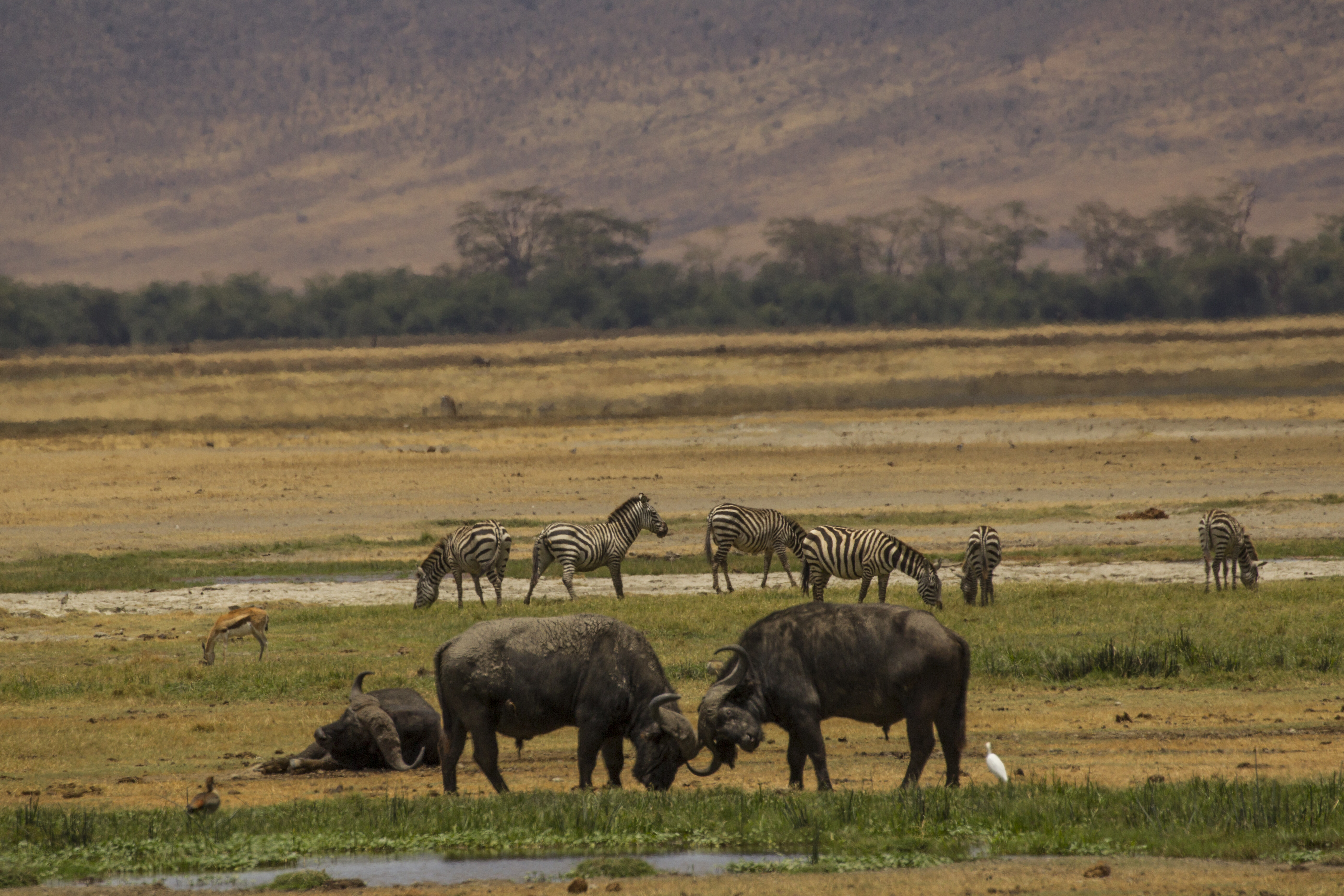
The other northern parks are gentler on the wallet. Tarangire and Lake Manyara both charge in the region of $50 to $60 per adult per 24 hours plus VAT, so a real gate cost of roughly $59 to $71 per day. Arusha National Park sits in a similar band, and the southern giants Ruaha and Nyerere are comparable or slightly less, which is part of why longer southern safaris can be surprisingly good value. These parks deliver enormous rewards for the fee — Tarangire's elephant herds and baobabs in particular rival anything in East Africa.
The practical lesson is that park sequencing affects your total meaningfully. A day in Tarangire costs roughly $25 to $35 less per person in fees than a day in the Serengeti, and a crater visit is the single most expensive day on almost any itinerary. None of this means you should skip the premium parks — the Serengeti and the crater are unmissable for good reason — but it does mean a thoughtfully built route balances the fee burden across the week rather than stacking every expensive element together, which is exactly the kind of judgement a local operator brings.
Concession and camping fees: the price of sleeping inside a park
Entry fees are not the whole story, because sleeping inside a national park attracts its own nightly charges. Lodges and permanent camps inside the Serengeti and other parks sit on concessions, and a concession fee — typically around $50 to $60 per person per night plus VAT — applies for every night you sleep within the boundary. It is usually folded invisibly into your accommodation rate, but it is a genuine per-night government charge, and it explains part of the price difference between a camp inside the Serengeti and a lodge just outside the gate.
Camping safaris pay a different set of fees. A pitch at a public campsite inside a park runs at roughly $35 to $50 per person per night plus VAT, while special campsites — private, unfenced sites in prime locations — cost more, generally $50 to $60 per person. These fees are the backbone of budget camping safari pricing, and they are also why a genuinely cheap quote should make you pause: the fees are fixed by government, so if a price looks too low to cover them, something else in the trip is being cut. Our budget safari guide covers how to spot this.
A worked example: fees on a real five-day safari
Here is how the fees stack on a classic five-day northern circuit for two adults sharing a private vehicle: day one in Tarangire, day two crossing into the Ngorongoro Conservation Area, day three descending the crater and driving on to the Serengeti, and days four and five in the Serengeti before flying out. Tarangire costs about $71 each with VAT. Ngorongoro entry applies for roughly two 24-hour periods at about $94 each with VAT, and the crater service fee adds about $174 per person for a couple once the $295 vehicle fee is split and VAT added.
The Serengeti then charges roughly two to three 24-hour periods at about $94 each, and two nights sleeping inside the park adds concession fees of about $59 to $71 per person per night. Add the daily vehicle entry fees, spread across two travellers, and the total lands between roughly $650 and $800 per person — for the fees alone. That is frequently a third or more of a mid-range safari's entire price, which is why our safari cost guide treats park fees as the first building block of any realistic budget rather than an afterthought.
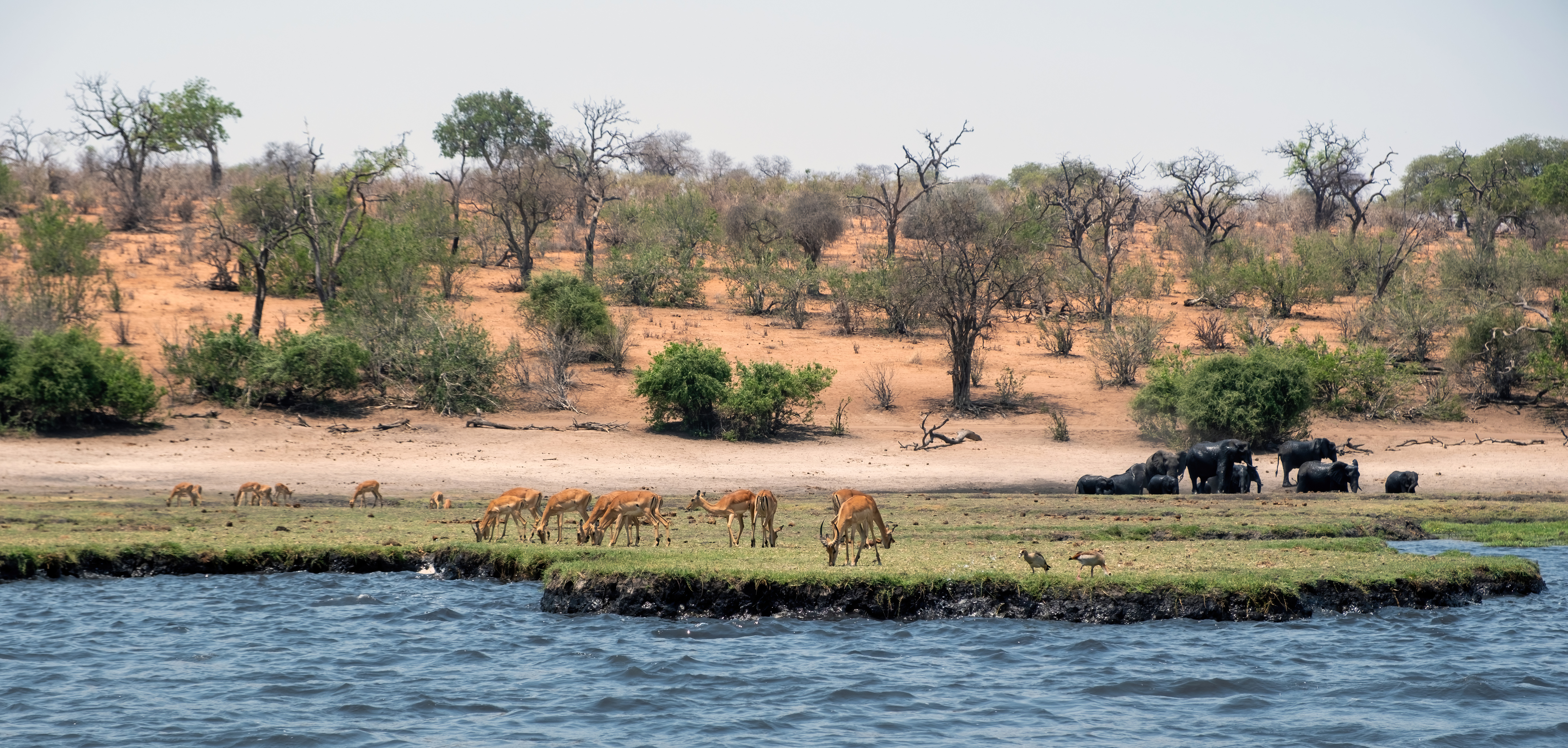
- Serengeti entry ~$70–80 per adult per 24h + 18% VAT
- Ngorongoro entry ~$70–80 + crater service ~$295 per vehicle
- Tarangire and Lake Manyara ~$50–60 per adult per 24h
- Concession fees ~$50–60 per person per night inside parks
- Camping ~$35–60 per person per night
- Worked five-day example: ~$650–800 per person in fees
High season, low season and children's rates
Seasonality gives you one genuine lever on fees. The major parks charge their higher rate roughly from July through March and drop to the lower rate in the April to June green season, a saving of around $10 to $15 per person per park day before VAT. Across a week that is modest on its own, but green-season savings on accommodation are far larger, and together they can cut a tanzania safari cost by 25 to 40 per cent. If your dates are flexible and you are happy with dramatic skies and some rain, the low season is a legitimate bargain.
Families get meaningful relief too. Children under five enter the parks free, and children aged five to fifteen pay a heavily reduced rate — typically around $20 to $25 per child per 24 hours in the premium parks, roughly a quarter to a third of the adult fee, plus VAT. The crater service fee is per vehicle, so it costs a family nothing extra. For a family of four with two school-age children, the fee bill for the same five-day itinerary drops by several hundred dollars compared with four adults, which makes Tanzania friendlier to family safaris than many first-time planners expect.
Where the money goes
It is fair to ask what you get for all this, and the answer is: the safari itself. Park fees fund TANAPA's ranger force and anti-poaching patrols, road and airstrip maintenance, ecological monitoring and the daily machinery of protecting more than 100,000 square kilometres of wild Tanzania. In the Ngorongoro Conservation Area, fees also support the resident Maasai communities who share the land with the wildlife. Tanzania has chosen a high-fee, lower-volume model precisely to keep the parks wild and the visitor numbers sustainable — the fees are the price of the wilderness staying wilderness.
That context matters when the numbers feel steep. The Serengeti's lion prides, the crater's rhino and the elephant herds of Tarangire exist in 2026 because a funded, functioning protection system stands behind them, paid for substantially by visitor fees. When you pay $94 at the Serengeti gate, you are not buying a ticket to a show; you are underwriting the survival of the thing you came to see. Most travellers, once they understand this, stop seeing the fees as a tax on their holiday and start seeing them as the most defensible line on the invoice.
Park fees are not a tax on your safari — they are the reason there is still a safari to take.
Build your budget with our safari cost guide, see how much does a safari cost, compare savings in our budget safari guide, or browse our safari packages with fees included.
If you are planning this route, read The cheapest time to visit Tanzania (without ruining the safari).
More on this in Safari with children in Tanzania: an honest guide.
More on this in Lake Manyara or Tarangire: which park should you visit? Facts, differences and how to choose.
Why serious operators quote fees inclusive
You will notice that reputable Tanzanian operators, Sokwe included, quote safaris with all park fees, crater fees, concession fees and VAT built in. This is deliberate. Fees are unavoidable, fixed by government and payable in full at the gate, so a quote that excludes them is not cheaper — it is merely incomplete, and the difference surfaces later as an unwelcome surprise. Inclusive quoting also protects you from gazette changes: once we have confirmed your booking at a quoted price, absorbing any subsequent fee adjustment is our problem to manage, not yours.
The corollary is that comparing safari quotes only works when you compare like with like. Two quotes $400 apart may describe identical trips, one with fees included and one without; two identical prices may hide very different itineraries, one spending its days in $50 parks and the other in the Serengeti. The honest test of any quote is transparency: a good operator can show you, line by line, exactly which fees your itinerary incurs, for which parks, on which days, and at the current gazetted rates. If an operator cannot or will not do that, keep looking.
Get a quote with every fee shown line by line
Park fees are the most misunderstood part of safari pricing, and the easiest to get wrong when planning from abroad — rates change by gazette, VAT hides in the small print, and the 24-hour clock rewards local knowledge. Every Sokwe quote shows the park fees line by line: each park, each day, each concession night, at the exact current rates, so you can see precisely where your money goes before you commit. Tell us your dates, group size and wish list, and we will send you a fully transparent, fee-inclusive itinerary within a day or two.
Ask Sokwe for a line-by-line safari quote