

Two currencies, one country
Ask about Tanzania currency and you will get a slightly surprising answer: in practice, the country runs on two. The official money in Tanzania is the Tanzanian shilling, and it is what you will use in markets, taxis, local restaurants and small shops. But the safari industry — park fees, lodges, camps, tour operators and tips — prices almost everything in US dollars. Understanding this dual reality is the single most useful piece of money advice we give our guests, and once you grasp it, everything else about paying your way in Tanzania falls neatly into place.
The practical rule is simple. Anything connected to your safari or organised tourism will be quoted, and usually paid, in dollars: your tour price, lodge extras, balloon flights, tips for guides and camp staff. Anything local — a beer in town, a taxi across Arusha, a kanga from a market stall, a plate of chips mayai from a street kitchen — is shilling territory. Carry both, in sensible amounts, and you will never be caught out. This guide explains exactly how to do that, from the notes to bring to how much cash you actually need per week.
The Tanzanian shilling explained
The Tanzanian shilling (TZS) comes in notes of 500, 1,000, 2,000, 5,000 and 10,000 shillings, plus small coins you will rarely need. At recent exchange rates you get roughly 2,500 to 2,700 shillings to the US dollar, so a 10,000 shilling note — the largest — is worth only about four dollars. That means even a modest bundle of shillings feels bulky, and it is worth keeping a rough mental converter handy: think of 10,000 TZS as about $4, 25,000 TZS as about $10, and you will bargain and tip with confidence.
Shillings are what ordinary Tanzania runs on, and using them is both practical and courteous. Small vendors often cannot change dollars at all, and those who accept them will give you a poor rate. You do not need to arrive with shillings — they are difficult to buy abroad anyway, and it is technically restricted to export them — so plan to draw or exchange money in Tanzania on arrival. Arusha, Moshi, Dar es Salaam and Stone Town all have banks, ATMs and bureaux de change, and your Sokwe driver-guide will happily stop at a reliable one on day one.
US dollars and the pre-2009 note rule
Here is the rule that catches more travellers than any other: Tanzanian banks, bureaux and businesses generally refuse US dollar notes printed before 2009, and many are wary of anything that looks worn, torn, marked or faded. The reason is a history of high-quality counterfeits of the older series, and the caution has hardened into a near-universal policy. Before you fly, go to your bank and specifically request new-series bills — crisp, clean notes dated 2009 or later, ideally the most recent designs — and check every note yourself before packing them.
Denominations matter too. Larger bills of $50 and $100 attract a noticeably better exchange rate at bureaux than $1, $5 and $20 notes, so bring big bills for changing into shillings and a good stack of small bills for tipping and direct dollar payments. A sensible mix for a one-week safari is a few hundred dollars in fifties and hundreds plus $100 or so in ones, fives and tens. Keep them flat and dry in an envelope — a pristine $100 note is genuinely worth more in Tanzania than a crumpled one.
Where cards work — and where they do not
Credit and debit cards work well in exactly the places you would expect: established lodges, camps and hotels, larger restaurants in Arusha and Zanzibar, and tour operators like us. Almost all of them, however, add a card surcharge of around 3 to 5 per cent to cover processing costs, so a $200 lodge extras bill quietly becomes $206 to $210. Visa is distinctly more widely accepted than Mastercard, and American Express is best regarded as unusable outside a handful of international hotels. If you carry two cards, make at least one a Visa.
Everywhere else, Tanzania is a cash economy. Markets, curio stalls, village shops, small local restaurants, taxis and most cultural experiences take cash only, and even some smaller camps in remote areas have no card machine or too little connectivity to run one reliably. The safe planning assumption is this: use cards for large, predictable bills at lodges if you are happy paying the fee, and carry enough cash for everything else. Tell your bank you are travelling before you fly, or your first Tanzanian transaction may trigger a fraud block at the least convenient moment.
ATMs in Arusha, Moshi and Zanzibar
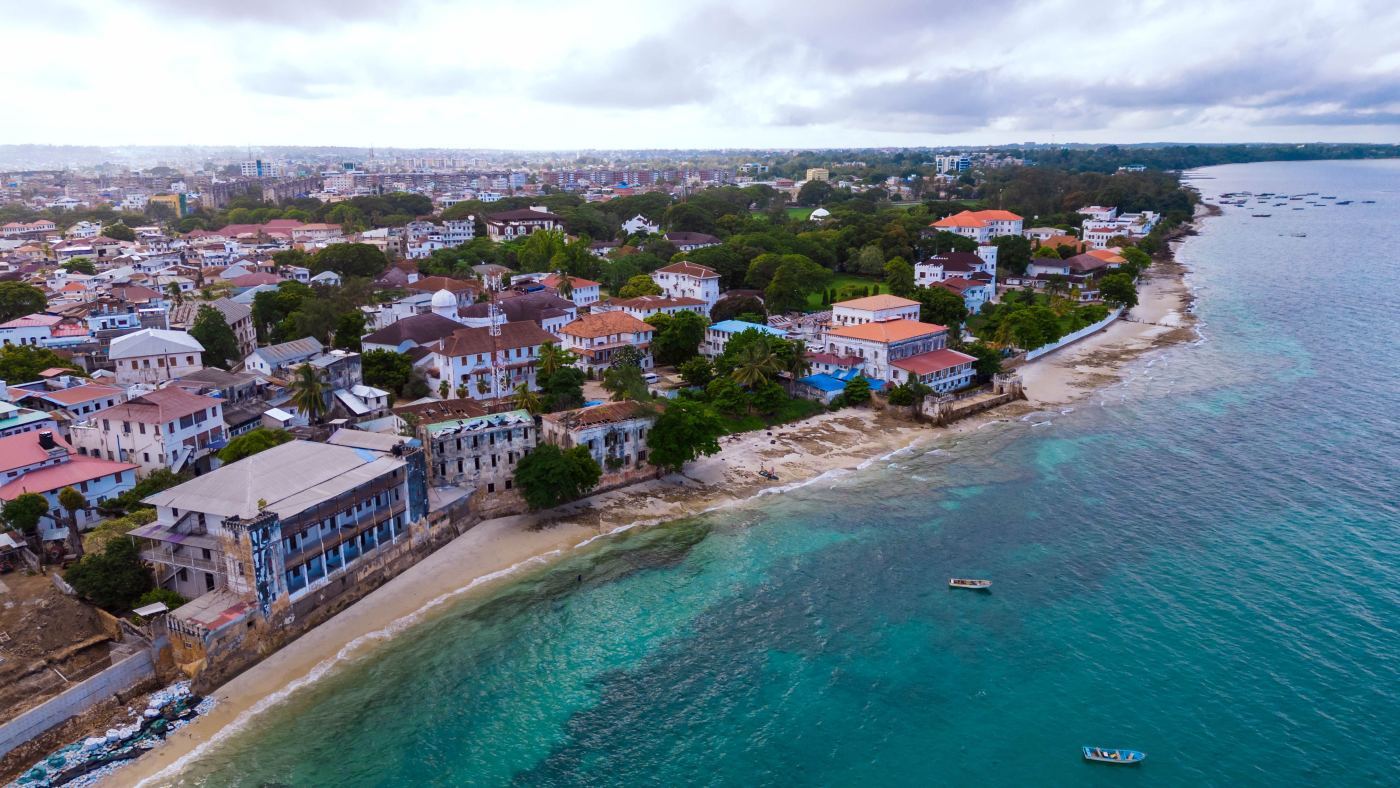
ATMs are plentiful in the towns you will pass through and essentially absent once you enter the parks, so the golden rule is to withdraw what you need before the safari begins. In Arusha, reliable machines from CRDB, NMB, Stanbic and Absa cluster around the Clock Tower and along Sokoine Road; Moshi has a similar spread through the town centre; and on Zanzibar you will find ATMs in Stone Town and at the airport, though far fewer near the beach villages. Machines dispense shillings only, typically with a per-withdrawal limit of around 400,000 TZS, roughly $150.
That limit matters for planning. Because each withdrawal carries a local machine fee of a few dollars plus whatever your home bank charges, several small withdrawals cost noticeably more than a couple of large ones — but the cap means drawing serious cash takes multiple transactions. Our advice: make one or two maximum withdrawals in Arusha or Moshi on arrival day, use machines attached to bank branches during daylight hours, and never rely on finding a working ATM later in the trip. Machines do run empty, especially on Zanzibar around holidays, and the bush has none at all.
How much cash to carry per week
On a Sokwe safari almost everything is prepaid — park fees, accommodation, meals, game drives and transfers — so your cash needs are smaller than most first-timers expect. For a typical week, we suggest $300 to $500 per person in cash. The largest single item is tips, which usually run $150 to $250 per guest for the week across your driver-guide and camp staff; our guide to tipping on safari breaks the amounts down role by role. The rest covers drinks, laundry, souvenirs, the odd taxi and small local purchases.
Split that sum sensibly: perhaps $200 to $300 in small-denomination US dollars for tips and dollar payments, and the equivalent of $100 to $150 in shillings for the local economy. Couples can share the shilling float but should budget tips per person. If you are adding a Zanzibar week, add another $100 to $200 for beach extras, seafood dinners in Stone Town and spice-tour tips. And for how this pocket money fits into the overall tanzania safari cost, from park fees to lodge tiers, our full safari cost guide sets out the complete budget picture.
Mobile money and M-Pesa
Spend a day in Tanzania and you will notice that locals rarely use cards at all — they pay with their phones. Mobile money, led by Vodacom's M-Pesa along with Tigo Pesa, Airtel Money and Halopesa, is how tens of millions of Tanzanians pay for everything from electricity to market vegetables, and the green and red agent kiosks are on every street. It is a genuinely world-leading system, and East Africa adopted phone-based payment years before contactless cards became normal in Europe and America.
For visitors, though, M-Pesa is context rather than a tool. Registering requires a Tanzanian SIM card and identification, and while it is perfectly possible if you buy a local SIM for data anyway, most guests on a one- or two-week safari simply never need it — cash and cards cover everything comfortably. Where it helps to know about it: some small guesthouses and activity providers quote M-Pesa numbers for payment, and your guide can often pay by phone on your behalf while you settle with them in cash. Useful to understand, unnecessary to set up.
What things actually cost on the ground
A feel for local prices makes everything easier, from bargaining to tipping. A cold Kilimanjaro or Serengeti beer costs around 5,000 shillings — about $2 — in a local bar, and more like $4 to $6 at safari lodges. A soda is about 1,000 shillings, a good local lunch 8,000 to 15,000, and a meal at a smart Arusha restaurant $10 to $20. A taxi across Arusha or Moshi runs 10,000 to 15,000 shillings depending on distance and your bargaining, and short boda-boda motorbike hops cost a couple of thousand — agree every fare before you get in.
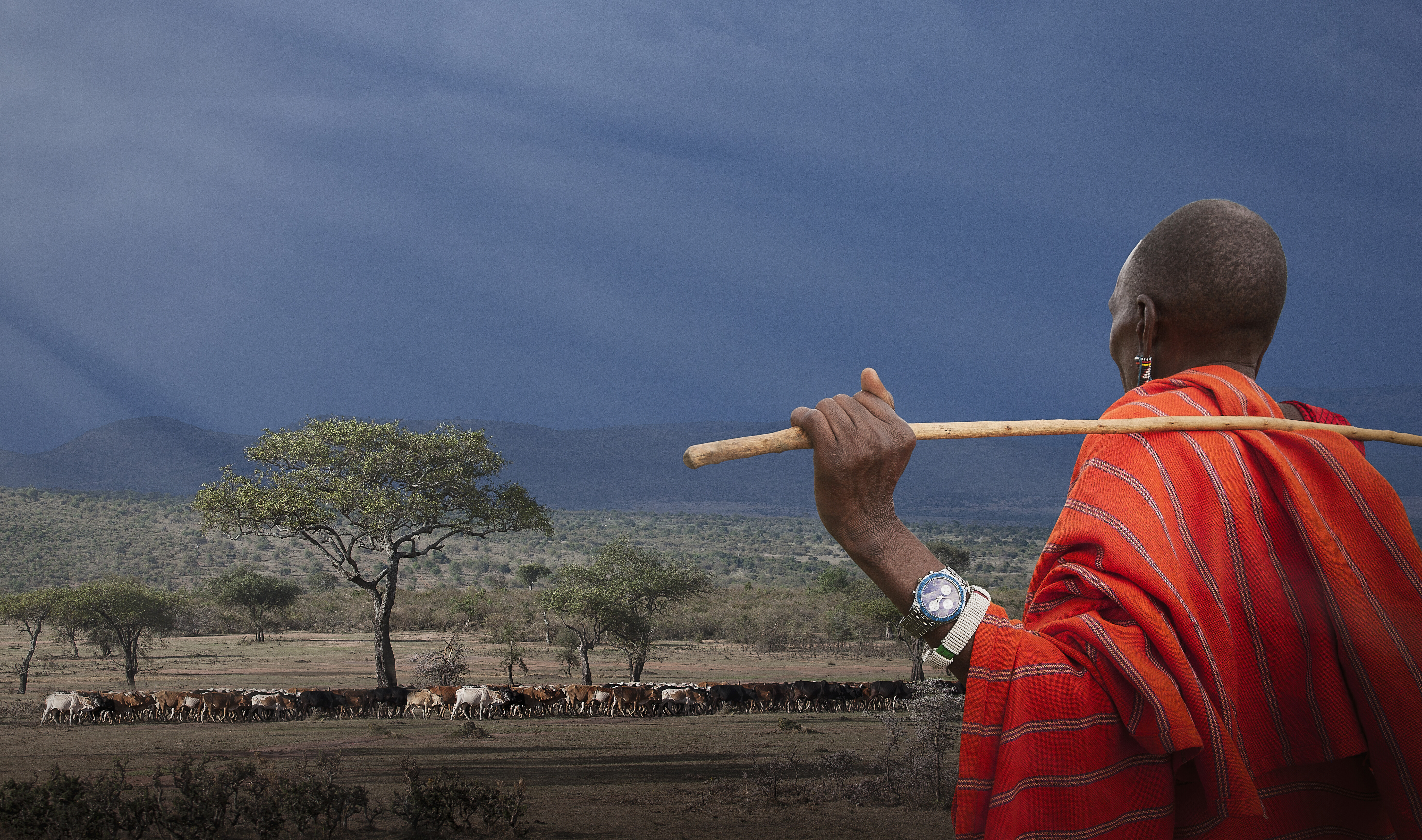
Souvenirs are where shillings and good-natured bargaining come together. At curio markets, opening prices are an invitation, not a verdict: Maasai beaded bracelets settle around 5,000 to 15,000 shillings, kanga and kitenge fabrics 10,000 to 25,000, and carved pieces anywhere from $10 to $100-plus depending on size and quality, with tinga tinga paintings similar. Bargain with a smile, decide what the piece is worth to you, and remember the difference you are haggling over is often a dollar or two that matters more to the seller. Fixed-price craft shops in Arusha exist for those who would rather not bargain at all.
Safe money habits that locals would recognise
Tanzania is a welcoming, largely safe country, and sensible money habits are the same ones locals use. Split your cash between two or three places — a day wallet with modest amounts, the rest sealed in your luggage or, better, in the room safes that virtually all lodges and camps provide. Carry only what the day needs, keep your day wallet in a front pocket or zipped bag in towns, and avoid counting large sums in public. Photograph your cards and passport, and keep a small emergency stash of dollars separate from everything else.
A few specific habits pay off. Change money only at banks and licensed bureaux, never with street changers offering suspiciously good rates — that trade ends badly. Count your shillings at the counter before walking away, and check change from big notes carefully, since the 2,000 and 10,000 notes are easily confused at dusk. Keep a dedicated envelope of small, crisp dollar bills for tips so you are never fumbling through your main funds in front of others. None of this is about danger; it is simply the unhurried, low-key way experienced travellers handle money anywhere.
Common money mistakes to avoid
Since we started welcoming guests in 2020, we have seen the same few mistakes repeated, and all are easily avoided. The classic is arriving with old or damaged dollar bills and discovering nobody will take them — check the dates before you fly. Close behind: assuming cards will work everywhere and landing with $50 in cash, then finding the tipping envelope empty at the end of an otherwise perfect week. Third is leaving ATM withdrawals until the last town before the park gate, where the single machine is empty, offline or besieged.
The gentler errors cost money rather than embarrassment. Exchanging money at the airport at poor rates when a town bureau the next morning would give several per cent more. Paying small shilling purchases in dollars and absorbing a dreadful implied rate. Forgetting to notify your bank and losing card access for a day while you sit on hold to a fraud line from a lodge deck. And over-drawing shillings at the end of the trip, then discovering they are hard to change back — spend down your shillings in your final days and keep your reserve in dollars instead.
Bring crisp post-2009 dollars for the safari world, draw shillings for the street — get that one habit right and money in Tanzania is simple.
The short version of everything above is the same checklist we send in our pre-departure pack alongside the packing list: order new-series US dollars from your bank, mix large notes for exchange with a thick supply of ones, fives and tens for tipping, notify your bank of your travel dates, carry a Visa as your primary card, and make one or two large ATM withdrawals in town on arrival day before splitting everything between your day wallet and the room safe.
- US dollars: post-2009, crisp and clean — large notes for exchange, small notes for tips
- Shillings for markets, taxis, beers and street life; draw in Arusha, Moshi or Stone Town
- Cards: Visa first, expect a 3–5% surcharge at lodges, cash everywhere else
- Budget $300–500 cash per person per week, most of it for tips
- ATM limit is around 400,000 TZS per withdrawal — draw before the parks
- Spend your last shillings before you fly; keep your reserve in dollars
Your next step
Sorting out the money side of a Tanzania trip? Start here:
- What an all-inclusive Tanzania safari covers
- The best luxury safari lodges in the Serengeti and Ngorongoro
Or tell us your dates and what you want from the trip and our Arusha team will reply with a tailored proposal, usually within 24 hours — contact Sokwe Africa Safaris.
More on this in Gran Meliá Arusha: the safari gateway hotel explained.
More on this in Is Tanzania safe from Ebola? What we know and what travellers should do (12 October 2026).
Related reading: Is Arusha safe for tourists? A local safari company's honest guide.
If you are planning this route, read Do safari guides carry guns in Tanzania? What armed rangers do and what your guide does not.
Let us take the money worries off your list
Money should be the least interesting part of your safari, and with a little preparation it will be. The dual-currency rhythm of Tanzania — dollars for the safari world, shillings for the street — becomes second nature within a day, and everything else is detail: the right notes, one good ATM stop, a tipping envelope and a sensible float. Every Sokwe itinerary is priced transparently in US dollars with park fees, accommodation and meals included, so the cash you carry is genuinely just pocket money, not a budget you have to manage on the move.
Our pre-departure pack tells you exactly what cash to bring — the denominations, the tip amounts for your specific itinerary, and where we will stop for the ATM on day one — so you land in Arusha already knowing the answers. Book with Sokwe Africa Safaris and we handle the rest, from the park gates to the room safes. Tell us your dates and dreams through our contact page, and let us plan a Tanzania safari where the only currency that really matters is time in the wild.
Plan your Tanzania safari with Sokwe Africa Safaris
Frequently asked questions
What currency is used in Tanzania?
The Tanzanian shilling (TZS) is the official currency, issued in notes of 500, 1,000, 2,000, 5,000 and 10,000, at roughly 2,500 to 2,700 shillings to the US dollar. In practice the country runs on two currencies: shillings for markets, taxis and local restaurants, and US dollars for safaris, lodges, park fees and tips.
Can I use US dollars in Tanzania?
Yes, throughout the safari world: tour prices, lodge extras, balloon flights and tips are all quoted in dollars. Two rules matter. Notes printed before 2009, or looking worn, torn or marked, are widely refused, so ask your bank for crisp new-series bills. Bring fifties and hundreds for exchanging, plus plenty of ones, fives and tens for tipping.
Do credit cards work in Tanzania?
At established lodges, camps, larger Arusha and Zanzibar restaurants and tour operators, yes, though most add a surcharge of three to five per cent. Visa is far more widely accepted than Mastercard, and American Express is effectively unusable. Everywhere else, including markets, taxis, village shops and remote camps, is cash only, so tell your bank your travel dates and carry both.
How much cash should I bring to Tanzania?
For a typical week we suggest 300 to 500 US dollars per person, since park fees, lodges, meals and game drives are prepaid on a Sokwe safari. Tips account for most of it, usually 150 to 250 dollars per guest. Split the sum roughly 200 to 300 dollars in small notes and 100 to 150 dollars in shillings.
Are there ATMs in Tanzania?
Plenty in the towns, none in the parks. CRDB, NMB, Stanbic and Absa machines cluster around Arusha's Clock Tower and Sokoine Road, through central Moshi, and in Stone Town and at Zanzibar airport. They dispense shillings only, with a per-withdrawal cap of about 400,000 TZS, roughly 150 dollars, so make one or two large withdrawals on arrival day.
Is Tanzania safe for tourists?
Tanzania is a welcoming and largely safe country, and the sensible habits are simply the ones locals use. Split your cash between a modest day wallet and the room safe that every lodge and camp provides, change money only at banks and licensed bureaux rather than street changers, avoid counting large sums in public, and photograph your cards and passport.