
The season nobody recommends, and why they are wrong
The standard advice for a Tanzanian safari is to travel between June and October, in the long dry season. It is repeated so consistently that most visitors never consider anything else, and for a first trip focused on the Serengeti and the Mara River crossings it is sound advice. But it means an enormous number of people travel at the busiest and most expensive time of year and miss what many guides, including ours, quietly consider the finest wildlife weeks in Tanzania.
Between roughly January and March the wildebeest migration is not in the north at all. It is concentrated on the short-grass plains of the southern Serengeti and the Ndutu area, on the boundary of the Ngorongoro Conservation Area, and it is calving. Somewhere in the region of four hundred thousand calves are born in a window of about three weeks, with the peak often falling in early February. It is the largest synchronised birthing event of any land mammal on earth.
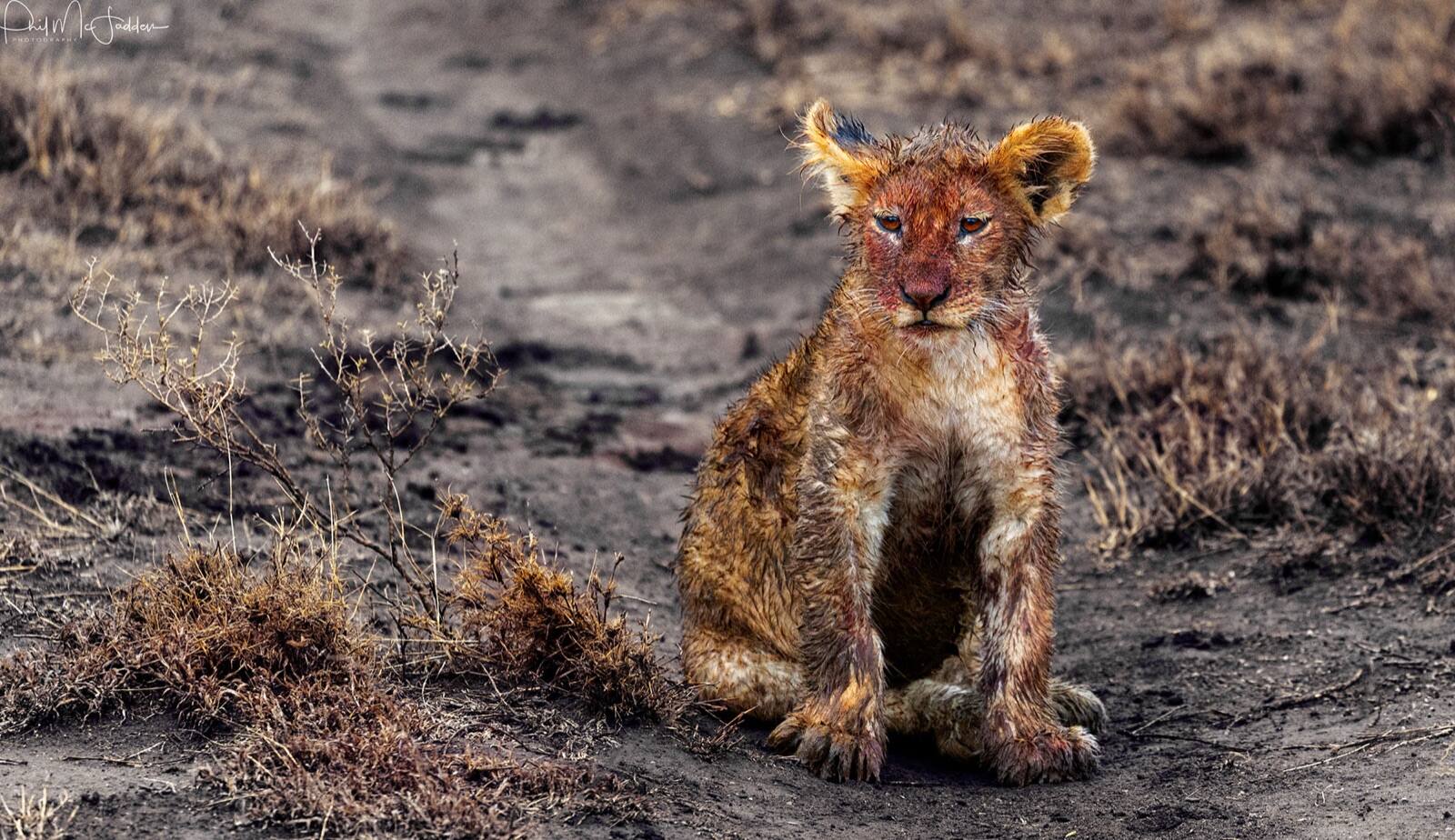
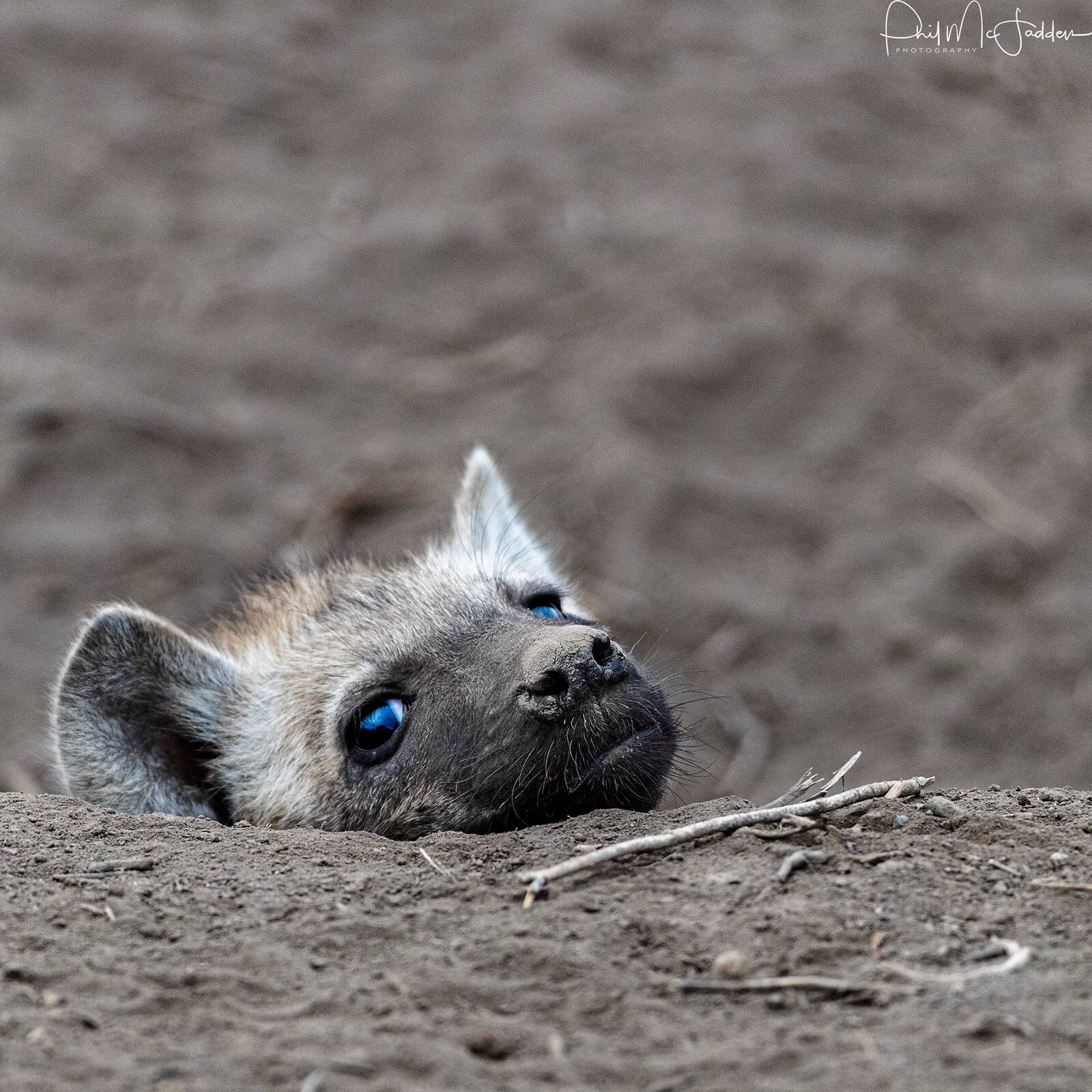
What that produces is not simply a lot of baby animals. It produces the densest concentration of predator activity anywhere in Africa. Lion, cheetah, hyena, leopard, jackal and every scavenger in the ecosystem converge on the same open plain at the same time, because for three weeks the food supply is effectively unlimited and largely defenceless. Guides who have worked both seasons will tell you the dry season is more comfortable and the green season is more extraordinary.
Why the calving happens here
The southern plains are volcanic. Ash deposited over millennia from the Ngorongoro highlands and the surrounding craters has produced soil that is unusually rich in calcium and phosphorus, and the short grass growing on it is correspondingly high in the minerals a lactating wildebeest needs to produce milk and a growing calf needs to build bone. The herds do not calve here by accident or by tradition; they calve here because the grass is chemically right for it.
The same volcanic soil produces a hardpan close to the surface that prevents trees establishing, which is why the plains are treeless and the grass stays short. For a newborn wildebeest that openness is a mixed inheritance: there is nowhere for a predator to hide, but equally nowhere for a calf to hide. The evolutionary answer has been speed. A wildebeest calf is on its feet within two to three minutes of birth and can run with the herd within a day, which is among the fastest development of any mammal.
The synchronisation is the other half of the strategy. By concentrating almost all births into a two to three week window, the herd swamps the predators. There are simply more calves than the lion, cheetah and hyena of the southern Serengeti can possibly eat, so the great majority survive. A wildebeest that calved a month early or a month late would have offered its calf up alone, and that trait has been selected out over a very long time.
What you actually see
A morning at Ndutu in February is unlike a morning anywhere else. You will see births — sometimes several in a day, sometimes within thirty metres of the vehicle — and you will see hunts, because with that density of vulnerable prey the predators are working almost continuously rather than once every few days. Cheetah, which hunt in daylight, are at their most visible and most successful. Lion prides are fat and relaxed. Hyena clans are at their most active.
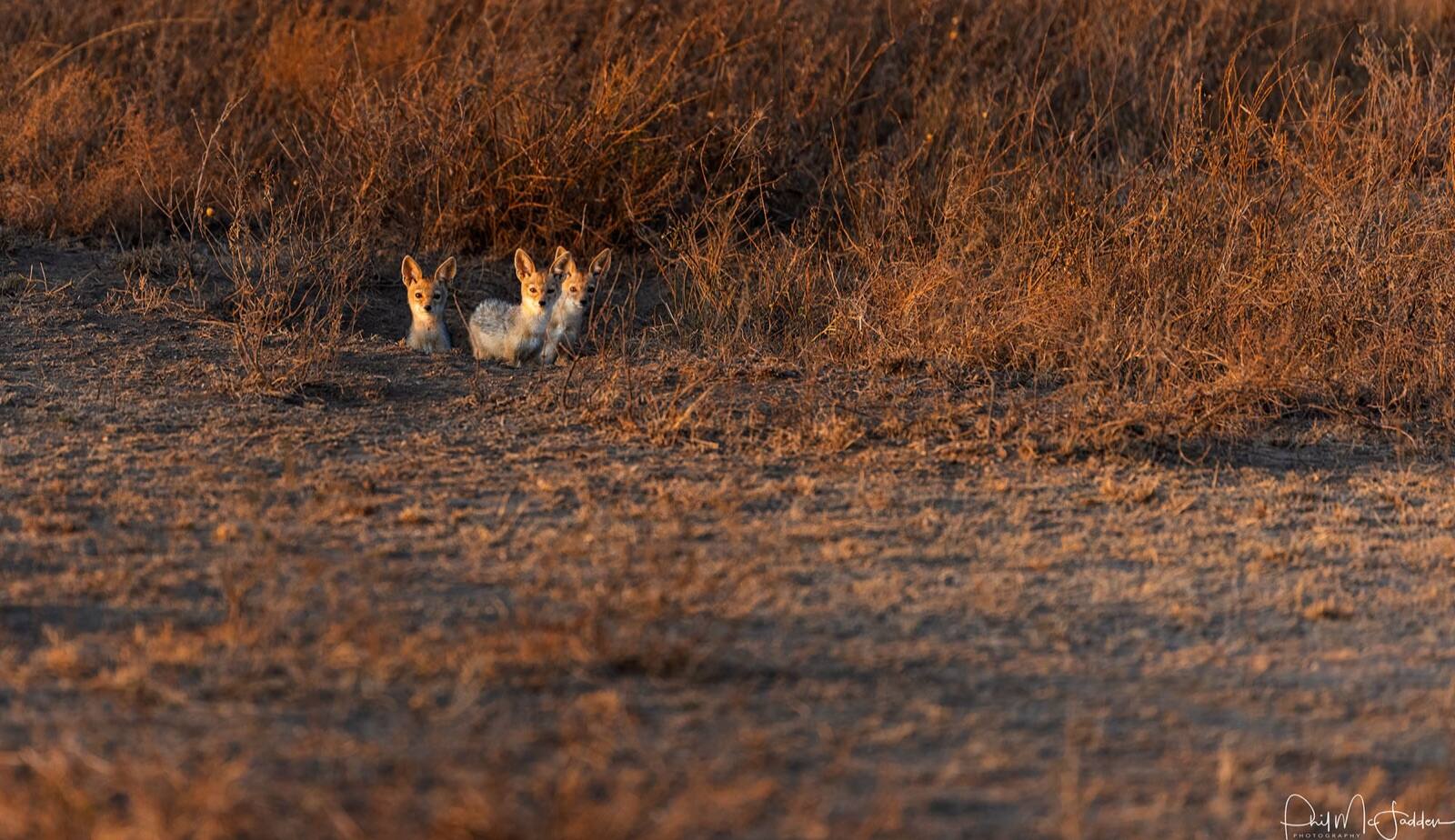
You will also see the full scavenging cast assemble, which is a spectacle in its own right. Within minutes of a kill the vultures arrive — white-backed first, usually, then lappet-faced, and marabou storks stalking in at the edges. Jackals work the margins. The speed at which a carcass is reduced to nothing on those plains is genuinely startling, and it is one of the clearest demonstrations of how the ecosystem actually functions.
There is a harder side and it is only fair to name it. You will watch calves taken. Some guests find the calving season more emotionally demanding than they anticipated, particularly with children in the vehicle. It is not gratuitous and it is not cruel, but it is unfiltered, and we would rather guests knew that before they booked than discovered it on day two.
The green season advantages nobody mentions
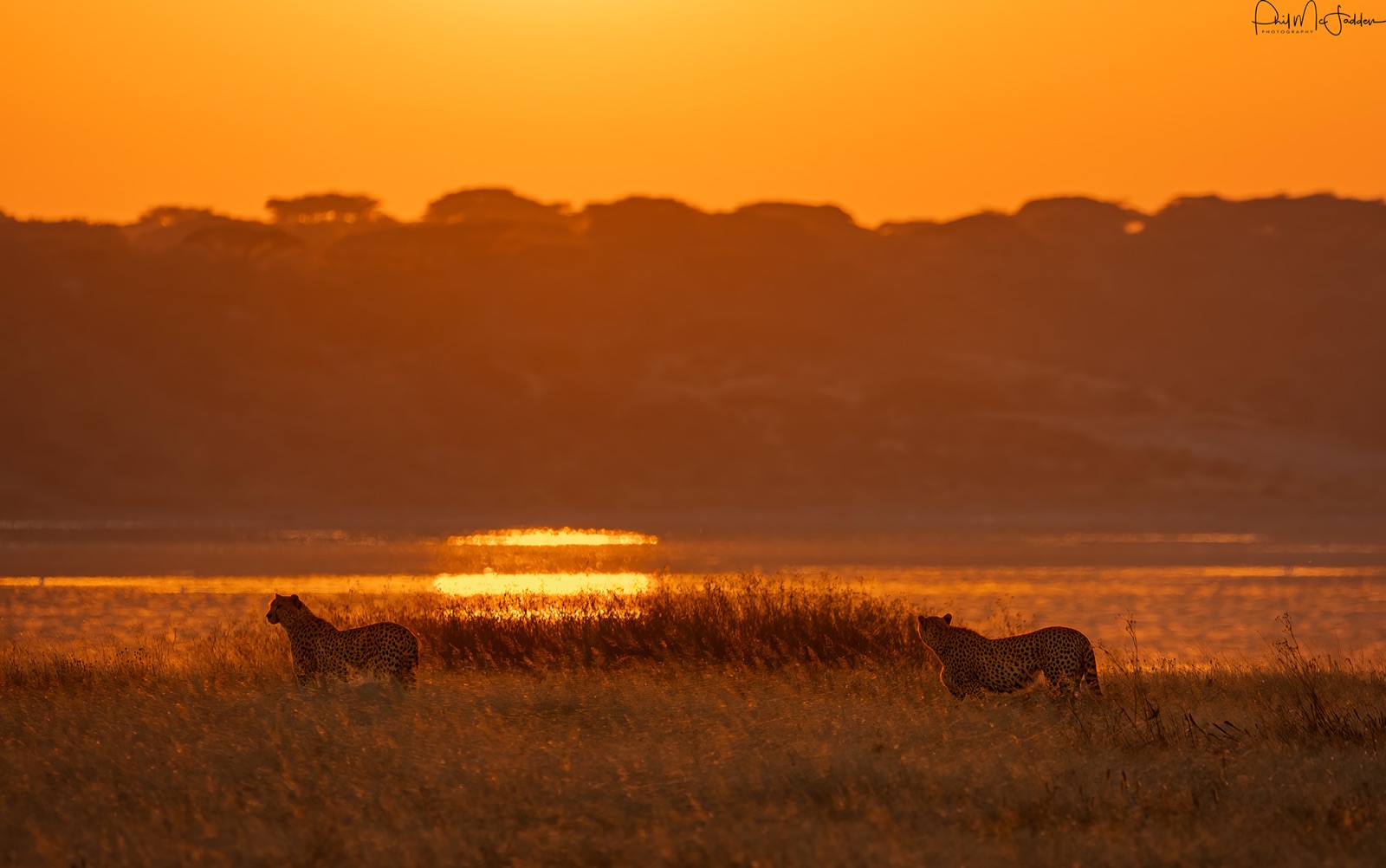
The light is better. Green season skies carry cloud, and cloud is what makes photographs. Dry season East Africa gives you a hard, cloudless white sky from nine in the morning until four in the afternoon, which is the least flattering light there is. In February you get towering cumulus, dramatic light shafts, storms crossing the plain in the distance, and sunsets that the dry season simply cannot produce.
The landscape is green rather than dust-brown, which sounds obvious but transforms every image you take. The plains after rain are a deep even green stretching to the horizon, and a cheetah or a lion on that background photographs very differently from the same animal on bleached dry-season grass. Most of the images people associate with the Serengeti in their imagination were in fact made in the green months.
It is also quieter and cheaper. Vehicle numbers at a sighting drop substantially compared with August, camp rates are lower across the board, and the mobile camps that follow the migration south are smaller operations than the permanent northern lodges. For the same budget you generally get a better standard of accommodation and considerably more solitude.
Read more on the Ndutu calving season and how it fits into the wider migration.
If you are planning this route, read Where to see cheetah in Tanzania: a guide from the plains.
Related reading: Best Time to Visit the Serengeti: A Month-by-Month Safari Guide.
More on this in Ndutu Safari Lodge: the calving-season classic.
Ndutu specifically, and why it is not quite the Serengeti
A point of geography that confuses a lot of visitors: Ndutu sits inside the Ngorongoro Conservation Area, not inside Serengeti National Park, even though it looks and functions like the southern Serengeti and the herds move freely across the invisible boundary. This matters practically, because the Conservation Area permits off-road driving in a way the national park does not. During calving that difference is substantial — it is what allows a guide to leave the track and position properly for a hunt rather than watching it at three hundred metres through heat haze.
It is also why the Ndutu area holds a cluster of seasonal mobile camps that appear in December and are gone by April. These camps follow the herds, run on generators and canvas, and are dismantled entirely at the end of the season, leaving nothing behind. They are not luxury in the sense of a permanent lodge with a swimming pool, but they put you inside the action, and most guests who have done both prefer them.
One further practical point that catches people out: the southern plains sit at around 1,700 metres, which keeps the green season far more comfortable than the humidity of the coast at the same time of year. Nights are genuinely cool and most guests want a fleece at dawn, which surprises those who packed only for heat. The rain, when it comes, arrives warm and passes quickly, and the temperature afterwards is one of the quiet pleasures of travelling in February.
The other feature of Ndutu is its woodland. Around the two lakes, Ndutu and Masek, there are stands of mature acacia that provide the only real cover on an otherwise open landscape. Leopard use them, and so do lion looking for shade in the middle of the day. That combination — vast open calving plain within a few minutes' drive of dense acacia woodland — is what gives the area its unusual range of species in a small radius.
The honest disadvantages
It rains. Not usually all day — the pattern in January and February is typically a heavy afternoon downpour lasting an hour or two, with clear mornings — but tracks become difficult and some black-cotton soil areas become genuinely impassable. A competent guide in a properly equipped vehicle handles this; an underpowered vehicle with a driver who does not know the ground does not. This is a season where operator quality matters more than usual.
The long rains of April and May are a different matter and we generally advise against them. Many camps close, road conditions deteriorate seriously, and while the wildlife is still there, the experience of reaching it is not what most people have travelled for. If someone tells you April is a bargain, they are correct, and there is a reason.
Insects are more present than in the dry months, which is the trade-off nobody puts in the brochure. Mosquitoes appear around standing water at dusk, and there are more flies generally. It is not remotely intolerable — long sleeves at dusk and repellent handle it — but guests who imagine the green season as simply the dry season with better light should know that the grass is alive in a way it is not in August.
The other consideration is that the northern Serengeti is empty during the calving months. If your priority is a Mara River crossing, the green season cannot give it to you, and no operator should suggest otherwise. These are two genuinely different trips and you should choose between them rather than hope to combine them.
How we build a green season trip
We put guests in the Ndutu area for at least three nights, and preferably four, because the calving plains reward staying put rather than moving. We use mobile camps that relocate with the herds where possible, which puts you within minutes of the action rather than an hour's drive from it. And we build in flexibility, because in a wet season the herds shift and the itinerary needs to shift with them.
Every Sokwe safari runs with a private 4x4 and your own guide. In the green season that matters twice over: once because predator activity rewards long unhurried hours at a single sighting, and once because when tracks are wet you want a driver making decisions about your day rather than about a group's average preference.
Plan a green season safari
If you are flexible on dates and your priority is wildlife rather than weather, tell us. We will build you a February itinerary around the calving plains and be straightforward about the trade-offs, including the ones other operators tend not to mention.
Ready to make it real? Explore luxury Tanzania safari or talk to us about dates and prices.
Plan your safari with Sokwe Africa Safari
Frequently asked questions
When is the calving season in the Serengeti?
Roughly January to March on the southern short-grass plains around Ndutu, with the peak of births usually falling in early February. Around four hundred thousand wildebeest calves are born within about three weeks.
Is the green season a good time for a Tanzania safari?
For predator viewing and photography it is arguably the best time of year. It brings the highest concentration of predator activity in Africa, dramatic skies, green landscapes, fewer vehicles and lower prices. It is not the season for Mara River crossings.
Does it rain all day in the green season?
Usually not. The typical January to February pattern is a clear morning with a heavy downpour in the afternoon lasting an hour or two. April and May, the long rains, are a different matter and we generally advise against them.
Can I see river crossings during the calving season?
No. The herds are on the southern plains between January and March, and the Mara River in the far north is empty. River crossings run July to October. These are two different trips.
Why do wildebeest calve at Ndutu?
The volcanic soil produces short grass unusually high in calcium and phosphorus, exactly what a lactating female and a growing calf need. Synchronising births into a three-week window also swamps the predators so most calves survive.
Is the calving season suitable for children?
It can be, but be aware that predation is frequent and visible during these weeks. Some families find it more confronting than expected. We are happy to talk it through honestly before you book.