Season
Calving season in the south
Rain
Mostly dry, some showers
Crowds
Busy in the south; best camps book early
Prices
Shoulder
Best for
Calving, predators, photographers
Home › Tanzania safari by month › February
February at a glance

What February is like

February is generally the peak of the calving season on the short-grass plains around Ndutu and the southern Serengeti. Tens of thousands of calves are born within a few weeks, and lions, hyenas and cheetahs hunt among the herds.

The weather is warm and often dry with some showers. It is one of the best months of the year for wildlife drama, but the southern camps are the busiest and the best ones sell out well ahead, so plan early.

Where the wildlife is

Southern Serengeti and NdutuThe herds are massed on the short-grass plains with newborn calves. Predator activity is intense, and sightings are often right beside the vehicle.
Central SerengetiResident big cats remain very good, and the plains are green.
TarangireGreen and quiet; elephants are around but more dispersed than in the dry season.
Ngorongoro CraterExcellent as always, with fewer vehicles than in the July–October peak.

Animal movements follow the rains, not the calendar, so treat these as typical patterns and ask us what is happening this season before you commit.

The good

  • Newborn wildebeest and the predators that follow them
  • Warm weather with a good chance of dry days
  • Green landscapes and dramatic skies
  • No peak-season prices

The trade-offs

  • The southern camps are busy, so book early
  • Showers are possible, mostly in the afternoon
  • Some roads on the plains can be soft after rain
Planning

How we would route February

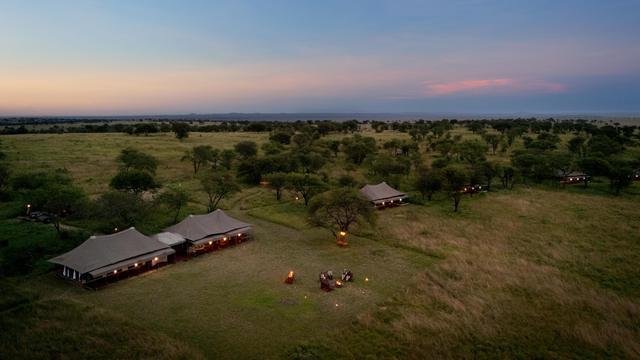
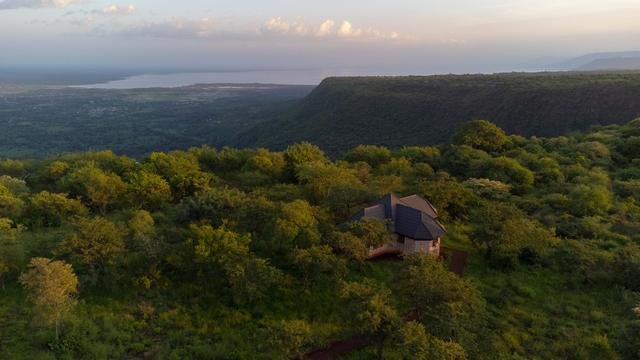
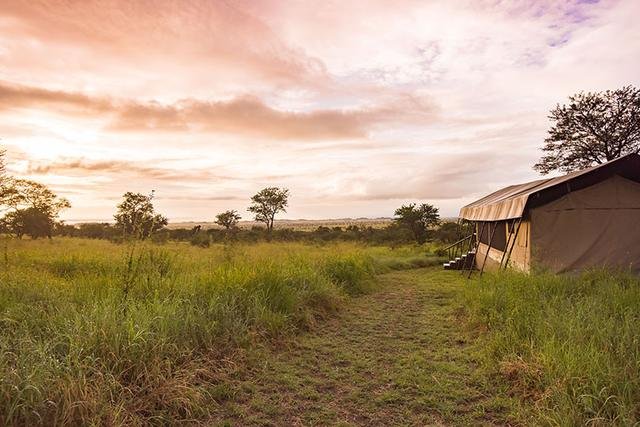
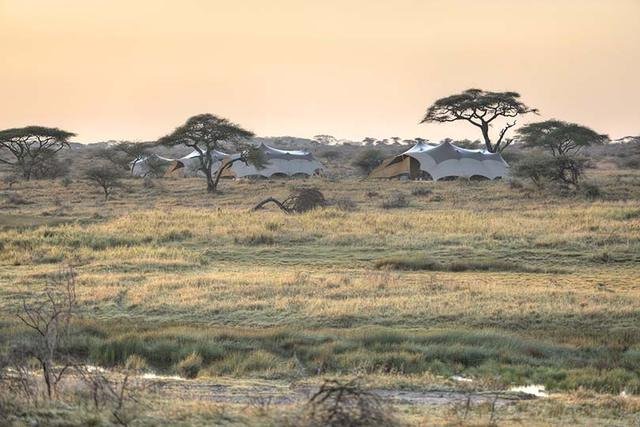
We usually pair two nights in Tarangire or the Crater highlands with three or four nights at Ndutu or in the southern Serengeti, so you are on the plains for the calving. Nyikani Migration Camp (Ndutu) and Nasikia Mobile Migration Camp (Ndutu) are in position from December.

Where to stay

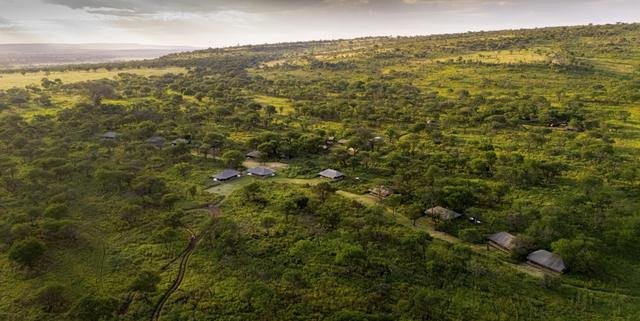
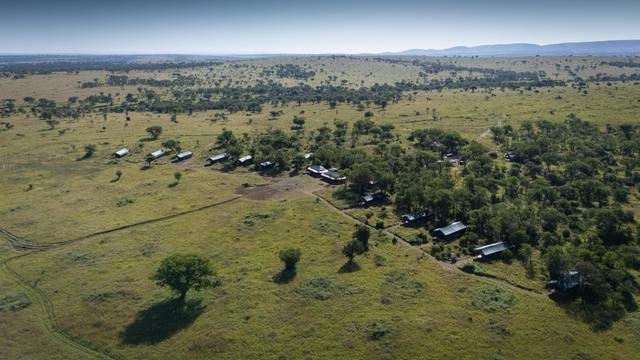
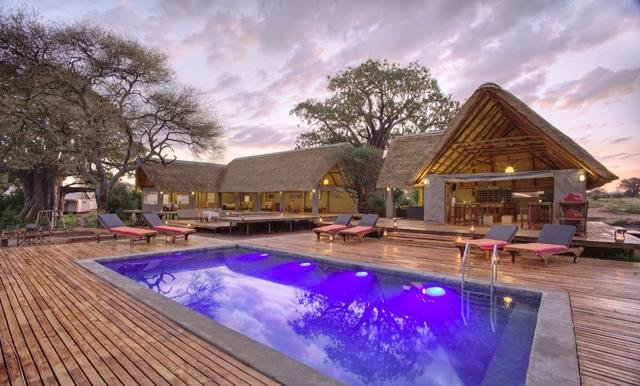
Camps open in February

Camps listed are those whose own websites state their opening months. Ask us about others.

Questions

February FAQs

When is the calving season?

The wildebeest calve in the southern Serengeti and Ndutu area from roughly late January into March. February is the usual peak, when about 8,000 calves a day can be born.

Is February busy?

The southern calving areas are busy and the best camps book out early. Other parts of Tanzania, such as Tarangire, are quiet.

Is February cheaper than August?

Generally yes. Most camps price February as shoulder season, well below July–October peak rates.

Other months

Photo: David Dennis from Pozuelo de Alarcón, Madrid, Spain, CC BY-SA 2.0, via Wikimedia Commons (resized and cropped).

Plan your February safari

Pick a trip, tell us who is travelling, and our Arusha team replies within 3 hours with a tailored itinerary and a full price in writing, with your own vehicle and guide.

Plan my safariWhatsApp us

Why book direct with Sokwe

What you can check before you pay us anything

Licensed Tanzanian operator

Licensed by the Ministry of Natural Resources and Tourism (Tourism Division), licence 033510. Ask us for a copy at any time.

Based in Arusha, not abroad

Our office is at the gateway to the northern circuit. You are booking the company that runs your safari — not an agency reselling it.

Private 4x4 and your own guide

Never a shared vehicle and never a stranger beside you. Your guide is a local field naturalist who knows these parks personally.

A reply within 3 hours

Every enquiry answered within three hours, with a detailed itinerary and full costing. Hold us to it.

What guests say

“Our Tanzania Safari was beyond our expectations!”
Joel R. · TripAdvisor · February 2026
“…a rare breed of guide who is genuinely interested in his guests…”
Sara W. · Google · September 2026
“…we had a truly unforgettable experience, and we highly recommend him and his company.”
Jannis M. · Google · September 2026
Planning a safari? Get a private itinerary and price within 3 hours.